





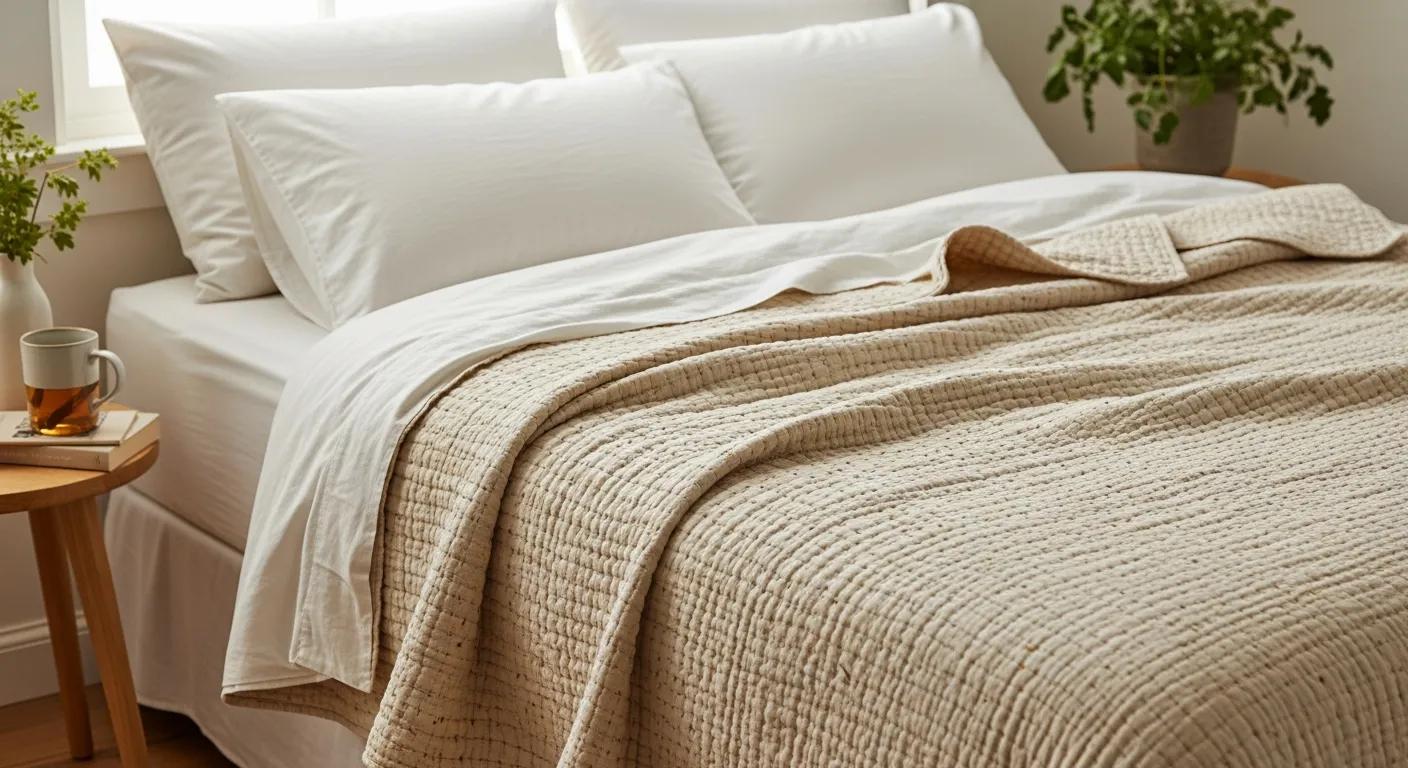
Organic cotton quilts are gaining favour with Australians who want bedding that’s kinder to the planet and kind to the skin. This guide walks you through the practical benefits: why organic cotton is more sustainable, the health and comfort advantages, how to pick the right quilt for your home, simple care tips to extend its life, and what makes Adorearth’s collection stand out. If you care about the impact of your purchases, this guide will help you choose with confidence.
Placed in context, Australia’s cotton industry is increasingly shaped by sustainability concerns and growing consumer awareness.
What Makes Organic Cotton Quilts Eco-Friendly and Sustainable?
Organic cotton quilts are made from cotton grown without synthetic pesticides or chemical fertilisers. That means less toxic runoff, healthier soils and more space for biodiversity. Choosing organic cotton supports farming methods that focus on long-term soil health and local communities — practical benefits that add up across the supply chain.
When experts define organic cotton, they point to farming without synthetic chemicals and a focus on restoring ecological balance.
How Does Organic Cotton Reduce Environmental Impact?
Organic cotton reduces environmental harm in several ways. It typically uses less water than conventional cotton varieties, which matters in dry regions. It’s grown without synthetic pesticides, so nearby ecosystems and wildlife face less contamination. And organic practices such as crop rotation and composting help rebuild soil health, making farming more resilient over time.
What Certifications Ensure Sustainable Cotton Quilts?
Certifications give you confidence that a quilt really meets sustainability standards. The Global Organic Textile Standard (GOTS) is widely recognised — it confirms organic fibre content and enforces environmental and social criteria throughout production. Other labels like OEKO‑TEX and Fair Trade add assurances about chemical safety and ethical labour practices. Checking for these marks helps you choose a truly sustainable quilt.
What Are the Health and Comfort Benefits of Hypoallergenic Cotton Quilts?

Hypoallergenic organic cotton quilts are a great option for people with allergies or sensitive skin. Organic cotton’s natural, chemical-free production and breathable fibre structure reduce irritation and help regulate moisture — so you sleep cooler and wake up more comfortable.
Research consistently points to natural, sustainable fibres as delivering health, comfort and environmental benefits.
Why Are Organic Cotton Quilts Ideal for Sensitive Skin?
Because organic cotton is grown and processed without harsh chemicals, it tends to feel softer and causes fewer reactions for people with sensitive skin. That chemical-free process reduces the chances of irritation and makes organic quilts a safer choice for restless sleepers and those prone to allergies.
How Do Cotton Quilts Regulate Temperature for Better Sleep?
Cotton fibres breathe. That breathability helps move moisture away from the body and keeps airflow steady, which makes it easier to maintain a comfortable temperature overnight. Compared with synthetics, organic cotton often balances warmth and cooling more naturally, which can improve sleep quality for many people.
How to Choose the Best Eco-Friendly Cotton Quilt in Australia?
Picking the right eco-friendly cotton quilt comes down to a few practical decisions: size, GSM (grams per square metre), and certifications. Knowing what to look for helps you match comfort needs with environmental values.
What Sizes and GSM Are Suitable for Australian Climates?
Sizes typically include single, double, queen and king to fit standard beds. GSM indicates weight and warmth: 300–400 GSM works well for cooler months, while 150–250 GSM is lighter and better for warmer seasons. Choose a GSM that matches your usual bedroom temperature and how warm you like to sleep.
How to Identify GOTS Certified and Natural Cotton Quilts?
Look for the GOTS logo on labels to confirm organic fibre and responsible processing. OEKO‑TEX and Fair Trade labels add extra assurance about chemicals and labour standards. Read product details and care labels — clear certifications and ingredient lists make it easy to pick a trustworthy quilt.
What Care Practices Extend the Life of Sustainable Cotton Quilts?

imple, gentle care keeps organic cotton quilts feeling and performing their best. Follow the label, wash carefully and store them properly to keep them looking and feeling great for years.
How Should You Wash and Dry Organic Cotton Quilts?
Use cold or warm water with a mild detergent and a gentle cycle to protect the fibres. Air drying is preferable to avoid shrinkage and excess wear from high heat. These small steps help maintain softness and extend the quilt’s lifespan.
What Are the Best Storage Tips for Natural Cotton Bedding?
Store quilts in a cool, dry place to prevent moisture and mould. Breathable storage bags or cotton covers protect against dust while allowing airflow. Proper storage keeps the quilt’s shape and prevents pest or odour issues over time.
Why Choose Adorearth's Organic Cotton Quilt Collection?
Adorearth curates organic cotton quilts that balance sustainability with timeless design. We prioritise quality materials and responsible production so you can find bedding that feels luxurious and aligns with your values.
How Does Adorearth Ensure Quality and Sustainability?
We source 100% organic cotton and work with partners who meet strict production standards. Our quilts are GOTS certified, which means every stage of manufacturing follows environmental and ethical criteria. That commitment gives you a product that’s both reliable and responsibly made.
What Do Customers Say About Adorearth's Eco-Friendly Quilts?
Customers frequently praise the softness, breathability and improved sleep quality they get from our quilts. Many also highlight the brand’s sustainability focus — it’s a common reason shoppers choose Adorearth for their bedding.
| Certification | Description | Importance |
|---|---|---|
| GOTS | Global Organic Textile Standard | Ensures organic production and ethical practices |
| OEKO-TEX | Safety certification for textiles | Guarantees no harmful substances in the final product |
| Fair Trade | Certification for ethical labor practices | Supports fair wages and working conditions |
Choosing an organic cotton quilt is a practical way to live more sustainably while enjoying better comfort and sleep. With simple care and the right certification checks, you can make a purchase that benefits both your home and the environment.
Frequently Asked Questions
What are the environmental benefits of choosing organic cotton quilts?
Organic cotton farming uses methods that protect soil health and encourage biodiversity. It avoids synthetic pesticides and fertilisers that can pollute waterways and harm wildlife. Organic cotton also often uses less water than conventional cotton, making it a better option where water is scarce. Choosing organic helps support farming practices that reduce environmental harm.
Are organic cotton quilts a significant investment compared to conventional ones?
While the initial investment for organic cotton quilts can be higher due to the rigorous farming and certification processes, many find that the enhanced comfort, durability, and environmental benefits make it a worthwhile choice. For eco-conscious buyers, the long-term advantages and reduced chemical exposure often justify this investment.
How can I ensure the organic cotton quilt I purchase is genuinely organic?
Look for recognised certifications like GOTS, which verify organic fibre content and responsible processing. OEKO‑TEX and Fair Trade labels provide additional assurances about chemical safety and labour practices. Reading product details, labels, and customer reviews will help confirm authenticity.
What is the lifespan of an organic cotton quilt?
With regular, gentle care, an organic cotton quilt can last many years. Proper washing, air drying and correct storage preserve the fibres and keep the quilt comfortable. Many users report their organic quilts remain soft and serviceable for several seasons when well cared for.
Can organic cotton quilts be used in all seasons?
Yes — it depends on the quilt’s GSM. Lighter quilts (150–250 GSM) suit warmer months, while heavier options (300–400 GSM) provide more warmth for cooler weather. Picking the right GSM makes organic cotton quilts versatile across Australia’s varied climate.
What are the best practices for maintaining organic cotton quilts?
Wash in cold or warm water with a mild detergent and use a gentle cycle. Air drying is best to avoid shrinkage and fabric stress from high heat. Store quilts in a cool, dry place and use breathable protection to prevent mould and dust. These easy steps help your quilt last longer and perform better.
