




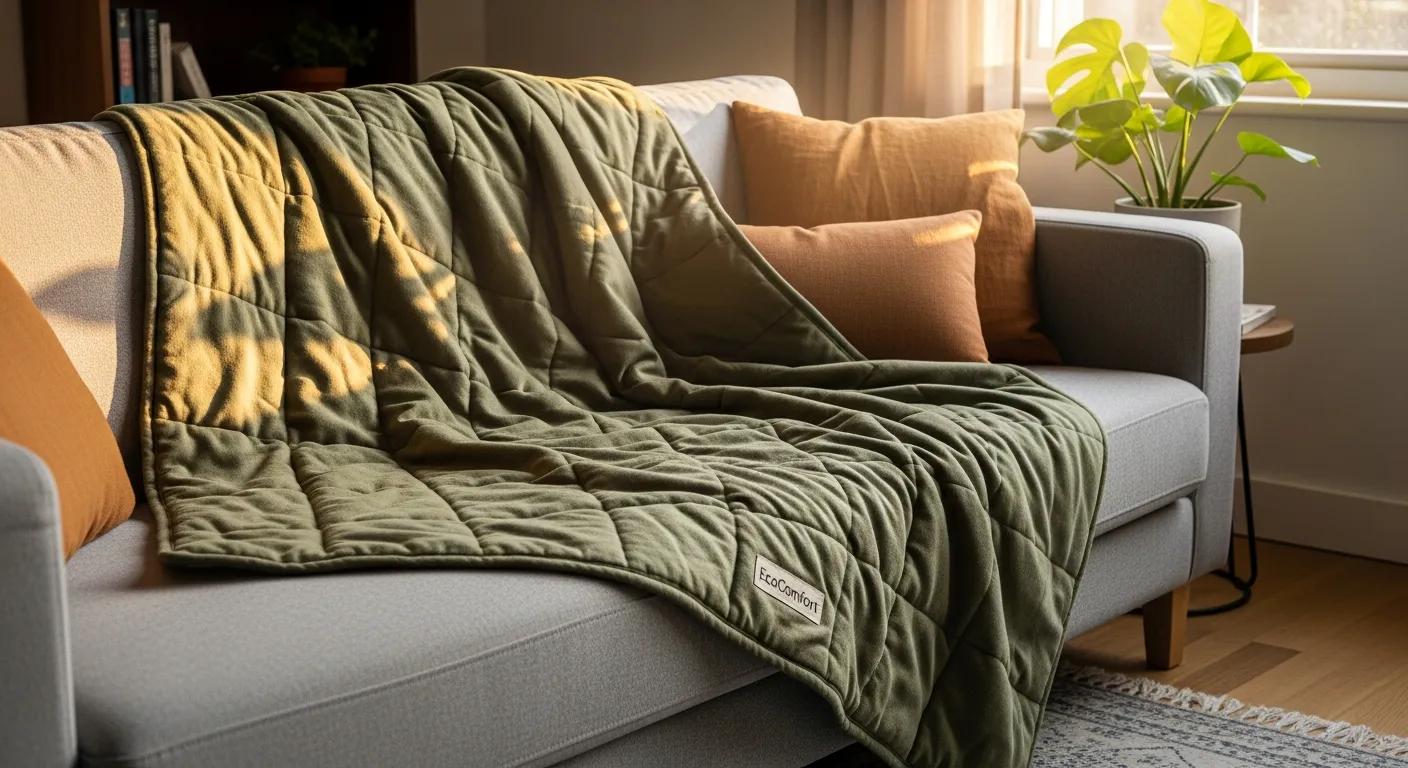
Eco-friendly weighted blankets are becoming a favourite for Australians who want comfort that aligns with their values. They deliver soothing warmth and a calming, tactile weight while using materials and production methods that reduce environmental harm. Below, we cover the sleep and wellbeing benefits, the sustainable materials commonly used, how Adorearth maintains quality and ethical standards, and practical tips to help you pick the right blanket for your home.
What Are the Health Benefits of Eco-Friendly Weighted Blankets?
Eco-friendly weighted blankets work through Deep Touch Pressure (DTP) — a gentle, even pressure across the body that helps many people sleep better and feel calmer. Research suggests DTP can increase serotonin and melatonin levels and lower cortisol, supporting more restful sleep and reduced stress.
How Does Deep Touch Pressure Therapy Improve Sleep and Reduce Anxiety?
DTP calms the nervous system by recreating that cosy feeling of being hugged or held. For many users, this leads to quicker relaxation, deeper sleep and lower anxiety. Studies and user reports show benefits for people with conditions like autism, ADHD or general anxiety, where that steady, reassuring pressure can create a clearer sense of safety and comfort.
Ongoing insights highlight DTP’s positive influence on the parasympathetic nervous system and emotional well-being.
What Makes Organic Weighted Blankets Hypoallergenic and Non‑Toxic?
Organic weighted blankets are made with materials that avoid common chemical treatments and synthetic additives, which helps reduce skin irritation and airborne irritants. Natural fibres like organic cotton and bamboo lyocell are soft, breathable and less likely to trigger sensitivities, supporting cleaner indoor air and a gentler sleep surface for those with allergies or sensitive skin.
Which Sustainable Materials Are Used in Eco‑Friendly Weighted Blankets?

The sustainability of a weighted blanket comes down to its fabrics and filler. Common eco-friendly choices are organic cotton, bamboo lyocell and recycled glass beads — each contributing to comfort while reducing environmental impact.
Why Choose Organic Cotton and Bamboo Lyocell for Sustainable Bedding?
Organic cotton avoids pesticides and, in many cases, uses less water than conventional cotton. Bamboo lyocell is produced in a closed‑loop process that recovers solvents and water, keeping waste to a minimum. Both fibres are breathable, soft and durable — practical choices if you want bedding that’s kinder to skin and the planet.
How Do Recycled Glass Beads Enhance Eco‑Friendly Weighted Blankets?
Recycled glass beads are a popular filler because they repurpose waste glass into a durable, non‑plastic alternative. They give even weight distribution for effective DTP, reduce reliance on new plastics and lower a blanket’s overall environmental footprint — a simple way to keep quality high while keeping waste out of landfill.
How Adorearth Ensures Quality and Sustainability in Our Weighted Blankets

At Adorearth, we design and source with sustainability and durability in mind. Our weighted blankets are made to feel luxurious, perform well for DTP and stand up to regular use — all while meeting strict environmental and safety standards.
What Certifications and Ethical Practices Support Adorearth's Eco‑Conscious Approach?
We choose certified materials where possible — for example, GOTS (Global Organic Textile Standard) and Oeko‑Tex Standard 100 — so you can trust the fibres and finished products meet recognised environmental and safety criteria. Those certifications help ensure transparency and ethical practices across the supply chain.
How Does Australian Design Influence the Comfort and Durability of Weighted Blankets?
Our design approach is practical and Australian‑informed: we focus on balanced weight distribution, breathable fabrics and sturdy construction so blankets perform well in real homes. The result is a product that supports DTP benefits, lasts longer and feels right for everyday life.
How to Choose the Right Eco‑Friendly Weighted Blanket for Your Home Comfort?
Picking the right blanket comes down to three things: weight, size and fabric. Thinking about these will help you choose a blanket that’s comfortable, effective and easy to care for.
What Weight and Size Options Best Suit Different Needs and Preferences?
A common guideline is to choose a blanket about 10% of your body weight for comfortable DTP. Sizes run from single to queen to suit different beds — for example, a 15 lb (approx. 6.8 kg) blanket typically suits someone around 150 lb (about 68 kg). Personal comfort matters, so use the guideline as a starting point and adjust if you prefer a lighter or heavier feel.
How to Care for and Maintain Your Sustainable Weighted Blanket?
To keep your eco‑friendly blanket looking and feeling its best, machine wash on a gentle cycle with cold water where permitted, and air dry to avoid shrinkage. Avoid harsh detergents or fabric softeners that can wear down natural fibres. Following care instructions will help preserve both the fabric and the internal fillers for years of use.
What Are the Environmental and Health Advantages of Using Eco‑Friendly Weighted Blankets?
Choosing an eco‑friendly weighted blanket supports both personal well-being and the planet. Thoughtful material choices and recycled fillers reduce resource use and waste, while natural fibres can improve indoor air quality and reduce exposure to chemicals.
How Do Eco‑Friendly Weighted Blankets Reduce Environmental Footprint Compared to Conventional Options?
Sustainable blankets use fibres and processes that generally require fewer resources and fewer harmful inputs. Organic cotton and bamboo can need less water and avoid pesticides, and recycled components like glass beads lower demand for virgin materials. These choices help minimise carbon and waste impacts and support a more circular approach to production.
Why Are Non‑Toxic Materials Important for Sensitive Skin and Indoor Air Quality?
Non‑toxic materials matter because they reduce the chance of skin irritation and limit the release of volatile chemicals into your home. Organic and naturally processed fibres help maintain cleaner indoor air and are a safer choice for households with allergy sufferers, young children or anyone with sensitive skin.
| Material Type | Environmental Impact | Health Benefits |
|---|---|---|
| Organic Cotton | Grown without pesticides, often has lower water use than conventional cotton. | Hypoallergenic and gentle on skin |
| Bamboo Lyocell | Closed‑loop production that recovers solvents and water, with minimal waste | Soft, breathable and non‑toxic |
| Recycled Glass Beads | Repurposes waste glass, reduces demand for new plastics | Safe, consistent weight distribution for DTP |
The table above summarises the environmental and health advantages of commonly used sustainable materials for weighted blankets, and how they compare with conventional alternatives.
In short, eco‑friendly weighted blankets blend proven sleep and wellbeing benefits with materials and practices that lower environmental impact. By choosing organic and recycled components, you get a product that supports restful sleep and a healthier planet. At Adorearth, we focus on responsible sourcing, thoughtful design and lasting quality so your blanket feels as good as it does for the environment.
Frequently Asked Questions
What is the ideal weight for an eco‑friendly weighted blanket?
The usual rule is around 10% of your body weight — a simple starting point to get effective Deep Touch Pressure without feeling overwhelmed. For example, someone who weighs 70 kg would typically try a 7 kg blanket. Personal preference matters, so choose a little lighter or heavier if that feels better for you.
Can eco‑friendly weighted blankets be used by children?
Yes, children can use weighted blankets, but it’s important to match the weight and size to the child. A common guideline is about 10% of the child’s body weight, with small adjustments for comfort (some sources add around 0.5 kg). Always follow safety guidance, supervise young children, and consult a healthcare professional if you have concerns.
How do eco‑friendly weighted blankets compare in price to conventional options?
Eco‑friendly blankets represent a greater initial investment due to their higher‑quality, certified materials and ethical manufacturing. However, many customers find the durability, improved comfort and reduced chemical exposure offer exceptional value over time.
Are there specific care instructions for maintaining eco‑friendly weighted blankets?
Most sustainable blankets can be machine-washed on a gentle, cold cycle if the care label permits; otherwise, use spot cleaning or a removable cover. Skip harsh detergents and fabric softeners, and air dry where possible to protect natural fibres and fillers.
What are the benefits of using recycled materials in weighted blankets?
Recycled materials, like glass beads, help reduce waste and lower demand for new raw materials. They support a circular approach to product design while delivering reliable weight and performance for therapeutic benefit.
How do eco‑friendly weighted blankets contribute to better sleep quality?
By delivering gentle, even pressure (DTP), these blankets help calm the nervous system, which can reduce anxiety and encourage the production of sleep‑supporting hormones like serotonin and melatonin. Many users report quicker sleep onset and more restful nights when using a weighted blanket as part of their bedtime routine.
