





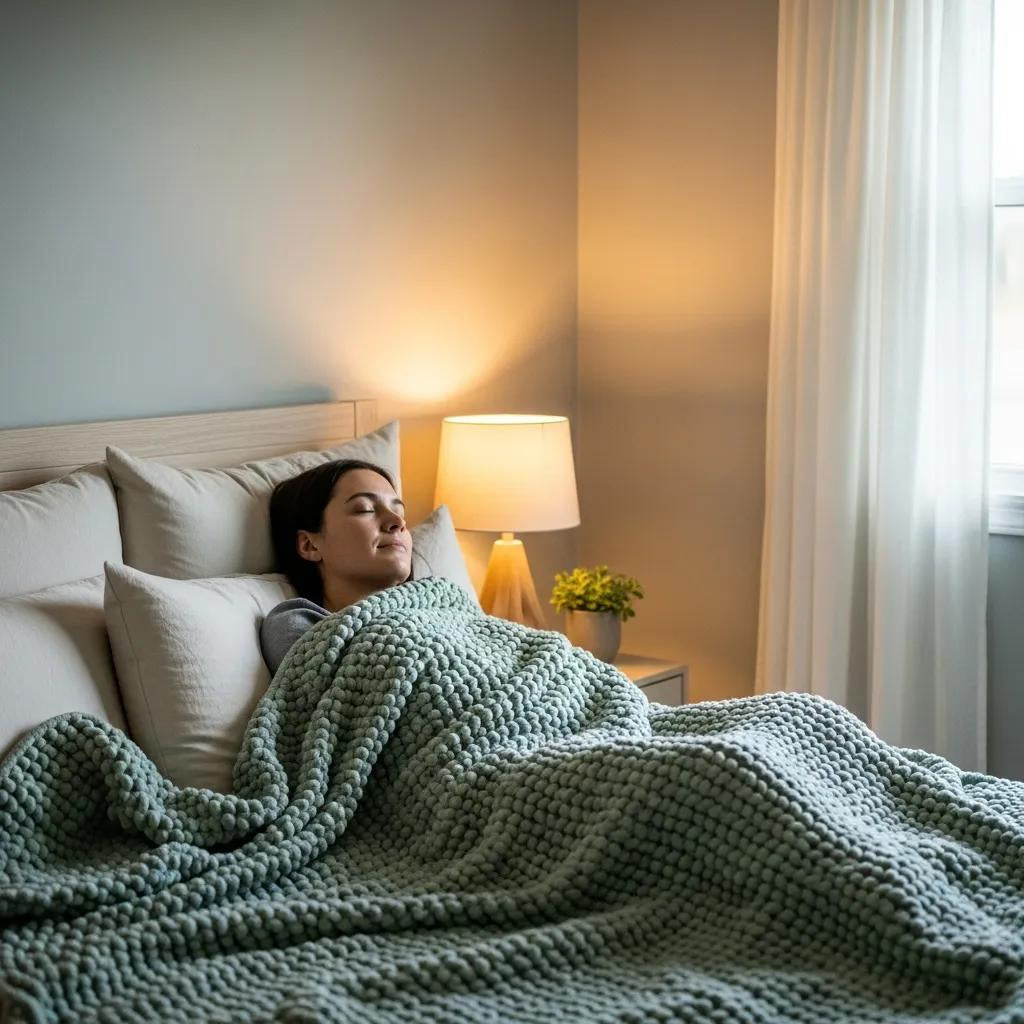
Why choose a weighted blanket for sensory needs: benefits, comfort and sustainable choices
Weighted blankets made for sensory needs use gentle, evenly spread pressure to support sensory regulation. They work through deep pressure stimulation (DPS), which can help people feel calmer and fall asleep more easily. Drawing on insights from occupational therapists and sleep specialists, we'll explore what weighted blankets do, how they can help your body feel more settled, and why materials like organic bamboo are so important for comfort and sensitive skin. You'll get practical tips for choosing the right weight and size for children and adults, along with advice to keep your blanket comfortable and effective. We also highlight sustainable choices that cut down on irritants and environmental impact, and include clear comparisons, checklists and real-life examples to help you pick the best blanket for sensory support.
How do weighted blankets support sensory processing differences?
Weighted blankets can help people with sensory processing differences by giving steady proprioceptive input — the kind of pressure that helps your nervous system sense body position and reduce overwhelm. That steady pressure can help you shift from feeling overwhelmed to a state of calm. The result can be better focus, improved emotional regulation and easier settling for sleep. For people with Sensory Processing Disorder (SPD), Autism Spectrum Disorder (ASD) or ADHD, the blanket’s stitched pockets spread weight across large muscle groups and joints, creating predictable feedback that many find organising and reassuring.
What is deep pressure stimulation, and how does it work?

Deep Pressure Stimulation (DPS) is tactile input that applies gentle, firm pressure across the body, activating proprioceptors and mechanoreceptors that help your nervous system settle. This can help your body feel more grounded and less reactive, supporting a sense of calm. For example, some children who are tactile defensive fall asleep faster when a weighted blanket is part of a consistent bedtime routine.
What are the benefits of weighted blankets for anxiety and sleep improvement?
Weighted blankets can offer a range of benefits: reduced anxiety, faster sleep onset, improved sleep continuity and steadier mood through autonomic regulation. By providing deep touch pressure, a blanket can increase calm, which often means fewer nighttime awakenings and better subjective sleep quality. In practice, people use a weighted blanket during pre-sleep wind-down to quiet rumination, or as a calming layer during high-anxiety moments to anchor breathing and attention. The table below gives you a quick look at how weighted blankets can help with different needs.
| Condition | Mechanism | Benefit |
|---|---|---|
| Anxiety | Deep Pressure Stimulation → parasympathetic activation | Lowered sympathetic arousal and reduced subjective anxiety |
| Sleep | Pressure → improved sleep onset/continuity | Quicker time-to-sleep and fewer night awakenings |
| Focus/ADHD | Proprioceptive input → increased body awareness | Better sustained attention and less fidgeting |
This table shows how weighted blankets can help across different needs. Below are everyday benefits to look for when choosing and using a blanket.
- Anxiety reduction: Gentle pressure calms nervous-system arousal and supports emotional regulation.
- Improved sleep quality: Many people notice faster sleep onset and longer periods of uninterrupted sleep.
- Sensory organisation: Predictable pressure can reduce both sensory-seeking and avoidance behaviours.
How do weighted blankets reduce anxiety and promote relaxation?
Weighted blankets support relaxation by increasing proprioceptive signalling and encouraging parasympathetic responses that slow breathing and heart rate — creating a quick sense of containment and safety. This physical input can help you feel more balanced and calm, reducing overthinking and restlessness before sleep or during stressful moments. Short, supervised sessions (for example, 20–60 minutes during evening wind-down) let users acclimatise and find what feels best. These practical strategies feed into safe selection and sizing, the next key step when buying for sensory needs.
Why is an organic weighted blanket ideal for sensory needs?

An organic weighted blanket is often a great choice for sensory needs because natural fabrics such as organic bamboo feel softer, breathe better and carry fewer chemical residues — all important for sensitive skin and temperature comfort. Material choices — breathable covers and responsibly sourced fillings — affect tactile comfort, heat regulation and allergen exposure, which influence whether someone will use the blanket regularly. Choosing sustainable textiles also helps reduce irritant exposure and supports ethical manufacturing, something many sensory-sensitive buyers appreciate. The table below compares common materials so you can weigh sensory and sustainability trade-offs.
| Material | Sustainability Attribute | Sensory / Comfort Benefit |
|---|---|---|
| Organic bamboo | Ethically sourced, renewable | Soft, breathable and thermoregulating |
| Cotton (organic) | Lower pesticide use than conventional | Natural hand feel, breathable, lower irritation risk |
| Synthetics | Often petroleum-based | Durable, but can trap heat and sometimes irritate |
What makes organic bamboo and sustainable materials superior?
Organic bamboo is well suited to sensory bedding because its fibres are smooth, wick moisture and adapt to temperature, which helps reduce night sweats and friction-related irritation. Bamboo’s breathability supports a stable microclimate around the body, helping to prevent overheating — a common disruptor for sensory-sensitive sleepers. From an environmental perspective, responsibly managed bamboo can use less water and fewer pesticides than conventional cotton, making it a strong choice for people who want comfort and a lower impact. Bamboo’s low static and gentle surface also lessens hair tugging and skin friction, keeping nightly use comfortable and low-maintenance.
How does Our Brand's weighted blanket stand out in quality and ethics?
At [Our Brand Name], we're proud to offer weighted blankets designed with 100% organic bamboo, prioritising softness, breathability and sustainability. We believe in creating home products that are not only sustainable and stylish but also premium, with a strong emphasis on skin- and hair-friendly textiles and ethical sourcing. If you prioritise natural materials and breathability, our bamboo-first approach is perfectly aligned with sensory comfort and responsible production.
How do you choose the right weighted blanket for sensory needs?
Finding the right blanket means matching weight, size, fabric and construction to the user’s bodyweight, sensory profile and safety needs so DPS works without causing risk. A useful rule of thumb is about 10% of your body weight, but always take a conservative approach for children. Construction features like inner compartments or stitched pockets keep filling evenly distributed, and a removable cover makes washing and temperature control easier. The table below gives simple weight and safety guidelines by age group to help with decision-making.
| Age group | Recommended blanket weight | Safety guideline |
|---|---|---|
| Toddlers / Young children | Avoid or use only under supervision | Prefer supervised, lightweight lap pads instead |
| Children (5–12) | Approximately 10% of body weight — choose conservatively | Use with supervision, breathable fabrics |
| Teens & Adults | 10–12% of body weight | Ensure easy removal and mobility |
Use this checklist when selecting a blanket:
- Pick weight conservatively, especially for children.
- Choose breathable natural covers like organic bamboo to reduce overheating and skin irritation.
- Check construction quality: inner compartments, sturdy binding and a removable cover help longevity and hygiene.
What weight and size are best for children and adults?
Choose weight and size to balance effective proprioceptive input with safe movement and comfort. For adults, a blanket around 10–12% of body weight usually gives effective DPS without overly restricting movement; size should match the bed so pressure stays even without excess bulk. For children, we suggest a lower percentage or specialist lap pads and vests, and always recommend checking with a healthcare professional if there are any health concerns. A well-fitted blanket keeps pressure evenly distributed in stitched pockets, while an oversized one can bunch and reduce therapeutic effect.
What are the safety guidelines for using weighted blankets?
Key safety rules include age-appropriate use, supervision for young children, and watching breathing and temperature. Do not use weighted blankets for infants or non-mobile children; supervise any use by young children and stop use if there are signs of difficulty breathing, overheating or restricted movement. For adults, make sure the blanket can be removed easily. If you have any health conditions, especially respiratory or circulatory issues, it's always best to speak with a healthcare professional first. Practical safety steps also include choosing breathable covers and limiting session duration while assessing tolerance during initial use.
How should you care for and maintain your weighted blanket?
Good care keeps weight distribution, stitching and fabric performance intact so the sensory benefits last. Follow washing instructions for both the removable cover and the weighted core, use gentle detergents and avoid high-heat drying that can damage fibres or fillings. Store the blanket in a dry, ventilated place to prevent mildew and protect breathability; regularly pat and redistribute filler in stitched pockets to keep pressure even and prevent bead migration. The list below summarises core maintenance tasks to keep your blanket comfortable and effective.
- Follow label care: Remove the cover and wash on gentle cycles; spot-clean the weighted core if the manufacturer advises.
- Avoid harsh detergents and bleach: Use mild, fragrance-free detergents to protect fibres and skin.
- Dry carefully: Air-dry covers or use low heat; ensure the core is completely dry before storing.
What are the best practices for washing and storage?
Start by separating the removable organic bamboo cover from the weighted core and follow the manufacturer's care for each component to avoid damaging the filler or shrinking fabric. Use gentle detergent at low-to-moderate temperatures and skip bleach or fabric softeners that leave residues and reduce breathability; tumble-dry on low or air-dry the cover to keep fibres healthy. For glass-bead or pellet fillings, spot-clean the core and allow plenty of drying time — don’t submerge sealed cores unless the product instructions explicitly permit it. Store blankets flat or loosely folded in a cool, dry place to avoid compressing the filling and to preserve loft and even distribution.
How to ensure your blanket remains effective and comfortable?
Check monthly for bead migration, seam issues and cover wear, and pat or smooth stitched compartments to redistribute filling and restore uniform pressure. Replace the cover if it pills, thins or develops persistent odour, since cover condition affects tactile comfort and breathability — especially important for sensory-sensitive users. Watch for signs that the blanket is less effective, such as increased night movement or changing sensory preferences; these can indicate the need for a different weight. If maintenance and minor repairs don’t help, consider replacing the blanket and prioritising natural, responsibly sourced materials.
Hearing from others: real stories about weighted blankets
When considering a weighted blanket, it's helpful to hear from others who use them. Many people share their experiences and practical tips in online communities and support groups. While we always recommend listening to your own body and seeking professional advice for specific health concerns, these stories can offer valuable insights into how weighted blankets can fit into daily life.
- Peer support groups and caregiver forums that share experiences and practical tips.
Many people have shared how weighted blankets have made a positive difference. For example, some parents notice their child falls asleep faster with a weighted blanket, while adults might find evenings calmer and feel less overwhelmed. In some cases, a weighted lap pad can even help with focus during tasks. These are just a few examples of how a weighted blanket can support daily comfort and well-being.
- Document changes: Keep a simple sleep or behaviour log to monitor effectiveness.
- Use supervised trials: Short, monitored sessions help assess benefit and reduce risk.
Frequently Asked Questions
Can weighted blankets be used by everyone?
Weighted blankets can help many people, but they aren’t suitable for everyone. Infants and non‑mobile children should not use them because of safety risks. People with certain medical conditions — for example, respiratory or circulatory issues — should check with a healthcare professional before use. Always consider personal comfort and safety, and if you're unsure, it's always best to speak with a healthcare professional.
How do I know what weight is right for me?
A common guideline is to choose a blanket around 10% of your body weight. For children or people with specific sensory needs, a more conservative option may be better. The goal is comfort and freedom of movement, not restriction. If you have specific sensory needs or other conditions, you might find a slightly different weight works best for you.
What are the signs that a weighted blanket is not working?
If you notice more restlessness, trouble falling asleep, increased anxiety, overheating or irritation when using the blanket, it may not be the right weight or material. Keeping a sleep diary can help you spot patterns, and if you're concerned, speaking with a healthcare professional can help you explore adjustments or alternatives.
How often should I wash my weighted blanket?
Wash the removable cover regularly — typically every few weeks, depending on use. The weighted core usually only needs spot-cleaning; always follow the manufacturer’s care instructions. Avoid harsh detergents and high-heat drying to preserve materials and performance.
Are there any specific brands known for quality weighted blankets?
Many quality brands offer weighted blankets, especially those focusing on organic and sustainable materials. At [Our Brand Name], we pride ourselves on our 100% organic bamboo bedding, known for its breathability and comfort. When choosing any brand, look for ethical sourcing, clear weight options, and good care guidance to find the best match for your needs.
Can weighted blankets help with conditions other than anxiety and sleep issues?
Yes. Weighted blankets are commonly used to support people with sensory processing differences, ADHD and autism spectrum conditions by providing calming proprioceptive input. DPS can help with focus, emotional regulation and general sensory organisation, making blankets a versatile tool for many users.
What should I do if I experience discomfort while using a weighted blanket?
If you feel uncomfortable while using a weighted blanket, stop using it and check whether the weight is appropriate or the fabric is irritating your skin. If the discomfort continues, speaking with a healthcare professional can help you explore alternatives. Trying a different weight or cover fabric may resolve the issue.
