




Luxury, eco-friendly air mattresses — the Aussie buyer’s guide
Luxury and sustainability can absolutely coexist in an air mattress: the best designs marry thoughtful comfort systems with low-impact, non-toxic materials to create a guest or portable bed that feels indulgent and leaves a smaller footprint. In this guide, we explain what makes an air mattress genuinely eco-friendly, how material choices affect your health and the planet, which features matter most to Aussie buyers, and how to care for a PVC-free inflatable so it lasts. Whether you want hotel-like comfort for guests, a reliable option for weekend visitors or a compact bed for travel, we cover material options (TPU, recycled fibres, natural latex), health advantages (low VOCs, hypoallergenic finishes), environmental trade-offs (recyclability, embodied carbon) and clear buying tips. Expect checklists, comparison tables and practical advice designed for Aussie shoppers who want comfort without compromise.
What makes an air mattress both luxury and eco-friendly?
A luxury eco-friendly air mattress combines premium comfort engineering with materials chosen to limit toxicity and waste. On the comfort side, that usually means multi‑chamber or coil‑beam support, integrated or removable toppers, and breathable covers that help regulate temperature. On the sustainability side, you’ll see PVC‑free shells, plant‑based or recycled polymers and low‑ or no‑VOC finishes. Together, these elements produce a portable bed that supports the spine, reduces new‑product odour and helps keep indoor air cleaner — all while avoiding the worst environmental issues tied to conventional PVC inflatables.
Key criteria to look for when evaluating models:
- Materials: PVC‑free shells such as TPU, and plant‑derived or recycled alternatives that lower emissions and improve end‑of‑life options.
- Comfort systems: Zoned multi‑chamber or coil‑beam architectures plus soft integrated or removable toppers for better pressure relief.
- Health & safety: Low‑VOC formulations and tightly woven, hypoallergenic covers to support indoor air quality.
- Certifications & transparency: Independent testing and clear material origin statements to back sustainability claims.
These filters help you separate genuinely sustainable, premium inflatables from standard blow‑up beds. Next, we explain the materials that most often meet those standards.
Which sustainable materials are used in eco-friendly air mattresses?
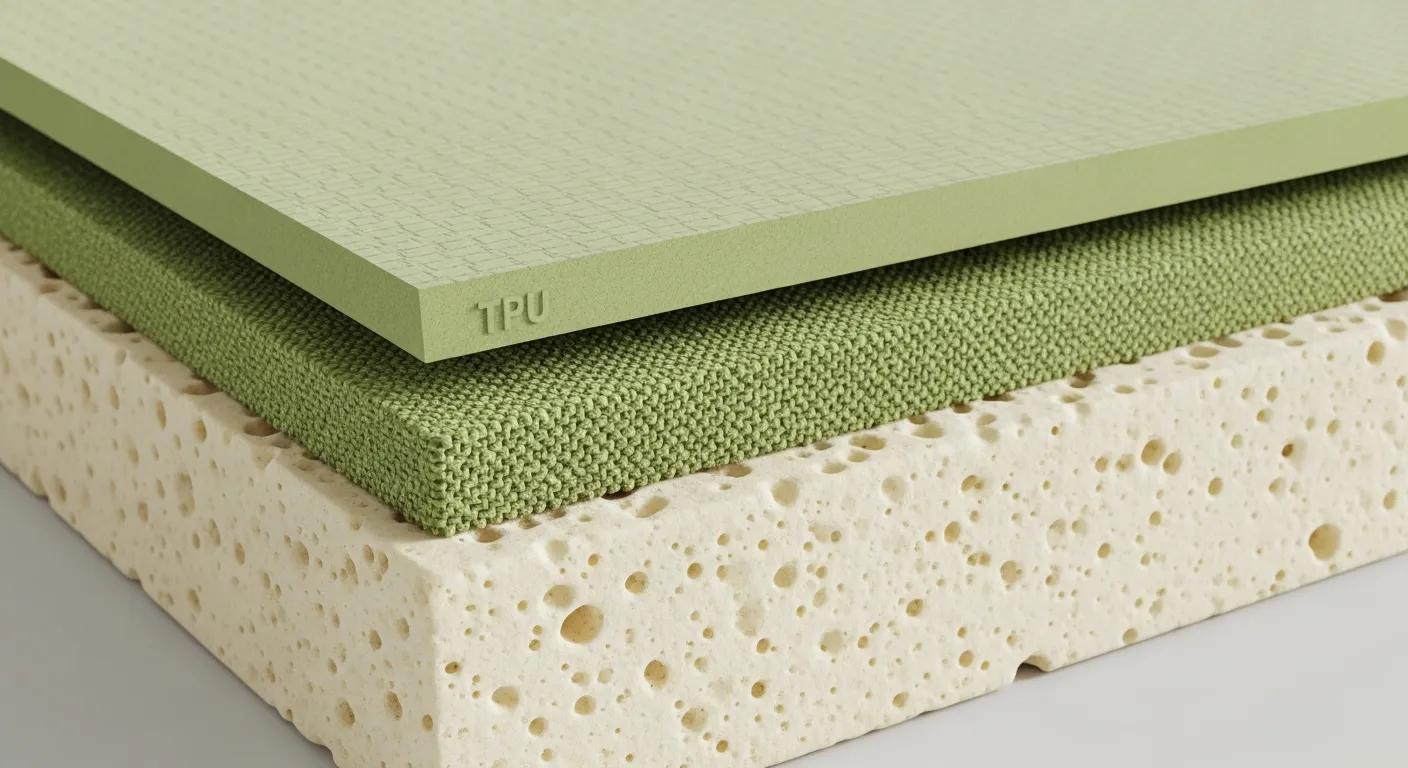
Manufacturers replacing PVC commonly use TPU (thermoplastic polyurethane) for the shell, recycled polyester or organic textiles for covers, and natural or responsibly sourced latex for toppers. TPU usually off‑gasses much less than traditional PVC and tends to be stronger and more recyclable; recycled polyester gives a durable textile surface while diverting plastic from landfill; and natural latex or bamboo‑derived fabrics add breathability and naturally resist some allergens. When you're looking at different options, it's a good idea to check for clear statements about recyclability and where materials come from – these details really affect your indoor air and what happens to the mattress at the end of its life.
TPU is a meaningful improvement over conventional PVC in many respects, but its production can still be chemically intensive — greener alternatives and cleaner processes are evolving. Those material choices are the foundation for the comfort systems that follow.
How does luxury improve comfort and support in air mattresses?
Luxury in an inflatable usually comes down to structure and surface. Internally, coil‑beam or multi‑chamber systems create zones of support that distribute weight and reduce partner disturbance. Externally, integrated or removable plush toppers and breathable covers add cushioning and help regulate temperature. High‑quality covers made from organic textile blends often wick moisture and stay cool to the touch, giving a softer feel without sacrificing spinal support. Together, these design choices let a portable mattress perform more like a conventional bed — ideal for guests or regular use, depending on the model.
From comfort, we move to measurable health and wellness benefits offered by non‑toxic inflatables.
What are the health and wellness benefits of non‑toxic inflatable mattresses?
Non‑toxic air mattresses reduce exposure to volatile organic compounds (VOCs) and limit allergen reservoirs, which helps indoor air quality and reduces irritation for sensitive sleepers. PVC‑free shells and low‑VOC adhesives curb off‑gassing that can cause headaches or throat irritation, especially in small or poorly ventilated rooms. Hypoallergenic covers and materials like natural latex or tightly woven organic fabrics resist dust mites and microbial growth, supporting respiratory comfort and reducing allergy flare‑ups. The practical outcome is fewer nighttime disturbances and a healthier sleep environment for guests and household members alike.
Different materials offer different health profiles; the table below summarises typical attributes.
| Material | Health attribute | Practical benefit |
|---|---|---|
| TPU (thermoplastic polyurethane) | Lower off‑gassing than PVC | Less chemical odour and improved indoor air quality |
| Recycled polyester covers | Durable, low‑allergen surface when tightly woven | Reduces dust‑mite colonisation and is easy to clean |
| Natural latex toppers | Naturally breathable and resistant to microbes | Better temperature regulation and allergy relief |
| PVC (for contrast) | Higher VOC potential | Tends to produce a noticeable odour when new |
How do hypoallergenic and VOC‑free properties improve sleep?
Hypoallergenic fabrics and VOC‑free materials reduce the triggers that disrupt sleep — congestion, coughing or skin irritation caused by airborne chemicals or allergen build‑up. Lower VOC levels mean fewer short‑term irritants that can wake you or cause headaches, while tightly woven, washable covers stop dust mites from finding a home. Together, these features support longer, deeper sleep cycles and better daytime energy, particularly for people prone to allergies or chemical sensitivities.
Minimising chemical and allergen exposure is a straightforward first step before considering personal fit and comfort, which we cover next.
Why are non‑toxic air mattresses a good option for sensitive sleepers?
People with allergies, asthma or chemical sensitivities benefit from mattresses that limit irritants and are easy to maintain. Removable, washable covers made from organic or bamboo‑derived fabrics let you launder away dust and oils; tight‑weave textiles prevent dust mites from settling in; and documented low‑VOC materials give clearer assurance of minimal off‑gassing. Choosing a model with independent VOC test results and breathable, washable toppings is a simple way to reduce triggers for eczema, asthma and other sensitivities.
Controlling common allergens — like dust mites — is a key part of keeping a genuinely healthy bedroom. Simple, practical tips for sensitive sleepers: use a washable cover, air a new mattress before first use, and check for information about low emissions.
How do sustainable air mattress materials contribute to environmental responsibility?
Choosing sustainable materials lowers an inflatable’s environmental footprint through better recyclability, lower embodied carbon and reduced reliance on virgin fossil‑based plastics. PVC is persistent in the waste stream and hard to recycle; alternatives such as TPU and recycled polymers can be easier to process and often extend product life. Using recycled fibres for covers reduces textile waste, and responsibly sourced natural latex or plant‑based polymers can offer better end‑of‑life outcomes. Assessing lifecycle impacts — from manufacturing energy to transport and disposal — reveals where the biggest sustainability gains are made.
The table below summarises common environmental metrics.
| Material | Environmental attribute | Practical impact |
|---|---|---|
| TPU | Improved durability and recyclability potential | Fewer replacements and better end‑of‑life options where recycling exists |
| Recycled polyester | Lower embodied carbon than virgin polyester | Diverts plastic waste and reduces production emissions |
| Natural latex | Biodegradability when responsibly sourced | Less persistent in landfill if managed correctly |
| PVC (for contrast) | High persistence and difficult recycling | Greater long‑term waste management challenges |
These metrics show how material choices change a mattress’s footprint and help you prioritise the sustainability features that matter most.
Beyond choosing materials, tackling mattress waste at scale requires better recycling systems and design for disassembly to create a truly circular industry. When brands demonstrate clear end‑of‑life plans — like take‑back programmes, recyclable material choices and transparent component lists — it’s a strong signal that their sustainability claims are meaningful. We believe in this approach, offering clear material breakdowns, ethical sourcing and guidance for recycling or returns at end‑of‑life.
What are the advantages of PVC‑free and recycled components?
PVC‑free and recycled parts improve indoor air quality, reduce toxic emissions during production and support circularity by diverting materials from landfill. TPU and other PVC alternatives usually create less off‑gassing, while recycled textiles lower embodied carbon and make use of post‑consumer waste. Properly engineered recycled components can match the durability of virgin materials, making them suitable for both occasional and regular use. From a user perspective, these choices often mean less odour on unpacking and clearer disposal routes where take‑back or recycling exists.
Recognising these benefits helps buyers prioritise features that deliver both health and environmental gains.
How does ethical sourcing and manufacturing support sustainability?
Ethical sourcing and audited manufacturing reduce environmental harm and social risks by ensuring materials come from responsible suppliers and that production follows decent labour and waste‑management practices. Look for third‑party audits, transparent supply chains and localised production when possible — these reduce transport emissions and improve traceability. Brands that minimise waste in cutting, recycle production scrap and limit solvent use also lower a product’s overall carbon intensity. For buyers, knowing these practices are in place helps you make a worthwhile investment in products that genuinely reduce impact.
Next, we move from materials and sourcing to the practical features Aussie consumers should prioritise when choosing an eco‑conscious guest bed.
Which features make the best eco‑conscious guest bed for Aussie homes?
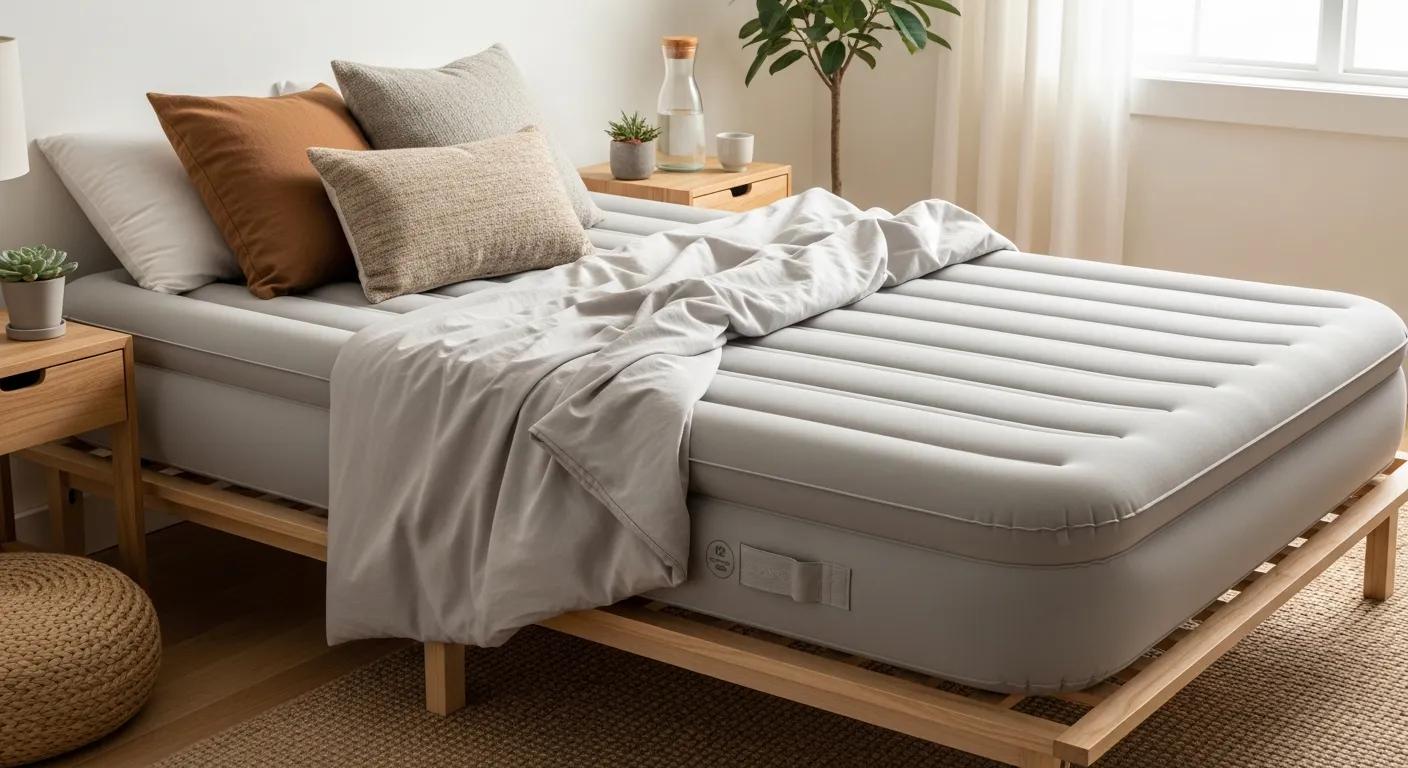
For Aussie households, the ideal eco guest bed pairs a PVC‑free shell with an integrated low‑noise pump, adjustable firmness and a breathable, washable cover that copes with our climate and often compact living. A quiet, fast pump makes setup straightforward for guests; adjustable inflation lets you cater to different sleep preferences; and practical packability matters for homes that need easy storage. Prioritising these features balances comfort, sustainability and convenience for typical Aussie use cases.
Essential checklist for an eco‑conscious guest bed:
- PVC‑free construction: Reduces odour and improves recycling options.
- Integrated low‑noise pump: Makes setup quick and guest‑friendly.
- Adjustable firmness: Lets you fine‑tune support for different sleepers.
- Washable, breathable cover: Keeps the bed hygienic and comfortable in varied temperatures.
This checklist helps narrow choices before considering model types and sizes.
The table below compares common model categories and their typical use cases.
| Model category | Key feature | Best use‑case |
|---|---|---|
| Guest luxury | Integrated quiet pump & plush topper | Occasional guest room where hotel‑style comfort matters |
| Portable luxe | Lightweight TPU shell & compact pump | Urban homes need easy storage and fast setup |
| Camping‑lite | Reinforced recycled shell & manual/compact pump | Outdoor use where puncture resistance is essential |
What models and sizes might we offer in a luxury air mattress range?
When considering a luxury air mattress range, we focus on our core priorities: sustainably sourced textiles, thoughtful comfort and clear health credentials. You can expect options like a Guest Luxury model with a quiet integrated pump and organic topper for indoor use, a Portable Luxe option focused on compact storage and fast inflation for city living, and a Camping-Lite variant built from reinforced recycled TPU for outdoor durability. Sizes typically include single, double and king to suit common Aussie bedrooms and guest scenarios, with recommended use matched to each model’s durability and pack size.
How do integrated pumps and adjustable firmness improve the user experience?
Integrated pumps reduce setup friction — no separate equipment, consistent inflation and fast readiness for guests. Quiet electric pumps that reach full inflation in minutes cut disturbance, while adjustable valves or multi‑chamber systems let you fine‑tune firmness for spinal alignment and pressure relief. Adjustable firmness makes one mattress suitable for a wide range of body types and sleeping positions, meaning fewer compromises and less need for multiple beds. Here in Australia, it's a good idea to compare pump noise levels, inflation time and energy use when choosing a model for regular guest use.
These operational features lead naturally into durability and how construction extends a mattress’s useful life.
How does durability affect the longevity of PVC‑free air mattresses?
Durability affects long‑term value, reducing replacements and ensuring sustainable materials aren’t discarded prematurely. Robust construction — multi‑layer TPU, reinforced or welded seams, double‑welded edges and internal beam architecture — improves puncture resistance and structural integrity across repeated inflation cycles. Lightweight, travel‑focused designs trade portability for some durability, while heavier-duty builds tolerate frequent daily use. Understanding those trade‑offs helps you match a mattress to its intended role: occasional guest use, regular guests, or everyday sleeping.
Key durability features are summarised below.
| Construction feature | Characteristic | Longevity benefit |
|---|---|---|
| Multi‑layer TPU | Several bonded layers | Improved puncture resistance and longer service life |
| Reinforced seams | Welded or doubled seams | Less seam failure from repeated inflation |
| Internal beam architecture | Zoned support channels | Better shape retention and reduced shell stress |
What construction techniques ensure long‑lasting performance?
Look for welded rather than stitched seams, multi‑layer TPU shells, internal beam or coil supports and good quality valves that prevent slow leaks. Welded seams resist fatigue better than stitched joins, multi‑layer shells balance flexibility with strength, and reliable valves are crucial to avoiding slow deflation. Fitted covers add abrasion protection and reduce accidental damage during use and storage.
Checking for these details helps you choose a model with higher upfront resilience and a lower lifetime environmental cost.
How should you care for your eco‑friendly air mattress to maximise its lifespan?
Care is straightforward: use a washable breathable cover, avoid dragging the mattress across rough surfaces, store it in a cool, dry place and follow manufacturer cleaning guidance. Treat spills promptly with mild soap and water and avoid solvent cleaners that can harm TPU or textile treatments. For long storage, deflate and fold with a small residual air cushion to prevent sharp creases; keep the mattress in a breathable bag away from heat. These habits reduce punctures, preserve seals and extend comfort — which is better for both you and the planet.
Our commitment to quality means we provide clear care steps and support to help you get the most life from your purchase.
Where can you find reliable reviews and ratings for luxury eco‑friendly air mattresses?
When you're looking for reliable reviews, keep an eye out for a mix of long-term user feedback and expert comparisons that cover durability, off-gassing, comfort and pump performance over time. The best reviews will explain how they tested things and give you a good idea of real-world use. Customer stories are useful when they note lifespan, odour at unpacking and everyday use; expert reviews add objective numbers like inflation time, pump decibels and measured VOCs. Combining these perspectives gives you a rounded view of real performance versus marketing claims.
When checking reviews, it's good to prioritise:
- Information about VOCs and emissions.
- Long‑term user reviews report performance over months or years.
- Expert comparisons benchmarking comfort, pump noise and build quality.
Those sources together make interpreting testimonials and test results much easier when choosing a model.
What do customer testimonials reveal about comfort and sustainability?
Customer testimonials often highlight practical points: how long a mattress keeps its shape, whether there was a strong scent on unpacking, how simple the setup was and how it compares in comfort to a conventional bed. Repeated reports of lasting shape and reliable inflation indicate solid construction; frequent notes about persistent odour can signal VOC issues. Comments about packaging, recycling options or take‑back schemes also show how seriously a brand takes end‑of‑life responsibility. Look for specific, measurable statements rather than vague praise when evaluating reviews.
Using those real‑world insights alongside expert tests gives a clearer picture of long‑term satisfaction and sustainability.
How do expert reviews compare eco‑friendly air mattress options?
Expert opinions often highlight durability (like how well they handle repeated inflation), off‑gassing, comfort under load, pump efficiency and puncture resistance. These insights offer objective comparisons, but it's always good to weigh them against your own priorities — for example, a camping mattress will focus on puncture resistance while a guest luxury model focuses on low odour and comfort. The best purchase decisions combine material credentials, construction features and verified performance data to match sleep quality and environmental outcomes to your needs.
Choosing the right eco‑friendly luxury air mattress is about integrating tested performance, material transparency and the features you value most.
Frequently Asked Questions
What is the expected lifespan of a luxury eco‑friendly air mattress?
Life expectancy depends on materials, construction, and how you use and store the mattress. With proper care and a durable build (multi‑layer TPU, welded seams), most higher‑end eco inflatables can last around 5–10 years for occasional use. Daily use can shorten that span unless the model is explicitly designed for everyday sleeping. Regular maintenance, careful storage and using a protective cover all help extend lifespan.
Are luxury eco‑friendly air mattresses suitable for everyday use?
Some are — but it depends on the model. Many luxury eco inflatables are optimised for guest use, while a smaller number are built with reinforced shells, multi‑chamber support and stronger valves that can handle regular use. If you want an air mattress for nightly sleeping, choose a model designed for daily use with clear durability specs.
How do I clean and maintain an eco‑friendly air mattress?
Clean with a mild soap solution and a soft cloth; avoid harsh solvents that can degrade TPU and textile finishes. Use a washable cover to protect against spills and allergens, air the mattress periodically, and store it deflated (with a small air cushion to avoid creases) in a cool, dry place. Follow the manufacturer’s care recommendations to preserve materials and seals.
What should I consider when choosing the right size?
Think about the space you have, how many guests you usually host and how often the mattress will be used. Single, double and king sizes cover most Aussie needs — a single is ideal for spare rooms or children’s sleepovers, a double for couples or shared guest rooms, and a king for maximum guest comfort if space allows. Also consider storage size and packability when space is limited.
Can I recycle my old air mattress, and how do I do it?
Recycling depends on the materials. PVC‑free mattresses (for example, TPU or those with recycled components) are more likely to be accepted by specialist recycling centres. Check local recycling guidelines and ask manufacturers about take‑back schemes. If a brand offers a return or recycling programme, that’s often the easiest route. Ensure the mattress is clean before recycling to simplify processing.
What are the environmental benefits of choosing a luxury eco‑friendly air mattress?
Choosing a PVC‑free, recycled or responsibly sourced mattress reduces reliance on harmful materials, lowers potential VOC emissions and can reduce embodied carbon compared with virgin plastics. Durable construction means fewer replacements, and recycled textiles divert waste from landfills. Overall, the right choices reduce both immediate indoor air risks and long‑term environmental impact.
