





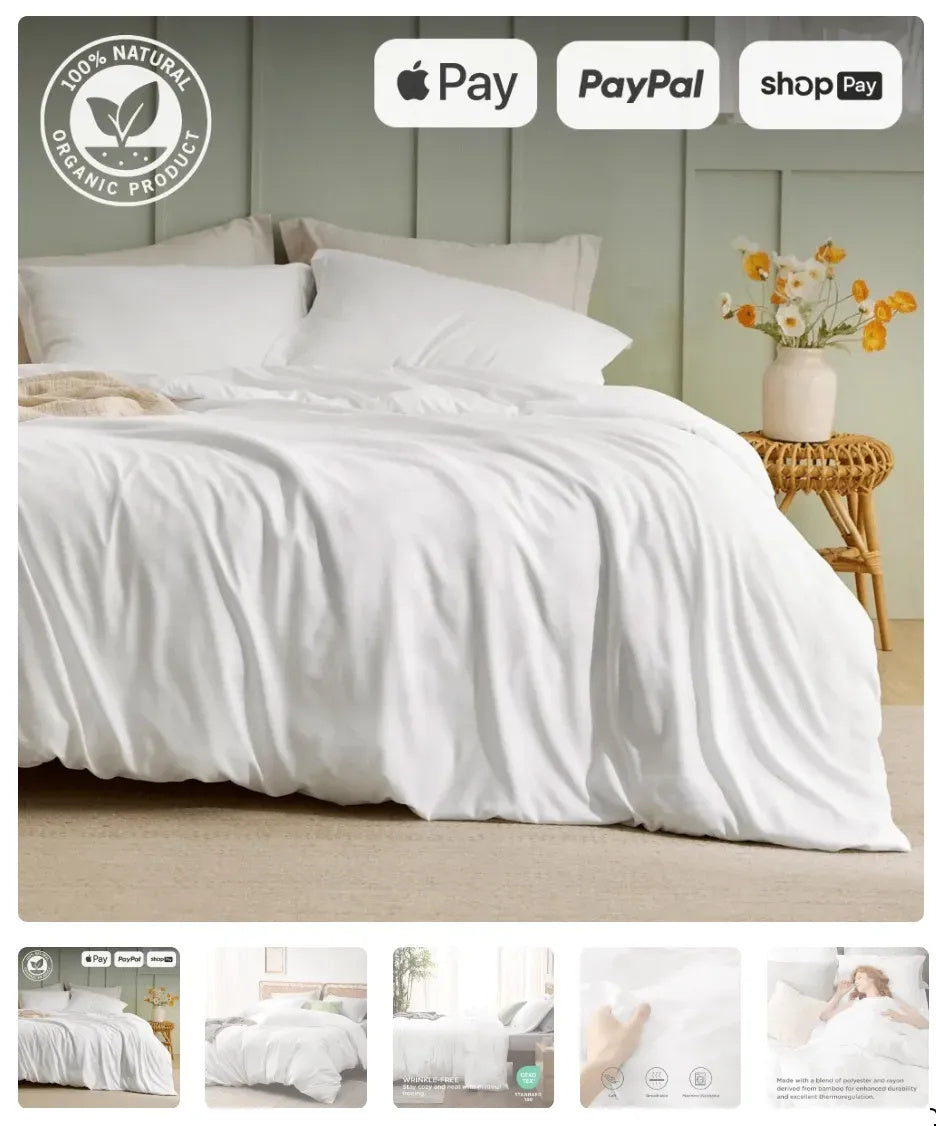
Why Bamboo Bedding Hypoallergenic Sheets Are Ideal for Sensitive Skin and Australian Allergy Sufferers
By Zac Adore, Adorearth
Bamboo bedding has gained popularity for its unique properties, making it particularly suitable for individuals with sensitive skin and those suffering from allergies. Unlike traditional materials, bamboo sheets offer exceptional benefits such as hypoallergenic and antimicrobial features, which are essential for creating a comfortable and healthy sleeping environment. Many people—especially in Australia, where allergies are prevalent—struggle to find bedding that alleviates discomfort and irritation. The solution lies in "bamboo, a fabric" that not only provides breathability and moisture-wicking capabilities but also excels as an eco-friendly choice. This article will explore the inherent properties of bamboo fabric, its effectiveness for allergy and eczema symptom relief, the comparison with other materials, and how to care for bamboo bedding to maintain its hypoallergenic qualities.
What Are the Natural Properties of Bamboo Fabric That Benefit Sensitive Skin?
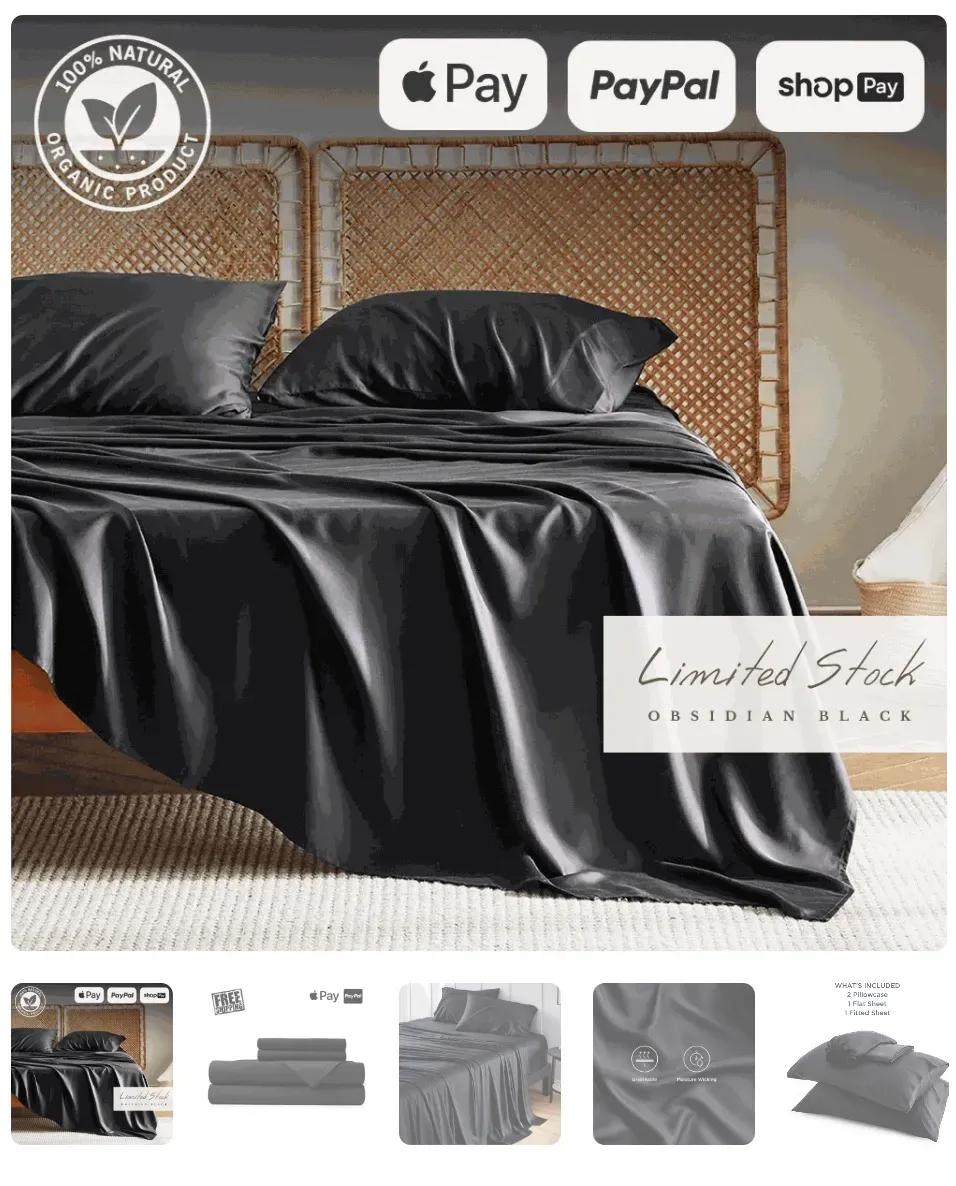
Bamboo fabric is renowned for its natural properties that cater to individuals with sensitive skin. Its remarkable moisture-wicking ability allows it to absorb moisture away from the skin, ensuring a dry sleeping surface. Additionally, bamboo is inherently antimicrobial, which helps to prevent the growth of bacteria, dust mites, and other allergens that can cause skin irritation. These features collectively contribute to a more restful sleep experience for those with sensitivities or allergic reactions.
How Do Bamboo’s Antimicrobial and Hypoallergenic Features Reduce Skin Irritation?
The antimicrobial properties of bamboo fabric actively reduce the presence of bacteria, which can exacerbate skin irritation. By warding off common allergens such as dust mites, bamboo bedding is particularly effective for individuals suffering from allergies or eczema. Furthermore, as bamboo fabric is "hypoallergenic, it minimises" the risk of allergic reactions, providing a gentle and soothing option for sensitive skin. This combination of features ensures a peaceful night without the discomfort of common irritants.
Why Is Bamboo Bedding Moisture-Wicking and Breathable for Allergy Resistance?
Bamboo bedding excels in moisture management and breathability, making it ideal for allergy resistance. The structure of bamboo fibres creates channels that facilitate airflow, helping to regulate temperature and dissipate heat during sleep. This breathability not only keeps the body dry but also discourages mold and mildew growth, which can trigger allergy symptoms. Compared to traditional bedding materials, bamboo offers superior moisture-wicking, allowing for a fresh and clean environment conducive to restful sleep.
How Does Bamboo Bedding Help Alleviate Allergies and Eczema Symptoms?
Bamboo bedding serves as a powerful ally in the battle against allergies and eczema, providing relief through its unique properties. The softness of bamboo fabric reduces friction against the skin, which is crucial for those prone to irritation from rougher materials. Additionally, the ability of bamboo to wick moisture away and its natural resistance to mold and dust mites significantly enhances comfort for individuals with skin conditions.
In What Ways Is Bamboo Bedding Effective for Dust Mite Allergy and Sensitive Skin?
Bamboo’s natural resistance to dust mites makes it an excellent choice for allergy sufferers. Studies indicate that using "bamboo bedding" can lead to a notable reduction in allergen exposure, promoting a healthier sleeping environment. This is especially beneficial for those with dust mite allergies, alleviating symptoms like sneezing and stuffy noses. The result is a more comfortable, irritation-free sleeping experience, combining the softness and breathability of bamboo with its hypoallergenic benefits.
What Clinical Evidence Supports Bamboo Bedding Use in Australian Allergy Contexts?
Research has shown that bamboo bedding can significantly improve sleep quality for allergy sufferers, particularly in Australia. Various studies highlight the benefits of bamboo fabric, citing its hypoallergenic properties and effectiveness in reducing allergy symptoms among users. Expert endorsements further affirm bamboo’s suitability for individuals dealing with allergy-related issues, positioning it as a valuable option for effective bedding solutions.
Why Choose Bamboo Bedding Over Cotton or Synthetic Fabrics for Allergy Resistance?
When it comes to choosing bedding, bamboo outshines both cotton and synthetic alternatives in several key areas relevant to allergy resistance. While cotton can absorb moisture, it often lacks the inherent antimicrobial properties of bamboo. Synthetic fabrics, on the other hand, may trap heat and moisture, creating an environment conducive to allergens. In contrast, bamboo’s natural benefits position it as a superior choice for sensitive individuals seeking comfort and cleanliness.
How Do Bamboo Sheets Compare with Cotton and Microfiber for Allergy Sufferers?
Material |
Features |
Allergy Resistance Level |
|---|---|---|
Bamboo |
Hypoallergenic, moisture-wicking, breathable |
High |
Cotton |
Absorbent, soft but less moisture management |
Medium |
Microfiber |
Tight fibres trap heat and moisture |
Low |
This comparison indicates that bamboo sheets provide not only comfort but also a substantially higher level of allergy resistance compared to cotton and synthetic options, making them ideal for sensitive skin.
What Makes Bamboo Bedding More Sustainable and Chemical-Free for Sensitive Skin?

Bamboo production is known for its sustainability, requiring less water and fewer pesticides compared to traditional cotton farming. This environmental advantage translates into bedding that is safer for sensitive skin, as it is chemical-free and free from harmful residues. Sustainable practices in bamboo cultivation ensure that consumers can choose bedding that not only promotes personal health but also protects the planet.
How Should You Care for Bamboo Bedding to Maintain Its Hypoallergenic Qualities?
To maintain the hypoallergenic properties of bamboo bedding, proper care and maintenance are essential. Following recommended washing techniques preserves the integrity of the fabric over time, ensuring that its natural benefits remain intact.
What Are the Best Washing and Maintenance Practices for Bamboo Bed Linens?
For optimum care, bamboo bed linens should be washed in cold or lukewarm water using a gentle detergent. Avoiding bleach and fabric softeners helps maintain the fibres' integrity, while air drying is preferable to extend the lifespan of the bedding. Regular washing every 7-10 days is recommended to keep allergens at bay and improve the longevity of the fabric.
How Does Proper Care Preserve Bamboo Bedding’s Allergy-Resistant Properties?
Proper maintenance practices significantly impact the allergy-resistant qualities of bamboo bedding. Neglecting care can lead to the buildup of allergens, compromising the fabric’s performance. By adhering to washing guidelines and minimising exposure to harsh chemicals, the essential properties of bamboo are preserved, enhancing its effectiveness as a bedding choice for allergy sufferers.
