




Top Mattress Protector Materials for Business
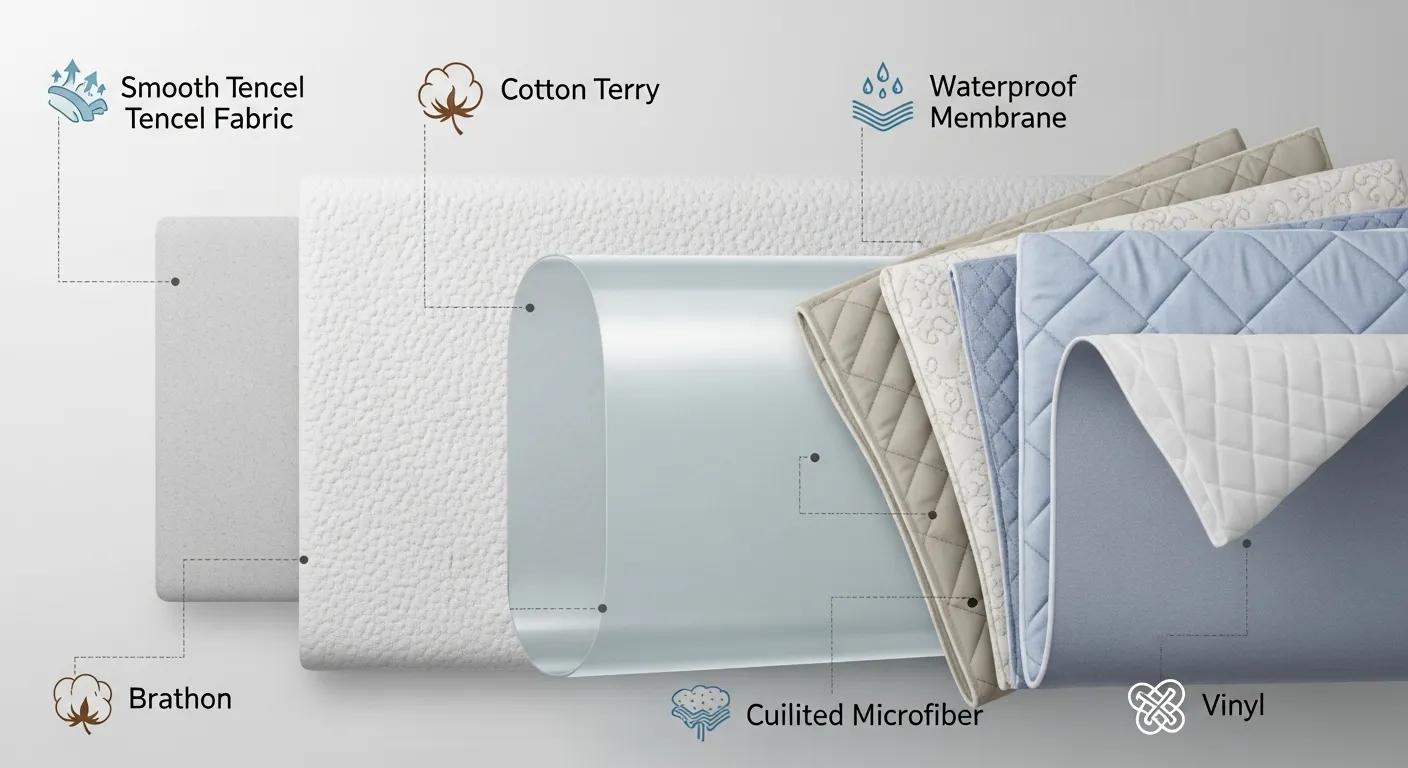
Selecting the appropriate mattress protector is essential to preserve mattress lifespan and hygiene in commercial operations. Understanding material characteristics enables businesses to make informed procurement decisions that align with sustainability objectives. This article examines leading protector materials with emphasis on durability, environmental performance, and commercial benefits. We address organic alternatives, waterproof technologies, hypoallergenic features, and maintenance requirements to support reliable, long‑term investment decisions.
To support sustainability initiatives, Adorearth offers eco‑friendly mattress protectors engineered for commercial requirements.
Which Organic Mattress Protector Materials Offer Superior Durability and Sustainability?
Organic mattress protectors are increasingly adopted for their environmental advantages and durability. The materials below are notable for sustainable performance:
- Organic Cotton: GOTS-certified organic cotton is grown without synthetic pesticides, making it a safe choice for both users and the environment. Its natural breathability and softness enhance comfort while ensuring durability through frequent washing.
- Bamboo: Bamboo mattress protectors are biodegradable and possess natural antibacterial properties. This material allows for excellent airflow, keeping the sleeping surface cool and dry.
- Thermoplastic Polyurethane (TPU): TPU is a PVC-free material that offers strong puncture resistance and is highly durable. It is an excellent choice for those seeking a waterproof option without compromising on sustainability.
These materials provide effective protection and align with eco‑conscious commercial projects, making them suitable for businesses focused on sustainability.
What Are the Benefits of Organic Cotton Mattress Protectors in Commercial Settings?
Organic cotton mattress protectors offer measurable advantages in commercial environments. Their hypoallergenic properties minimize skin irritation for sensitive guests. The sustainable production of organic cotton reduces chemical exposure for staff and patrons, supporting a healthier indoor environment. Durable construction tolerates repeated laundering, making these protectors practical for hotels and similar facilities. Investment in organic cotton can enhance customer satisfaction while supporting eco‑friendly practices.
How Do Bamboo Fibre Mattress Protectors Combine Breathability and Eco-Friendliness?
Bamboo fiber mattress protectors combine breathability with environmental benefits. Natural fibers promote airflow to regulate temperature and moisture. The material's moisture‑wicking properties help keep the surface dry and comfortable. Bamboo also offers inherent resistance to common allergens, making it appropriate for guests with sensitivities. Selecting bamboo protectors enables businesses to provide comfortable sleeping surfaces while supporting sustainability goals.
How Do Waterproof Mattress Protector Fabrics Enhance Commercial Mattress Protection?
Waterproof mattress protector fabrics are critical for maintaining mattress hygiene in commercial settings. They prevent liquid ingress that can cause mold and mildew, thereby extending mattress service life. Waterproof protectors also form a barrier against dust mites and other allergens. The resulting improvements in cleanliness and durability represent a sound investment for hotels, hospitals, and similar facilities.
What Waterproof Technologies Are Used in Commercial Mattress Protectors?
Commercial protectors employ several advanced waterproof technologies to improve performance:
- Breathable Polyurethane Membrane: This technology allows air to circulate while preventing liquids from penetrating, ensuring comfort without compromising protection.
- Silent Design: Many modern protectors feature a silent design that eliminates crinkling sounds, providing a more restful sleep experience.
- Bonded to Bamboo Viscose Fabric: This combination enhances the overall comfort and performance of the protector, making it an ideal choice for high-end commercial applications.
Scientific principles explain how breathable polyurethane membranes deliver both barrier protection and vapor transmission to preserve comfort.
Breathable Polyurethane Membranes for Waterproof Textiles
This analysis highlights how breathable coatings and films form continuous polymer layers over a textile substrate to block liquids while permitting water vapor transmission. Such membranes provide a balance of protection and comfort for textile applications.
Breathable polyurethane membranes for textile and related industries, 2007
These technologies enable businesses to provide customers with a hygienic and comfortable sleeping environment.
How Does Breathability Affect Waterproof Mattress Protector Performance?
Breathability is a key determinant of waterproof protector performance. Breathable fabrics improve cooling and temperature regulation, which is important in commercial settings where guest comfort is a priority. Maintaining a comfortable sleeping environment supports customer satisfaction and encourages repeat visits.
What Are the Advantages of Hypoallergenic Mattress Protector Types for Commercial Environments?
Hypoallergenic mattress protectors yield several advantages in commercial environments:
- Limits Exposure to Common Allergens: These protectors help reduce exposure to dust mites, mould, and other allergens, creating a healthier sleeping environment.
- Inhibits Growth of Bacteria and Mould: The materials used in hypoallergenic protectors are designed to inhibit the growth of harmful microorganisms, further enhancing hygiene.
- Promotes Restful Sleep: By providing a sanctuary free from irritants, hypoallergenic protectors contribute to better sleep quality for guests.
Investing in hypoallergenic protectors can materially improve the customer experience, particularly in hospitality and healthcare facilities.
Which Materials Provide Effective Allergen Resistance?
The following materials offer effective allergen resistance and are suitable for hypoallergenic protectors:
- Bamboo: Offers excellent resistance to dust mites, making it a popular choice for allergy sufferers.
- Wool: Helps regulate temperature and is naturally resistant to mould and dust mites, providing a comfortable sleeping surface.
- Silk: Known for its hypoallergenic properties, silk is gentle on the skin and helps prevent allergic reactions.
These materials improve comfort and contribute to a healthier sleeping environment, making them appropriate for commercial use.
How Do Hypoallergenic Properties Improve Customer Satisfaction?
Hypoallergenic properties enhance customer satisfaction by reducing exposure to irritants and lowering the risk of allergic reactions or skin irritation. These protectors are gentle on the skin and appeal to guests who prioritize health and environmental responsibility. Offering hypoallergenic options allows businesses to serve a broader client base and to improve overall guest experience.
How Do Eco-Friendly Mattress Protector Fabrics Contribute to Sustainability Certifications?
Eco‑friendly protector fabrics are central to obtaining sustainability certifications. To qualify for standards such as OEKO‑TEX and GOTS, materials must be free from harmful substances and produced through environmentally responsible processes. Certifications provide customers with assurance of product safety and can strengthen a brand's reputation for sustainability. Investing in eco‑friendly protectors signals a demonstrable commitment to environmental performance and attracts eco‑conscious consumers.
Textile certifications are central to verifying sustainability claims and guiding material selection.
Textile Certifications for Sustainable Material Selection
This discussion emphasises how material selection is increasingly governed by a growing set of textile certifications. Such certifications seek to codify and verify sustainability claims within an industry that has historically lacked transparency.
How Do Textile Certifications Influence Material Selection?
What Are Key Sustainability Standards for Mattress Protector Materials?
When selecting protector materials, businesses should evaluate these core sustainability standards:
- Eco-Certified Materials: Look for materials that have been certified by recognised organisations to ensure they meet environmental criteria.
- Important Certifications: Certifications such as OEKO-TEX and GOTS indicate that the materials are safe and sustainably produced.
- Recycled Materials: Using recycled materials can significantly reduce environmental impact, making them a responsible choice for businesses.
Adhering to these standards ensures companies make environmentally responsible choices that appeal to customers.
How Do Recycled Polyester Mattress Protectors Meet Environmental Criteria?
Recycled polyester protectors are a strong option for businesses aiming to meet environmental criteria. These protectors are made from eco‑certified materials, produced with processes that minimize environmental impact. Their durable design extends product life and reduces waste. Choosing recycled polyester supports a circular economy while delivering reliable mattress protection.
What Are the Maintenance and Longevity Considerations for Commercial Mattress Protector Materials?
Proper maintenance is essential to preserve protector performance and longevity. Businesses should consider the following factors:
- Choose Durable Materials: Selecting high-quality materials can significantly extend the lifespan of mattress protectors.
- Regular Maintenance: Implementing a regular cleaning schedule helps maintain hygiene and prolongs the life of the protectors.
- Thickness Affects Comfort and Protection: Thicker protectors may offer better protection but can also affect comfort levels, so finding the right balance is crucial.
Prioritizing maintenance and durability allows businesses to maximize the return on investment in mattress protectors.
How Should Different Mattress Protector Fabrics Be Maintained for Durability?
Proper maintenance ensures fabric durability. Key recommendations follow:
- Regular Washing: Mattress protectors should be washed regularly to remove allergens and maintain hygiene.
- Avoid Harsh Chemicals: Using gentle detergents helps preserve the integrity of the materials.
- Inspect for Damage Regularly: Regular inspections can help identify any wear and tear, allowing for timely repairs or replacements.
Following these practices helps businesses keep protectors effective and durable.
What Is the Expected Lifespan of Various Mattress Protector Materials in Commercial Use?
Expected lifespan varies by material quality and usage. High‑quality protectors commonly last between 2 and 10 years in commercial settings, depending on laundering frequency and overall care. Material selection strongly influences durability; organic and eco‑friendly options can offer extended service life when maintained correctly. Appropriate care further extends useful lifespan, making protectors a cost‑effective investment.
Different materials deliver distinct benefits for commercial needs. Understanding properties enables informed procurement decisions that enhance customer satisfaction while supporting sustainability objectives.
Frequently Asked Questions
What factors should businesses consider when choosing mattress protectors?
Businesses should evaluate durability, hypoallergenic performance, and environmental credentials. Assess laundering tolerance, the protector's ability to block allergens and moisture, and the impact on guest comfort. Finally, review maintenance needs and expected service life to select a cost‑effective, sustainable solution.
How can businesses ensure the effectiveness of their mattress protectors?
Maintain a regular cleaning schedule, choose high‑quality materials designed to resist allergens and moisture, perform routine inspections for wear, and train staff on correct care procedures. These measures preserve performance and ensure a comfortable sleeping environment.
Are there specific certifications to look for in mattress protectors?
Yes. Seek certifications such as OEKO‑TEX and GOTS, which indicate materials are free from harmful substances and produced through responsible processes. Certifications also support a brand's sustainability credentials and customer trust.
What are the environmental benefits of using recycled materials in mattress protectors?
Using recycled materials reduces environmental impact by diverting waste and conserving resources. Recycled polyester, for example, lowers demand for virgin materials and often meets eco‑certification standards. Selecting recycled options contributes to a circular economy while providing durable products.
How do mattress protector materials impact sleep quality?
Protector materials influence sleep quality through breathability, moisture management, and allergen control. Breathable textiles such as bamboo and organic cotton improve airflow and temperature regulation. Hypoallergenic materials reduce allergen exposure. Waterproof technologies protect against spills and stains, maintaining a clean sleep surface.
What maintenance practices can extend the lifespan of mattress protectors?
Extend lifespan by washing regularly with gentle detergents, avoiding harsh chemicals, inspecting for damage, and following the manufacturer's care instructions. These practices preserve material integrity, hygiene, and long‑term performance.
