





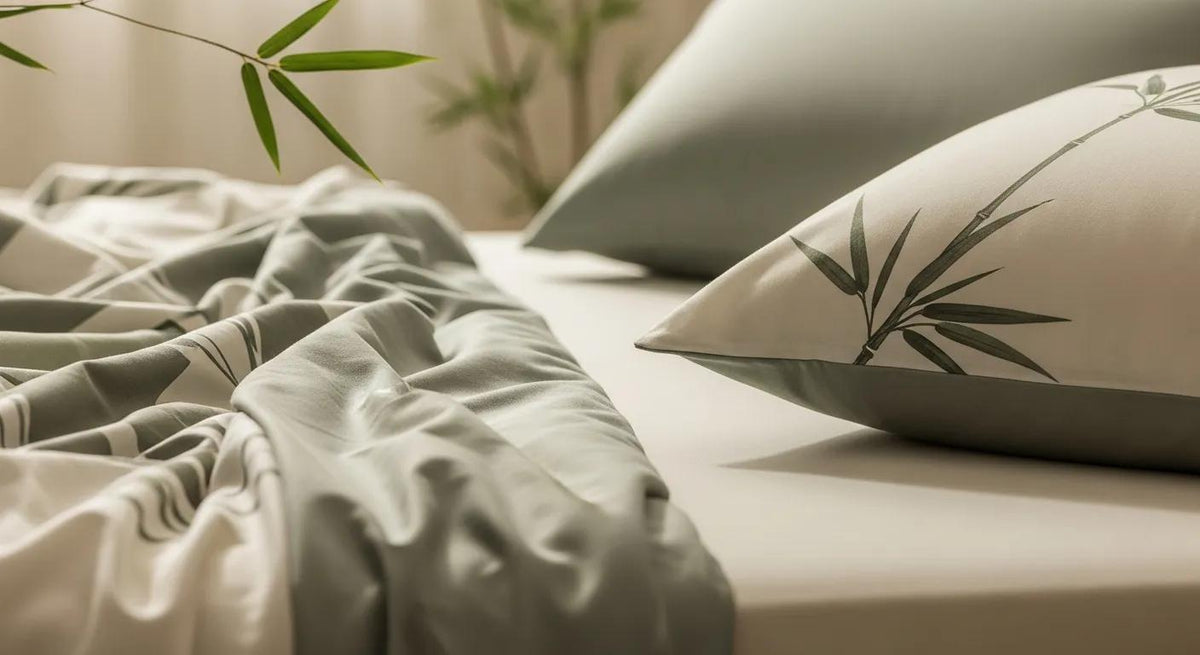
Bamboo bedding has attracted attention for its health and sustainability advantages. This article outlines its hypoallergenic properties, breathability and comfort. As more households adopt eco-friendly products, a clear understanding of bamboo bedding’s benefits is necessary. Many people experience allergies, discomfort and poor sleep quality; bamboo bedding can address these issues. The guide covers health benefits, sustainability considerations and care practices to inform purchasing decisions.
What Are the Key Health Benefits of Bamboo Bedding?
Bamboo bedding provides distinct health benefits that appeal to many buyers. Its hypoallergenic and antibacterial attributes, together with moisture management, support a cleaner sleep environment. These characteristics improve comfort and can contribute to better sleep quality.
How Does Bamboo Bedding Support Hypoallergenic Sleep Environments?
Bamboo bedding is naturally hypoallergenic and therefore less likely to provoke allergic reactions than some conventional materials. The fibres are smooth and round, which reduces skin irritation. Bamboo also exhibits antibacterial properties that limit dust-mite proliferation and other allergens, supporting a cleaner sleeping surface for those with sensitivities.
Scientific research supports these observations, highlighting the protective qualities of bamboo fibres.
Bamboo Fiber: Antibacterial & Hypoallergenic
Bamboo fibre naturally possesses antibacterial, hypoallergenic and deodorising properties. These characteristics have been identified in scientific studies conducted by multiple research teams.
Bamboo fiber antibacterial effect (a review), EA Raru, 2021
In What Ways Does Bamboo Bedding Enhance Breathability and Comfort?
Bamboo bedding is valued for breathability, which helps maintain a stable sleep temperature. The natural fibres permit effective air circulation and assist temperature regulation overnight. Bamboo’s moisture-wicking action removes perspiration from the skin, keeping the sleeper dry and comfortable. This combination reduces the risk of overheating and supports uninterrupted rest.
Research further documents bamboo’s capacity to regulate temperature and manage moisture.
Bamboo Sheets: Breathable & Moisture-Wicking
Viscose, also called rayon, is a fabric made from the cellulose of bamboo and other plant materials. Similar to linen, bamboo sheets are breathable and exhibit moisture-wicking properties.
The Story of Sleep: From A to Zzzz, 2023
Why Is Bamboo Bedding Considered an Eco-Friendly and Sustainable Choice?
Bamboo bedding delivers environmental benefits as well as health advantages. Bamboo is a fast-growing resource that typically requires minimal inputs to cultivate. This section examines the ecological strengths of bamboo materials and how they compare with conventional textiles.
What Environmental Advantages Do Bamboo Bedding Materials Offer?
Bamboo materials present several environmental advantages, including rapid growth and low resource requirements. Bamboo can grow up to three feet in a single day, making it one of the fastest-growing plants. It generally needs less water and few or no pesticides, which reduces environmental impact. Cultivation of bamboo can also support soil health and carbon sequestration, making it a sustainable option for eco-conscious purchasers.
How Does Bamboo Bedding Compare to Traditional Bedding Fabrics in Sustainability?
Compared with traditional fabrics, bamboo bedding is notable for its sustainability profile. Conventional cotton production often relies on substantial pesticide use and high water consumption. Bamboo typically requires fewer resources and is biodegradable. This makes bamboo bedding an effective option for those seeking to reduce their environmental footprint while maintaining product quality.
How Does Bamboo Bedding Improve Sleep Quality and Overall Wellbeing?
Bamboo bedding contributes to improved sleep quality and general wellbeing through its functional properties. It enhances comfort and creates a healthier sleep environment. The following sections explain how bamboo assists temperature control and reduces exposure to allergens, resulting in better sleep outcomes.
What Role Does Bamboo Bedding Play in Temperature Regulation During Sleep?
Bamboo bedding supports temperature regulation because of its breathable construction. The fibres allow air to circulate and disperse heat, helping to maintain a comfortable sleeping temperature. This is particularly beneficial for individuals who overheat at night. Moisture-wicking properties further keep the sleeper dry and promote uninterrupted rest.
Can Bamboo Bedding Reduce Allergies and Skin Irritations?
Bamboo bedding can reduce allergies and skin irritation. Its hypoallergenic nature decreases the likelihood of allergic responses. Antibacterial qualities inhibit dust mites and other allergens. Many users report fewer skin irritations and greater comfort after switching to bamboo, which makes it a suitable option for those with sensitive skin or respiratory concerns.
What Are the Advantages of Bamboo Bedding in Commercial Fit-Out Projects?
Bamboo bedding is increasingly adopted in commercial fit-outs for its sustainability credentials and health advantages. The material supports guest comfort while aligning with environmental objectives. Below are examples of how bamboo performs in commercial environments.
How Is Bamboo Bedding Integrated into Sustainable Commercial Interiors?
Bamboo bedding integrates readily into sustainable commercial interiors, offering both aesthetic and health benefits. Eco-friendly hotels and wellness centres frequently select bamboo to enhance guest comfort and demonstrate environmental commitment. The material’s natural appearance and tactile qualities contribute to a calm, restorative ambience.
What Case Studies Demonstrate Bamboo Bedding’s Benefits in Commercial Settings?
Case studies highlight measurable benefits of bamboo bedding in commercial settings. For example, a boutique hotel that replaced conventional bedding with bamboo reported higher guest satisfaction and favourable comments on comfort and cleanliness. Wellness retreats using bamboo have noted improvements in guest experience and perceived health outcomes, illustrating practical advantages in applied settings.
How Should Bamboo Bedding Be Cared For to Maintain Its Health and Sustainability Benefits?
Appropriate care is necessary to preserve the health and sustainability benefits of bamboo bedding. The guidance below outlines recommended practices to maintain performance and extend product life.
What Are the Recommended Care Practices for Bamboo Bedding?
Wash bamboo bedding in cold water on a gentle cycle. Do not use harsh detergents or bleach, as these can damage the fibres. Use mild, eco-friendly detergents to protect the fabric’s integrity. Air drying is preferred to preserve softness and durability.
How Does Proper Maintenance Extend the Durability of Bamboo Bedding?
Following recommended maintenance extends the service life of bamboo bedding. Gentle washing and avoidance of high drying temperatures help preserve fibre structure and function. Proper care maintains hypoallergenic and moisture-wicking properties and supports long-term product performance.
Frequently Asked Questions
Is bamboo bedding suitable for all skin types?
Yes. Bamboo bedding is suitable for all skin types and is particularly appropriate for those with sensitive skin or allergies. Its hypoallergenic properties reduce the risk of irritation, and the smooth fibre texture minimises friction against the skin. Many users report fewer skin issues after transitioning to bamboo bedding.
How does bamboo bedding compare in price to traditional bedding?
Bamboo bedding is sometimes priced higher than conventional cotton or polyester due to its production process and material attributes. The higher initial cost is often offset by greater durability, sustained comfort and potential long-term value. For many purchasers, improved sleep quality and product longevity justify the investment.
Can bamboo bedding help with temperature regulation for hot sleepers?
Yes. Bamboo bedding benefits hot sleepers through superior breathability and effective moisture wicking. The natural fibres enable air circulation and aid heat dissipation, maintaining a more comfortable sleeping temperature and supporting improved sleep quality.
What certifications should I look for when purchasing bamboo bedding?
Look for recognised certifications that confirm safety and sustainability, such as OEKO-TEX Standard 100 or the Global Organic Textile Standard (GOTS). Certifications such as FSC indicate responsible sourcing of raw materials. These labels offer assurance regarding chemical safety and environmental practices.
How does the production of bamboo bedding impact the environment?
Production of bamboo bedding generally has a lower environmental impact than many traditional fabrics. Bamboo grows rapidly and typically requires minimal water, pesticides and fertilisers. Its cultivation can support soil health and carbon absorption. It is important, however, to choose suppliers that source bamboo responsibly to avoid deforestation and habitat loss.
Can bamboo bedding be used in all seasons?
Yes. Bamboo bedding is suitable for year-round use. Its breathable construction helps keep users cool in summer and comfortable in winter. Moisture-wicking properties maintain dryness and overall comfort regardless of season, making it a versatile bedding option.
General information only; this is not medical advice, and individual experiences vary.
