




Understanding Thread Counts and Fibre Quality in Bamboo Bedding
By Zac Adore, Adorearth
Bamboo bedding has gained popularity in recent years for its comfort, sustainability, and "hypoallergenic properties". However, not all bamboo sheets are created equal, and understanding the intricacies of thread counts and fibre quality is crucial for making informed choices. This article will guide you through the various aspects of bamboo bedding, including what thread count means, how to compare different sheets, and the unique benefits that higher thread counts can offer. We will also discuss the various types of bamboo fibres available and their impact on bedding quality.
By the end of this article, you will be equipped with knowledge about bamboo bedding’s benefits and the essential tips for caring for your sheets to ensure they last long while maintaining their luxurious feel.
What Is Thread Count and How Does It Affect Bamboo Bedding Comfort?
Thread count refers to the number of threads woven into a square inch of fabric. It is often seen as a metric for assessing the softness and durability of sheets. In bamboo bedding, a higher thread count typically means a softer and more comfortable product. However, "bamboo fibres", known for their natural properties, can provide comfort regardless of thread count. Understanding the nuances of thread count helps to choose sheets that not only feel good but also offer long-lasting durability compared to lower-quality alternatives.
Research indicates that the fineness of the individual yarn is a critical factor in how the final fabric interacts with the skin.
Understanding Yarn Count and Fabric Feel in Bamboo Bedding
as the yarn count is concerned, the samples from the fine yarn produce fabrics with better hand feel and drape, whereas coarser yarns result in bulkier textures, directly influencing the comfort perceptions of bamboo bedding consumers. Thermal Comforts Properties of Knitted Fabrics Produced from Bamboo Blended Yarns, 2020
How to Compare Bamboo Sheet Thread Counts for Softness and Durability
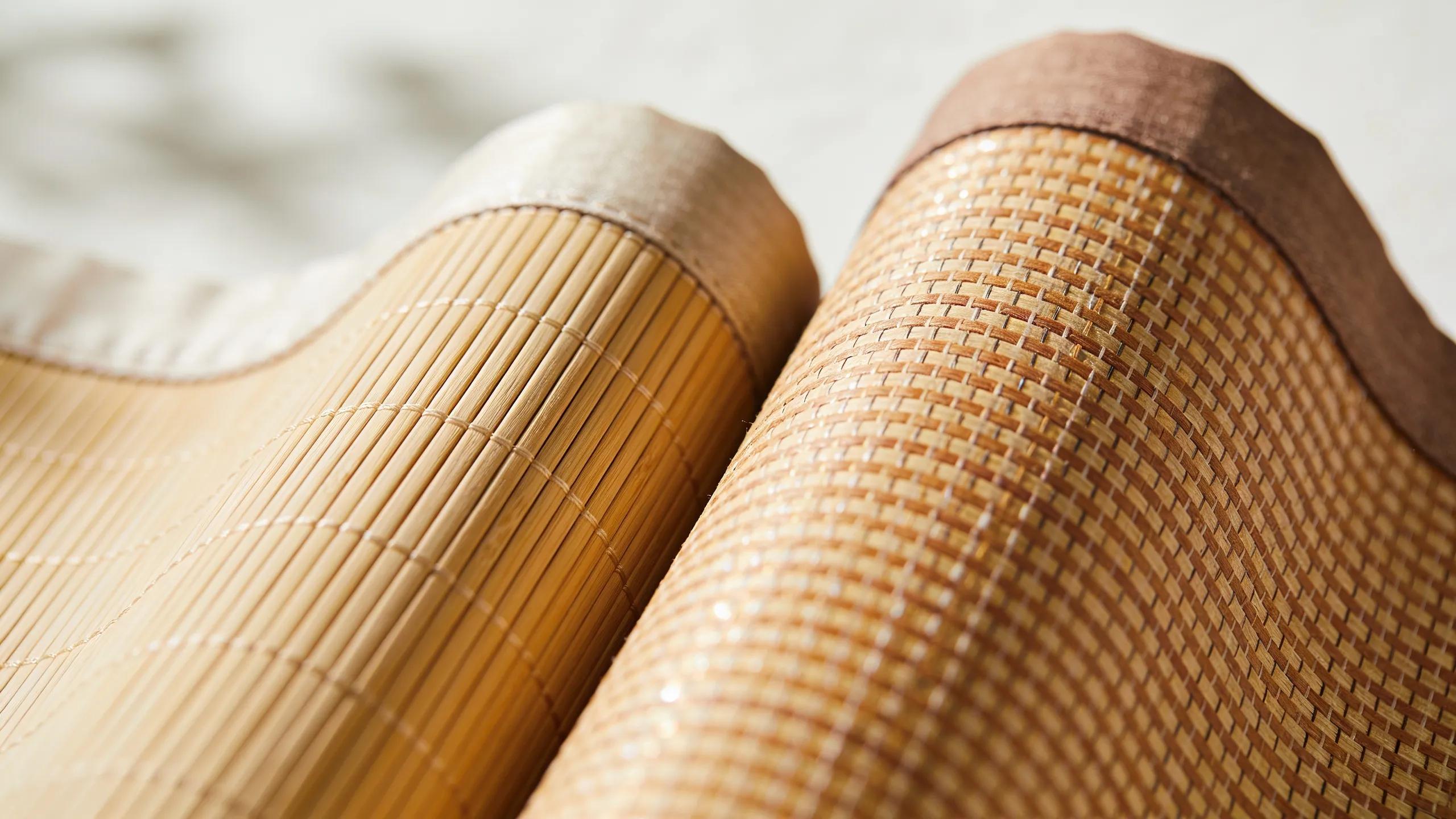
When comparing bamboo sheets, consider the following recommended thread count ranges, which balance softness and durability:
200-400 Thread Count: Suitable for softness and breathability, offering a silky feel for a good night's sleep.
400-600 Thread Count: This range enhances durability while maintaining comfort, suitable for regular use.
600+ Thread Count: While often perceived as the ultimate in luxury, it's important to ensure that higher counts do not compromise breathability.
Different thread counts can significantly impact the overall performance of the bedding in terms of soft feel and longevity.
Thread Count |
Softness Level |
Durability |
|---|---|---|
200-400 |
Medium |
Moderate |
400-600 |
Soft |
High |
600+ |
Very Soft |
High |
These metrics can guide consumers in making the right choice based on personal preferences.
Beyond thread count, the structural weave of the fabric plays a vital role in temperature regulation during sleep.
The Impact of Fabric Structure on Bamboo Bedding Comfort
Thermo-physiological comfort is influenced by multiple technical parameters, including yarn twist, yarn thickness, yarn count, weave/knit pattern, and finishing processes, which collectively determine how bedding materials regulate body heat and moisture. Inventory of the thermo-physiological behaviour of fabrics—A review, N Mölders, 2023
What Are the Benefits of High Thread Count Bamboo Sheets?
High thread count bamboo sheets offer several notable benefits:
Enhanced Comfort: With more threads, the fabric provides a smoother texture against the skin, enhancing sleep quality.
Increased Durability: Higher thread counts often mean a tighter weave, which can withstand more washes without wear over time.
Hypoallergenic Properties: Bamboo naturally repels allergens and is less likely to harbour dust mites and other irritants, making it ideal for sensitive individuals.
Emphasising these characteristics positions "bamboo sheets" as not only luxurious but also functional for everyday use.
The natural material structure of bamboo provides unique health advantages that differentiate it from other synthetic or plant-based bedding materials.
Why Bamboo Bedding is a Top Choice for Hypoallergenic Comfort
Antimicrobial activity of cotton fabric treated with bamboo fibres demonstrates significant benefits for sensitive skin, making bamboo fabrics hypoallergenic and perfect for those seeking sustainable and health-conscious home textile materials. Bamboo fibres: processing, properties and applications, 2022
Which Bamboo Fibre Types Impact the Quality of Organic Bedding?
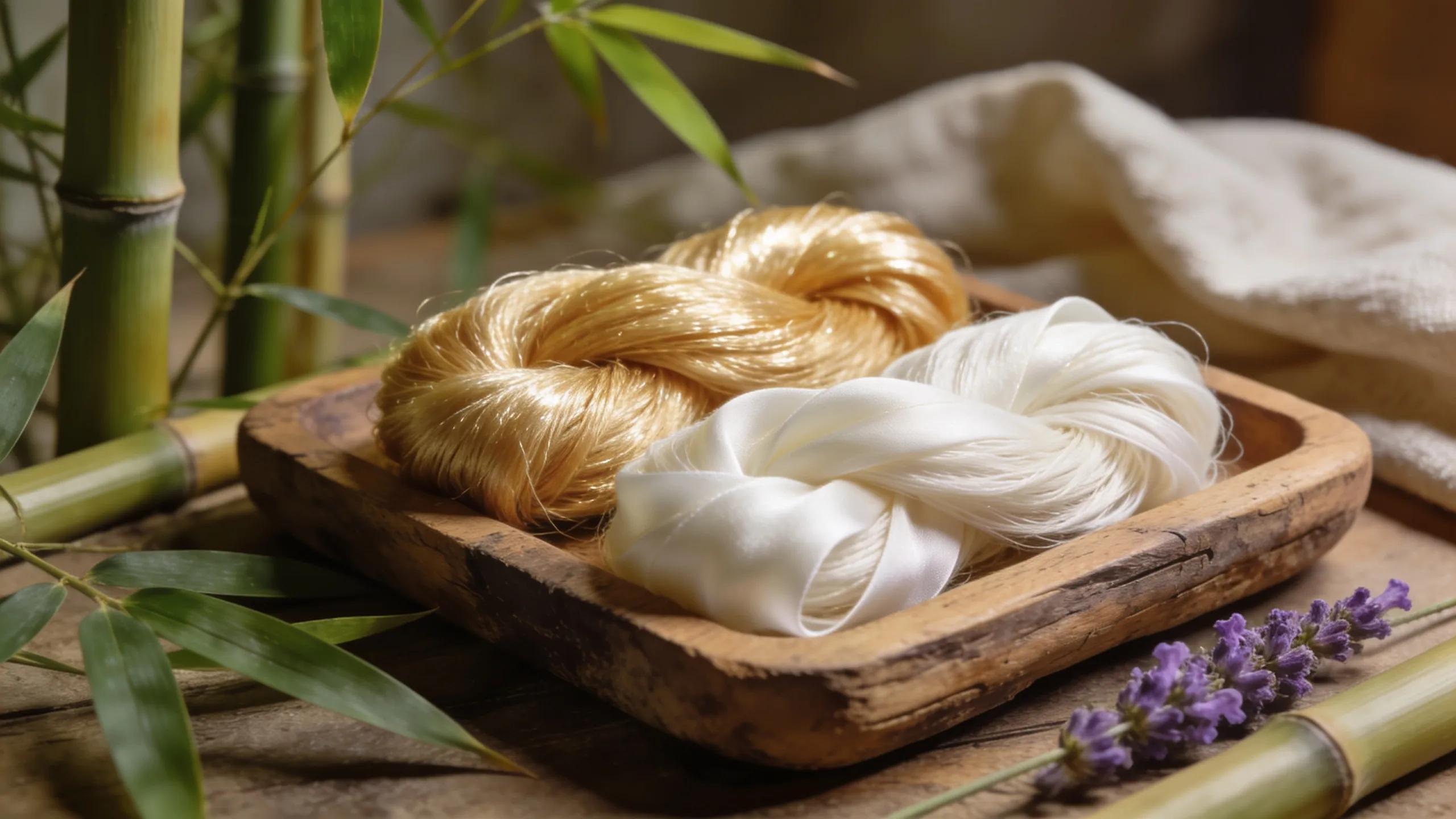
Bamboo fibre types play a critical role in determining the quality of organic bedding. The two most common types are viscose and lyocell. Understanding the differences in their production processes and benefits can aid consumers in making better bedding choices.
What Are the Differences Between Viscose and Lyocell Bamboo Fibres?
Viscose is produced through a chemical process that can be less environmentally friendly, while lyocell is made using a closed-loop process that recycles water and solvents. This makes lyocell more sustainable and often considered a higher-quality option. Viscose often provides softness but may lack some of the durability that lyocell offers.
How Do Fibre Types Influence Breathability and Bamboo Bedding Durability?
Fibre types directly affect the breathability and overall durability of bamboo bedding. Lyocell fibres are known for excellent moisture-wicking properties, keeping users cool and dry. Meanwhile, viscose can absorb moisture but may not retain its structural integrity after multiple washes. Understanding these differences can guide your selection based on personal sleep conditions or preferences.
How Does Bamboo Bedding Compare to Cotton in Thread Count and Fabric Quality?
When comparing bamboo against cotton, the debate often centres on quality metrics such as thread count and feel. Bamboo sheets can exceed cotton in softness and moisture-wicking abilities, making them an attractive alternative for consumers.
What Thread Count Is Best for Bamboo Versus Cotton Sheets?
For bamboo sheets, a thread count above 300 is generally recommended for optimal softness and durability. In comparison, cotton sheets typically require a higher thread count (over 400) to achieve similar softness due to the structural differences in fibres. This means bamboo can offer a competitive edge for comfort with a potentially lower thread count.
Why Choose Bamboo for Eco Friendly and Hypoallergenic Bedding?
Bamboo is a sustainable resource that requires minimal pesticides and water to grow, making it a more environmentally friendly option than conventional cotton. Additionally, bamboo fabric's hypoallergenic properties make it a suitable choice for allergy sufferers as it’s naturally resistant to pests and microbes, enhancing its appeal for eco-conscious consumers.
What Are Essential Tips for Caring for Bamboo Sheets to Maintain Quality?
To preserve the quality of your bamboo sheets, proper care is essential. Follow these maintenance tips:
Gentle Washing: Use cold water on a gentle cycle to minimise fabric wear.
Avoid Harsh Chemicals: Opt for mild detergents as bleach and fabric softeners can damage fibres.
Drying Techniques: Air dry or use low heat in a dryer to prevent shrinking.
How Does Proper Maintenance Preserve Bamboo Sheet Softness and Longevity?
Proper maintenance can significantly extend the lifespan of bamboo sheets while maintaining their softness. Being mindful of the washing method can prevent pilling and the degradation of fibres, allowing the sheets to remain cozy over time.
Which Sustainable Fabric Maintenance Practices Are Recommended for Bamboo?
Incorporating eco-friendly practices, such as line drying and using biodegradable detergents, aligns perfectly with the sustainable ethos of bamboo fabric. This not only helps maintain fabric quality but also minimises environmental impact, embodying a holistic approach to both bedding and laundry care.
