




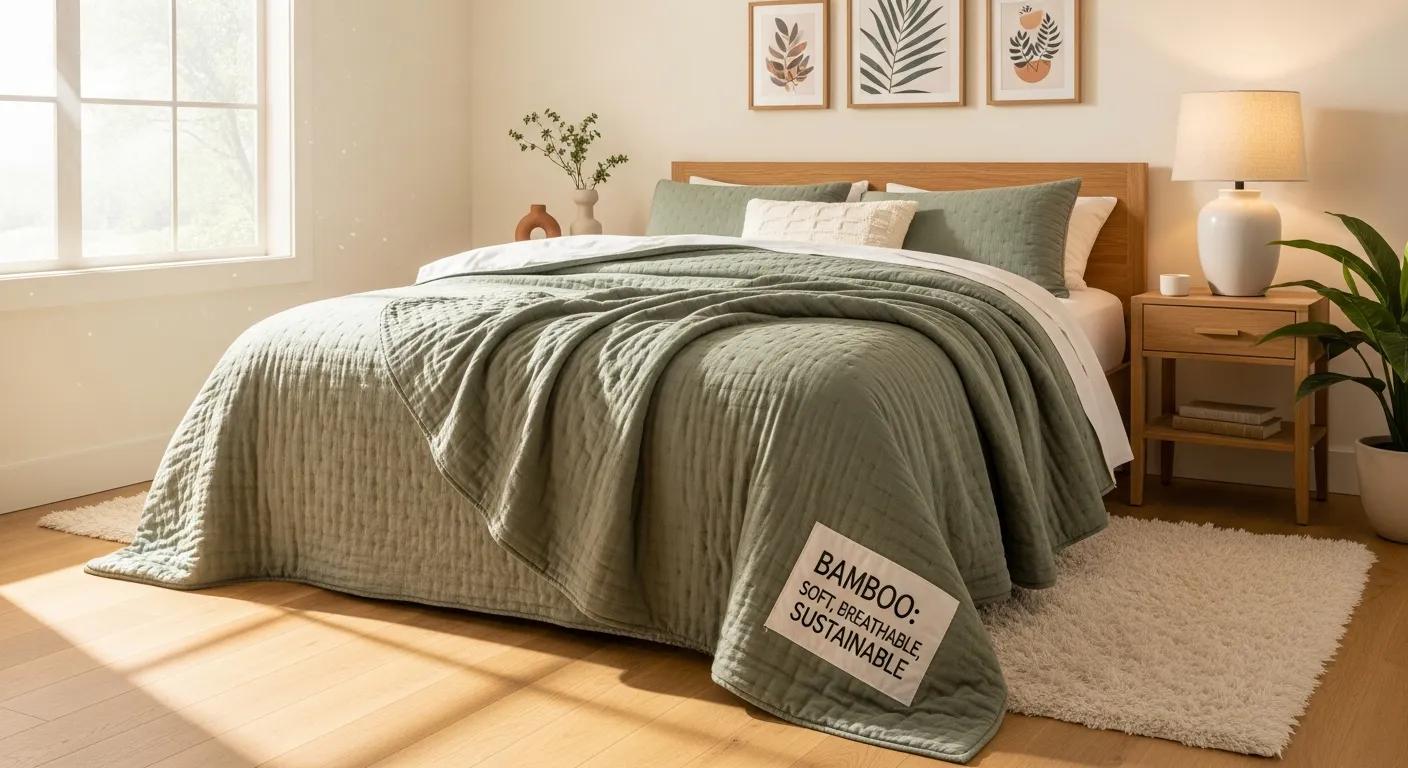
Bamboo quilt covers are breathable bedlinen made from viscose sourced from bamboo. They combine silky comfort, natural temperature control and allergy-friendly performance — qualities that suit many Australian sleepers. This guide breaks down why bamboo matters here: soft handfeel, thermoregulation, hypoallergenic advantages and environmental benefits — plus where to find well-made options locally. Whether you need bedding that stays cool in humid summers, wicks moisture on the coast or still feels cosy in drier inland winters, bamboo’s fibre structure and modern weaves address those needs. Read on to learn the core benefits, how to judge thread count and weave, practical care tips, how bamboo stacks up against cotton and blends, and where to buy responsibly sourced products. We reference Adore Earth as a local example of organic, sustainably sourced bamboo bedding featuring a Coolweave™ structure, hypoallergenic performance and customer-friendly policies. By the end, you’ll have a clear checklist for choosing a bamboo quilt cover that fits your climate, sleep habits and sustainability priorities.
What Are the Key Benefits of Bamboo Quilt Covers?
Bamboo quilt covers deliver several connected benefits thanks to their natural fibres and contemporary textile construction: outstanding softness, effective moisture management, lower allergen build-up and often a smaller environmental footprint than some conventional fibres. Bamboo viscose gives a silky feel and a natural drape that boosts sleeping comfort, while the fabric’s breathability helps wick moisture and lower humidity at the skin. When fabrics stay drier, bamboo’s structure can discourage dust‑mite colonisation and limit growth of some bacteria, making it a good choice for allergy‑conscious households and easier upkeep. Knowing these benefits helps you prioritise features — for example, weave and thread count — so the quilt cover you choose matches both comfort aims and local climate needs.
In everyday use, bamboo quilt covers offer clear practical advantages: less static, reduced pet-hair cling and sustained softness after repeated washes — all factors that lengthen the time between replacements and keep your bed feeling fresh. These real-world benefits raise sensible questions about how hypoallergenic claims work and how bamboo handles temperature across Australia’s varied climates.
Bamboo quilt covers often advertise antibacterial and hypoallergenic benefits, but the real effects come mainly from fibre breathability and moisture control rather than magic ingredients. The next section explains how those natural properties create health-related advantages in practice.
Bamboo quilt covers also help regulate body temperature — a feature that matters across Australia’s different climate zones. The following section looks at why temperature control matters for sleepers from humid coasts to arid inland areas and how bamboo performs in each setting.
All these qualities make bamboo an appealing pick for people seeking comfortable, sustainable and practical bedding. Here’s a quick summary of the main advantages for a fast reference.
Bamboo quilt covers provide these key benefits:
- Soft, silky handfeel that improves immediate comfort and keeps a natural drape over time.
- Moisture-wicking breathability that helps maintain a drier sleep microclimate and reduces overheating.
- Hypoallergenic and antibacterial performance that stems from moisture control and fibre structure.
- Sustainability advantages — bamboo cultivation typically uses less water and fewer pesticides than conventional cotton.
- Durable performance with reduced pet-hair cling and resistance to dust-mite build-up.
Those benefits explain why bamboo quilt covers suit many Australian sleepers and guide the way we compare brand claims and product features.
How Do Bamboo Quilt Covers Provide Hypoallergenic and Antibacterial Protection?

Bamboo quilt covers reduce allergens and microbial risk mainly through breathability and moisture management, not by relying on chemical treatments. Open weaves and the smooth viscose yarns let sweat and humidity evaporate faster, so the fabric surface stays drier — an environment less friendly to dust mites and some bacteria. For allergy sufferers, that means fewer irritants trapped in bedding and easier cleaning: regular washing removes debris, while the smooth fibres make it harder for pet hair and dust to cling. Textile research shows moisture control and fabric density are key drivers of lower allergen loads, so when shopping, prioritise breathable weaves and a proper fit to keep airflow working as intended.
With that mechanism in mind, it’s easier to choose bedding that supports sensitive skin or respiratory needs. Next, we’ll look at why temperature regulation matters across Australia’s diverse climate zones and how it improves sleep quality.
Why Is Temperature Regulation Important for Australian Sleepers?

Temperature regulation is important because Australia spans humid coasts, temperate regions and hot, dry inland areas — each with different bedding needs. Bamboo’s thermoregulating strengths come from fine, breathable fibres and considered weaves that wick moisture and let heat escape in warm months, while the fabric’s drape provides gentle insulation when layered in cooler seasons. If you overheat at night, a breathable bamboo weave can reduce night sweats and interruptions, improving sleep continuity. The right thickness and pairing with suitable fill weights or extra layers will keep you comfortable year‑round, matching your personal sleep preferences to local conditions.
Practical layering tips flow naturally from these thermoregulation points, helping you use one bamboo quilt cover across seasons. The section that follows explains how Adore Earth highlights features like Coolweave™ to address these temperature challenges.
To bring these ideas to life, the next list shows how specific product features translate the benefits above into real-world performance, using attributes common to responsible local suppliers.
- Silky-soft texture
- Hypoallergenic and antibacterial performance from moisture control
- Temperature-regulating Coolweave™ structure
- Resistance to pet hair and dust mites
- Sustainably sourced bamboo
- Commitment to your happiness
- Convenient Australia-wide delivery
These product-level features show how brand claims map to practical benefits that many Australian buyers want.
How Do Adore Earth's Bamboo Quilt Covers Stand Out in Australia?
Adore Earth positions its bamboo quilt covers around responsible sourcing, considered weave design and customer policies that remove buying friction for Australians. The brand highlights bamboo viscose and a Coolweave™ structure engineered to boost breathability and moisture movement — supporting claims of temperature regulation and a silky handfeel. Our customer-focused policies, including a generous trial period and convenient Australia-wide delivery, ensure you can confidently test comfort and fit at home before committing.
Features and policies are more persuasive when paired with clear explanations of how the tech performs in everyday sleep — the sections below outline what Coolweave™ does and how our trial policy supports trial purchases without adding details beyond the policy name and delivery offer already mentioned.
What Makes Adore Earth's Organic Bamboo and Coolweave™ Technology Unique?
Coolweave™ describes a weave designed to speed evaporation and keep the surface feeling light — different from denser sateen finishes that can trap heat. Combining bamboo viscose with an open, durable weave gives a silky, breathable surface that lets air circulate close to the skin and helps avoid heat buildup on warm nights. Bamboo viscose also has a smooth fibre surface that sheds pet hair and resists particulate cling, so the cover looks cleaner between washes. For shoppers, the result is bedding that feels cooler to the touch, drapes neatly over your quilt, and retains a soft hand after proper care.
Explaining weave differences helps hot sleepers understand why Coolweave™ may outperform denser constructions. The next section explains how the brand’s trial policy supports the buying decision.
How Does Adore Earth's Commitment to Your Happiness Enhance Customer Trust?
Our commitment to your happiness acts as a practical trial period that reduces the worry of switching bedding brands. It gives you time to test texture, fit and how the quilt cover performs in your sleep environment — exactly the things that matter but are hard to judge from photos. Paired with convenient Australia-wide delivery, our policy makes trying bamboo simple and stress-free. For shoppers, that means a clearer path to see if bamboo suits your sleep before deciding it’s a long-term choice.
Clear, customer-friendly policies often boost confidence and satisfaction because they signal reliable after-sales support. The next major section helps you choose the right bamboo quilt cover by focusing on thread count, weave and size.
How to Choose the Best Bamboo Quilt Cover for Your Needs?
Picking the right bamboo quilt cover comes down to balancing touch, climate and practical fit. Start with thread count and weave — they shape surface feel and airflow — then check size, depth and fastening style so the cover fits your quilt without slipping. Certifications and honest customer reviews also reduce uncertainty by indicating independent testing and real-world performance. The checklist below helps you prioritise features quickly so you can make an informed purchase that suits your sleep habits and environmental values.
When selecting a bamboo quilt cover, consider this checklist:
- Thread count and GSM: Opt for mid-range counts to balance breathability and softness for your climate.
- Weave type: Choose open, thermoregulating weaves like Coolweave™ for hot sleepers; denser sateen works better in cooler conditions.
- Size and fit: Measure your quilt, include depth for loft, and check corner ties or closures for a secure fit.
- Certifications and reviews: Look for independent testing and recent verified customer feedback.
- Care ease: Make sure washing and drying instructions suit your routine to keep the cover lasting longer.
Intro to the EAV table: The table below compares common selection criteria and recommended values to make buying decisions easier.
| Feature | Typical Range / Attribute | Recommended Use |
|---|---|---|
| Thread Count | 300–400 TC (bamboo viscose equivalent) | Balanced softness and breathability for most climates |
| Weave | Coolweave™ / open weave vs sateen | Coolweave™ for hot/humid sleepers; sateen for cooler sleepers |
| Size & Fit | Standard sizes with a depth of 25–40 cm | Choose depth > quilt loft to prevent slipping |
| Certifications | OEKO-TEX Standard 100 or similar independent testing (if present) | Prefer independently tested textiles for chemical safety |
This comparison clarifies practical target ranges so you can match product specs to your personal and climate needs. The next section explains how thread count, weave and size each influence selection in more detail.
What Role Do Thread Count, Weave, and Size Play in Selection?
Thread count in bamboo viscose behaves differently from cotton: mid-range counts usually give the best balance of softness and airflow, while very high counts can reduce breathability. The weave controls how air and moisture move through the fabric — open weaves like Coolweave™ encourage evaporation and cooling, while tighter sateen weaves create a smoother, slightly warmer surface. Size, depth and fastening keep the quilt cover in place; corner ties or a zip and the correct depth prevent shifting and bunching that can impair airflow. Practical tip: prioritise breathability and a correct fit over headline thread-count numbers for better night‑time comfort.
Choosing the right mix of these attributes cuts down temperature-related disturbance and helps the fabric keep performing well — the next section covers certifications and reviews to support those choices.
Which Certifications and Customer Reviews Should You Consider?
Certifications give independent assurance about material safety and processing — OEKO‑TEX Standard 100 is a common example that tests for harmful residues. Only rely on a certification if the product explicitly lists it. For reviews, focus on verified purchases, recent dates and recurring comments about the same strengths or issues; patterns (for example, repeated notes about long‑term softness or shrinkage) are more useful than single, outlier remarks. Combining credible certifications with consistent, detailed reviews is the best way to judge real-world reliability.
Using these checks reduces purchase risk and pairs well with trial-friendly brand policies. Next, we compare bamboo with other common materials so you can weigh comfort and sustainability trade-offs.
How Do Bamboo Quilt Covers Compare to Cotton and Other Materials?
Bamboo, cotton and blends differ in comfort, environmental footprint and climate performance, so comparing them helps you choose what suits you best. Bamboo viscose usually feels silkier and drapier, cotton offers a familiar crispness and blends aim to balance those traits. On sustainability, bamboo often uses less water and fewer pesticides than conventional cotton when responsibly grown, though processing methods and supply-chain transparency matter. Durability depends on construction and care, so weigh comfort and ecological priorities alongside expected lifespan to decide the best value for you.
| Material | Comfort Attributes | Sustainability Metrics |
|---|---|---|
| Bamboo (viscose from bamboo) | Silky, drapey, thermoregulating | Lower water use and fewer pesticides when sustainably sourced |
| Cotton (conventional) | Familiar, breathable, varied weaves | Higher water use and pesticide inputs in conventional farming |
| Blends (bamboo/cotton) | Balanced handfeel and durability | Variable; sustainability depends on the blend ratio and sourcing |
The table shows where bamboo tends to excel in softness and water-use, while cotton retains its familiar comfort advantages. The following subsections dig into comfort and climate-specific performance.
What Are the Comfort and Sustainability Differences Between Bamboo and Cotton?
Bamboo viscose generally feels softer and more drapey than many cotton options, which can feel cooler against the skin for sleepers in hot or humid conditions. From a sustainability angle, bamboo is often promoted for lower water needs and reduced chemical inputs versus conventional cotton, but actual impact depends on processing and supply-chain transparency. Durability and care differ: cotton tolerates higher wash temperatures, while bamboo viscose benefits from gentler laundering to keep its softness and structure. If you prioritise comfort and a smaller environmental footprint, responsibly sourced bamboo can be a strong choice.
These contrasts make climate performance a key factor for Australian buyers. The next subsection addresses how bamboo bedding performs across Australian climates. How Does Bamboo Bedding Perform in Australian Climates?
Bamboo bedding performs well on humid coasts by wicking moisture and letting heat escape, which reduces night sweats and improves comfort for many sleepers. In temperate southern areas, bamboo works well when layered appropriately to add gentle warmth without bulk. In arid inland regions, its moisture‑management helps control dry sweat and keeps the sleep microclimate pleasant. Because bamboo adapts across seasons, a single quilt cover can be part of a year‑round bedding system when paired with suitable quilts or toppers. Choosing the right weave and fill pairing is the practical step to make bamboo work for diverse Australian climates.
Next, we cover how to keep bamboo quilt covers performing well with the right care routine.
How Should You Care for Your Bamboo Quilt Cover to Ensure Longevity?
Good care keeps bamboo soft, reduces shrinkage risk and preserves its thermoregulating and hypoallergenic properties. Gentle washing, air or low-heat drying and avoiding harsh chemicals or bleach are common recommendations for viscose-based bamboo textiles to protect fibres and colour. Regular care also removes oils and dust that can clog breathability, so following label guidance supports both comfort and hygiene. The steps below offer clear washing and drying instructions designed to extend the life of your quilt cover.
Below are practical washing and drying steps to keep a bamboo quilt cover in top condition.
- Sort and prepare: Wash bamboo quilt covers separately or with similar soft items to avoid abrasion; use a gentle laundry bag for zips or ties.
- Use mild detergent: Choose a pH‑neutral or gentle detergent without bleach or optical brighteners to protect the fibre surface.
- Choose gentle cycle: Machine wash on a cold or cool gentle cycle; avoid high temperatures that can weaken viscose fibres.
- Dry carefully: Prefer line‑drying in shade, or tumble dry on low heat and check often to avoid over‑drying and fibre damage.
- Iron sparingly: If needed, iron on a low setting while the fabric is slightly damp, or use a steamer to restore drape without high heat.
What Are the Recommended Washing and Drying Instructions?
Recommended care emphasises cool washes, mild detergent and gentle drying to protect fibre structure and keep the fabric soft. Cold or cool gentle cycles reduce mechanical stress and shrinkage risk; avoid bleach and harsh oxidisers to preserve colour and strength. Line‑drying in shade helps the fabric retain its drape and handfeel; if you must tumble dry, use a low setting and remove items promptly to prevent over‑drying. Regular, gentle care prevents stiffening and excessive wear, helping bamboo keep its thermoregulatory and hypoallergenic benefits over many cycles.
Consistent care extends product life — a simple way to support both comfort and environmental value by reducing replacement frequency.
How Can Proper Care Maintain Softness and Durability?
Proper care prevents fibre breakdown, chemical damage and surface abrasion, which preserves the smooth finish that gives bamboo its silky feel. Gentle detergents and low-heat drying reduce stress on fibres and limit colour fading, while removing items from the dryer promptly prevents creasing and wear. Store quilt covers clean and fully dry in a cool, dark place to protect dyes and avoid UV‑related weakening. With considered laundering and storage, you preserve both the tactile and functional properties of your bamboo bedding — breathability, moisture control and softness — for longer.
Effective care complements good product quality and improves long-term value when you assess the total value of ownership.
Where Can You Find Top-Rated Bamboo Quilt Covers in Australia?
Top-rated bamboo quilt covers are sold by specialised sustainable bedding retailers, organic homeware brands and some mattress or linen specialists that emphasise clear sourcing and fair return policies. When shopping locally, favour sellers who are transparent about material origins, weave construction and after‑sale terms such as trial windows and delivery. Trust signals like our commitment to your happiness and convenient Australia-wide delivery make it easier to trial a new bedding type at home and confirm comfort and fit before committing.
Intro to product table: The table below outlines common bamboo quilt cover product types, the key features shoppers look for, and the purchase or policy signals that inspire confidence.
| Product Type | Key Features | Purchase / Policies |
|---|---|---|
| Bamboo quilt cover sets | Silky handfeel, Coolweave™ option, hypoallergenic | Many sellers offer trial periods; check return terms |
| Bamboo duvet/duvet covers | Breathable weaves, secure closures | Convenient Australia-wide delivery can ease trial purchases |
| Bamboo doona covers | Durable stitching, pet‑hair resistance | Look for customer satisfaction or trial promises |
This overview helps you focus on sellers who combine product quality with supportive purchase policies to reduce risk. The next section explains why Adore Earth is a relevant example of a supplier aligning product attributes with customer needs.
Why Choose Adore Earth for Sustainable Bamboo Bedding?
Adore Earth is an Australian‑owned brand that focuses on bamboo bedding with the product qualities described above: a silky-soft feel, hypoallergenic and antibacterial performance driven by moisture control, a Coolweave™ structure for temperature regulation, and resistance to pet hair and dust mites. The brand highlights sustainably sourced bamboo and supports purchases with a commitment to your happiness, plus convenient Australia‑wide delivery, making it easier to test bedding at home. For shoppers who prioritise sustainability and want a risk‑reduced way to try bamboo, these combined features and policies offer a clear route to see if the product works in your sleep environment.
Choosing a supplier that pairs transparent material claims with customer-friendly policies reduces uncertainty and increases the chance you’ll find a quilt cover that meets both sleep and sustainability goals.
What Do Australian Customers Say About Bamboo Quilt Covers?
Australian customers often praise bamboo quilt covers for their immediate silky feel, reduced night‑time overheating and easier upkeep compared with heavier, less breathable alternatives. Reviews typically mention improved comfort in humid conditions and fewer sleep disruptions for people who previously experienced night sweats, while repeated observations of sustained softness after multiple washes point to good long‑term performance when the covers are cared for properly. When reading reviews, prioritise verified purchases and consistent patterns — multiple recent reports of the same benefits are more reliable than single testimonials. Paired with independent certifications and trial-friendly policies, steady customer feedback is a strong indicator that a product delivers on its claims.
Frequently Asked Questions
1. Are bamboo quilt covers suitable for sensitive skin?
Yes. Bamboo’s smooth fibres and moisture‑managing structure make it a gentle option for sensitive skin. The fabric’s tendency to stay drier reduces dust and irritants, and its soft surface lowers friction against the skin. Regular washing further limits allergens and keeps the cover feeling fresh.
2. How do I know if a bamboo quilt cover is sustainably sourced?
Look for clear, verifiable information: certifications such as OEKO‑TEX Standard 100, transparent sourcing details and brand statements about cultivation and processing. Reputable sellers will explain how their bamboo is grown and processed and provide independent testing where available.
3. Can bamboo quilt covers help with temperature regulation in winter?
Yes. While bamboo is prized for cooling in summer, it also works well layered in winter. Its breathable structure lets you add insulating layers without bulk, so pairing a bamboo cover with the right duvet or blanket provides comfortable warmth without overheating.
4. How do bamboo quilt covers compare in investment to cotton options?
Bamboo covers can be a worthwhile investment compared to conventional cotton due to sourcing and processing, but many buyers find the extra value worthwhile for improved softness, breathability and hypoallergenic performance. Consider long‑term durability and care needs when weighing value.
5. What is the best way to store bamboo quilt covers when not in use?
Store them clean and completely dry in a cool, dry spot away from direct sunlight. Fold neatly and use breathable storage bags or cotton pillowcases rather than plastic to allow air circulation and prevent trapped moisture or odours.
6. How often should I wash my bamboo quilt cover?
Wash every 1–2 weeks, depending on personal habits and humidity. Regular washing removes dust, oils and allergens and helps keep the fabric breathable and comfortable. Always follow the manufacturer’s care instructions for best results.
7. Are there any specific care instructions for maintaining bamboo quilt covers?
Yes. Wash on a gentle cycle with cold or cool water using a mild detergent. Avoid bleach and high‑heat drying. Line‑dry in shade when possible, or tumble dry on low and remove promptly. If needed, iron on low while slightly damp or use a steamer to restore drape.
