






Pillow protectors create a washable barrier against sweat, oils, dust mites and allergens, keeping pillows cleaner and extending their lifespan. Australian households should wash protectors fortnightly alongside regular bedding using a gentle detergent. Replace them every 12 to 24 months, or sooner if fabric thins, zips fail, or stains persist despite washing.
Key Takeaways
Pillow protectors require washing every 2-4 weeks to maintain effective protection and hygiene.
Allergy sufferers, heavy sweaters, and pet owners need more frequent washing than standard schedules.
Pillow protectors last significantly longer than pillowcases, which require weekly washing due to direct skin contact.
Replace pillow protectors when they show wear, damage, or reduced protective performance over time.
What Do Pillow Protectors Actually Protect?
Pillow protectors shield the pillow itself, not just the pillowcase sitting on top of it. A fitted barrier between pillow and pillowcase, the protector catches sweat, skin oils, and dust mites before they reach the filling inside. Without this layer, a pillow absorbs moisture and debris directly, shortening its working life considerably.
Keeping pillows and surrounding bedding clean depends on this barrier doing its job consistently. Dust, allergens, and body oils build up over time. A protector stops that buildup from settling into the pillow's core. For Australian households trying to stretch the life of every pillow in the house, this layer matters more than it looks.
A cotton pillow protector is one option, prized for breathability and easy care. Adorearth's own protector fabric takes a different approach, blending viscose from bamboo with a durable microfibre layer. This combination delivers softness against the face while adding resilience that holds up to repeated washing.
Does a Pillow Protector Actually Need Washing?
Yes. A protector only keeps working if it stays clean itself. Left unwashed, the barrier becomes a holding ground for the very residue it's meant to intercept, undermining the protection it offers.
Adorearth's organic bamboo materials come from ethically managed, sustainably sourced plants, supporting a protector built to last through regular care rather than fail early.
How Often Should You Wash Pillow Protectors?
Every two to four weeks covers normal household use. Allergy sufferers, heavy sweaters, and homes with pets on the bed need a tighter wash cycle. Body oils, dander, and dust mites build up faster under those conditions.
This schedule sits well below what pillowcases demand. A cotton pillow protector sits beneath the pillowcase. It misses the nightly face-to-fabric contact that forces weekly washing for cases. The protector's job is different: it forms a barrier, catching moisture and allergens before they reach the pillow itself.
Why does washing frequency matter for pillow longevity?
A pillow that stays dry and clean underneath its barrier resists dust mites. Mould far longer than one left unprotected. Households chasing a longer pillow lifespan should treat the wash cycle as routine maintenance, not an afterthought. Skipping washes defeats the purpose of the barrier altogether.
How often to wash pillow protectors ultimately depends on the household, not a fixed calendar date. The table below offers a practical starting point:
Household situation |
Suggested wash frequency |
|---|---|
Standard household, no allergies |
Every 3-4 weeks |
Allergy sufferers |
Every 1-2 weeks |
Heavy sweaters |
Every 1-2 weeks |
Pet owners (pets on bed) |
Every 1-2 weeks |
Pillow protectors work hardest when washed on this kind of schedule, and households unsure which category applies can contact Adorearth's support team, available Monday to Friday, 9am to 5pm AEST, or reach out via email at support@adorearth.com for tailored guidance. Restocking protectors periodically also benefits from seasonal discount codes offered through Adorearth.
When Should You Replace a Pillow Protector?
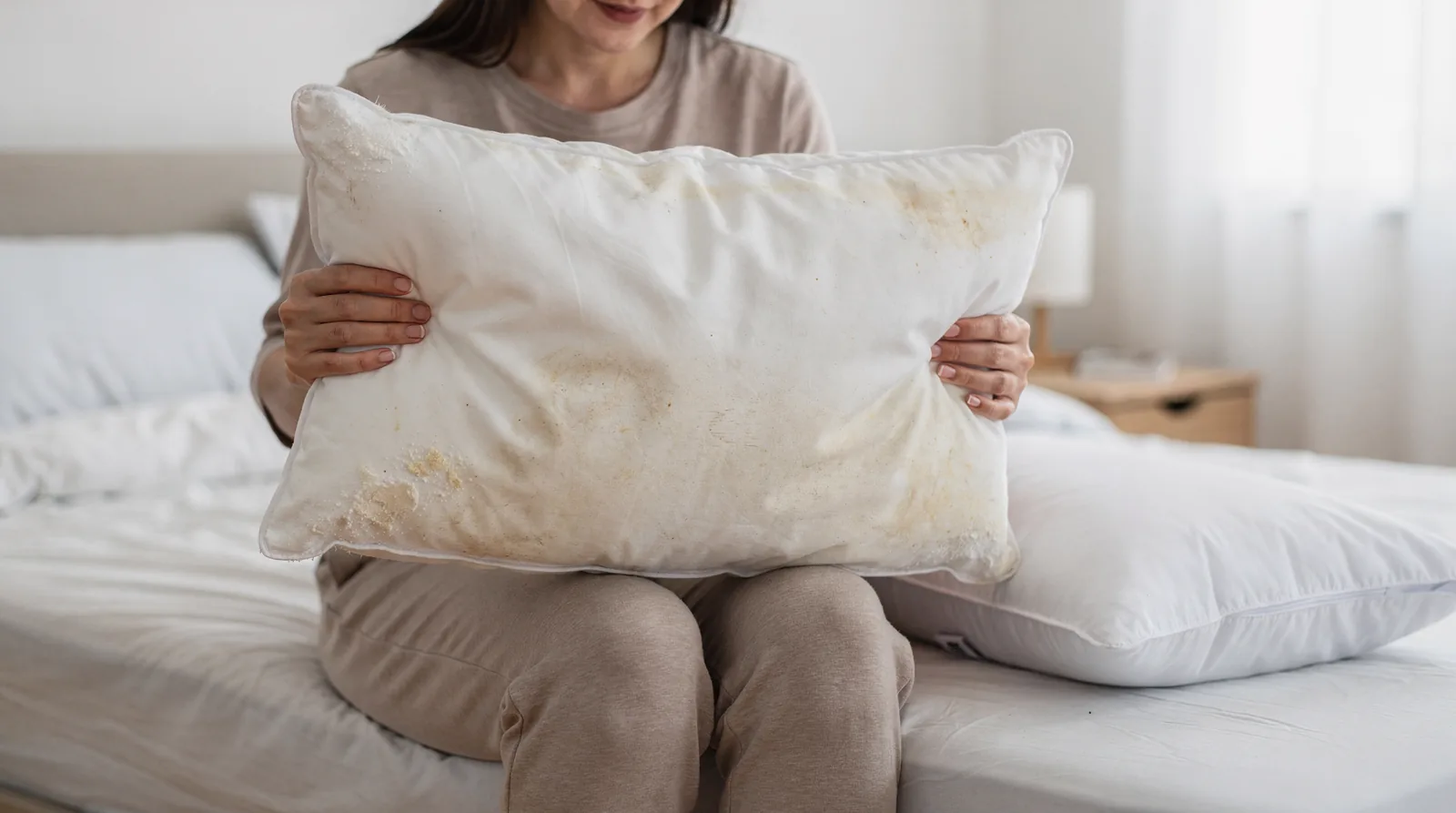
Replacement time arrives once a pillow protector no longer forms a solid barrier against dust mites, oils, and moisture, even after regular washing. Thinning fabric, persistent odours, stiffness, or visible staining after a wash cycle all signal the end of its useful life. The manufacturer's care label should be the starting point for this assessment; reading it first clarifies what normal wear looks like versus genuine deterioration.
How long should a quality pillow protector last?
Durability depends heavily on construction. Pillow protectors built from a blend of viscose from bamboo. Luxury microfibre, such as Adorearth's range, are engineered to withstand repeated washing without breaking down quickly. A cotton pillow protector can offer similar breathability. Fibre quality and weave density affect how many wash cycles it tolerates before softness and protection start to fade.
What are the signs a protector needs swapping out?
A few practical checks help households decide:
Fabric feels thin or see-through when held to light
Zipper or closure no longer sits flat or seals properly
Odours persist after washing and drying
Stains remain visible post-wash
FAQ
What do pillow protectors do?
They form a washable barrier between pillow and pillowcase, catching sweat, skin oils, dust mites, and allergens before they reach the pillow's filling, extending its working life.
How often do you wash pillow protectors?
Wash every two to four weeks alongside regular bedding using a gentle detergent. Allergy sufferers, heavy sweaters, and pet owners need more frequent washing.
When should you replace pillow protectors?
Replace every 12 to 24 months, or sooner if the fabric thins, zips fail, or stains persist despite washing.
Conclusion
In closing, pillow protectors represent a straightforward investment in extending the life of your pillows whilst maintaining a hygienic sleep environment. By establishing a regular washing routine and replacing protectors when they show signs of wear, you protect both your bedding investment and your sleep quality. Quality protectors work quietly in the background, safeguarding your pillows from dust, allergens, and moisture, allowing you to focus on what matters most: restful, comfortable sleep night after night.
