





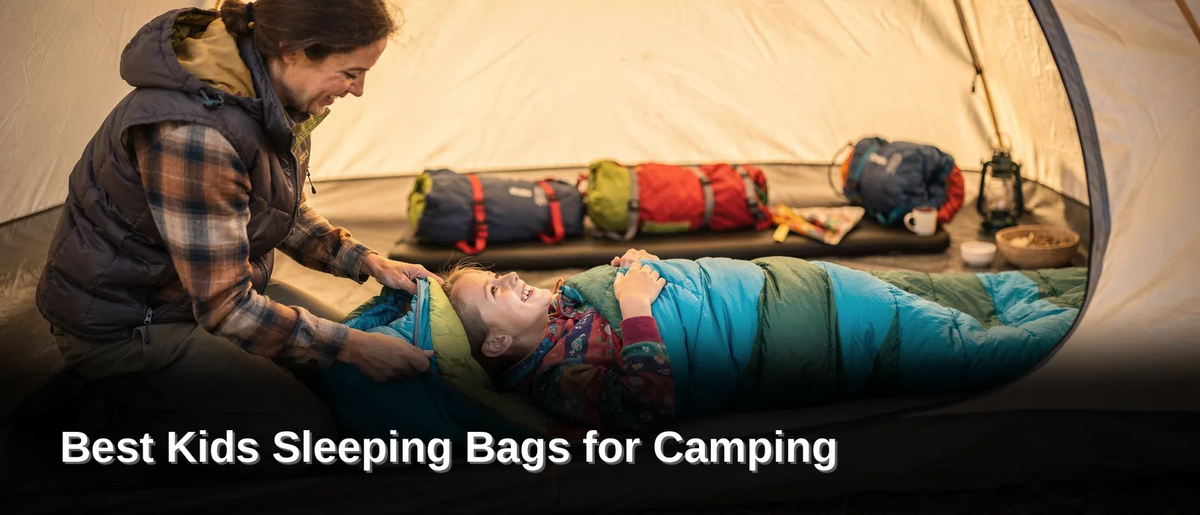
Kids sleeping bags for sleepovers and camping require a temperature rating matched to the season, a snug-but-roomy fit that allows growth room, and durable, machine-washable fabric for muddy adventures.
Key Takeaways
Choose sleeping bags with temperature ratings matching your climate for comfortable, uninterrupted sleep.
Look for durable, easy-to-clean fabrics like soft, breathable materials that withstand outdoor adventures.
Select age-appropriate sizes and weights to ensure kids can move freely inside their sleeping bags.
What Should You Look for in a Kids Sleeping Bag?
Fabric, fit, and warmth matter most when selecting a kids sleeping bag. Sleep itself is often the real question on a family trip. Whether everyone actually settles down for the night tends to worry parents more than any gear spec on the box. That single concern shapes every decision that follows.
Selecting a bag for a child asks more of parents than buying one for themselves. Adult sleeping bags come in fairly predictable sizes and warmth ratings. Children's bodies, growth spurts, and sensitivities to temperature and texture make the decision less straightforward. A bag too stiff or too warm can turn a simple sleepover into a restless night.
What fabric works best for a child's skin?
Soft, breathable blends tend to suit children's sensitive skin far better than synthetic-only linings. Natural bamboo viscose combined with microfibre, the kind of blend found in Adorearth's own bedding, shows how softness and durability can coexist in comfort textiles designed for young sleepers. Fabric choice matters as much for a sleepover sleeping bag used indoors as for one packed for a camping trip.
Does sourcing and manufacturing matter?
Responsible sourcing affects both comfort and conscience. Ethically manufactured, sustainably sourced organic bamboo reflects the standard parents should expect from any kids sleeping bag Australia retailers offer. Features worth checking include:
Breathable, naturally soft fabric blends
Ethical, sustainably sourced materials
A fit appropriate to the child's height and build
Warmth suited to the intended season or setting
How Does Testing Reveal the Best Fit for Kids?
Real-world trials expose comfort and safety gaps that specification sheets never show. The strongest kids' gear guides recruit actual families, with children ranging from nine months to nine years old, to test products across genuine camping trips rather than lab conditions alone. That range matters because a toddler's needs differ enormously from a nine-year-old's. A single test group spanning that age bracket catches problems a narrow sample would miss.
Thorough testing also depends on who runs it. The most credible outdoor gear guides sit under editors with direct, hands-on testing experience, not just desk research. An editor who has actually zipped a child into a bag on a cold morning understands friction points parents face: tangled zips, scratchy linings, bags too long or too short.
What should Australian parents look for when choosing a sleeping bag?
Parents evaluating a kids sleeping bag Australia buyers can trust should weigh the same factors seasoned testers use: material safety, breathability, and durability under repeated washing. Adorearth's own approach, built on responsible sourcing and ethical production, reflects the same standard parents should apply to any child's sleep gear, whether for camping or a sleepover sleeping bag at a friend's house.
Does sleepover use demand different testing than camping?
Sleepover conditions are gentler, but hygiene and comfort still matter. A reliable kids sleeping bag should feel soft against skin, resist allergens, and hold up through frequent laundering between visits.
What Pairs Well With a Sleepover Sleeping Bag?
Soft, breathable layers pair best with a sleepover sleeping bag, turning a basic setup into a proper comfort zone. Adorearth's core range covers this need directly, with blankets and throws designed to sit alongside sheet sets, quilt covers and pillows. These pieces give families extra portable layers that work with a child's sleeping bag, whether the sleepover happens in the lounge room or a cousin's spare bed.
Comfort matters, but so does skin health. Products across the range are designed to be hypoallergenic. Antibacterial, with breathable, moisture-wicking performance suited to children with sensitive skin during home sleepovers.
Does temperature control matter for a kids sleeping bag?
Yes. A signature weave featuring micro-gaps and micro-holes helps regulate temperature, keeping bedding cool in summer and warm in winter. This matters for a kids sleeping bag. Children often run hot or cold through the night and need layers that adjust with them.
Parents weighing up add-on pieces for kids sleeping bag Australia households can pair:
A lightweight throw for cooler lounge-room sleepovers
A breathable pillow for added head support
A soft sheet layer underneath for extra cushioning
For product questions, contact Adorearth during business hours.
FAQ
What fabric works best for a child's sleeping bag?
Soft, breathable blends like bamboo viscose combined with microfibre suit children's sensitive skin better than synthetic-only linings. This combination delivers softness and durability together, making it ideal for both sleepovers and camping trips.
Why does sourcing and manufacturing matter for kids sleeping bags?
Ethically manufactured, sustainably sourced organic bamboo sets the standard parents should expect. Adorearth uses this sourcing method, reflecting both comfort for the child and responsible manufacturing practices parents value.
What features should parents check before buying a kids sleeping bag?
Parents should check for breathable, naturally soft fabric blends, ethical and sustainably sourced materials, a fit matching the child's height and build, and warmth suited to the season or setting.
Conclusion
In closing, selecting the right sleeping bag for your child's sleepover or camping adventure requires balancing comfort, durability, and safety with materials that support both their wellbeing and the environment. Prioritise breathable, hypoallergenic fabrics that regulate temperature effectively, robust construction that withstands active use, and clear material and care information. When you invest in quality bedding designed with children's needs in mind, you equip them for restful nights outdoors whilst teaching them the value of sustainable choices that care for the planet they'll inherit.
