






The Best Bedroom Setup for Deep Sleep in Australian Homes: Mattress, Lighting, Noise, and Plants
By Zac Adore, Adorearth
Creating an optimal bedroom environment is essential for achieving deep, restorative sleep, particularly in "Australian homes" where climate and lifestyle factors influence sleep quality. This article explores key elements that contribute to a sleep-friendly environment—including mattress choice, lighting, noise reduction strategies, and the addition of plants. Many Australians struggle with achieving quality rest due to discomfort, excessive light, or noise disturbances, but understanding how to customise these factors can lead to a significant improvement in sleep quality. In this guide, we will cover the best mattress options, lighting techniques conducive to relaxation, effective noise reduction methods, and which indoor plants can enhance your bedroom's atmosphere.
What is the Best Mattress for Restful Deep Sleep in Australian Bedrooms?
Selecting the right mattress is foundational for restful deep sleep. Different materials and designs cater to individual sleep needs, impacting comfort, support, and overall sleep quality. With various options available—from memory foam to hybrid mattresses—it's crucial for "Australian sleepers" to choose one that aligns with their sleeping position and preferences. Furthermore, the firmness level of the mattress can greatly influence a sleeper's ability to relax or maintain proper spinal alignment, thereby enhancing the potential for deep sleep.
Which Mattress Materials and Types Support Deep Sleep?
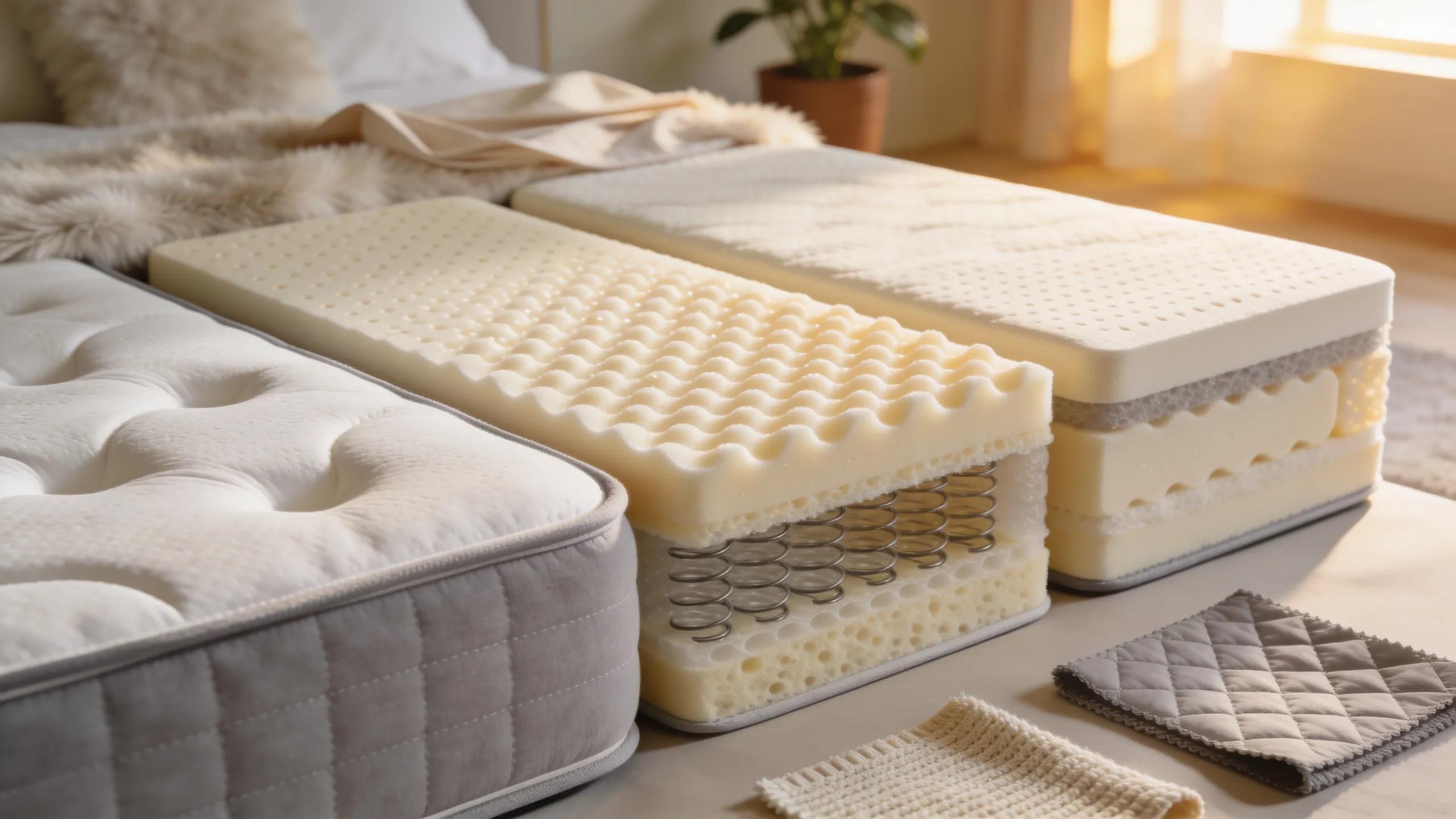
When choosing a mattress, understanding the types of materials available can vastly influence sleep comfort.
Memory Foam Mattresses: These provide contouring support, adapting to body shape and weight, which can alleviate pressure points and improve restfulness.
Latex Mattresses: Known for their durability and natural properties, latex mattresses offer a more resilient feel and good airflow, contributing to a cooler sleep environment.
Hybrid Mattresses: Combining innerspring systems with foam or latex, hybrid mattresses cater to diverse sleeping positions and preferences while offering balanced support and comfort.
How to Choose Mattress Firmness and Size for Australian Sleepers?
Choosing the right firmness level is crucial for comfort during sleep.
Sleep Position: Those who sleep on their side may benefit from a softer mattress that cushions the shoulders and hips, while back and stomach sleepers typically require a firmer surface for adequate support.
Body Weight: Heavier individuals tend to prefer firmer mattresses which provide better support and prevent sagging. Conversely, lighter individuals may favour softer options for enhanced comfort.
Mattress Size: Consider the dimensions of your bedroom and whether you share your bed. Australian bedrooms often benefit from a queen or king-sized mattress for extra space, promoting freedom of movement during sleep.
How to Optimise Bedroom Lighting for Better Sleep and Circadian Rhythm?
Lighting plays a pivotal role in regulating our sleep-wake cycle or circadian rhythm. Understanding how to optimise light can significantly enhance sleep quality.
Avoid bright screens: In the hour leading up to bedtime, minimising exposure to screens helps prepare the body for sleep.
Use soft, warm lighting: Implementing dimmable bulbs or lamps with soft, warm hues creates a calming environment conducive to relaxation.
What is the Ideal Light Temperature and Intensity for Sleep?
The ideal light for promoting sleep is typically in the lower Kelvin range, around 2200K to 2700K.
Kelvin Rating: Lights that mimic sunset colours, such as warm white, reduce stimulation and promote melatonin production.
Intensity Suggestions: Lighting should be soft and not glaring. Lower intensity lights (around 10-50 lumens) allow for a relaxing atmosphere while preparing the body for sleep.
Scientific research highlights how these colour temperature variations directly influence our internal clock and melatonin secretion.
How Bedroom Lighting Colour Temperature Impacts Melatonin and Sleep
The aim of our present study was to examine from the view point of chronobiology whether the lights of different colour temperature often used in everyday life may affect core temperature and urinary melatonin secretion differently. Experiments were carried out on five subjects with normal colour vision. They were exposed for 5 hr (from 21:00 h to 2:00 h) to two kinds of bright (1000 lx) light of different colour temperature (6500 K, 3000K) with dim (50 lx) light as a control; after exposure they slept in darkness. Effects of lights of different colour temperature on the nocturnal changes in core temperature and melatonin in humans, 1996
How to Implement Lighting Solutions to Enhance Bedroom Sleep Quality?

Here are practical instructions to upgrade your bedroom lighting:
Dimmers: Installing dimmer switches allows flexibility in adjusting brightness for varied activities, from relaxation to reading.
Smart bulbs: Consider smart bulbs that can be programmed to dim gradually, simulating sunset and helping to cue your body for sleep.
Layered lighting: Combining ambient, task, and accent lighting creates a harmonious atmosphere that caters to personal preferences and enhances sleep quality.
What are Effective Ways to Reduce Bedroom Noise for Deeper Sleep?
Noise disturbances can critically interrupt the sleep cycle. Implementing strategies to create a quieter environment is essential for deeper sleep.
Identify Noise Sources: Common culprits include traffic, neighbours, or loud appliances. Knowing these can guide effective mitigation strategies.
Noise Reduction Products: Options include soundproof windows, door sweeps, acoustic panels, or white noise machines to create a tranquil sleep space.
Which Noise Reduction Products and Methods Work in Australian Homes?
Consider these solutions tailored for Australian homes:
Acoustic Panels: Designed to absorb sound waves, these panels help reduce noise reflections and echo, creating a calmer environment.
Soundproofing Solutions: Installing soundproof curtains or heavy drapes can significantly block external noise and enhance overall quietness.
White Noise Devices: These machines produce a consistent sound that can mask disruptive noises, aiding continuous sleep.
How to Measure and Maintain Optimal Noise Levels for Sleep?
To maintain an ideal sleep environment, it’s essential to monitor noise levels.
Measurement Tools: Utilizing a decibel meter can help assess noise levels; levels below 30dB are generally considered conducive for sleep.
Strategies for Maintenance: Keeping windows closed during peak noise hours and utilizing earplugs or sleep masks can aid in creating an undisturbed rest zone.
Which Bedroom Plants Improve Air Quality and Promote Relaxation?
Indoor plants can significantly enhance both air quality and relaxation, directly correlating to improved sleep quality.
Improving Air Quality: Plants exhibit air-purifying properties by absorbing toxins and releasing oxygen, fostering a healthier sleep environment.
Promoting Relaxation: Certain plant species are known to have calming effects, creating a soothing ambiance that can contribute to sleep readiness.
Beyond air purification, integrating greenery into your personal space serves as a psychological tool to manage stress and foster tranquility.
The Benefits of Indoor Plants for Bedroom Stress Reduction
Exposure to nature and plants can be both physically and psychologically healing and is an effective means of combating stress in our daily lives. The Stress Recovery or Reduction Theory proposed by Roger Ulrich in 1991 can be applied in both micro and macro environments i.e. at home or office and also to towns and cities. Adding trees, indoor plants, green spaces can significantly contribute to city or town planning and is necessary for urban planning.
Combating Stress: Green Care in Human Health and Wellness, S Sen, 2026
What Are the Best Indoor Plants to Enhance Sleep Quality?
When choosing plants for your bedroom, consider species known for their benefits:
Snake Plant: This hardy plant converts carbon dioxide into oxygen at night, helping to improve air quality.
Lavender: Known for its calming scent, studies suggest that lavender can reduce anxiety and improve sleep quality.
Peace Lily: Besides purifying the air, the peace lily is known for its ability to thrive in low light, making it perfect for bedrooms.
How to Care for Bedroom Plants to Maximise Sleep Benefits?
To maintain your bedroom plants effectively, consider the following care tips:
Watering Needs: Be cautious not to overwater; some plants like snake plants prefer drier soil.
Light Requirements: Place plants in areas where they receive indirect sunlight to enhance their growth without overpowering the space.
Common Care Mistakes: Avoid letting dust accumulate on leaves, as this can reduce their air purification capabilities.
For those looking to integrate nature further into their home, "indoor plants" provide an excellent way to maintain a connection with the environment while boosting your overall well-being.
