




Organic hypoallergenic mattress toppers in the UK — sustainable, allergy-friendly sleep
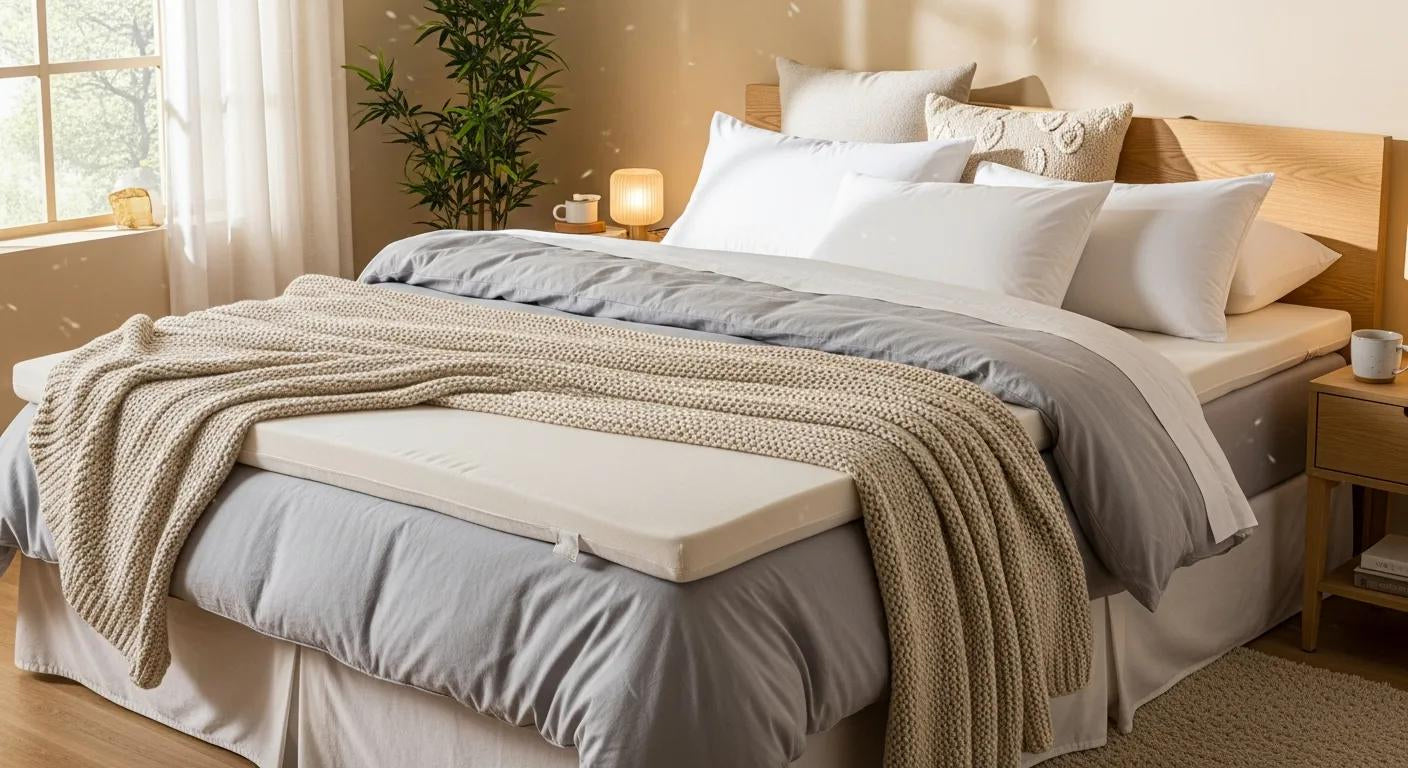
An organic hypoallergenic mattress topper is a removable layer made from certified natural fibres that helps lower your exposure to common bedroom allergens while improving overnight comfort and environmental impact. Across the UK, many people wake up with symptoms from dust mites, mould-friendly humidity or chemical residues in conventional bedding — and a thoughtfully chosen topper is a simple, effective way to reduce those triggers. We'll show you how sustainable materials, especially bamboo, can help keep your sleep environment fresh and dry, making it less inviting for dust mites and microbes. You’ll learn why bamboo toppers are often a strong choice for allergy relief, what to check when buying an eco-friendly, dust-mite-resistant pad, and how to care for natural bedding so its hypoallergenic benefits last. We also compare bamboo with wool, latex and organic cotton, outline the certifications worth checking, and show where UK shoppers can find certified organic hypoallergenic toppers — all with practical checklists and advice to help you sleep cleaner and healthier.
What makes bamboo mattress toppers ideal for allergy relief?
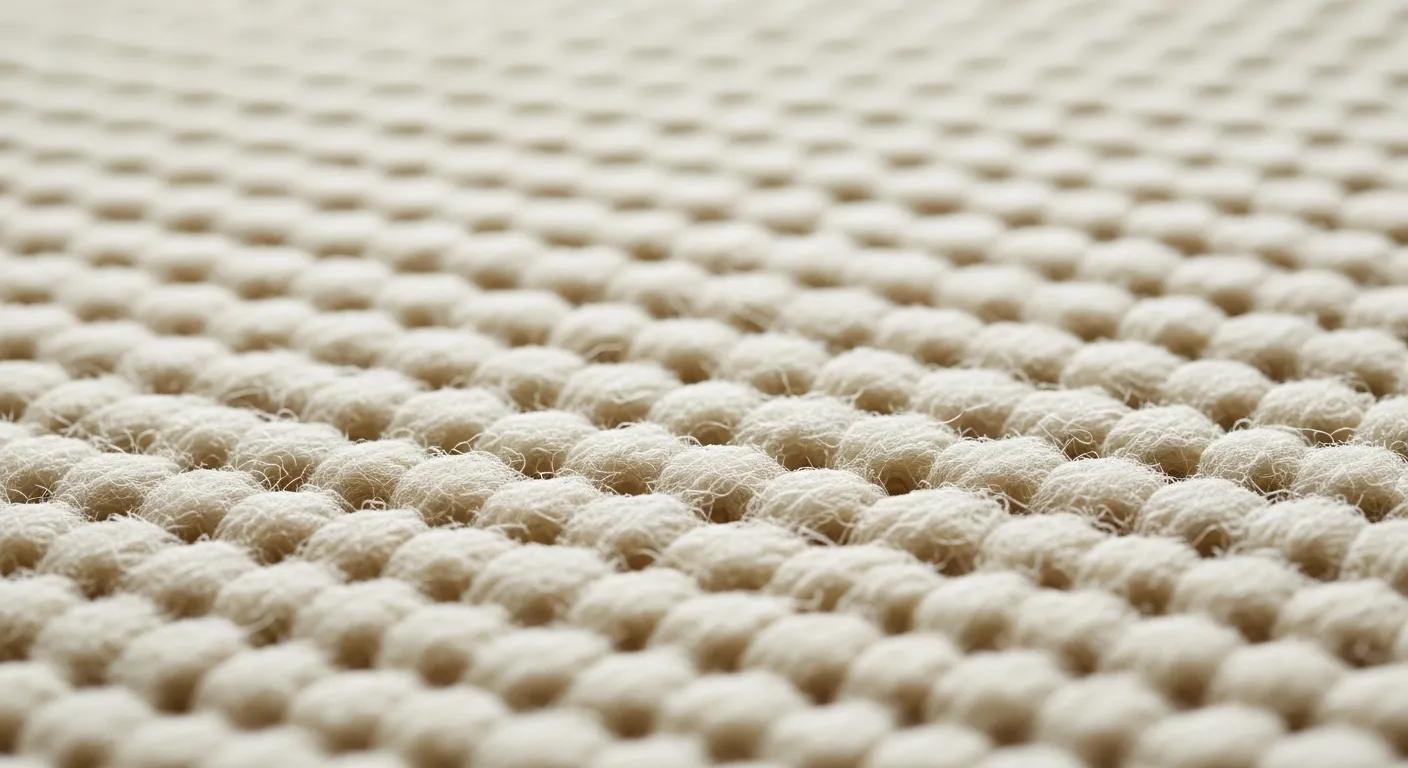
Bamboo mattress toppers help reduce allergens mainly by managing moisture, improving airflow and creating a cooler sleeping surface — conditions that make it harder for dust mites and microbes to thrive. Viscose from bamboo weaves into a smooth, breathable fabric that wicks sweat and encourages evaporation, discouraging mite proliferation. Bamboo’s natural antibacterial tendencies also help keep microbial levels lower on the sleeping surface. Together, these effects mean fewer airborne allergenic particles and less skin irritation for sensitive sleepers. Controlling moisture and ensuring good airflow are key ways to keep dust mites at bay in your bedding. By choosing materials that actively limit the conditions mites need, you're taking a proactive step towards a healthier sleep.
How does bamboo naturally resist dust mites and allergens?
Bamboo resists dust mites mainly by managing moisture and providing a breathable fibre structure that keeps surface humidity below levels favourable for mite reproduction. The fibre geometry of viscose from bamboo helps wick moisture away from the skin and speeds evaporation, so sweat and humidity dissipate instead of pooling in the bedding microclimate. Lower humidity reduces mite survival and egg‑laying, which in turn cuts the amount of mite‑derived allergens in dust. For sleepers, this typically means fewer flare‑ups of rhinitis, eczema or asthma at night and a more comfortable sleep. In practice, using a breathable bamboo topper with a washable cover and regular airing strengthens this protective effect.
What are the hypoallergenic and antibacterial properties of bamboo?
Bamboo shows inherent antibacterial tendencies that, when preserved through careful processing, yield fabrics that reduce microbial load on bedding and minimise irritation for sensitive skin. Hypoallergenic performance comes from having fewer irritating residues and a smooth fibre surface that sheds allergens more effectively during washing and airing. Production methods matter: organic cultivation and gentler viscose processing keep the useful physical traits intact without adding harsh chemical finishes that can irritate. For allergy sufferers, lower bacterial counts and reduced particulate shedding mean fewer triggers for conditions like atopic dermatitis and allergic rhinitis, helping skin and air feel calmer overnight.
Why choose sustainable mattress toppers for sensitive skin in the UK?
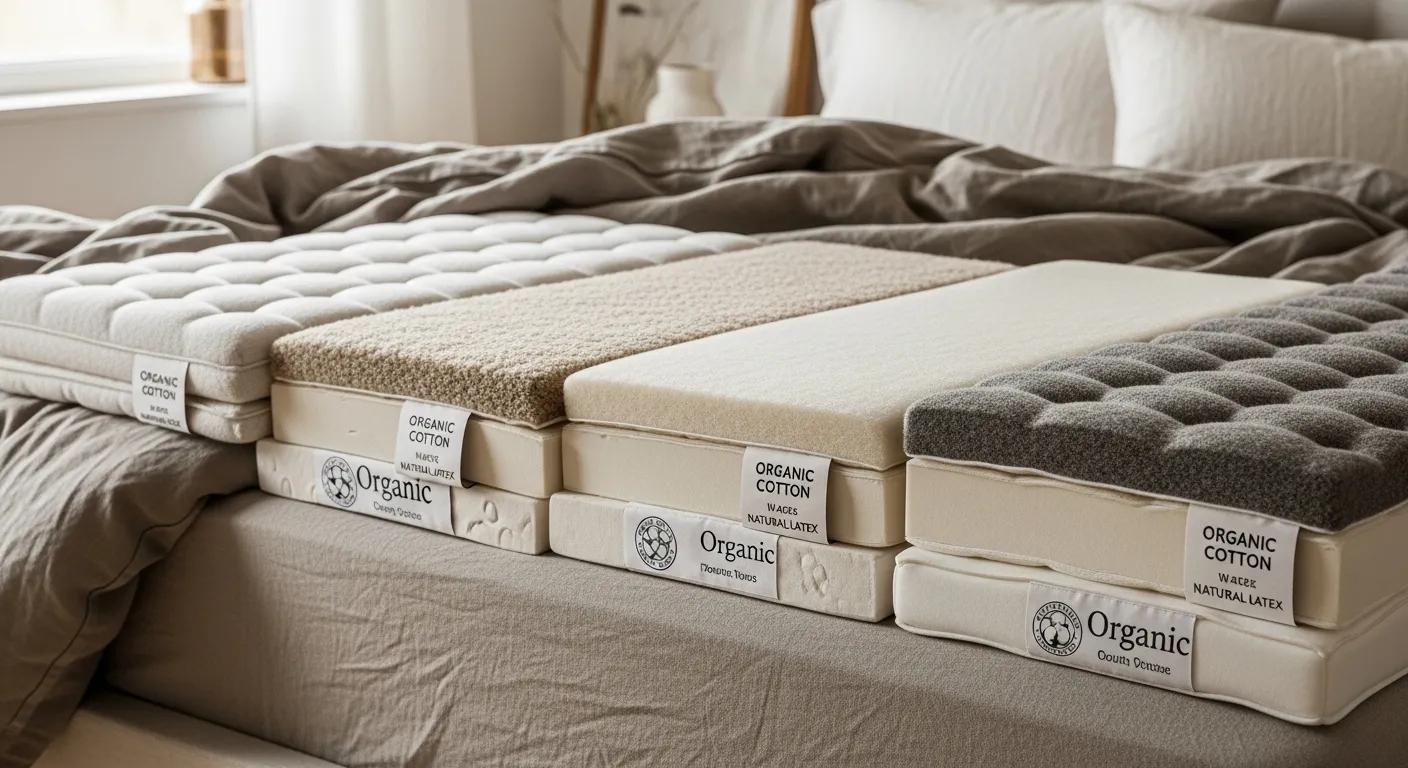
Sustainable mattress toppers combine benefits for sensitive skin with a smaller environmental footprint across the product lifecycle. Choosing organic fibres reduces exposure to agricultural pesticides, heavy water use and synthetic chemical finishes. For UK shoppers who care about both personal health and the planet, materials like organic bamboo viscose offer renewability and biodegradability while still delivering the breathability and antibacterial traits useful for allergy relief. Lower chemical inputs during manufacture also mean fewer volatile residues released into the bedroom over time. Looking at environmental and health factors together helps you pick toppers that protect sensitive skin today and reduce future environmental impact.
How do organic bamboo toppers support eco‑friendly sleep?
Organic bamboo toppers support eco‑friendly sleep by pairing a fast‑growing raw material with lower irrigation and pesticide needs than many conventionally grown fibres, and by offering a biodegradable end‑of‑life option. Bamboo regrows quickly, and organic farming avoids synthetic pesticides that can leave residues on fibres and irritate sensitive skin. When combined with responsible manufacturing and minimal finishing chemicals, viscose from organic bamboo can show a smaller water and chemical footprint than some alternatives. For eco‑conscious sleepers, those lifecycle gains mean a lower environmental cost for something you use every night.
What certifications ensure sustainability and safety in bedding?
Certifications give independent assurance about organic content, chemical safety and textile testing, helping shoppers find mattress toppers that meet both sustainability and hypoallergenic expectations. Look for third‑party marks that screen for restricted substances and verify organic fibre content so you can compare products on consistent standards. Certification also indicates manufacturing controls that limit residues, which might irritate sensitive skin. Checking badge claims and asking retailers for documentation are practical ways to reduce uncertainty when choosing sustainable bedding.
Here are the types of certifications to look out for:
- Organic fibre certification: Confirms the declared organic content in the raw material.
- Chemical safety testing: Verifies low or no restricted substances in the finished textile.
- Allergy endorsements or laboratory testing: Shows products have been assessed for reduced allergenicity.
These checks help ensure sustainability claims align with health performance and support a confident buying decision when balancing eco‑impact with allergy control.
How does Adore Earth's bamboo mattress topper provide comfort and allergy protection?
Adore Earth's bamboo mattress topper uses viscose from organic bamboo to create a soft, breathable sleeping surface that combines hypoallergenic and antibacterial benefits with a temperature‑regulating construction. The topper’s Coolweave™ structure is designed to dissipate heat and move moisture away from the skin, while the natural properties of bamboo fibres help limit microbial growth and contribute to a drier, less welcoming microclimate for dust mites. Together, these features aim to support skin comfort and reduce nighttime allergy symptoms without relying on synthetic finishes.
Here's a quick look at how our topper's features work to give you a better night's sleep:
| Feature | Attribute | Value |
|---|---|---|
| Material | Fibre type | 100% viscose from organic bamboo |
| Allergy performance | Hypoallergenic / anti-bacterial | Reduced microbial load and fewer irritant residues |
| Temperature control | Weave structure | Coolweave™ for heat dissipation and moisture wicking |
| Assurance | Durability/policy | Described as soft, durable, and with a commitment to customer satisfaction |
This table links each feature to a clear benefit: fibre choice improves breathability, weave design lowers humidity, and our commitment to customer satisfaction gives buyers peace of mind. That makes it easier to judge whether the topper matches your allergy and comfort needs.
Adore Earth is an Australian‑designed brand specialising in organic bamboo bedding, from sheet sets and quilt covers to mattress protectors and toppers. The Adore Earth Bamboo Mattress Topper is described as 100% viscose from organic bamboo, hypoallergenic, antibacterial, temperature‑regulating (Coolweave™ structure), soft, durable, and Australian‑owned, reflecting our dedication to quality and customer care.
What are the key features of the Adore Earth organic bamboo mattress topper?
The Adore Earth topper is described as 100% viscose from bamboo, which gives it natural softness and breathability while offering antibacterial and hypoallergenic performance. The Coolweave™ structure is the temperature‑regulating element that moves heat and moisture away from the body, helping create a drier surface less favourable to dust mites. Durability and comfort are emphasised alongside our commitment to customer satisfaction, so you can feel confident in your choice and assess the comfort and any allergy benefits. Shoppers should confirm regional delivery and product details, and check specification pages for certification information before purchasing.
How does temperature regulation enhance sleep quality?
Temperature regulation helps sleep by keeping the microclimate cooler and more stable, preventing night‑time sweating and the warm, humid conditions that favour dust mites. The Coolweave™ design encourages airflow and wicking, which dissipates body heat and speeds moisture evaporation from the surface. Lower surface humidity reduces night‑time awakenings, improves sleep continuity and limits the allergenic load produced by mites and microbes. For allergy‑prone sleepers, better temperature control therefore delivers two benefits: increased comfort and a reduction in environmental triggers.
How to select the best eco‑friendly dust mite-resistant mattress pad?
Choosing an eco‑friendly, dust‑mite‑resistant mattress pad means prioritising breathability, moisture management, verified certifications, easy cleaning and a good fit for your mattress depth so you get a sealed, washable barrier where needed. Taken together, these criteria reduce allergen build‑up and support long‑term performance. Weight each factor against personal needs like asthma sensitivity, night sweats or preference for organic fibres. Use the short checklist below to guide allergy‑focused purchases.
Here's a handy checklist to help you choose:
- Material breathability: Pick high‑airflow fibres that wick moisture and prevent mite‑friendly humidity.
- Verified certifications: Choose products with organic and chemical‑safety verification to limit irritant residues.
- Washability and care: Make sure the pad or topper can be washed or has a removable, washable cover to remove allergens.
- Fit and coverage: Select the correct size and depth to avoid gaps where dust can collect.
This checklist turns material science into practical shopping steps, making it easier to compare options and focus on features that directly reduce allergen exposure.
Let's compare some common materials for allergy relief and sustainability:
| Material | Allergy Benefit / Sustainability Metric | Recommendation |
|---|---|---|
| Bamboo (viscose) | High breathability; antibacterial tendencies; lower water use when organic | Best for hot, allergy‑prone sleepers seeking softness |
| Wool | Natural resilience and temperature regulation; lanolin may irritate some | Good for temperature control if lanolin sensitivity is absent |
| Latex (natural) | Hypoallergenic potential if pure; sourcing and processing affect the impact | Suitable for pressure relief; verify natural sourcing |
| Organic cotton | Gentle on skin; breathable but can retain moisture if dense | Good general option; choose lightweight weaves for allergy control |
What should allergy sufferers look for in mattress toppers?
Allergy sufferers should favour moisture‑wicking fibres, airy weave structures, certified low‑chemical manufacturing and clear care instructions that allow for regular washing or protection. A snug, washable outer cover and the ability to air the topper regularly further reduce allergen buildup, while visible certification badges give independent assurance about chemical residues and fibre claims. Fit matters too: a correctly sized topper or pad reduces exposed seams and gaps where dust can gather. Combining these selection points minimises exposure and supports cleaner, more restful sleep for sensitive sleepers.
How does bamboo compare to wool and latex for allergy relief?
Bamboo stands out for moisture-wicking and smooth fibres that discourage dust mite habitation and lower microbial growth, making it especially useful for people who sweat or sleep hot. Wool offers natural temperature buffering and can deter mites in some processed forms, but lanolin can irritate people with certain sensitivities, so certified, processed wool is best for allergy concerns. Natural latex can be hypoallergenic when pure and properly sourced, giving resilience and pressure relief, but certifications are important to avoid blended or treated materials that might introduce irritants. Overall, bamboo often balances breathability, softness and low‑residue production, making it a strong choice for many allergy‑prone sleepers.
What are the best practices for maintaining natural allergy‑relief mattress enhancers?
Keeping natural toppers working well is mainly about regular airing, occasional vacuuming, using washable covers or protectors, and gentle washing when appropriate to avoid fibre damage. These habits reduce allergen buildup and extend the life of sustainable bedding while preserving the moisture‑wicking and antibacterial properties of materials like bamboo. A routine that combines passive airing with periodic cleaning offers the biggest reduction in dust mite load without excessive wear. The table below links common care tasks to how often to do them and what to expect.
Here's a simple guide to keeping your topper fresh and effective:
| Care Task | Frequency / Method | Expected Result |
|---|---|---|
| Airing and sunlight exposure | Weekly, hang or air in dry conditions | Reduces humidity and freshens fibres, lowering mites |
| Vacuuming surface | Monthly, soft brush attachment | Removes settled dust and surface allergens |
| Washing covers | As recommended, a gentle cycle and low heat | Removes allergens while preserving fibre integrity |
| Use of a mattress protector | Continuous; washable protector | Prevents deep allergen ingress and simplifies cleaning |
This care table gives clear, actionable steps to preserve hypoallergenic performance and prolong product life, so sustainable bedding stays effective over time.
In summary, here are the core maintenance steps:
- Airing weekly to reduce moisture and discourage mite habitats.
- Vacuuming monthly to remove settled allergen particles.
- Washing covers as per care labels using mild detergents and low heat.
- Use a protective cover to prevent deep soiling and make cleaning easier.
Together, these practices help keep the sleeping surface drier, less allergen‑rich and extend the useful life of natural mattress enhancers.
How to care for bamboo mattress toppers to preserve hypoallergenic properties?
Caring for bamboo toppers means gentle handling: air them regularly in dry weather, spot‑clean stains quickly with mild, eco‑friendly detergents, and launder removable covers on gentle cycles at the temperatures recommended by the manufacturer. Avoid high‑heat tumble drying or aggressive mechanical action that can weaken viscose fibres and reduce wicking performance — line‑dry where possible. Regular vacuuming with a soft brush and rotating the topper now and then helps distribute wear and prevent concentrated soiling. Following the care label preserves both hypoallergenic and temperature‑regulating properties, so the topper remains effective against dust‑mite‑friendly conditions.
What cleaning tips extend the life of sustainable bedding?
Extending the life of sustainable bedding is about low‑impact cleaning that removes allergens without harming fibres or wasting energy. Use mild, eco‑certified detergents and lower‑temperature washes when the care label allows, and avoid harsh chemicals that can leave irritating residues. Gentle spin cycles and air‑drying reduce mechanical stress on fibres, and protective covers cut down the need for full washing. These approaches maintain fibre performance, reduce environmental impact and delay replacement, supporting both allergy control and sustainability goals.
Where can UK consumers purchase certified organic hypoallergenic mattress toppers?
UK shoppers should buy certified organic hypoallergenic mattress toppers from reputable retailers that clearly display certification badges, provide full product specifications and outline delivery and customer care policies. When shopping, check product pages for fibre composition, weave descriptions, care instructions and independent testing claims to confirm suitability for sensitive skin and allergy reduction. For brand comparisons, clear customer care policies and transparent certification documentation add reassurance alongside customer reviews where available.
What makes Adore Earth a trusted brand for sustainable bedding?
Adore Earth is an Australian‑designed brand that focuses on organic bamboo bedding — from sheet and quilt sets to mattress protectors and toppers. The Adore Earth Bamboo Mattress Topper is described as 100% viscose from organic bamboo, hypoallergenic, antibacterial, temperature‑regulating (Coolweave™ structure), soft and durable. The brand is Australian‑owned and committed to customer satisfaction and convenient delivery options.
How does our commitment to customer satisfaction support your confidence?
Our commitment to customer satisfaction means you can confidently choose our products, knowing they are designed to offer comfort, a great fit, and help with allergy-related concerns. We encourage you to check our product details for specific information. Paired with clear certifications and care instructions, our dedication to your satisfaction can make purchase decisions much easier for allergy-sensitive customers.
Frequently asked questions
What are the benefits of using a mattress topper for allergy sufferers?
A mattress topper gives allergy sufferers an extra layer of protection and comfort. It helps reduce exposure to dust mites, mould and other irritants that trigger reactions. Choosing a breathable, moisture‑wicking material such as organic bamboo creates a drier sleeping environment that discourages allergen growth, while also improving overall comfort and sleep quality.
How often should I clean my hypoallergenic mattress topper?
To keep hypoallergenic properties working, air the topper weekly to cut moisture, vacuum it monthly to remove surface dust, and wash removable covers according to the manufacturer’s instructions. Depending on use, a full wash of the topper may be needed every few months. Regular maintenance preserves effectiveness and extends the product’s life.
Can I use a mattress protector with my hypoallergenic topper?
Yes — we recommend using a mattress protector with a hypoallergenic topper. A protector adds another barrier against allergens, spills and stains and makes cleaning simpler. Look for a breathable, washable protector that complements your topper’s performance to keep both items cleaner for longer.
Are there specific certifications I should look for when buying a mattress topper?
Look for certifications that verify organic content and chemical safety. Useful badges include GOTS (Global Organic Textile Standard) for organic fibres and OEKO‑TEX for chemical safety, plus any allergy endorsements from reputable organisations. These marks help ensure the product meets strict standards for low chemical residues and hypoallergenic performance.
How does the material of a mattress topper affect its hypoallergenic properties?
The material is key. Natural fibres like organic bamboo, wool and cotton tend to be more breathable and better at wicking moisture, which makes the surface less hospitable to dust mites and mould. Synthetic materials can trap heat and moisture, which may encourage allergen growth. Choosing high‑quality natural materials improves the topper’s ability to reduce allergens and enhance sleep.
What should I consider when choosing a mattress topper for sensitive skin?
For sensitive skin, pick hypoallergenic, breathable materials that are free from harsh chemicals — organic options such as bamboo or organic cotton are good choices. Check certifications for harmful substances, choose a smooth texture to reduce friction and irritation, and make sure the topper is easy to clean so you can maintain its hypoallergenic properties.
Can I return a mattress topper if it doesn't help with my allergies?
Our commitment to customer satisfaction. If a topper doesn’t meet your expectations, including allergy relief, we encourage you to review our customer care policies. Many brands, including Adore Earth, offer solutions to ensure you find the right product for your needs, giving you peace of mind when trying a new solution.
