





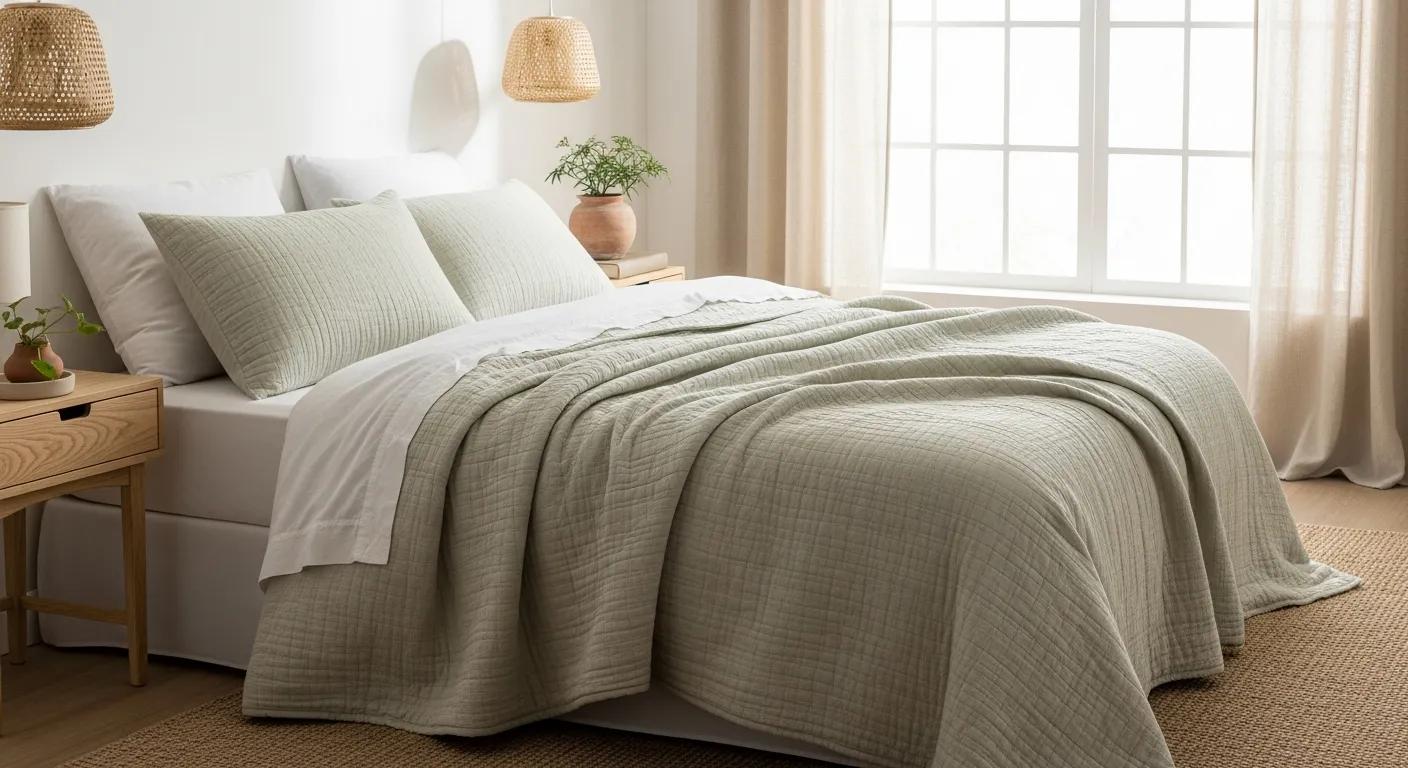
Bamboo quilts are prized for their soft hand, natural temperature regulation and allergy-friendly performance — but they need thoughtful care to keep those benefits and reduce environmental impact. This guide walks you through sustainable washing, spot treatment, drying, storage and the reasons behind each step so you can extend your quilt’s life while cutting chemical and energy use. Gentle care protects the cover, the bamboo fibre filling and the seams from mechanical and thermal damage, preserves anti-bacterial and dust‑mite resistance, and prevents issues like mildew or lost loft. You’ll find clear machine and hand-washing steps, how to pick plant-based detergents, simple natural stain fixes, low-energy drying and freshening tips, and breathable storage options. When relevant, we’ll note Adore Earth product care tips to help you look after your bamboo bedding responsibly.
Bamboo’s natural strengths are real — but sustainability claims often depend on how the fibre is processed, so the bigger picture matters.
How do you wash your bamboo quilt sustainably?

Washing a bamboo quilt sustainably means using cool or lukewarm water, gentle cycles or hand washing, and plant‑based detergents that won’t strip fibres or pollute waterways. Aim for 30–40°C max to save energy and avoid shrinkage, and choose delicate settings to minimise mechanical wear on stitching and quilting. Small habits — zipping duvet covers, fixing loose threads and spot treating stains — reduce the need for full washes. The goal is clean bedding with the smallest possible footprint: fewer, gentler washes preserve the quilt’s hypoallergenic and temperature-regulating qualities while lowering water and energy use. Below are quick, practical steps and a simple do/don’t checklist to make this easy.
- Quick machine-wash steps for a bamboo quilt: Use a front‑loading or large‑capacity washer on a delicate cycle. Wash the quilt alone, or with a couple of similarly sized items to balance the drum. Choose cold to lukewarm water and a measured amount of mild, plant‑based detergent.
- Pre-wash preparation checklist: Zip or fasten quilt covers and repair visible seam damage before washing.Spot‑treat stains so you don’t need repeated full cycles. Turn the quilt inside out if prints or seams need extra protection.
Common pitfalls include overloading the drum, using hot water, or adding fabric softener — these increase friction, dull colours, and reduce bamboo’s natural performance. Follow the steps above to lower damage risk and keep your quilt comfortable; the next section explains hand-washing for quilts that are too large or delicate for a machine.
What are the best machine-washing practices for bamboo quilts?
Use a gentle or delicate cycle with a low spin speed to reduce mechanical stress, and stick to cold or lukewarm water (around 30–40°C max) to avoid shrinkage and heat damage. Give the quilt room to move — wash it alone or with a large towel for balance — and don’t overfill the drum to prevent rubbing and seam strain. Measure detergent carefully: too much leaves residue that attracts dirt, and fabric softeners coat fibres and harm breathability. Remove the quilt promptly after the cycle to reduce creasing, then move straight to the recommended drying steps to protect the loft and prevent mildew.
If your quilt is very large, heavily trimmed or vintage, hand washing is often the safer option — see the next section for step‑by‑step hand care.
How can you hand-wash delicate bamboo quilts effectively?
Hand washing is best for small quilts, heirlooms or pieces with delicate trims. Use a large tub or basin and fill with cold to lukewarm water plus a measured amount of mild, plant‑based detergent. Submerge and soak briefly, then use slow, gentle strokes to move water through the fabric — avoid scrubbing. Drain, refill with clean water and rinse until no suds remain. Don’t wring; press or roll the quilt in a towel to remove excess moisture. Support seams when lifting, and dry flat or drape over a wide support to keep shape. These steps minimise fibre disruption and set you up for low-impact drying and freshening.
Which eco‑friendly detergents are safe for bamboo and organic quilts?
Pick plant‑based, biodegradable, low‑residue detergents that protect fibres and colours while reducing chemical runoff. Steer clear of chlorine bleach, strong oxidisers, optical brighteners and heavy synthetic fragrances — they can weaken bamboo fibres, fade colours, and leave residues. For most uses, choose products labelled for delicates or natural fibres, and favour enzyme‑free or low‑enzyme options when treating protein stains conservatively. The short table below helps you compare common detergent types and decide what to test first.
Detergents vary in gentleness and eco credentials; use the table to compare key attributes before you buy.
| Detergent type | Plant‑based? | Enzyme‑free? | Fragrance‑free? | Notes |
|---|---|---|---|---|
| Delicate liquid (plant‑derived) | Yes | Often yes | Often yes | Low residue — ideal for delicates and bamboo |
| Mild powder for delicates | Sometimes | Sometimes | Sometimes | Good value; ensure it fully dissolves to avoid abrasion |
| Biodegradable multi‑surface | Yes | Varies | Varies | Strong eco profile, but check for enzymes or brighteners |
| Traditional heavy‑duty | No | No | No | Avoid bamboo — harsh surfactants can damage fibres |
Always choose a detergent with minimal additives and patch‑test on an inconspicuous seam before a full wash. Adore Earth recommends gentle, plant‑based formulas for our bamboo quilts and suggests testing a small hidden area first to protect temperature regulation and hypoallergenic properties. Below, we list ingredients to avoid and testing tips.
- Ingredients to avoid when washing bamboo quilts: Chlorine bleach and strong oxidisers — they break down fibres and fade colour. Optical brighteners — they can cling to dyes and cause abrasion over time. Heavy synthetic fragrances and liquid fabric softeners — they leave residues that reduce breathability.
Choosing clear, plant‑derived detergents lowers the risk of long‑term damage and environmental harm. With the right detergent in hand, use the spot‑cleaning methods below to cut down on full washes.
What ingredients should you avoid in laundry detergents for bamboo?
Avoid ingredients that weaken bamboo’s cellulose fibres or leave residues. Chlorine bleach and strong oxidisers break chemical bonds, causing weakening and discolouration. Optical brighteners and harsh surfactants cling to fibres, reduce breathability and accelerate soil build‑up. Synthetic softeners and strong fragrances coat fibres, masking moisture‑wicking and antimicrobial properties and potentially irritating sensitive skin. Enzymes are useful on protein stains but should be diluted and patch‑tested, as concentrated enzyme use can harm delicate natural fibres over time.
Safer alternatives include oxygen‑based stain pre‑treaters formulated for delicates and plant‑derived surfactants — and always rinse thoroughly to remove residues. The next section outlines the plant‑based characteristics to prioritise when choosing a detergent.
Which plant‑based detergents are recommended for sustainable quilt care?
Prioritise biodegradable, fragrance‑ and dye‑free formulas that are labelled for delicates or natural fibres. Choose liquids or mild powders that dissolve in cold water, and prefer enzyme‑free options if you wash quilts often. When choosing, scan ingredient lists for plant‑derived surfactants, avoid sodium lauryl sulphate and strong alkalis, and pick concentrated formulas that need smaller doses — this reduces packaging and water use. Always patch‑test a hidden seam or corner before washing the whole quilt to confirm compatibility and colourfastness.
With detergent choices settled, the next section explains sustainable drying and freshening techniques that protect fibres while using less energy.
| Detergent | Plant‑based? | Enzyme‑free? | Fragrance‑free? |
|---|---|---|---|
| Delicate liquid formula | Yes | Yes | Yes |
| Mild low‑temp powder | Sometimes | Sometimes | Sometimes |
| Eco concentrated liquid | Yes | Varies | Varies |
Picking the right detergent will help you wash less often and keep your quilt in top condition. Next: how to dry and freshen bamboo quilts without harming fibres.
How should you dry and freshen your bamboo quilt naturally?
Air drying is the most sustainable option: dry in shade or indirect light to avoid UV damage and support the quilt evenly to prevent sagging. Low‑heat tumble drying can be used sparingly to restore loft — short, cool cycles with wool dryer balls help redistribute filling — but extended heat degrades fibres and filling. Natural freshening like regular airing, short indirect sunning and using breathable scent sachets (placed near, not on, the quilt) reduces wash frequency while keeping the quilt smelling pleasant. These low‑impact methods protect the loft and cut energy use.
The table below compares drying methods by energy use, fabric stress and best uses so you can choose what fits your home. We also note Adore Earth’s recommendation to follow gentle drying to protect product performance.
| Drying method | Energy use | Fabric stress | Time | Best for |
|---|---|---|---|---|
| Air drying (shade) | Low | Low | Medium | Most bamboo quilts |
| Low‑heat tumble | Medium | Medium | Short | Loft restoration for medium quilts |
| Brief indirect sun | Low | Low–Medium | Short | Freshening and mild disinfecting |
| Professional gentle drying | High | Low | Varies | Large, heavily soiled or delicate items |
Air drying is the lowest‑energy, lowest‑stress choice for most quilts, while a short, cool tumble can help when loft recovery is needed. Adore Earth recommends these gentle drying approaches to protect product quality. Below are practical air‑drying tips and safe tumble practices.
- Best practices for air drying bamboo quilts: Support the quilt fully on a wide, clean surface or several parallel lines to avoid concentrated sagging. Dry in shade or indirect light to protect fibres and colours. Turn and redistribute the quilt during drying to ensure even evaporation.
What are the best practices for air drying bamboo quilts?
Choose a shaded, breezy spot or a well‑ventilated indoor area to avoid direct UV exposure that can weaken fibres and fade colour. Lay the quilt on a broad support — a clean sheet on a flat surface, multiple clotheslines, or a sturdy drying rack — and rotate it halfway through drying to prevent clumping. In humid climates, use a dehumidifier or fan to speed drying without heat. Make sure the quilt is completely dry before storing to prevent mildew and odours; trapped damp is the main cause of mould in stored textiles.
Can low‑heat tumble drying and natural freshening preserve quilt quality?
Yes — used sparingly. Run short, low‑heat cycles with dryer balls to separate filling and shorten drying time; remove the quilt promptly and finish drying flat if needed to avoid concentrated heat on seams. For freshening, air the quilt briefly in indirect sun, place breathable scent sachets nearby, or use a gentle indoor breeze to reduce the need for full washes. Never apply essential oils directly to fabric — they can stain or alter fibres. Combining occasional low‑heat tumble use with regular natural freshening will extend your quilt’s life while keeping energy use moderate.
| Method | Energy use | Fabric stress | Time | Best for |
|---|---|---|---|---|
| Short low‑heat tumble + dryer balls | Medium | Medium | Short | Loft recovery, quick drying |
| Airing in indirect sun | Low | Low | Short | Freshening and mild deodorising |
| Indoor airing + fan | Low | Low | Medium | Humid or rainy conditions |
Knowing these trade‑offs helps you treat stains gently and avoid unnecessary cycles, which protects fibres and saves resources.
What are effective natural stain‑removal methods for bamboo quilts?

Treat stains quickly with low‑impact, natural agents to avoid permanent damage and reduce the need for full washes. Start by blotting excess material (don’t rub), identify the stain type, then apply a mild agent such as baking soda, diluted white vinegar or plant‑based soap and rinse carefully. Use hydrogen peroxide sparingly for protein stains like blood and always patch‑test first — it can bleach dyes. If spot treatment fails, escalate to a specialist cleaner rather than repeated aggressive washing, which wears fibres. The table below maps common stains to simple, fabric‑safe remedies.
| Stain type | Recommended agent | Effectiveness / caution for bamboo. |
|---|---|---|
| Oil/grease | Cornstarch or baking soda, then mild detergent | Good at absorbing oil — avoid solvents |
| Food (sauces) | Mild soap solution, blot and rinse | Works for most foods — use cold water |
| Blood | Cold water rinse + gentle enzyme‑free soap | Use cold water — heat sets protein stains |
| Dye/ink | Spot‑test diluted alcohol on an edge first | Risky — test first and consider a pro for set stains |
- Stain first‑aid essentials: Blot spills immediately with a soft, absorbent cloth to lift excess. Use dry absorbents (baking soda, cornstarch) for oils before applying liquids. Rinse treated areas thoroughly and air‑dry completely before storing.
How do you treat common quilt stains — oil, food and blood — naturally?
For oil or grease: blot away excess, sprinkle baking soda or cornstarch for 15–30 minutes to draw out oil, brush off the powder and treat with a mild plant‑based detergent solution before rinsing. For food stains: scrape solids, pre‑soak the spot in a mild detergent solution in cold water, gently agitate and rinse until clear, then air‑dry. For blood: rinse immediately with cold water and use a gentle enzyme‑free soap if needed; never use hot water, or you’ll set the stain. If a measured spot treatment doesn’t work, consult a professional cleaner rather than repeating harsh home methods that risk fibre damage.
What DIY spot‑cleaning techniques protect bamboo fabric?
Use low concentrations of gentle agents, soft tools and conservative application to avoid abrasion and residue. Always patch‑test on an inconspicuous seam to check colourfastness. Apply diluted plant‑based detergent or a baking soda paste with a soft white cloth or soft brush, blot rather than rub to lift stains, and rinse by dabbing with clean water until all residue is gone. Press moisture out with towels and air‑dry on a broad support to prevent seam stretching — don’t wring or spin. Keep a small kit handy: soft cloths, a soft brush, baking soda, mild detergent and a spray bottle with diluted vinegar for odour neutralising. Move to stronger treatments only if gentle steps don’t work.
| Stain | Recommended agent | Effectiveness / caution |
|---|---|---|
| Oil/grease | Baking soda + mild detergent | High — avoid solvents |
| Food | Mild soap soak | High — use cold water |
| Blood | Cold water rinse + gentle soap | Moderate — avoid hot water |
How can you store bamboo quilts sustainably to maintain longevity?
Store quilts in breathable, dry, dark conditions to prevent mould, dust mites and fibre degradation while preserving loft. Always store only when the quilt is completely clean and dry — trapped moisture is the main cause of mildew and odour. Choose breathable options like cotton or linen bags, wrap quilts in cotton sheets, or use a ventilated cedar chest; these allow air exchange while moderating pests. Avoid long‑term vacuum sealing, which compresses fill and stresses seams. Rotate and air stored quilts seasonally to refresh fibres and check for damp or pests. The checklist and table below make storage choices simple.
- Storage essentials checklist: Clean and fully dry the quilt before packing it away. Use breathable natural‑fibre bags or wraps — avoid plastic for long‑term storage. Add a breathable moisture absorber if your storage area tends to be humid.
| Storage option | Breathability | Pest resistance | Best use |
|---|---|---|---|
| Cotton storage bag | High | Medium | Long‑term storage in dry conditions |
| Linen wrap | High | Low | Seasonal rotation and gentle protection |
| Cedar chest (ventilated) | Medium | Medium | Long‑term with occasional airing |
| Vacuum seal (short‑term only) | Low | Low | Short transport only — avoid for long‑term storage |
What are the best eco‑friendly storage solutions for organic quilts?
Rely on breathable natural materials and simple routines: cotton or linen storage bags, cotton‑sheet wraps and ventilated wooden chests let quilts breathe and reduce mildew risk while preserving loft. Use silica beads or other natural moisture absorbers in breathable pouches if humidity is a concern. If cedar aroma is an issue for sensitive sleepers, keep cedar blocks separate or use cedar‑lined compartments rather than direct contact. For DIY storage, wrap quilts in clean cotton sheets and keep them elevated in a cool, dark place away from direct sun and temperature swings. These steps make seasonal inspections and airing straightforward.
How do you prevent mould and dust mites during quilt storage?
Prevent mould and dust mites by storing only fully dry quilts, controlling humidity and airing items regularly. Keep storage humidity under about 60% where possible and use breathable containers to discourage condensation. Inspect stored quilts seasonally and air them in indirect sunlight or a well‑ventilated room for a few hours to refresh fibres and spot early signs of damp or pests. Vacuum storage areas and rotate items to avoid long‑term compression. For minor mould, spot‑treat with low‑impact methods and dry thoroughly; for widespread mould or infestation, consult a professional cleaner rather than using repeated harsh home treatments. These routines help protect bamboo’s hypoallergenic qualities and reduce replacement frequency.
Knowing how bamboo is made — and the differences between processing methods — helps you make genuinely eco‑conscious choices.
Why is sustainable quilt care important for health, comfort and the environment?
Thoughtful quilt care extends product life, reduces chemical and energy use, and preserves the health benefits of organic bamboo bedding. Gentle washing, correct drying and breathable storage help retain bamboo’s anti‑bacterial, dust‑mite resistant and temperature‑regulating traits, supporting better sleep for sensitive or allergy-prone sleepers. Environmentally, cold washes and lower wash frequency cut household energy use, and plant‑based biodegradable detergents reduce harmful effluent. Longer‑lasting quilts mean fewer replacements and less textile waste. Small changes in how we care for bedding add up to real savings for both household budgets and the planet.
- Key reasons to practice sustainable quilt care: Extends quilt life and reduces textile waste.Protects hypoallergenic and temperature‑regulating properties for better sleep.Reduces household energy and chemical footprints through cooler, gentler care.
How does proper care extend the life of bamboo quilts?
Proper care reduces mechanical abrasion, heat damage and chemical wear — the main causes of fibre breakdown. Gentle machine cycles or hand washing cut friction that frays fibres and seams; low temperatures prevent thermal weakening of cellulose fibres; correct stain treatment avoids progressive damage; and breathable storage stops mildew and compression‑related loft loss. Together, these habits keep quilts softer, warmer and useful for longer, giving better value and lowering the environmental impact of replacements.
What are the environmental benefits of eco‑friendly quilt maintenance?
Eco‑friendly maintenance saves energy, reduces chemical pollution and cuts textile waste. Cold‑water and less frequent washing significantly reduce household energy use compared with hot cycles. Biodegradable, plant‑based detergents lower the chemical burden on waterways. Extending product life reduces demand for new textiles, saving raw materials, water and carbon emissions tied to production and shipping. Taken together, these practices shrink your household footprint and support the sustainability story behind responsibly made bamboo bedding.
If you’d like an easy way to get sustainably made bamboo bedding with aligned care guidance, Adore Earth offers Australian‑designed organic bamboo quilts and quilt cover sets made from 100% organic bamboo. Our ranges are described as hypoallergenic, anti‑bacterial and temperature‑regulating, and we back products with clear care notes, a commitment to your satisfaction, and free Australian shipping to help make responsible choices simpler.
- Final takeaway: gentle, low‑impact care keeps bamboo quilts performing longer, supports sleep health and reduces environmental harm — pairing good maintenance with responsibly made products delivers the best outcome for you and the planet.
Frequently Asked Questions
What are the benefits of using bamboo quilts compared to traditional materials?
Bamboo quilts offer a soft, breathable feel and natural moisture management that helps regulate temperature through the night. They’re often naturally hypoallergenic and resist dust mites and microbes, making them a good choice for sensitive sleepers. Bamboo is also a fast‑growing, low‑water crop, so when produced responsibly, it can be a more sustainable option than some conventional fibres.
How often should I wash my bamboo quilt?
Wash frequency depends on use and personal preference. A general rule is every 1–3 months, more often if the quilt is visibly soiled or you have allergies. Regular spot cleaning and airing can reduce the need for full washes and help preserve the quilt’s structure and performance.
Can I use essential oils on my bamboo quilt for fragrance?
We don’t recommend putting essential oils directly on the quilt — concentrated oils can stain or affect fibres. Instead, use breathable scent sachets placed near the quilt or lightly mist a pillowcase or other bedding (not the quilt itself) with a well‑diluted solution to enjoy fragrance safely.
What should I do if my bamboo quilt develops a smell?
First, make sure the quilt is completely dry and clean. Air it in a well‑ventilated spot or briefly in indirect sunlight to freshen. If odours continue, spot‑clean with a mild, plant‑based detergent and rinse thoroughly, then air‑dry completely. Avoid harsh chemicals that can damage fibres.
How can I tell if my bamboo quilt is still in good condition?
Check for frayed seams, reduced loft, discolouration or persistent odours. Fluff the quilt to see if it regains shape and insulation — if it feels flat or lumpy, it may need refreshing or replacement. Regular maintenance and proper storage will keep your quilt in good condition longer.
Are there specific storage tips for bamboo quilts to maintain their quality?
Always store quilts clean and completely dry. Use breathable options like cotton or linen bags, avoid plastic for long‑term storage, and keep quilts in a cool, dark place away from direct sunlight and temperature swings. Air them seasonally and check for signs of damp or pests to keep them fresh.
