




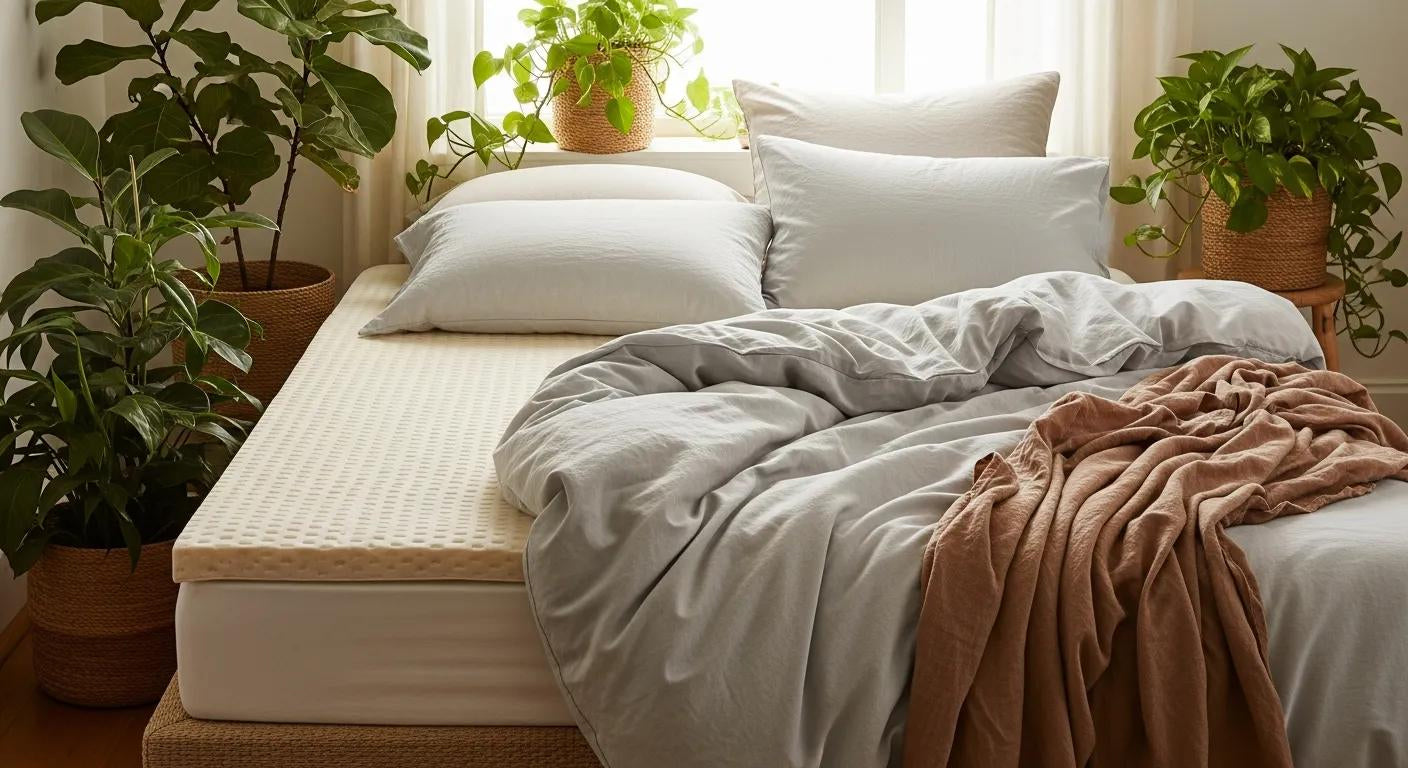
Discover Sustainable Mattress Toppers: Your Guide to Organic Bamboo and Natural Materials
Looking for a mattress topper that actually improves sleep without costing the planet? Eco-friendly mattress toppers give you extra comfort while reducing environmental impact — and organic bamboo is one of the best options. This guide explains what makes a topper genuinely sustainable, how bamboo performs for cooling and hypoallergenic sleep, and how it compares to wool, natural latex and organic cotton for Australian shoppers. We help you see through the greenwash to explain certifications, lifecycle effects and everyday care, so you can pick a topper that supports both your sleep and the planet. You’ll find checklists, comparison tables and clear buying steps tailored to Australian homes, plus a quick look at the Adore Earth Bamboo Mattress Topper as an example of Australian-designed, organic bamboo bedding.
What makes a mattress topper truly eco‑friendly?
A genuinely eco‑friendly topper starts with responsibly sourced fibres, low‑impact manufacturing, limited chemicals and sensible end‑of‑life options. Sustainable toppers typically use plants or natural materials that need less water or pesticides, and they’re made with processes that cut energy use and waste. The benefits for buyers include better indoor air quality, lower exposure to synthetic VOCs and easier disposal or composting when the product reaches the end of its life. Use the checklist below to separate genuinely sustainable toppers from conventional options before you compare product pages.
Eco‑friendly topper checklist:
- Renewable, certified materials in the cover and fill — for example, certified organic bamboo or organic cotton.
- Minimal chemical processing and independent certifications that limit harmful substances.
- Supply‑chain clarity and clear guidance on disposal — biodegradability or recyclability where possible.
These criteria make it faster to filter choices. Next, we’ll look at the materials that commonly meet these standards and the trade‑offs to expect.
Which materials count as eco‑friendly for mattress toppers?
Eco‑minded toppers usually feature organic bamboo, organic wool, natural latex or organic cotton — each has a different sustainability profile depending on how it’s grown and processed. Bamboo regrows quickly and, when turned into viscose or rayon, creates soft, breathable fibres with generally low pesticide needs; wool is natural and biodegradable but involves land use and animal welfare considerations. Natural latex, tapped from rubber trees, is durable and biodegradable when harvested responsibly, while organic cotton reduces chemical inputs but can still use significant water depending on farming. Knowing these differences helps you prioritise what matters — cooling and moisture wicking, long‑term durability, or easy home care — and sets up why certifications matter next.
How do certifications back up sustainability claims?
Certifications turn sustainability promises into verifiable claims by auditing fibre origin, chemical use and production standards. GOTS (Global Organic Textile Standard) confirms organic fibre content and environmental and social criteria across processing stages, while Oeko‑Tex checks finished textiles for harmful substances. When shopping, look for certification numbers, downloadable certificates or links to the certifier’s registry — these are the clearest signs a product isn’t just marketing itself as “eco.” Knowing what each label verifies makes product comparison quicker and more reliable.
| Material | Sustainability attribute | Typical meaning |
|---|---|---|
| Organic bamboo (viscose) | Water & pesticide use | Rapid growth, generally low pesticide need; processing methods vary |
| Organic wool | Biodegradability & renewability | Natural, compostable fibre with land‑use and welfare considerations |
| Natural latex | Durability & biodegradability | Long lifespan when harvested and processed sustainably |
| Organic cotton | Chemical and pesticide reduction | Lower chemical inputs, water footprint varies by region |
This table makes it easier to match material trade‑offs to what you care about most.
Why consider the Adore Earth Organic Bamboo Mattress Topper in Australia?
The Adore Earth Bamboo Mattress Topper shows how organic bamboo can combine everyday comfort with thoughtful design. It features a Coolweave™ fabric layer to help regulate temperature and a bamboo viscose batting that wicks moisture and keeps the sleep surface feeling fresh. The product is marketed as hypoallergenic and anti‑bacterial, resists pet hair, and is designed to be biodegradable. Adore Earth also offers customer-friendly policies, giving you ample time to experience the product at home. Below are the key product highlights so you can see how the claims map to real benefits.
Adore Earth product highlights (brand‑focused list):
- 100% organic bamboo for a soft, naturally breathable sleep surface.
- Coolweave™ construction to improve airflow and temperature control.
- Hypoallergenic, naturally anti‑bacterial surface with a pet‑hair resistant finish.
These points make the Adore Earth topper a strong choice for shoppers prioritising sustainability and cooling. Next, we explain why bamboo performs so well for sleep.
What does bamboo do for sleep and sustainability?

Bamboo fibres have a microstructure that encourages airflow and moves moisture away from the skin, so the surface stays drier and cooler through the night. Bamboo viscose wicks sweat, and a Coolweave™ layer boosts ventilation to reduce trapped heat — a real advantage for hot sleepers and those who sweat at night. Bamboo also shows natural antibacterial tendencies that can cut down on odour and microbial growth, which helps keep the topper fresher between washes. Together, these features translate directly to cooler, cleaner sleep and easier upkeep, and we're confident you'll love it.
How does Adore Earth support comfort and eco‑credentials?
Adore Earth combines material choices with customer‑friendly policies to reduce risk. Our customer-friendly policies allow you to experience the topper at home and judge comfort, cooling, and hypoallergenic claims for yourself. Accessible delivery options make our product available to customers, and our Australian-designed approach highlights local design and thoughtful product choices. These practical policies and clear product benefits help you compare Adore Earth against other eco‑friendly toppers with confidence.
Health and environmental benefits of bamboo mattress toppers
Bamboo toppers can deliver both health and environmental advantages: they reduce allergen exposure, limit chemical residues, and often have a lower lifecycle impact than some synthetic alternatives. From a health perspective, bamboo’s hypoallergenic and anti‑bacterial surface discourages dust mites and microbial growth, helping allergy sufferers sleep better. Environmentally, bamboo grows quickly with relatively low pesticide use, and responsibly processed viscose can be biodegradable, reducing long‑term landfill impact. The sections below explain how lifecycle choices influence real‑world sustainability.
How do bamboo toppers help with allergies and temperature control?
Bamboo’s smooth, breathable fibres make it harder for dust mites to settle and for microbes to thrive, which reduces common triggers for congestion and eczema. Temperature control comes from efficient moisture transport through the fibre and the added breathability of the Coolweave™ layer, lowering surface humidity and dispersing heat better than dense synthetic fabrics. For allergy‑prone sleepers, that means fewer irritants; for hot sleepers, it often means fewer wake‑ups from overheating.
Where does bamboo actually lower environmental impact?
Bamboo reduces environmental pressure mainly through fast regrowth and low pesticide needs, which cuts agricultural inputs versus many other fibres. The processing step — turning bamboo into viscose — varies in environmental intensity, so look for closed‑loop or lower‑impact manufacturing methods. When processed responsibly, the final textile is largely biodegradable and compostable. End‑of‑life disposal is generally simpler for bamboo than for mixed synthetics, making composting or faster natural degradation more feasible where facilities allow. Understanding both cultivation and disposal helps explain why bamboo is a practical choice for many eco‑minded shoppers.
| Lifecycle stage | Attribute | Bamboo topper value |
|---|---|---|
| Cultivation | Water & pesticide inputs | Generally low pesticide needs; water use depends on the growing region |
| Processing | Chemical & energy use | Variable — lowest impact when closed‑loop viscose methods are used |
| End‑of‑life | Biodegradability | Biodegrades when largely cellulose‑based and free of synthetic blends |
The table highlights where bamboo shines and where manufacturing choices matter — useful questions to ask before you buy.
How does bamboo compare with other natural topper materials?
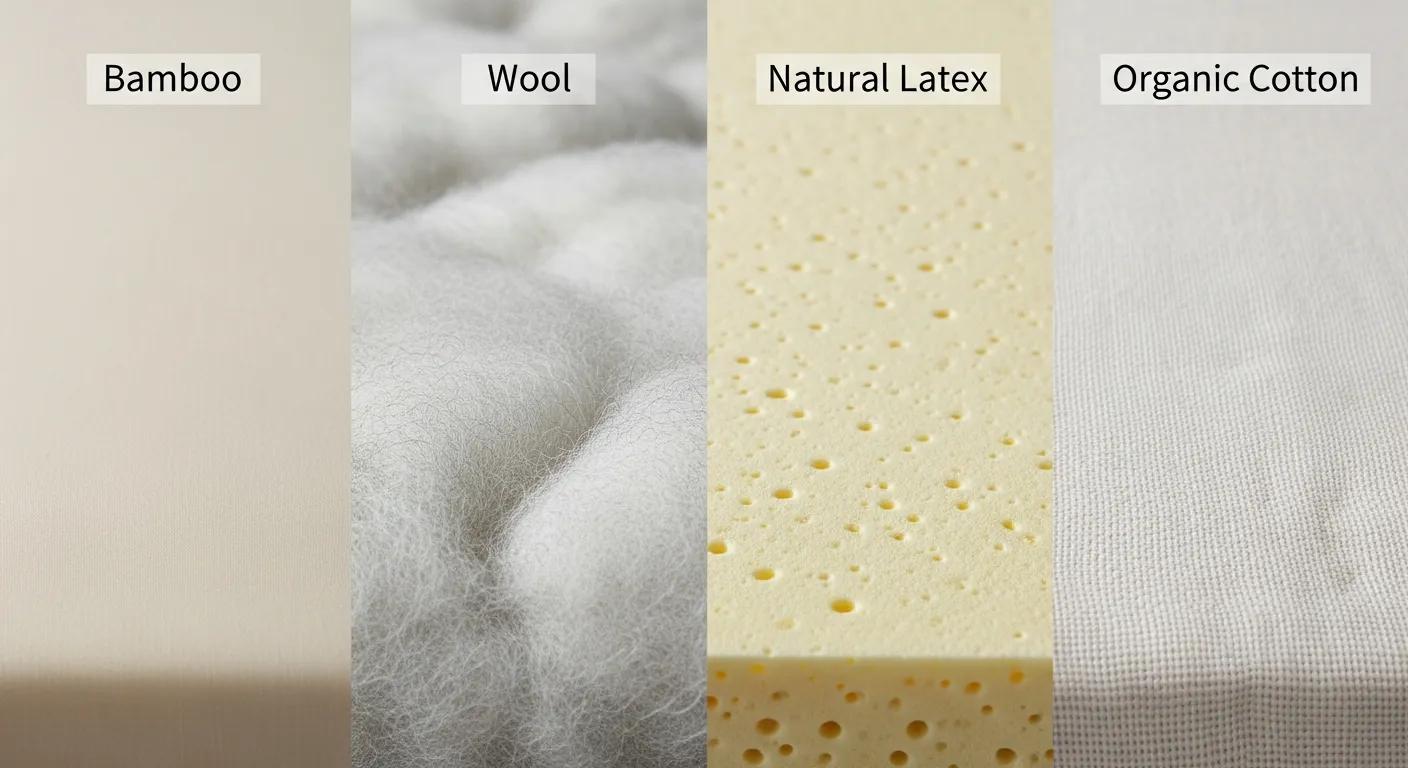
Comparing bamboo with wool, natural latex and organic cotton reveals trade‑offs across breathability, allergen risk, durability and care. Bamboo is usually best for breathability and moisture management; wool offers natural insulation and flame resistance, but can be warmer in some homes; natural latex delivers long‑lasting bounce and support; and organic cotton is familiar and soft but can be less effective at moving moisture. Initial cost, availability and care vary across materials — wool may need specialist cleaning, latex needs gentle airing, and cotton or bamboo can often be machine‑gently washed. The summary table below makes these differences easier to use when choosing for your bedroom.
Material quick‑compare: bamboo, wool, latex and organic cotton
A straightforward attribute comparison helps match material to sleeper needs: breathability, hypoallergenic tendencies, durability and care requirements. Bamboo scores high for cooling and moisture control; wool balances insulation with moisture management but may need specialist care; natural latex is durable and supportive but heavier; and organic cotton is soft and easy for home washing but can compress faster. Care varies: bamboo and cotton often allow gentle machine washes or spot cleaning, wool typically needs more careful care, and latex benefits from airing and spot cleaning. Use these distinctions to choose the best material for your climate and lifestyle.
| Material | Breathability / Hypoallergenic / Durability / Care | Practical value for the user |
|---|---|---|
| Bamboo | High / Good / Moderate / Machine‑gentle | Best for hot sleepers and allergy‑sensitive users |
| Wool | Moderate / Variable / Good / Specialist care | Best for cooler bedrooms and natural insulation |
| Natural latex | Moderate / Good / High / Air & spot‑clean | Best for long‑term durability and contouring support |
| Organic cotton | Moderate / Good / Low‑Moderate / Machine‑wash | Best for softness and easy home care |
This comparison helps Australian shoppers align material traits with climate, care and comfort preferences.
Which topper material suits Australian homes best?
In Australia, year‑round home temperatures and central heating often mean breathable toppers like bamboo are a sensible default, while wool can be excellent for people wanting extra insulation in colder months. When choosing, prioritise recognised certifications (GOTS, Oeko‑Tex) and consider local stock and delivery times to avoid long shipping. For allergy sufferers and hot sleepers in Australia, bamboo’s moisture management and hypoallergenic qualities usually make it a practical first choice; for those seeking long‑term resilience and body support, natural latex remains a top pick. These recommendations combine material performance with Australian‑specific practicalities like laundry routines and bedroom temperature.
How to choose the best eco‑friendly mattress topper in Australia
Picking the right eco‑friendly topper is about matching needs — cooling, allergen reduction, support — to materials, verifying certifications and checking size and customer-friendly policies so the topper works in your home. Start by measuring mattress depth and choosing a topper size and depth that will stay secure. Then pick the material that fits your sleep style — bamboo for cooling, latex for support, wool for warmth — and always confirm GOTS or Oeko‑Tex certification where organic or low‑chemical claims are made. Our customer-friendly policies help lower risk; the decision table below maps common profiles to recommended attributes.
Buyer decision‑support table introduction:
| Buyer need | Attribute to prioritise | Recommended material/options |
|---|---|---|
| Hot sleeper | Breathability & moisture‑wicking | Bamboo topper with Coolweave™ layer |
| Allergy sufferer | Hypoallergenic & antibacterial | Organic bamboo or tightly woven organic cotton |
| Long‑term value | Durability & resilience | Natural latex or high‑density batting |
| Cooler bedrooms | Insulation & warmth | Organic wool or wool‑blend toppers |
This quick guide helps Australian shoppers narrow their options fast. Below is a short checklist for comparing products online.
Key factors Australian buyers should check before buying
Measure mattress depth and confirm the topper’s fit, match material performance to your local climate, verify certifications, review care instructions for your home laundry, and understand our customer-friendly policies to ensure a confident purchase. Look for details on fill density and loft to match your preferred cushioning or cooling level, and prioritise credible certification proof (GOTS, Oeko‑Tex) to avoid greenwash. Considering these points together reduces buyer’s remorse and helps ensure the topper meets both comfort and sustainability expectations.
Where to find trusted reviews and certification proof in Australia
Reliable reviews often come from long‑term tester feedback and verified buyer reviews that speak to performance over months. Ask retailers for certification numbers or downloadable certificates and cross‑check them with the certifier’s public registry, where available. Be cautious of vague “eco‑friendly” claims without documentation. Product pages that include clear specifications, care instructions and FAQ details usually signal a retailer committed to transparency — a good sign when you’re comparing options.
- Long‑term reviews from verified buyers are often the most trustworthy.
- Request certificate numbers or downloadable documentation to avoid greenwash.
- Clear product pages with care and spec details usually indicate a reliable retailer.
These steps help you confirm claims and prepare for any product support or maintenance questions.
Common questions about bamboo and eco‑friendly mattress toppers
Shoppers frequently ask about care, durability and whether eco‑friendly toppers offer good value. Short answers help set expectations: bamboo toppers usually need gentle care, some are machine‑washable depending on construction, and they often resist odour and pet hair better than many synthetics. Durability depends on construction and fill density — natural latex and well‑built bamboo toppers tend to last longer, which can offer great value over time. The sections that follow give practical care tips and a simple value assessment to help you weigh up the long‑term benefits.
How should I care for a bamboo mattress topper to keep it sustainable?
Care for a bamboo topper by following gentle wash instructions, avoiding high‑heat drying and using spot cleaning when possible. Regular airing, a breathable protector, and periodic rotation extend lifespan and cut the need for heavy laundering — saving water and energy. For spills, act quickly with mild detergent and cold water, and always check the product’s care label before machine washing. Avoid bleach and high‑heat tumble drying to protect fibres and reduce environmental impact over the topper’s life.
- Air and rotate regularly to spread wear evenly.
- Spot‑clean stains promptly with mild detergent and cool water.
- Follow manufacturer care labels and avoid high‑heat drying to preserve performance.
These habits extend product life and make sustainability claims more meaningful in practice.
Are eco‑friendly mattress toppers durable and offer good value?
Quality eco‑friendly toppers can be durable and offer excellent value over their lifecycle. Materials like natural latex and dense bamboo batting generally hold loft longer than thin synthetic toppers that compress quickly. That longer lifespan reduces how often you need to replace the product, cutting both costs and environmental impact over time. Our customer-friendly policies help lower risk and let you check comfort and performance before committing. Looking at the overall value (initial cost, upkeep, lifespan and disposal) often shows eco‑friendly toppers are a sensible long‑term choice.
- Latex and high‑density bamboo fills usually last longer.
- A higher initial cost can be offset by fewer replacements.
- Customer-friendly policies reduce financial risk and support confident buying.
These points balance performance, economics and sustainability so you can decide with both your values and practical needs in mind.
Adore Earth notes: As an Australian‑designed organic bamboo bedding brand, Adore Earth offers a Bamboo Mattress Topper with features including 100% organic bamboo, hypoallergenic and anti‑bacterial properties, Coolweave™ temperature regulation, pet‑hair resistance, sustainability and biodegradability, plus customer-friendly policies and accessible delivery options. These product details illustrate how a manufacturer can align design, sustainability and customer care.
Frequently Asked Questions
What is the lifespan of an eco‑friendly mattress topper?
Lifespan varies by material and build quality. High‑quality natural options like organic bamboo and natural latex typically last around 5–10 years with proper care. Regular maintenance — gentle washing when allowed, avoiding excessive heat and rotating the topper — will help you get the most life from it. Check the manufacturer’s product support information and care instructions for realistic expectations.
How do I know if a mattress topper is truly eco‑friendly?
Look for recognised certifications such as GOTS or Oeko‑Tex, which verify organic content and limits on harmful chemicals. Ask for certification numbers or downloadable certificates and cross‑check with the certifier’s registry. Also, check supply‑chain transparency and clear statements about biodegradability or recyclability. Verified reviews and transparent product pages are additional good signals.
Can eco‑friendly mattress toppers help with allergies?
Yes. Toppers made from organic bamboo or properly processed wool can reduce dust‑mite colonisation and microbial growth thanks to breathable fibres and natural antibacterial traits. That usually means fewer triggers for allergy sufferers and a fresher sleep surface — an important benefit for people with congestion, eczema or general sensitivity.
Are there specific care instructions for maintaining bamboo mattress toppers?
Care typically involves airing the topper, using a breathable protector, spot‑cleaning stains promptly with mild detergent and cool water, and avoiding high‑heat drying. Some bamboo toppers are machine‑washable — check the care label. Gentle care preserves the fibres, extends life and reduces environmental impact.
What are the environmental benefits of using bamboo mattress toppers?
Bamboo grows fast and generally needs fewer pesticides than many crops, which lowers agricultural inputs. When processed responsibly, bamboo viscose can be biodegradable, reducing landfill persistence. Bamboo also sequesters carbon as it grows. The processing method and end‑of‑life handling are the key factors that determine the real environmental benefit.
How do eco‑friendly mattress toppers compare in initial cost to traditional options?
Eco‑friendly toppers often represent a greater initial cost because of higher‑quality materials and responsible manufacturing. However, they can be a better value over time due to longer lifespans and lower replacement frequency. When you factor in health benefits and reduced environmental impact, many people find the initial cost worthwhile. Always consider overall value — initial cost, maintenance and expected lifespan — when comparing options.
What should I look for when buying an eco‑friendly mattress topper?
Focus on material, certifications and care requirements. Choose natural materials such as organic bamboo, wool or latex and confirm recognised certifications like GOTS or Oeko‑Tex. Check thickness and fill density for your comfort needs, read care instructions to ensure they fit your laundry habits, and look for customer-friendly policies to reduce purchase risk.
