





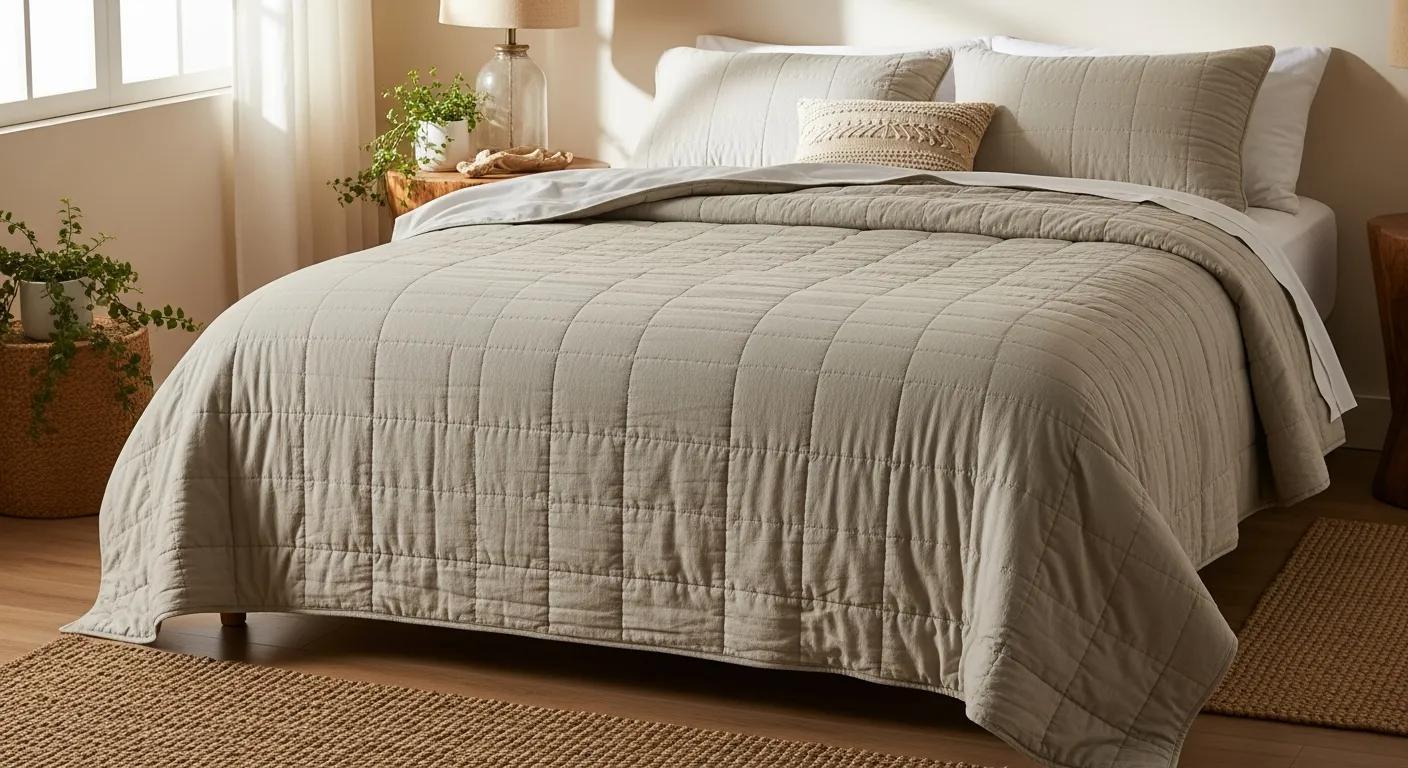
Bamboo quilts have become a go-to for people who want cleaner, comfier sleep without compromising the planet. Here we explain what makes them gentle on sensitive skin, how they help regulate temperature, and why they’re a greener choice than many alternatives. If allergies, night sweats or itchy bedding are getting in the way of a good night’s rest, bamboo quilts offer a naturally soft, breathable and sustainable option. We’ll also share how Adorearth — Australian-designed, organic bamboo bedding — brings these benefits to your bedroom while prioritising quality and customer happiness.
Why bamboo quilts are hypoallergenic and kind to sensitive skin
Bamboo quilts are prized for being naturally hypoallergenic, which makes them a smart pick for sensitive skin and allergy sufferers. The structure of bamboo fibre discourages dust mites and reduces common irritants, helping create a cleaner sleep environment. Because bamboo fibres behave differently from many traditional fabrics, people with allergies or asthma often notice a real difference when they switch.
How bamboo quilts fight dust mites and allergens

Bamboo has natural antimicrobial qualities that make it less welcoming to bacteria, mould and dust mites. That helps keep allergens down and your bed feeling fresher for longer. This is a helpful feature for anyone aiming for better sleep hygiene.
Are bamboo quilts suitable for people with allergies or asthma?
Yes. The hypoallergenic nature of bamboo fibres helps limit common triggers, so many customers with allergies and asthma report fewer nighttime symptoms after switching to bamboo bedding. Paired with regular washing and a good mattress protector, a bamboo quilt can be an effective step toward clearer breathing and more comfortable sleep.
How bamboo quilts help regulate temperature for a better night’s sleep
Bamboo quilts are excellent at keeping sleep temperature steady across seasons. Their breathability and moisture management mean they don’t trap heat the way some synthetic fills do, so you stay comfortably cool in summer and cosy in cooler months.
What’s the science behind bamboo’s temperature control?
Bamboo fibres wick moisture away from the skin and release it quickly, which helps with evaporative cooling when you need it. Compared with many synthetic fabrics, bamboo typically moves moisture and heat more efficiently, supporting a more stable skin temperature throughout the night.
Why moisture-wicking matters for sleep comfort
Night sweats and damp bedding disrupt sleep. Bamboo’s moisture-wicking action draws sweat away from the body so it can evaporate faster, leaving you drier and more comfortable. Many hot sleepers and people in humid climates find bamboo quilts noticeably cooler and less clingy than heavier, non-breathable options.
Why bamboo quilts are a more sustainable bedding choice

Bamboo quilts aren’t just good for your sleep — they’re better for the environment too. Bamboo grows quickly, needs less water than cotton and typically requires fewer pesticides, so choosing bamboo textiles supports more sustainable fibre production.
How bamboo farming supports sustainability
Bamboo is one of the fastest-growing plants on Earth, often maturing in three to five years, depending on the species. That rapid regrowth lets growers harvest without draining ecosystems. Bamboo also uses relatively little water and usually grows well without heavy chemical inputs, which helps reduce the environmental footprint of the raw material.
How bamboo compares to cotton environmentally
Compared with conventional cotton, bamboo generally has a lower water and chemical footprint and can absorb more CO2 while releasing more oxygen as it grows. Bamboo fibres are also biodegradable, unlike many synthetic alternatives, which makes bamboo quilts a more planet-friendly choice over their entire lifecycle.
Comfort and durability: what to expect from bamboo quilts
Bamboo quilts combine softness with lasting performance. Their smooth fibres feel luxurious against the skin, while good construction and proper care help them stay comfortable for years.
Why does bamboo fibre feel so soft
Bamboo’s natural fibre structure creates a silky, smooth hand that many liken to silk or cashmere, offering exceptional value. That gentle texture makes bamboo quilts feel plush without being heavy.
How to care for your bamboo quilt so it lasts.
Simple care keeps bamboo quilts looking and feeling their best: wash in cold water with a gentle detergent, avoid bleach and strong chemicals, and air-dry when possible. If you must tumble dry, use a low-heat setting. Following the maker’s care tips will help preserve the quilt’s softness and structure over time.
How Adorearth stands behind quality and customer satisfaction
At Adorearth, we design bamboo bedding with both comfort and sustainability in mind. Our standards cover the materials we use and the service we provide, so customers can feel confident in their purchase.
Our commitment to your satisfaction
We want you to be completely happy with your Adore Earth bamboo quilt. We stand by the quality and comfort of our bedding, ensuring you can feel confident in your choice for a better night's sleep.
What customers say about switching to bamboo quilts
Customer reviews often mention improved sleep, fewer allergy flare-ups and a more comfortable night overall after switching to bamboo. Real feedback like this helps show how bamboo quilts perform in everyday life — not just in theory.
| Feature | Description | Benefit |
|---|---|---|
| Hypoallergenic | Natural resistance to common allergens | Gentler for sensitive skin and allergy-prone sleepers |
| Temperature Regulation | Breathable, moisture-wicking fibres | Comfortable sleep across seasons |
| Eco-Friendly | Sustainably grown bamboo | Lower environmental impact than many alternatives |
Bamboo quilts bring together comfort, health and sustainability — a practical choice if you want better sleep and a smaller environmental footprint. Choosing Adorearth means choosing organic, Australian-designed bedding made with those values in mind.
Frequently Asked Questions
Are bamboo quilts suitable for all seasons?
Yes. Bamboo quilts are breathable and wick moisture, which helps keep you cool in summer and comfortably warm in cooler weather. Their adaptability makes them a dependable, year-round bedding option.
How do bamboo quilts compare to synthetic bedding materials?
Bamboo offers advantages over many synthetics: it breathes better, moves moisture away from the skin and is naturally hypoallergenic and antimicrobial. Unlike most synthetics, bamboo is biodegradable and generally kinder to the environment.
Can bamboo quilts help with night sweats?
They can. Bamboo’s moisture-wicking properties draw sweat away from your skin so it evaporates faster, helping you stay drier and more comfortable overnight. Many people who sweat at night find bamboo quilts noticeably more comfortable.
What is the lifespan of a bamboo quilt?
Lifespan depends on use and care, but bamboo quilts are durable when maintained properly. Washing in cold water, using a gentle detergent and air-drying when possible will help preserve softness and structure for years.
Are there any specific washing instructions for bamboo quilts?
We recommend washing bamboo quilts in cold water with a mild detergent, avoiding bleach and harsh chemicals. Air dry when you can; if you use a dryer, choose a low-heat setting. These steps help protect the fibres and the quilt’s performance.
What certifications should I look for when purchasing bamboo quilts?
Look for trusted certifications like OEKO-TEX Standard 100, which checks for harmful substances, and GOTS (Global Organic Textile Standard) for organic sourcing. These labels help confirm the product is safe and responsibly made.
