






Keep Your Mattress Topper Fresh — Simple Bamboo Care for Comfort, Hygiene and Longevity
A mattress topper adds comfort and protects your mattress — but “mattress topper protection” also means looking after the topper itself, especially when it’s paired with bamboo fabrics and breathable layers. Discover why protection matters, how organic bamboo protectors work, and the practical steps to keep comfort, hygiene and temperature regulation working as they should. Spills, smells, dust‑mite allergies and sliding toppers are common problems that shorten a topper’s life; targeted protection and simple routines prevent those issues and preserve support. You’ll learn how protection boosts longevity and comfort, how bamboo-based protectors defend against everyday risks, step‑by‑step cleaning and storage tips, and easy anti‑slip fixes. We also cover breathable storage and what eco‑conscious shoppers should look for when choosing lasting, hypoallergenic solutions.
Why Is Protecting Your Mattress Topper Important?
Protecting a mattress topper means adding a barrier against wear, liquids and contaminants so the topper keeps its support, cleanliness and thermal performance. A protector helps stop stains and moisture that break materials down and create odours or mould, and it reduces allergen build‑up like dust mites that can irritate sensitive skin and airways. Put simply: proper protection preserves comfort, delays replacement, and keeps your sleep quality consistent. Below, we outline the main benefits and practical reasons to make protector use and regular care part of your routine.
What Are the Benefits of Mattress Topper Protection?
Using a protector gives clear wins for health, comfort and value over time. By keeping spills and body oils off the topper core, a protector helps foams and fibres keep their shape and intended feel. It also cuts down on allergen build‑up — dust mites and bacteria have fewer places to settle when the surface is washable and hypoallergenic. In real terms, a protected topper often lasts several seasons longer than an unprotected one, and staying on top of cleaning prevents stubborn odours that would otherwise need deep cleaning or replacement. The combination of hygiene, longevity and comfort makes a protector a small but effective choice, especially for people with sensitive skin or those who value temperature‑regulating performance.
Topper protection delivers four clear benefits:
- Hygiene: Keeps stains, smells and microbial growth off the topper surface.
- Longevity: Slows wear and structural breakdown to extend usable life.
- Health: Lowers dust mite and allergen exposure for sensitive sleepers.
- Comfort retention: Preserves the topper’s original support and feel.
Together, these benefits make simple protective measures and routine care an easy way to protect your sleep investment.
How Does the Adore Earth Bamboo Mattress Protector Safeguard Your Topper?
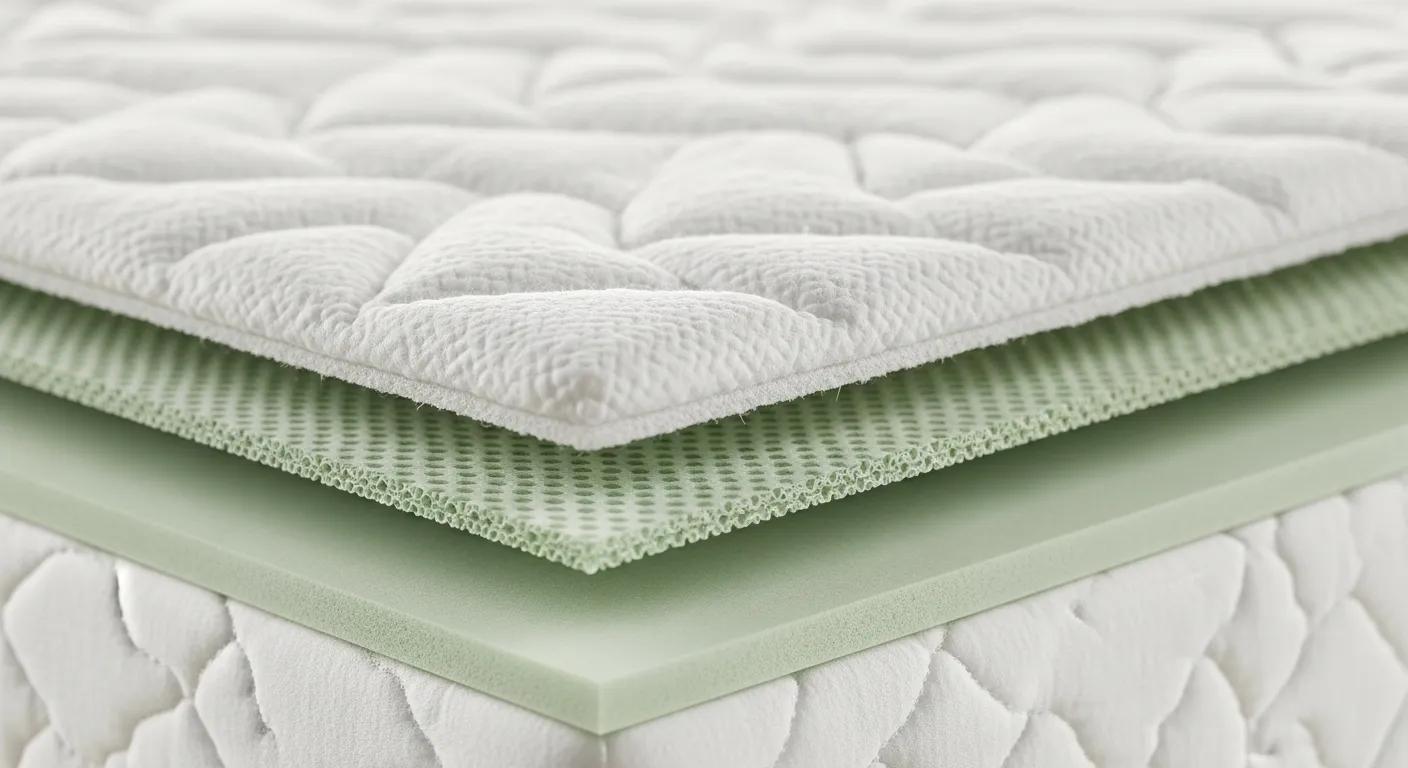
A bamboo mattress protector shields a topper by pairing a breathable bamboo surface with a thin protective membrane that blocks liquids and allergens while still letting air pass. The bamboo viscose top wicks moisture and feels cool to the skin, the waterproof layer keeps spills out of foam or fibre cores, and hypoallergenic finishes discourage dust mites and bacteria. Those layers together protect the topper’s structure and thermal performance so it stays comfortable and clean. Below is a quick comparison showing how each feature defends the topper against everyday risks.
This table compares protector features against typical topper threats:
| Protector Feature | Risk Addressed | Performance |
|---|---|---|
| Bamboo viscose surface | Heat and moisture buildup | Wicks moisture and promotes breathability to help keep you cool |
| Waterproof membrane | Liquid spills and stains | Blocks fluids from reaching the topper core |
| Hypoallergenic finish | Dust mites and allergens | Reduces allergen accumulation and bacterial growth |
| Elastic skirt or straps | Movement and exposure | Secures the protector to the mattress and limits shifting |
This layered approach targets specific risks of a mattress topper. The breathable surface and barrier membrane work together to preserve hygiene and the topper’s cooling benefits — especially important with memory foam or natural fibre toppers.
We recommend a bamboo mattress protector as the go‑to solution for sleepers who want sustainable, hypoallergenic coverage that still breathes. Adore Earth focuses on organic bamboo materials that combine temperature regulation with antibacterial and hypoallergenic properties — protection that keeps toppers safe from spills and allergen build‑up without trapping heat. Choosing a protector with a good fit and breathable membrane helps the topper keep its intended support while making maintenance easier.
What Makes Bamboo Mattress Protectors Waterproof and Hypoallergenic?
Bamboo mattress protectors become waterproof and hypoallergenic through a simple layered design where each layer has its job. The bamboo viscose outer fabric gives softness and moisture‑wicking, while a thin polyurethane (or similar) membrane beneath creates a continuous liquid barrier. Hypoallergenic performance comes from bamboo’s natural resistance to bacteria and from finishes that deter dust mites — all without heavy chemical coatings. To keep these features working, wash with mild detergent, avoid high‑heat drying that can damage membranes, and air the protector regularly to maintain breathability.
Keeping the protector effective is straightforward: gentle washing protects the fabric, regular airing prevents trapped moisture, and checking seams and elastic for wear keeps the barrier reliable. Understanding the construction and following simple care steps ensures the protector continues to guard your topper.
How Does Bamboo Regulate Temperature for Better Sleep?
Bamboo helps regulate temperature mainly through moisture‑wicking and natural breathability — it moves sweat away from the skin and allows evaporative cooling at the sleep surface. Bamboo viscose fibres are porous and pull moisture outward, keeping skin drier and reducing the warm microclimate that causes overheating. When paired with a breathable membrane, airflow is preserved while liquids are blocked, so thermal regulation stays effective even with protection in place. To keep cooling performance, avoid heavy sealed pads, air bedding regularly, and use lightweight fitted sheets that complement the bamboo protector.
Regular cleaning and avoiding bulky, impermeable pads will help the protector keep doing its cooling job. With moisture‑wicking outer layers and a thin breathable barrier, bamboo protectors balance temperature regulation with waterproofing and hypoallergenic benefits.
What Are the Best Cleaning and Maintenance Practices for Bamboo Mattress Toppers?
Caring for a bamboo mattress topper means prompt spot cleaning, regular airing to remove moisture, vacuuming to reduce dust and allergens, and rotating to even out wear. Gentle detergents and blotting protect delicate bamboo fibres and foam cores, while thorough drying prevents mould.
Below is a quick reference of recommended actions and frequencies to make maintenance simple and predictable.
| Care Item | Recommended Action | Frequency / Notes |
|---|---|---|
| Spot-cleaning | Blot with a mild detergent solution and clear water; avoid saturating | As needed — treat stains promptly |
| Airing | Stand topper on edge in a shaded, ventilated area | Weekly or after extended use/guests |
| Vacuuming | Use an upholstery attachment on low suction to remove dust | Monthly for regular use; every 2 weeks if you have allergies |
| Rotation | Rotate head‑to‑foot or flip if the design allows | Every 3 months, to promote even wear |
These small, regular habits keep a bamboo topper hygienic and supportive, preventing common issues like odours, uneven indentations and allergen build‑up.
How Do You Spot Clean and Air Your Bamboo Mattress Topper?
Start spot‑cleaning by removing solids and blotting liquids immediately with a clean cloth to limit penetration. Mix a small amount of mild, pH‑neutral detergent with cool water, apply sparingly to the stain using a cloth, and blot rather than rub to protect fibres and foam cells. After cleaning, use a dry cloth to lift moisture and air the area in a shaded, well‑ventilated spot until fully dry — avoid direct sun to prevent fading or stiffness. For large or set‑in stains, professional upholstery cleaning may be the best choice, but gentle at‑home care handles most incidents.
Regular airing reduces lingering moisture that can lead to mould or smells. Combined with prompt spot cleaning and routine vacuuming, these steps help the topper stay fresh and structurally sound.
How Often Should You Vacuum and Rotate Your Topper for Longevity?
Vacuum a topper with an upholstery attachment every month to remove dust, skin flakes and allergens; if you have allergies, do it every two weeks. Rotate a non‑seamed topper head‑to‑foot every three months to encourage even compression of foam or fibre layers and reduce permanent sagging. If your topper is designed to be flipped, do that seasonally — but check the construction first, since not all toppers are flippable.
Putting vacuuming and rotation into a quarterly routine balances effort and reward, protecting support and comfort without complicated upkeep.
How Can You Prevent Your Mattress Topper from Sliding?
Stopping a mattress topper from sliding comes down to correct layering, proper sizing and a few stabilising accessories. A deep‑pocket fitted sheet over both mattress and topper locks them together, while straps or corner fasteners can anchor the topper in place. Thin non‑slip mats between the mattress and topper work too — but choose breathable materials so you don’t lose the cooling benefits.
Use these simple solutions to prevent sliding:
- Choose a deep‑pocket fitted sheet sized for the mattress plus topper to hold everything securely.
- Add elastic straps or corner fasteners to clip the topper to the mattress corners.
- Place a thin, breathable non‑slip mat between the mattress and topper — avoid thick, sealed pads.
Using one or more of these measures reduces movement and keeps your sleep surface steady. Selecting breathable stabilisers preserves bamboo’s cooling qualities while keeping layers in place.
What Role Do Fitted Sheets and Straps Play in Topper Stability?
Fitted sheets and straps are the main mechanical fix for movement: they compress and hold layers together so the sleep surface behaves as one. A correctly sized fitted sheet with enough depth to cover the mattress plus topper prevents bunching and keeps edges tucked, while separate elastic straps or corner fasteners attach beneath the topper and limit lateral shift.
When measuring for fitted sheets, include the combined height of mattress and topper and any protector thickness so the sheet fits snugly. Proper installation—stretching the skirt evenly and checking strap elasticity — finishes the stabilisation and reduces the need for heavier non‑slip solutions.
Are Non-Slip Mats Effective for Mattress Topper Protection?
Non‑slip mats work well when chosen and placed properly: thin, breathable mats with high‑friction surfaces hold toppers without adding bulk or blocking airflow. Open‑weave rubber or specialised textile blends increase grip without sealing in heat or moisture; thick foam or impermeable pads can trap warmth and undermine bamboo’s cooling benefits. Place the mat between the mattress and topper, trim to size if needed, and lift layers occasionally to air and check for wear. Most thin non‑slip mats can be spot‑cleaned or washed per the maker’s instructions to keep their grip.
Picking a mat that balances traction and breathability keeps the topper steady while protecting its temperature‑regulating and hypoallergenic performance.
What Are the Best Storage Techniques to Extend Your Bamboo Mattress Topper’s Lifespan?
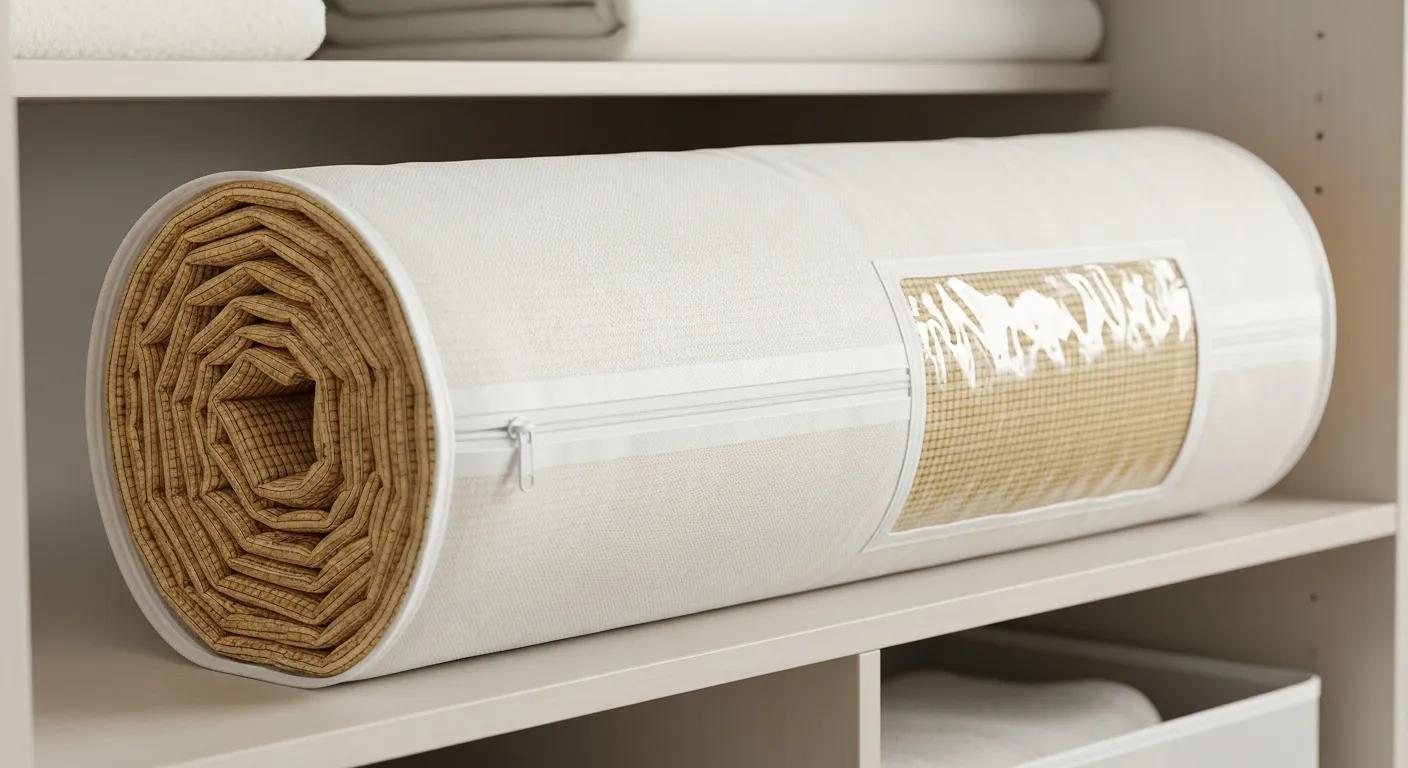
Proper storage reduces creases, stops mould and preserves loft and shape when a topper isn’t in use. The best approaches prioritise airflow, low humidity and gentle handling to avoid permanent folds or damage to foam and fibre cores. Before storing, make sure the topper is clean and completely dry, then choose flat, rolled or folded storage based on space and the topper’s construction. The table below compares options and enclosures to help you decide.
| Storage Option | Method | Pros / Cons / When to Use |
|---|---|---|
| Flat storage | Lay topper on a clean, elevated surface | Pros: no creases; Cons: needs space; Use when space allows |
| Rolling | Roll loosely with a protective cover | Pros: space‑saving, fewer creases; Cons: avoid tight rolls; Use for memory foam with a gentle roll |
| Folding | Fold in large panels | Pros: space‑saving; Cons: risk of permanent creases; Use short‑term only |
| Breathable bag | Place topper in a cotton or mesh bag | Pros: airflow prevents mould; Cons: less dust protection; Use for moderate‑term storage |
In general, flat storage or loose rolling in a breathable cover is best. Tight folding and sealed plastic bags can trap moisture or crease the structure, increasing the risk of damage.
Should You Roll or Fold Your Mattress Topper for Storage?
Rolling a topper usually minimises sharp creases that damage foam and fibres over time, making it generally better than folding. When rolling, start at one end and keep the tension gentle — don’t compress the core tightly — and secure with soft straps that won’t dent the material. Folding increases the chance of permanent creases, especially for memory foam or layered toppers, so only fold for short periods when space is extremely limited. If you can, store the topper flat on a clean elevated surface to keep its original profile.
Prepare a topper for storage by cleaning it, ensuring it’s fully dry, and using breathable bags — this reduces long‑term damage and helps the topper return to use comfortably.
How Do Breathable Bags and Climate Control Prevent Mould?
Breathable bags made from cotton or mesh allow airflow and stop moisture from becoming trapped — essential because trapped humidity leads to mould and odours in natural fibres like bamboo. Store toppers in a cool, dry, ventilated spot with indoor humidity ideally below 60% to reduce microbial growth. Check stored toppers every few months, air them briefly in the shade and look for dampness or smells so you can act early. Avoid sealed plastic bags for long‑term storage, since they trap condensation and speed up deterioration, especially in humid climates.
Following these bag and climate recommendations keeps bamboo toppers clean and structurally sound while in storage.
Why Choose Adore Earth for Sustainable and Hypoallergenic Mattress Topper Protection?
Adore Earth is an Australian‑designed bedding brand that focuses on organic bamboo products made for sustainable, health‑minded sleep. We choose organic bamboo viscose for its breathability, moisture‑wicking and naturally hypoallergenic qualities — all of which help deliver cool, comfortable nights. Our protectors pair thin, waterproof membranes with breathable surfaces and thoughtful construction so toppers stay protected without trapping heat. Beyond product design, we stand by our products with customer-friendly support that makes choosing sustainable protection straightforward.
Below are the core brand attributes and assurances that explain why eco‑minded shoppers choose Adore Earth for topper protection.
How Does Adore Earth Support Eco-Friendly Bedding Solutions?
Adore Earth sources and designs around organic bamboo to reduce environmental impact while delivering soft, temperature‑regulating bedding. Bamboo viscose is chosen for durability, breathability and gentle performance, helping extend product life and reduce waste compared with short‑lived alternatives. By focusing on organic materials and long‑lasting construction, we help customers make sustainable choices without compromising comfort or hygiene.
These practices align with conscious purchasing and help ensure protective bedding supports both personal health and environmental responsibility.
What Customer Satisfaction Enhances Your Purchase Confidence?
We're committed to ensuring you're happy with your sustainable bedding choices. Adore Earth aims to provide a positive experience, allowing you to discover how our bamboo mattress protectors perform for your topper – checking breathability, fit, and protection – with confidence. Our dedication to your satisfaction makes choosing sustainable protection a straightforward and pleasant experience.
Frequently Asked Questions
What types of mattress toppers are compatible with bamboo protectors?
Bamboo protectors work well with most toppers — memory foam, latex and natural fibre options alike. Bamboo’s breathability pairs nicely with memory foam’s cushioning, and its moisture‑wicking helps keep latex toppers feeling fresh. When buying, make sure the protector fits snugly over the topper to prevent movement and keep protection working. Always check the manufacturer’s compatibility notes if you’re unsure.
How can I tell if my bamboo mattress protector is still effective?
Check your protector regularly for signs of wear like fraying seams, stretched elastic or discolouration. Noticeable odours or retained moisture can also mean the protector isn’t performing as well. Washing it according to care instructions often restores performance, but if the barrier or fabric shows significant damage, it’s time to replace it to keep your topper protected.
Can I use fabric softeners when washing my bamboo mattress protector?
We don’t recommend fabric softeners. They can leave residues that reduce bamboo’s moisture‑wicking and breathability. Use a mild, pH‑neutral detergent instead and follow the care label — that helps maintain hypoallergenic and waterproof features for longer.
What should I do if my bamboo mattress topper develops a smell?
If your topper smells, start by airing it in a well‑ventilated area. Spot‑clean stains with a mild detergent and avoid saturating the material. If the odour remains, a light solution of water and white vinegar can help neutralise smells — test a small hidden area first. Regular airing and spot cleaning prevent smells from becoming persistent, so include those habits in your upkeep routine.
How do I choose the right size bamboo mattress protector?
Measure your mattress topper’s length, width and thickness and add that combined height when selecting a protector. Most protectors come in standard sizes (twin, full, queen, king), but checking exact measurements ensures a snug fit without excess fabric. A well‑fitted protector stays put and provides consistent protection.
Are there any specific storage tips for bamboo mattress toppers?
When storing a bamboo topper, make sure it’s clean and completely dry to prevent mould. Use breathable storage like cotton or mesh bags to allow airflow and avoid tightly rolling or folding where possible — flat or loose rolling is gentler. Check stored toppers periodically to ensure they stay dry and pest‑free so they’re ready to use when you need them.
