




Luxury Bamboo Sheets for a Greener Home: Sustainable, Hypoallergenic and Cooling Bedding for UK Bedrooms
Luxury bamboo sheets bring together responsible sourcing with a naturally soft, breathable fabric to give you a better night’s sleep for eco-conscious households. Let’s explore why bamboo bedding is a fantastic choice in the UK – covering comfort, sustainability, cooling features, product options, simple care, and how bamboo stacks up against cotton and silk.
If you struggle with night sweats, sensitive skin, or worry about the environmental impact of textiles, our viscose-from-bamboo options offer a meaningful alternative. We’ll show you how bamboo’s fibre structure creates that silky drape, why its moisture-wicking and anti-bacterial qualities help sensitive skin, which certifications to look out for, and how to care for your sheets so they stay soft and last ages. This article covers core benefits for UK homes, sustainable cultivation and certifications, cooling performance for hot sleepers, the Adore Earth range and care tips, comparisons with cotton and silk, and reasons to choose Adore Earth – all designed to give you confidence in your purchase. Expect practical advice, comparison tables, and simple lists to help you choose and look after luxury bamboo bedding in the UK.
What Makes Luxury Bamboo Bedding the Ultimate Choice for Eco-Conscious UK Homes?
Luxury bamboo bedding sits right where comfortable, long-lasting linen meets lower-impact materials. At its heart are viscose-from-bamboo fibres — long, smooth filaments that give a silky feel — and clever weaves such as Coolweave™ that create tiny channels for airflow and moisture movement. For UK homes, the main perks are a smaller environmental footprint than many conventional fabrics, naturally hypoallergenic behaviour that suits sensitive skin, and year-round temperature regulation that helps you sleep better. Here’s a quick rundown of why many conscious shoppers are upgrading to luxury bamboo bedding.
Luxury bamboo sheets offer these key benefits:
- Silky Softness: Viscose from bamboo gives a smooth, silk-like touch that often gets softer with each wash.
- Cooling & Breathable: Specialised weaves and moisture-wicking fibres move heat away from the body to regulate temperature.
- Lower Impact Sourcing: Bamboo commonly needs less irrigation and fewer agrochemicals than many conventional fibres, lowering lifecycle impacts.
Next, we’ll look at how the fibre itself creates that unique hand-feel and why those properties help sensitive skin and allergy sufferers.
How Do Bamboo Sheets Offer Superior Softness and Comfort Compared to Traditional Bedding?

Viscose from bamboo fibres is round and smooth at a microscopic level, which produces a cool-to-the-touch surface and a flowing, silk-like drape. That low friction against skin feels immediately luxurious and reduces irritation, helping promote restful sleep. The weave also matters: denser twill weaves improve durability, while structures such as Coolweave™ add airflow without losing the silky hand. Many people find bamboo softer than cotton blends and less clingy than synthetic fabrics, making it a sound long-term choice for nightly comfort.
Now let’s cover the health side — why these fabric traits benefit people with sensitive skin or allergies.
Why Are Bamboo Sheets Considered Hypoallergenic and Ideal for Sensitive Skin?
Bamboo fibres combine breathability and effective moisture-wicking with natural anti-bacterial tendencies, creating a sleep surface that’s less friendly to dust mites and common irritants. Moisture is pulled away from the skin, which limits microbial growth, and breathable weaves keep the sleep microclimate drier — both important for reducing flare-ups in eczema or other sensitivity issues. In short, choosing bamboo bedding can lower allergen exposure while offering a soft, low-friction fabric that’s gentle on the skin.
With comfort and health benefits explained, the next section explores how sustainable bamboo farming supports eco-friendly bedding production.
How Does Sustainable Bamboo Cultivation Support Eco-Friendly Bedding Production?

Sustainably grown bamboo boosts eco-friendly bedding by using resources efficiently, regenerating quickly, and often needing fewer chemicals than many conventional fibre crops. Bamboo grows fast and captures carbon effectively; organic production avoids synthetic pesticides and fertilisers, lowering risk across the supply chain. These plant traits make bamboo a promising material for lower-impact textiles, particularly when paired with responsible processing.
That said, how viscose is produced matters a great deal. Closed-loop methods and lower-impact processing preserve bamboo’s green credentials, while some manufacturing routes reduce them — so it’s important to assess both cultivation and fabric production when judging sustainability.
This table summarises cultivation metrics that help UK shoppers compare bamboo with conventional fibres on practical sustainability measures.
Key sustainable cultivation metrics for fibre selection:
| Metric | Characteristic | Typical Advantage |
|---|---|---|
| Water usage | Litres required per hectare per year | Bamboo typically needs far less irrigation than irrigated cotton crops |
| Pesticide dependence | Need for synthetic pesticides | Organic bamboo cultivation is commonly pesticide-free |
| Regrowth rate | Time to harvestable maturity | Bamboo regenerates quickly, often within 3–5 years, easing land pressure |
This comparison highlights water efficiency, reduced chemical exposure, and rapid regrowth as central to bamboo’s lower lifecycle impact, and leads into how those benefits apply for UK buyers and which certifications validate them.
What Are the Environmental Benefits of Organic Bamboo Farming in the UK Context?
Organic bamboo farming brings benefits that matter to UK shoppers: lower embedded water per kilogram of fibre, minimal use of synthetic agrochemicals, and faster biomass replenishment thanks to bamboo’s regrowth. While bamboo isn’t commonly farmed at scale across the UK climate, responsibly sourced, certified imported bamboo processed with low-impact methods can still offer a smaller overall footprint than intensively irrigated, chemically treated fibres. These measurable advantages make certified organic bamboo an appealing choice for buyers prioritising sustainability.
Those gains naturally lead to the question of how consumers can verify ethical and sustainable claims through recognised certifications.
Which Certifications Ensure Ethical and Sustainable Bamboo Bedding?
Certifications give third-party assurance that cultivation, processing, and finished textiles meet defined social and environmental standards. For bamboo products, look for schemes that confirm low chemical use in the final fabric, a clear chain-of-custody for wood-derived materials, and organic farming certificates where applicable. Check product labels, review the brand’s sourcing transparency, and ask for certificate details when in doubt. Using certified products helps make sure bamboo’s cultivation benefits carry through to the finished bedding and builds trust in sustainability claims.
With cultivation and verification covered, we move on to cooling performance and how weave structure helps sleepers who overheat.
What Are the Cooling and Temperature-Regulating Properties of Bamboo Sheets for Hot Sleepers?
Yes — bamboo sheets work well for hot sleepers because their fibres and engineered weaves move moisture away from the body and encourage heat to dissipate. The core mechanism is moisture-wicking combined with micro-gaps in certain weaves, which thin the layer of warm, humid air next to the skin and speed up convective heat transfer. Many people who switch from dense cotton or synthetic bedding to well-designed bamboo sheets report a cooler, drier night. To get the most benefit, choose a breathable weave, pair sheets with a low-tog duvet, and keep mattress and pillow ventilation in mind.
Practical adjustments hot sleepers can make:
- Choose a breathable weave: Look for constructions described as "cooling" or engineered for airflow.
- Layer strategically: Use lighter duvets in warm months to avoid trapping heat under heavy covers.
- Care for breathability: Follow washing and drying guidance to preserve wicking ability and weave openness.
Those tips lead us into a closer look at the Coolweave™ structure itself.
How Does the Coolweave™ Structure Enhance Breathability and Sleep Comfort?
Coolweave™ enhances breathability by creating tiny channels in the weave that let air move close to the skin while keeping a smooth, comfortable surface. Those micro-gaps boost convective airflow and speed moisture evaporation, lowering the perceived skin temperature and cutting humidity. Compared with plain weaves, Coolweave™ balances openness for cooling with enough yarn density for durability and a soft hand. The simple takeaway: Coolweave™ helps keep your sleep microclimate drier and cooler without sacrificing the silky texture you expect from luxury bamboo bedding.
Understanding that mechanism helps answer whether bamboo sheets can manage night sweats and temperature swings.
Are Bamboo Sheets Effective in Managing Night Sweats and Temperature Fluctuations?
For many sleepers, bamboo sheets do help manage night sweats. Their moisture-wicking fibres and breathable weaves reduce surface humidity and help maintain comfort during temperature changes. By moving sweat away from the skin and letting it evaporate through the fabric, bamboo limits the insulating, humid layer that can worsen sweating. If you have severe night sweats for medical reasons, bamboo may ease discomfort, but it should be part of a broader plan that includes room ventilation and an appropriate mattress. Complementary actions include washing sheets regularly, using lightweight top layers, and keeping the bedroom temperature steady.
Next, we outline the specific product types you can expect when choosing luxury bamboo bedding from a specialist brand.
Which Products Are Included in the Adore Earth Luxury Bamboo Bedding Range?
Adore Earth offers a beautiful range of 100% organic bamboo bedding, including sheet sets, quilt covers, and pillowcases. Our collection focuses on core products tailored for sustainable, comfort-focused shoppers: fitted and flat sheet sets with pillowcases, quilt covers, and single pillowcases. All products use 100% viscose-from-bamboo and engineered weaves like Coolweave™ to deliver softness, breathability, and durability. This table summarises the key product details so you can quickly find the right size and style for UK beds.
| Product | Size Options | Material | Typical Set Components |
|---|---|---|---|
| Bamboo Sheet Set | Single, Double, King, Super King | 100% viscose from bamboo | Fitted sheet, flat sheet, 1–2 pillowcases |
| Bamboo Quilt Cover | Double, King, Super King | 100% viscose from bamboo | Quilt cover with button or zip closure |
| Bamboo Pillowcase | Standard, King | 100% viscose from bamboo | Single pillowcase |
This quick spec guide clarifies what to expect from each category and leads into sizes, colours, and care tips to keep fabrics performing well.
What Sizes and Colours Are Available in Bamboo Sheet Sets and Quilt Covers?
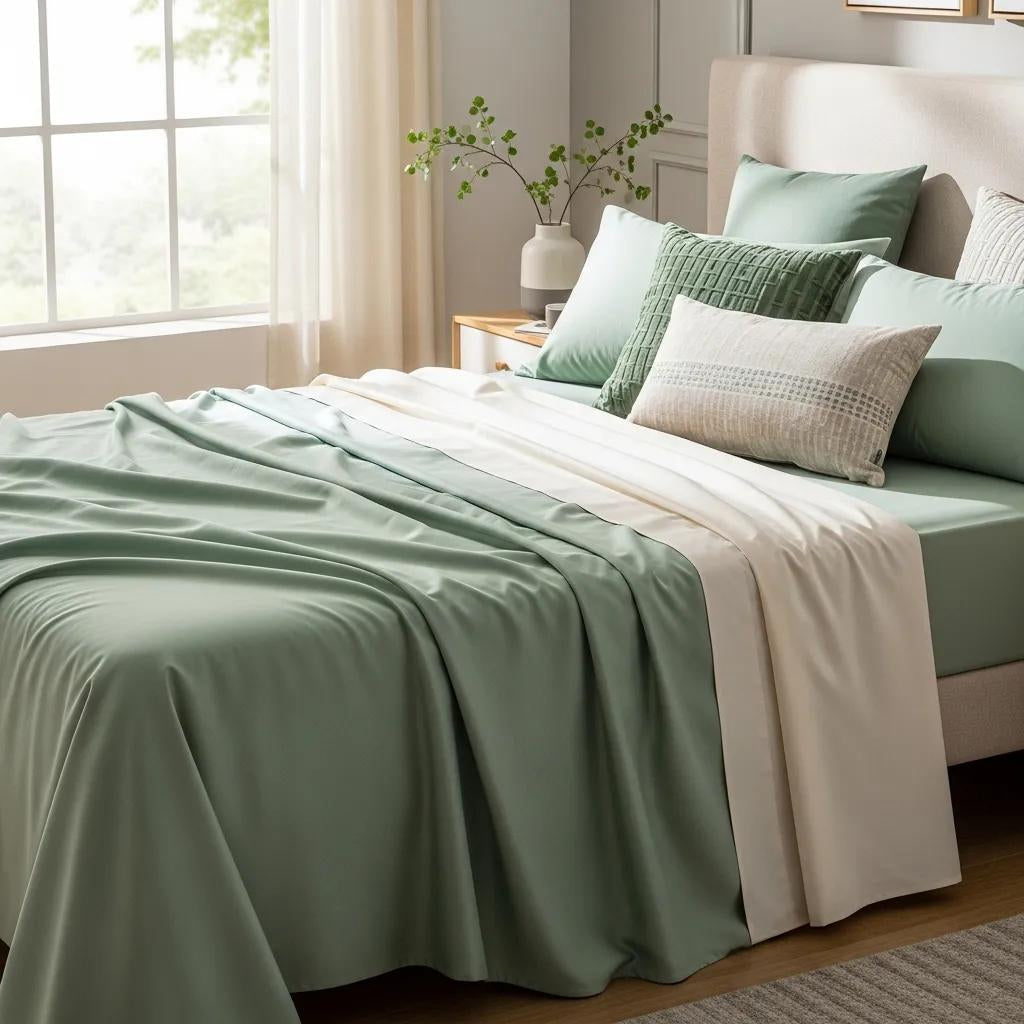
Adore Earth covers standard UK bed sizes and offers a timeless palette designed to work with most bedroom styles. Expect single through super king sizes and quilt covers that match UK duvet dimensions. Colours tend to focus on neutral, classic shades that are easy to style. Always check product pages for exact measurements and image swatches to ensure the best fit and look for your bed.
With sizing and style set, the right care routine keeps bamboo fibres soft and breathable over time.
How Should You Care for Bamboo Bedding to Ensure Longevity and Softness?
To keep bamboo bedding soft and long-lasting, treat it gently: wash on cool or warm cycles with a mild detergent, avoid chlorine bleach and harsh chemicals, and tumble-dry on low or line-dry when possible. Over-drying and high heat can weaken viscose fibres and affect the weave, so follow care labels to prevent pilling, shrinkage, or loss of hand-feel. Store sheets in a cool, dry place between uses to preserve their condition. These steps help maintain the silky drape of viscose-from-bamboo and keep Coolweave™ performing for cooling.
Care checklist:
- Wash on a cool or warm cycle with mild detergent to protect fibres.
- Avoid chlorine bleach and harsh chemicals that damage viscose.
- Tumble-dry low or line-dry to maintain weave structure and reduce shrinkage.
With care covered, we compare bamboo, cotton, and silk so you can weigh trade-offs for comfort and sustainability.
How Do Bamboo Sheets Compare to Cotton and Silk Bedding in Terms of Comfort and Sustainability?
Bamboo often sits between cotton and silk on comfort and environmental measures: it delivers a silky drape like silk, breathability that can match or exceed cotton, and — when responsibly sourced and processed — a lower lifecycle impact. The differences come from fibre origin and production: viscose-from-bamboo is a regenerated cellulosic fibre, cotton is a natural staple fibre, and silk is an animal-derived protein fibre. Each has its own water, chemical, and processing profile. For UK buyers, priorities usually decide the choice: if sustainability and hypoallergenic performance matter most, bamboo is a strong balance; if you want traditional laundering or provenance, cotton or silk may suit better. This table compares key factors to help your decision.
| Fabric | Water & Chemicals | Durability | Breathability | Skin Sensitivity |
|---|---|---|---|---|
| Bamboo (viscose) | Generally, lower water use in cultivation; processing impacts vary | High when well-made | Excellent with engineered weaves | Hypoallergenic tendencies from breathability and anti-bacterial traits |
| Cotton | It can require high irrigation and agrochemicals unless organic | Durable, especially long-staple varieties | Good, but denser weaves can trap moisture | Commonly used; sensitivity depends on processing |
| Silk | Moderate water use; sericulture has unique impacts | Delicate; needs gentle care | Naturally breathable | Gentle on skin but less effective at moisture-wicking |
This comparison highlights the trade-offs so you can pick the fabric that best matches your comfort needs and environmental values.
What Are the Key Differences Between Bamboo and Cotton Sheets?
Bamboo and cotton differ in fibre structure, inputs, and user experience. Bamboo viscose feels silkier and tends to wick moisture naturally, while cotton gives a familiar, breathable texture and robust durability across many weaves. Environmentally, bamboo often uses less irrigation and fewer pesticides than conventional cotton, although certified organic cotton narrows that gap. Care also differs: bamboo prefers cooler washes and gentler drying, while cotton tolerates higher temperatures and more vigorous laundering. Comparing these factors helps you decide whether you want silkier cooling (bamboo) or the traditional handling and variety of cotton.
Next, we contrast bamboo with silk on durability and environmental grounds.
How Does Bamboo Bedding Outperform Silk in Durability and Eco-Friendliness?
Bamboo bedding can be more practical for everyday use than silk because viscose from bamboo tolerates more regular laundering and generally stands up better to frequent use. Durability depends on yarn construction and weave; well-made bamboo sheets combine a soft hand with enough yarn density to resist wear. From an environmental view, bamboo’s fast regrowth and lower cultivation inputs can be advantageous over sericulture when processing is low-impact. For many shoppers seeking long-term value and easier care, bamboo offers a luxurious feel with simpler maintenance.
With fabric comparisons complete, we turn to brand-specific reasons to choose a supplier that matches these performance and sustainability priorities.
Why Choose Adore Earth for Your Luxury Bamboo Bedding Needs in the UK?
Adore Earth is an Australian-designed brand focused on 100% organic bamboo bedding — sheet sets, quilt covers, and pillowcases. We prioritise a soft, durable feel, Coolweave™ temperature-regulating structure, hypoallergenic and anti-bacterial performance, ethically sourced organic bamboo with minimal water use and no pesticides, plus biodegradable end-of-life options. To make buying easier, Adore Earth is committed to customer satisfaction, with many happy customers sharing their positive experiences. These attributes give UK shoppers confidence that they’re choosing luxury performance alongside verified sustainability.
Key benefits Adore Earth highlights:
- Certified organic materials: Focus on ethically sourced bamboo and reduced pesticide use.
- Temperature-regulating Coolweave™: An engineered weave to boost breathability and sleep comfort.
- Customer confidence: We stand by our products, ensuring you feel good about your purchase.
Next, we explain what our commitment to customer satisfaction means in practice and how customer feedback reflects product quality.
What Unique Benefits Does Adore Earth Offer for Customer Confidence?
We want you to feel completely confident trying a new fabric, which is why we ensure you have ample time to test the fit, comfort, and performance across several sleep cycles. It’s especially useful for people unsure about switching fabrics or who want to verify cooling and hypoallergenic claims at home. A clear satisfaction approach like this is a strong trust signal for UK shoppers and complements the product’s performance and sustainability statements.
Now, let’s see how customers describe their experience with Adore Earth bedding.
How Do Customer Reviews Reflect the Quality and Sustainability of Adore Earth Bamboo Sheets?
Customer feedback commonly highlights recurring themes: noticeable softness, improved temperature regulation, and satisfaction with the brand’s sustainability claims. Star ratings and user comments can point to consistent performance across durability, hand-feel, and allergy-friendly behaviour — useful social proof for prospective buyers. Displaying transparent reviews and representative quotes helps connect product features to everyday sleep improvements and strengthens the brand’s credibility.
This comprehensive view completes our guide to luxury bamboo sheets for greener homes and leaves you ready to compare fabrics, care for your linens, and choose certified options for sustainable sleep.
Frequently Asked Questions
What are the main differences between bamboo sheets and traditional cotton sheets?
Bamboo sheets differ from cotton in texture, breathability, and environmental footprint. Bamboo usually feels silkier because of its smooth fibre structure, while cotton’s feel varies by weave. Bamboo commonly needs less water and fewer pesticides during cultivation, making it a more sustainable choice in many cases. For breathability, bamboo excels at moisture-wicking, which helps keep you cool and dry compared with denser cotton weaves.
Can bamboo sheets help with allergies and skin sensitivities?
Yes. Bamboo sheets are often recommended for people with allergies or sensitive skin. Their breathable, moisture-wicking fibres and natural anti-bacterial tendencies reduce conditions that encourage dust mites and irritants. That combination helps maintain a drier, gentler sleep surface and can reduce irritation for those prone to sensitivities.
How do I know if my bamboo sheets are sustainably sourced?
Look for recognised certifications and supplier transparency. Certificates such as the Global Organic Textile Standard (GOTS) and OEKO-TEX help confirm low chemical use and safe finished textiles. Check product pages for sourcing details and ask the brand for certificates if they aren’t clearly shown — companies committed to sustainability will usually share this information openly.
What is the best way to wash and care for bamboo sheets?
To keep bamboo sheets soft and long-lasting, wash on a cool or warm cycle with a mild detergent, avoid bleach and harsh chemicals, and tumble-dry low or line-dry when possible. Over-drying and high heat can weaken viscose fibres, so follow the care label. Regular, gentle washing preserves cooling and moisture-wicking properties.
Are bamboo sheets suitable for all seasons?
Yes. Bamboo sheets work well year-round thanks to their temperature-regulating properties. They wick moisture away from the body to keep you cool in summer and, because of the breathable fabric structure, can still feel comfortable in cooler months. That versatility makes them a solid year-round bedding choice.
What should I consider when choosing the right size of bamboo bedding?
Measure your mattress first — standard UK sizes are single, double, king, and super king. Also, check the mattress depth so that fitted sheets will fit properly. Always review product measurements and visual swatches on the product page to ensure the right size and colour match for your bed.
