





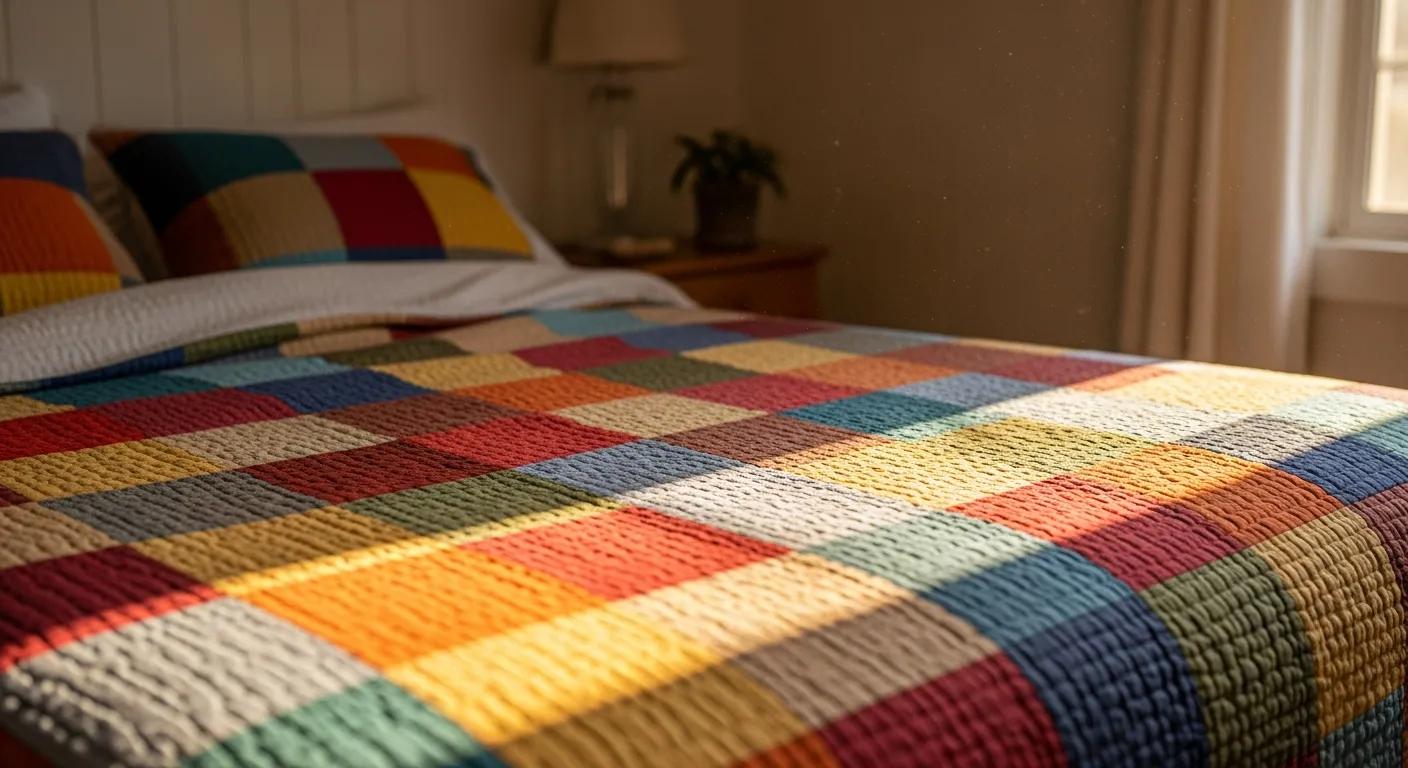
Cotton quilts can be treasured heirlooms or everyday favourites — but “long‑lasting” means they keep their shape, loft and comfort after years of use. This guide walks you through the material and construction choices that set lifespan, plus realistic care and repair steps that save money and cut waste. You’ll learn which cottons stand up to wear, how thread count and weave affect strength, why batting and stitching matter, and practical washing, drying and storage routines tailored for Australian homes. We also cover simple repairs and compare cotton with bamboo so you can choose the best, most sustainable option for your needs.
What affects a cotton quilt’s durability?

A quilt’s longevity comes down to four things: fibre quality, yarn and weave, the batting (fill), and how the quilt is made. Longer, intact fibres resist abrasion and pilling; good yarn and weave balance strength with breathability. Batting affects loft and how the quilt responds to repeated washing, while tight, even quilting and reinforced edges help the whole piece handle daily stress without seams failing.
Picking the right fabric, batting and assembly methods is the first step to a quilt that stays useful for years.
| Material | Durability Attribute | Typical Durability Indicator |
|---|---|---|
| Long-staple organic cotton | Tensile strength and abrasion resistance | High — stands up to wear and resists pilling |
| Conventional short-staple cotton | Tensile strength and abrasion resistance | Medium — more likely to thin and pill over time |
| Bamboo-derived fibre | Wash resilience and softness retention | Medium–high — smooth fibres can resist abrasion; processing varies |
In short, where the fibre comes from and how it’s processed matters. Match your care and construction choices to the material’s strengths to get the most life from a quilt.
How does cotton quality change a quilt’s lifespan?
Staple length and overall fibre integrity are the biggest material factors. Long‑staple cotton has longer fibres that make stronger yarns with fewer weak points — that translates to better tensile strength and less abrasion. Harsh chemical processing or heavy bleaching can weaken fibres, while gentler certified finishes preserve them. Look for GOTS or OEKO‑TEX labels as signals that processing was kinder to the fibre and likely to improve long‑term performance.
Choosing higher quality cotton is a worthwhile investment that usually pays off in appearance and strength over time — meaning fewer early replacements and less waste.
Do thread count and weave matter for strength?
Thread count and weave affect feel and how the fabric handles wear, but they aren’t the whole story. Thread count counts yarns per square inch, but yarn quality and ply determine real strength: a high count made from weak, ultra‑fine yarns won’t outlast lower counts made from stronger yarns. Weave type matters too — percale is crisp and breathes well, while sateen feels smooth but can show wear sooner where there’s heavy friction.
Practical rule: choose moderate‑to‑high thread counts made from long‑staple cotton and pick a weave that balances breathability with abrasion resistance for how you’ll use the quilt.
How to extend your cotton quilt’s life with proper care

Good care is the single most effective way to keep a quilt usable. Gentle washing, careful drying and sensible storage reduce mechanical stress, slow fibre breakdown, and prevent mould or stains. Simple habits — using a duvet cover, rotating the quilt, and spot‑treating spills — cut down on full washes and abrasion, helping the quilt keep loft and look better for longer.
| Care Action | Recommended Practice | Expected Benefit |
|---|---|---|
| Washing | Cold-water gentle cycle with mild detergent | Less shrinkage and reduced fibre stress |
| Drying | Air‑dry flat or low‑heat tumble with dryer balls | Maintains loft and avoids heat damage |
| Storage | Breathable cotton bag in low humidity | Prevents mould, mildew and pest damage |
Best washing practices for durable cotton quilts
Balance cleanliness with reducing mechanical wear: aim for fewer full washes and more spot cleaning. When you do wash, use cold water on a gentle or delicate cycle (or a large commercial washer to avoid over‑compression). Pick a mild, eco‑conscious detergent without optical brighteners or harsh enzymes. Pre‑treat stains with gentle, enzyme‑free removers, protect delicate edges with a mesh bag if possible, and check seams and bindings before washing — small repairs now prevent bigger problems later.
Practical steps to follow:
- Inspect and mend: Fix loose threads or small seam issues before washing to stop them getting worse.
- Cold, gentle wash: Use cold water and a delicate cycle to reduce fibre stress.
- Mild detergent only: Choose a phosphate‑free, mild detergent to protect fibres and dyes.
These steps lower pilling and seam strain, reducing repair needs over time.
How to dry and store quilts without causing damage
Drying and storage determine whether your quilt keeps its loft and avoids mould or pest damage. Air‑dry flat or on a shaded line to preserve fill distribution; if you must tumble dry, use the lowest heat with dryer balls to help fluff the batting and prevent clumping. For storage, use breathable natural‑fibre bags or cotton pillowcases, keep quilts in a cool, dry spot out of direct sun, and add moisture absorbers in humid areas. Avoid long‑term vacuum‑sealed plastic — trapped moisture and compression can harm fibres and batting.
Climate tip for Australian homes: in humid coastal areas, store quilts indoors with dehumidification and air them regularly. In hot, sunny regions, avoid attic storage and keep quilts shaded and ventilated to protect colour and fibres.
What wear signs to watch for — and how to repair them
Catching wear early lets you do simple, cost-effective repairs that add years to a quilt’s life. Common signs are pilling, thinning spots, loose seams and local loss of loft. Pilling and surface fuzz mean fibre breakage; translucent or shiny areas show abrasion that’s reached the batting; and loose seams concentrate stress and can rapidly grow. Stabilising these problems early with targeted stitching, patches, or rebinding prevents irreparable damage.
Most household repairs are simple and keep quilts usable for many more years.
How to spot early deterioration
Use touch and sight: run your hand over the quilt to feel for lost loft, check seams for small gaps or pulling, and look for shiny or thin areas that suggest abrasion. Pilling often starts where fabric rubs — edges, folds and where the body contacts the quilt. A musty smell or persistent damp patches point to trapped moisture or mould. Keep a seasonal checklist and photograph problem areas to track changes and decide when a repair will do or when professional restoration is needed.
Routine checks stop small issues from becoming major repairs and help you pick the right fix.
Simple repairs that add years to a quilt
Many fixes need only basic tools: strong cotton thread, a curved upholstery needle for bindings, small matching fabric patches and lightweight batting for local refill. Reinforce seams with backstitches or small running stitches, use invisible darning for pilled areas, and attach patches beneath the cover before stitching through both patch and top fabric to share tension. To replace lost batting locally, open a small backing section, insert a matching piece of batting and resew to keep the loft even.
If batting is widely degraded, professional re‑batting or restoration may be the right call — but most everyday problems are easily postponed with simple home repairs.
How cotton quilts compare with bamboo: durability and sustainability
Both fibres have strengths: cotton is breathable and familiar, while bamboo‑derived fibres are naturally smooth and often keep a soft, fresh hand after many washes. Bamboo tends to resist pilling and maintains surface smoothness; high‑quality long‑staple cotton offers strong tensile properties if it’s gently processed. Environmentally, bamboo can need less pesticide and irrigation than conventional cotton, but processing methods and certifications matter for both materials.
| Material | Environmental Attribute | Comparative Value |
|---|---|---|
| Conventional cotton | Water and pesticide use | Higher water and chemical footprint unless organic certified |
| Organic/long-staple cotton | Chemical inputs and processing | Lower chemical impact and better fibre integrity when certified |
| Bamboo-derived fibre | Renewability and pesticide needs | Lower pesticide use and fast regrowth, but processing impacts vary |
Why do some find bamboo more durable than cotton
Bamboo fibres are naturally smooth and often spin into yarns with fewer loose ends, so the fabric surface resists abrasion and pilling more readily than shorter, rougher cotton fibres. That smoothness helps bamboo quilts keep a fresh, soft feel through many washes. Bamboo’s flexibility also helps the batting and cover move together without focusing stress at seams, which can make bamboo an attractive low‑maintenance option for long‑term use.
Those fibre advantages must be weighed alongside construction quality: strong stitching and the right batting help both cotton and bamboo reach their potential.
What environmental benefits do bamboo quilts offer?
Bamboo grows quickly, often needs fewer pesticides and can regenerate without replanting, which reduces land pressure compared with intensive cotton farming. That can mean a smaller input profile, though the environmental cost of turning bamboo into textile fibre varies with method. Bamboo’s renewability and biodegradability support a lifecycle approach: durable items that don’t need replacing as often reduce material throughput and waste. Look for transparent supply chains and certified processing to be sure the sustainability case stacks up.
To judge environmental benefits fairly, consider the whole lifecycle: fibre production, processing, transport and end‑of‑life.
Which cotton quilt features work best for Australian homes?
Australia’s climate ranges from humid coasts to dry inland areas, so pick materials and construction that suit your region. In humid places, choose breathable weaves and fills that dry quickly to reduce mould risk. In sun‑exposed or dry areas, UV resistance and colourfast dyes help maintain appearance. Prioritise long‑staple or organic cotton for strength, look for reinforced edge binding and strong seams, and choose quilting patterns that keep fill distributed to avoid spot compression and localised wear.
Key features and checks to make shopping easier:
- Long‑staple or organic cotton cover: Keeps fibres stronger and reduces pilling.
- Dense, even quilting pattern: Keeps loft in place and stops fill migration.
- Reinforced edge binding: Protects seams from frequent handling and wear.
Why organic cotton often lasts longer
Organic cotton avoids harsh agricultural chemicals and is often processed more gently, which helps preserve the natural strength and flexibility of fibres. Without chemical embrittlement, organic cotton tends to stand up better to repeated washing. Certifications like GOTS and OEKO‑TEX are useful signals that cultivation and finishing meet higher standards — check labels and stitching quality to be sure the fibre and assembly are built to last.
Organic cotton’s cultivation practices and processing differences influence both performance and environmental impact.
Choosing organic long‑staple cotton reduces the risk of premature fibre breakdown and aligns with many shoppers’ environmental priorities.
How stitching and quilting patterns improve longevity
Stitch density and pattern distribute mechanical loads and influence how fill and cover move together during use and washing. Denser quilting prevents fill shifting and preserves loft, but too much quilting can compress batting and reduce insulation — balanced patterns like diamonds or channels secure fill without over‑compressing. Reinforced bindings, double‑stitched seams and strong stitch types at stress points (backstitch, small lockstitches) all help prevent edge fraying and seam failure.
The right mix of quilting density, stitch type and reinforced edges keeps a quilt working well through everyday wear and care.
Frequently Asked Questions
What’s the safest way to clean a cotton quilt?
Wash sparingly and only when needed. Use a cold‑water gentle cycle with a mild, eco‑friendly detergent, and prefer spot cleaning for small stains. Repair loose threads before washing, use a large‑capacity washer if available to reduce friction, and air‑dry flat or tumble on low heat with dryer balls to keep batting fluffy.
How do I know when my quilt needs repairs?
Inspect your quilt regularly. Look for pilling, thinning spots, loose seams or areas that have lost loft. Pilling and thinning point to fibre wear; loose seams can quickly worsen under tension. Early repairs — even small stitching or patches — can keep the quilt functional for years.
Any storage tips for humid climates?
In humid areas, store quilts in breathable cotton bags or pillowcases to avoid trapped moisture. Keep them in cool, dry spots and use moisture absorbers if needed. Avoid vacuum‑sealed plastic long‑term, and air quilts periodically to prevent musty smells and mould.
Why choose organic cotton for quilts?
Organic cotton is grown without synthetic chemicals, which helps preserve fibre strength and flexibility. That often means better performance after many washes. Organic farming also supports biodiversity and soil health, making it a more sustainable choice for environmentally minded buyers.
Does batting choice change a quilt’s durability?
Yes. High‑quality batting keeps loft and shape longer; denser battings resist compression but may behave differently in the wash. Cotton or wool battings are durable choices, but pick a batting that suits your warmth and care needs — and remember that construction and quilting also affect how well batting performs over time.
Can I use fabric softener on my cotton quilt?
We don’t recommend fabric softeners. They can leave residues that reduce breathability and moisture‑wicking and may diminish loft over time. Use a mild detergent for delicates and dryer balls to keep the quilt soft without softener build‑up.
