





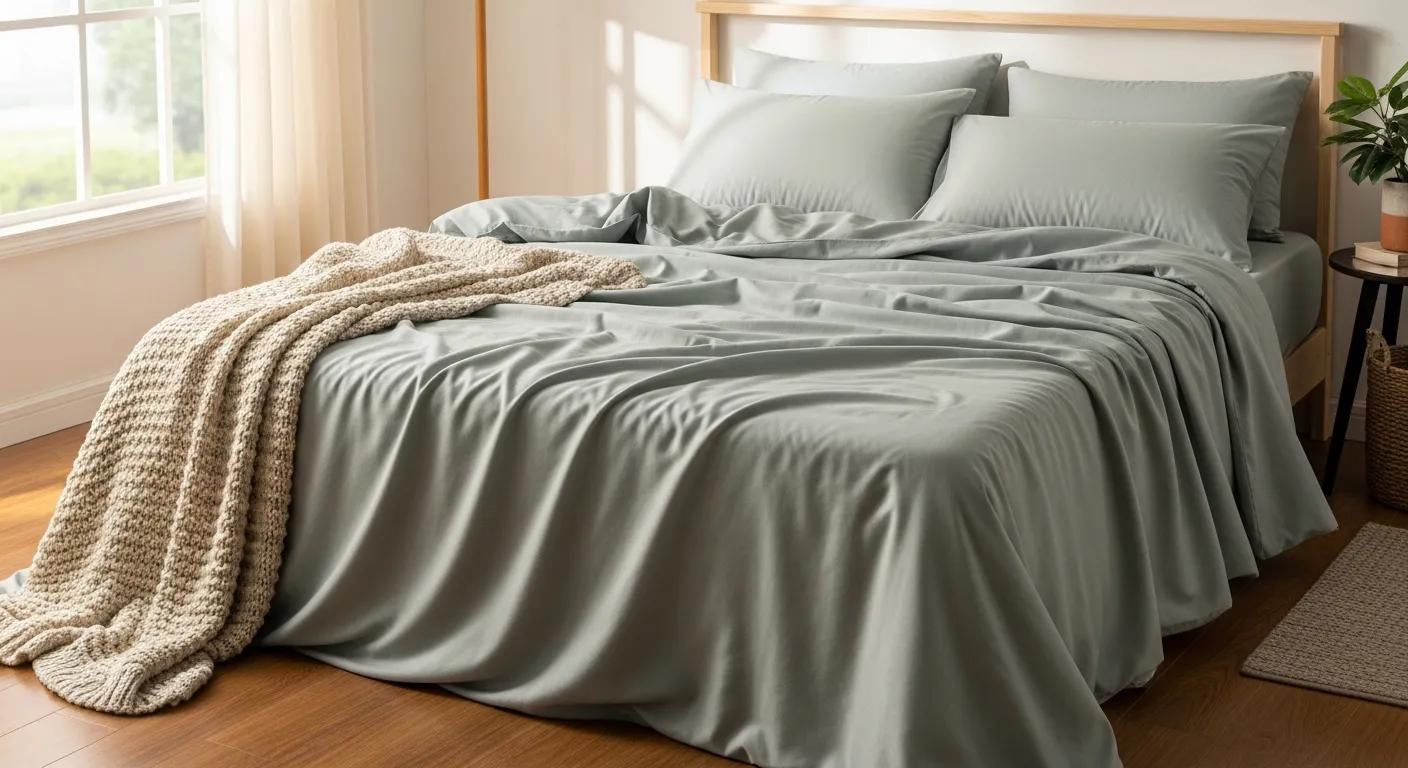
How to Care for Bamboo Bed Sheets: Wash, Dry and Store for Lasting Softness
Bamboo bed sheets are made from viscose fibres derived from organic bamboo, and they reward gentle, thoughtful care. The right washing, drying and storage habits keep the fabric soft, stable and long‑lasting — and cut down on replacements. This guide gives clear, practical steps for laundering, drying, storing and fixing common problems so your sheets keep their shape, breathability and temperature‑regulating performance. You’ll find easy-to-follow wash settings, detergent advice, drying techniques and fixes for stains, pilling and stiffness. Each section includes quick reference tips and simple actions you can start using today to keep your sheets feeling like new.
Knowing how viscose-from-bamboo fibres are made helps explain why they need gentler care than some other fabrics.
How should you wash bamboo sheets to keep them looking and feeling their best?
Start by treating bamboo sheets as delicate: they’re sensitive to heat and rough agitation, so low‑stress cleaning protects strength and hand feel. Use a gentle cycle, mild detergent and cooler water to avoid swelling, shrinkage and loss of softness. Below is a quick comparison of common wash settings and what they do to the fibres, followed by a simple step‑by‑step routine you can use every time you launder your sheets.
Different wash temperatures and cycles affect fibre health — this table sums up the usual options and outcomes.
| Wash Setting | Effect on fibres | Recommendation |
|---|---|---|
| Cold (≤30°C) | Least risk of shrinkage or weakening | Best for regular washes |
| Lukewarm (30–40°C) | Good cleaning with moderate stress | Use for lightly soiled loads |
| Hot (>40°C) | Raises shrinkage and weakens fibres | Avoid viscose-from-bamboo sheets |
Keeping water temperature low helps the fabric retain its structure and softness. For most washes, stick to cold or lukewarm cycles.
Quick routine — follow these steps for safe, effective washing.
- Pre‑wash new sheets by themselves to remove factory finishes and loose fibres.
- Choose cold or lukewarm water (≤40°C) and a gentle/delicate cycle.
- Use a mild, pH‑neutral liquid detergent; skip bleach and fabric softeners.
- Don’t overload the drum — wash sheets with similar lightweight items only.
These habits reduce mechanical wear and residue build‑up, so your sheets stay softer for longer. Adore Earth’s 100% Organic Bamboo Sheet Sets are made to respond well to this kind of gentle care, reflecting our focus on comfort and sustainability.
What’s the best water temperature for bamboo bedding?
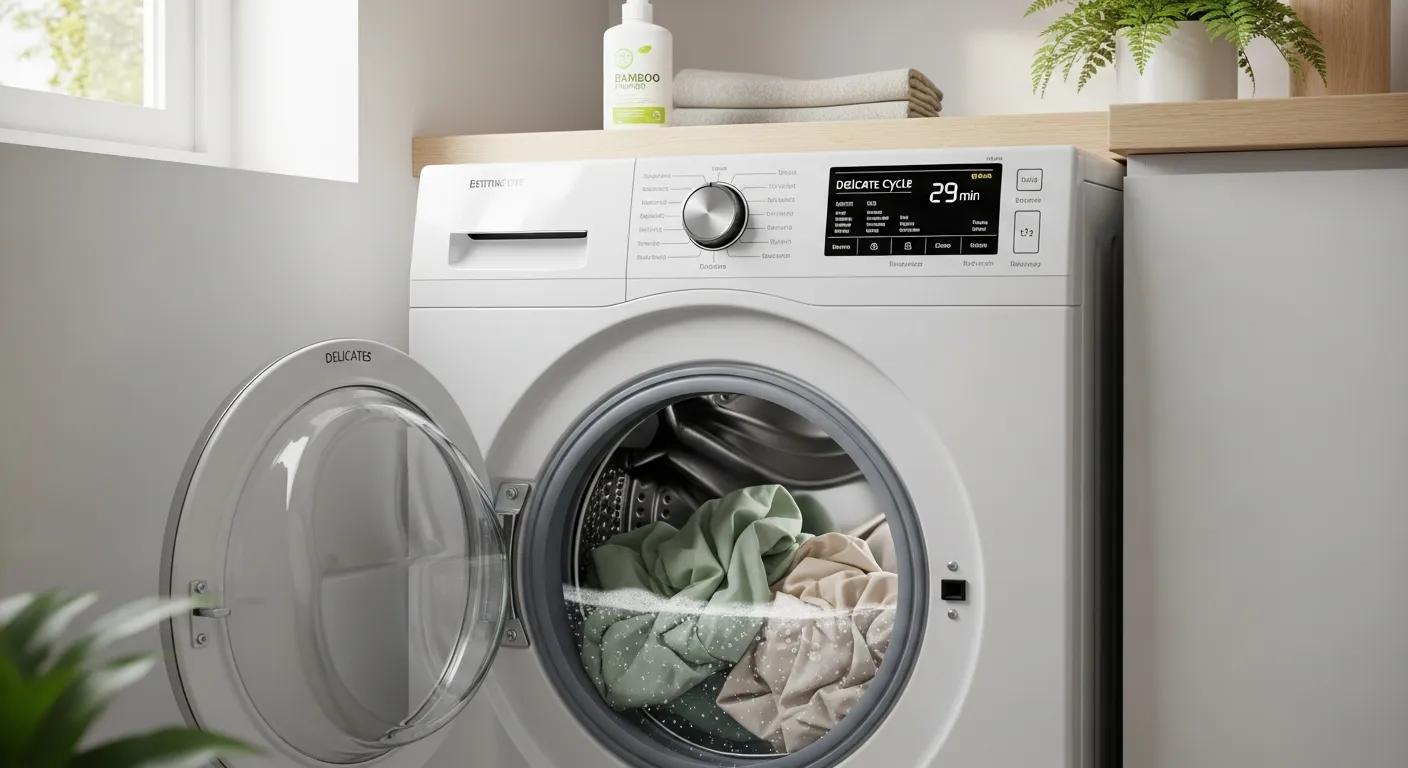
Cold to lukewarm water — generally up to 40°C — is ideal. Viscose fibres can change shape and lose strength with heat, so cooler water minimises swelling and helps retain colour and softness. Use lukewarm water only for lightly soiled loads when you need a bit more cleaning power; avoid hot washes because they can cause irreversible shrinkage and reduce long‑term softness. Temperatures under 40°C strike the best balance between cleaning and preserving the fabric’s performance.
Which detergents work best for bamboo sheets?
Choose mild, eco‑friendly liquid detergents that are pH‑neutral and free from optical brighteners, chlorine bleach and harsh enzymes. Powder detergents can leave tiny particles that abrade the fabric, so liquids labelled for delicates are preferable. Follow the detergent dosing instructions — too much product leaves residues that reduce breathability. As a gentle alternative to fabric softener, a small splash of distilled white vinegar in the rinse will help remove residue and keep fibres soft.
What drying methods protect bamboo sheets and extend their life?
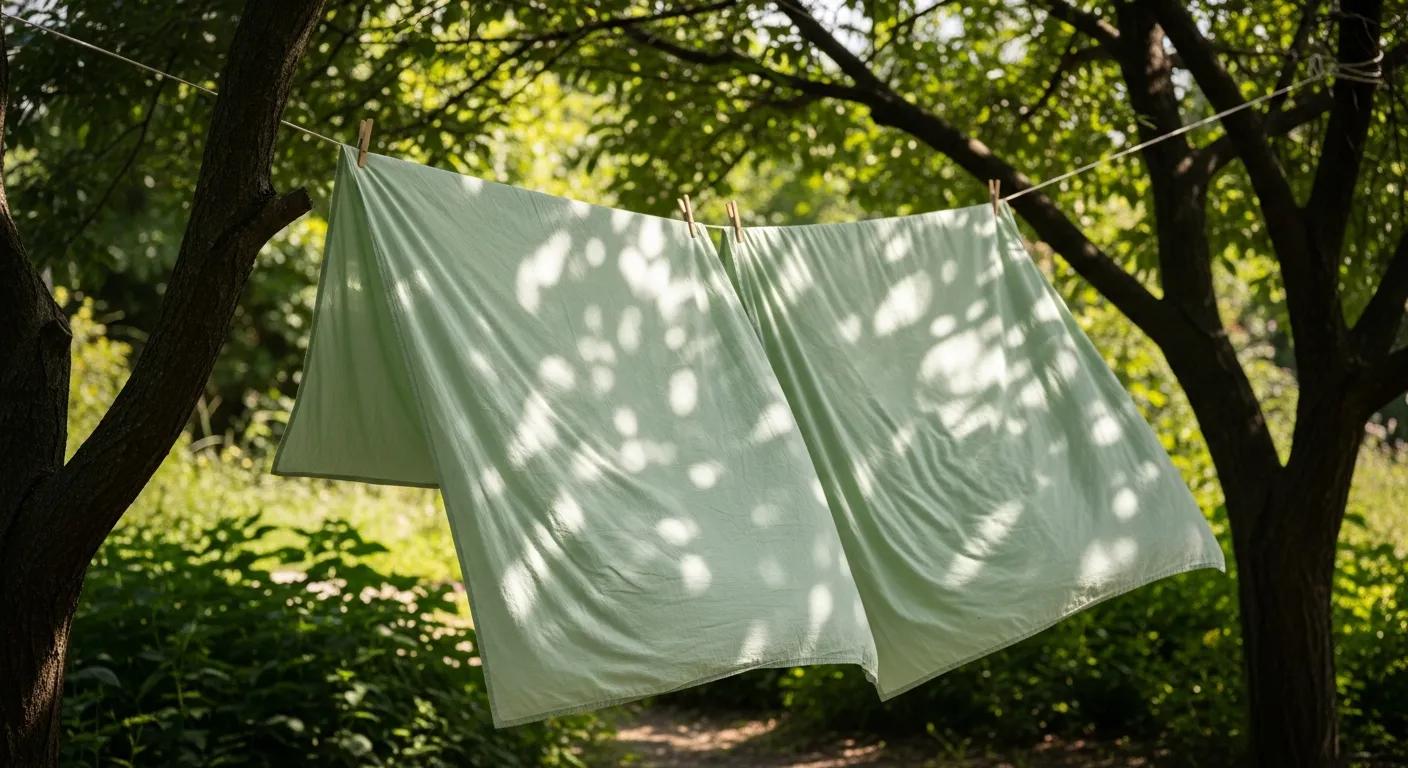
How you dry bamboo sheets has a big impact on whether the fibres stay soft or become stiff. Gentle air drying in the shade is the kindest approach. A low‑heat tumble cycle can be used occasionally for convenience, but avoid high heat and over‑drying — both will dry the natural moisture from the fibres and make them brittle. The table below compares common drying options so you can pick the best method for your situation.
Compare the main drying methods and their likely effect on your bamboo sheets.
| Drying Method | Pros / Cons, Impact on Softness & Longevity | |
|---|---|---|
| Air dry (shade) | No energy, very gentle | Best for keeping softness and shape |
| Line dry (sun) | Quick but UV exposure | Can fade colours and weaken fibres over time |
| Tumble dry (low heat) | Convenient, fast | OK if short and monitored |
| Tumble dry (high heat) | Fast but harsh | Causes shrinkage and stiffness; avoid |
Top drying tips to protect the weave and the Coolweave™ temperature‑regulating structure:
- Air dry in the shade whenever you can to avoid heat and UV damage.
- If you use a dryer, pick a low‑heat or air‑fluff setting and keep cycles short.
- Remove sheets while slightly damp, smooth them out, then finish drying flat or on a line to reduce creases.
These simple steps protect the fabric’s feel and performance. Adore Earth’s Coolweave™ is designed to keep breathability and softness when treated with low‑heat or air‑dry methods — exactly the care we recommend.
Is air drying better than tumble drying for bamboo sheets?
Yes — air drying is gentler and helps preserve softness and tensile strength. It also saves energy, so it’s better for the planet. Low‑heat tumble drying is a reasonable backup when weather or time is tight, but keep cycles short, use low heat and remove sheets promptly to avoid over‑drying and stiffness. Mostly air dry, and use tumble drying sparingly for the best balance of convenience and fabric care.
How do I tumble dry bamboo sheets without damaging them?
Use the lowest heat or an air‑fluff setting and run short cycles to remove excess moisture. Add dryer balls to separate layers and speed up drying, but avoid dryer sheets — they leave residues. Take sheets out while slightly damp, smooth them flat and finish drying on a line or over a surface. If the fabric feels stiff after drying, a brief cool tumble or a rewash with a small vinegar rinse will help lift residue and restore softness without aggressive treatment.
How should you store bamboo sheets to keep them fresh and soft?
Store sheets somewhere cool, dry and well ventilated to prevent moisture build‑up, smells and fibre damage. Fold sheets loosely to avoid sharp creases and keep them in breathable cotton or linen bags to protect from dust while still letting air circulate. Avoid attics or damp basements where temperature and humidity swing — those conditions can trap moisture and harm the fabric. The table below summarises practical storage choices.
Use breathable containers and avoid plastic wherever possible; here’s a quick guide.
| Storage Option | Characteristic | Best Use |
|---|---|---|
| Cotton or linen bag | Breathable, natural fibres | Best for long‑term storage |
| Shelved linen closet | Ventilated, cool, dark | Great for regular rotation |
| Vacuum‑sealed plastic | Compact and airtight | Not recommended for bamboo sheets |
Simple storage do's and don'ts to keep your sheets ready for sleep.
- Do: Fold loosely and store in a cool, dry cupboard away from direct light.
- Do: Use cotton or linen bags that allow air to move through.
- Don't: Store long‑term in plastic boxes or vacuum bags — they trap moisture.
- Don't: Keep sheets near heaters or in humid basements where condensation can form.
Breathable storage helps preserve both fabric health and sustainable care. For more tips, Adore Earth recommends breathable solutions and keeps a product care page with extra guidance and product suggestions for your organic bamboo sets.
What are the ideal conditions for storing bamboo sheets?
A cool, dry, dark space with steady temperature and moderate humidity is ideal. That prevents condensation, smells and microbial growth that can damage fibres. A ventilated linen cupboard works well — keep sheets out of direct sunlight to protect dyes. In very humid climates, use a dehumidifier or silica sachets. Storing sheets in breathable bags and rotating the pile occasionally keeps the stack fresh and avoids heavy creasing.
Why avoid plastic when storing bamboo bedding?
Plastic traps moisture and creates a closed microclimate that encourages mildew, odours and long‑term fibre damage. It also prevents the fabric from ‘breathing,’ which natural viscose fibres benefit from. Rapid temperature changes in plastic can cause condensation and weaken dyes and the weave. For those reasons, choose natural, breathable storage materials that are better for both your sheets and the environment.
What common mistakes shorten the life of bamboo sheets?
Typical mistakes — hot washes, harsh chemicals, fabric softener and overloading — speed up wear, causing shrinkage, pilling and loss of softness. Knowing what to avoid makes it easy to protect the fabric. Below are three common errors and the quick fixes to stop them from damaging your sheets.
Three frequent mistakes and how to fix them:
- Hot water washes: Switch to cold or lukewarm cycles to prevent shrinkage and fibre weakening.
- Using bleach or harsh chemicals: Use mild, eco‑friendly detergents and avoid chlorine‑based agents.
- Overloading the machine: Wash sheets with similar lightweight items and choose a gentle cycle to reduce abrasion.
Fixing these habits keeps the fabric soft and extends its useful life — try the changes and check results after a couple of washes.
How do hot water and harsh chemicals harm bamboo sheets?
Hot water and strong chemicals can break down viscose‑from‑bamboo fibres, causing swelling, collapse on cooling, shrinkage and loss of strength. Chlorine bleach and strong alkaline cleaners attack dyes and cellulose‑based fibres, speeding up colour loss and seam failure. If fibres are damaged, only gentle reconditioning can help; structural weakening is often permanent. Preventing damage with low temps and mild products is the best protection.
Why skip fabric softeners and avoid overloading?
Fabric softeners leave a coating that reduces absorbency and breathability, and can make bamboo sheets feel coated rather than soft. Overloading increases friction inside the machine, which leads to pilling and seam strain. Instead of softeners, use a splash of white vinegar in the rinse or dryer balls in the tumble dryer to preserve loft and softness without coating the fibres. Correctly sized loads and a gentle cycle limit mechanical damage and keep sheets smoother for longer.
How do you troubleshoot common bamboo sheet problems?
Troubleshooting starts with identifying the issue, then using a safe remedy that treats the fibre rather than masking symptoms. Stains, pilling, stiffness and lingering odours each have gentle home solutions that are effective without harming the fabric. The table below is a quick reference for common problems and safe fixes.
| Issue | Likely Cause | Remedy (natural and safe) |
|---|---|---|
| Stains (wine/oil) | Spills left untreated | Blot, pre‑treat with mild soap or diluted vinegar, or use a baking soda paste for oil, then wash cold. |
| Pilling | Abrasion from rough items or over‑drying | Carefully remove pills with a fabric shaver; wash gently and air dry |
| Stiffness | Over‑drying or detergent residue | Rewash on a gentle cycle with a diluted vinegar rinse and air dry in shade |
| Odour | Moisture trapped in storage | Air out in shade; wash cold with mild detergent |
Quick natural stain removal steps you can follow right away:
- Blot the stain: Gently lift excess liquid — don’t rub, which can push the stain deeper.
- Pre‑treat: Use a mild liquid soap or a 1:3 diluted white vinegar solution and let it sit briefly.
- Baking soda for grease: Sprinkle baking soda to absorb oil, brush off, then launder.
- Cold wash: Wash on a gentle, cold cycle and air dry in the shade to avoid setting the stain.
Act quickly and keep treatments gentle — avoid bleach or hot water, which can set stains and harm the fibres.
What natural remedies remove stains from bamboo sheets?
Simple, gentle options work best: blot immediately, pre‑treat with mild soap or diluted white vinegar for organic stains, and use baking soda to lift grease. For blood or red wine, blot, soak in cold water and then apply mild soap or diluted vinegar before laundering. Avoid rubbing, hot water or strong stain removers that can fix the stain and damage fibres; repeat gentle treatments if needed. These methods restore appearance while protecting the fabric.
How do you prevent and treat pilling and stiffness?
Prevent pilling by washing sheets on a gentle cycle with like fabrics, avoiding rough items like denim or towels, and not overfilling the machine. Air drying reduces the abrasion that causes pills. If pills appear, use a fabric shaver or pill comb gently, then wash on a soft cycle with a diluted vinegar rinse to remove residue and restore softness. For stiffness from over‑drying or detergent build‑up, rewash in cold water with a small amount of white vinegar and air dry in the shade — this relaxes fibres without weakening them. Regular, gentle care stops problems from returning.
How does proper care for bamboo sheets support sustainability and our values?
Low‑energy care — washing in cold water, air drying and replacing items less often — cuts household energy use and textile waste. Extending a product’s life fits circular‑economy thinking: the longer you use bedding, the fewer resources are needed to make replacements. Adore Earth’s values — Comfort, Care and Conservation — are reflected in these practices. Choosing eco‑friendly care routines complements our use of ethically sourced organic bamboo and biodegradable materials. Below is a short brand statement that links product features and responsible care.
Switching to cold‑wash routines and air‑drying where possible reduces energy use at home and strengthens the sustainability case for bamboo bedding — small habits that add up over a product’s lifetime.
How do energy‑saving care habits help the environment?
Washing in cold water and air drying reduces electricity use and greenhouse gas emissions from appliances, while also being gentler on fibres. Cold cycles use far less energy than heated ones and, with mild detergents and correct pre‑treatment, clean everyday soils well. Air drying eliminates dryer energy and reduces wear, so sheets last longer, and you buy fewer replacements — a clear environmental win. Encouraging these habits makes personal comfort part of a bigger conservation effort.
What makes Adore Earth’s bamboo sheets different when it comes to care and longevity?
Adore Earth’s Australian‑designed 100% Organic Bamboo Sheet Sets (top sheet, fitted sheet and two pillowcases) combine a soft, hypoallergenic fibre with performance features like our Coolweave™ structure for temperature regulation and reduced pet‑hair cling. We source organic bamboo responsibly, use less water in production where possible and make biodegradable materials. We also stand by the quality of our products, offering a commitment to your satisfaction and dedicated customer service. Follow the care tips in this guide — cold or lukewarm washing, mild detergents and gentle drying — and your sheets are more likely to keep their softness and strength, matching Adore Earth’s commitment to Comfort, Care and Conservation.
Frequently Asked Questions
Can bamboo sheets be ironed, and if so, how should I do it?
Yes, you can iron bamboo sheets, but use a low heat setting to protect the fibres. When the sheets are slightly damp, for best results, use a steam iron. If the sheets are dry, lightly mist them with water before ironing. High temperatures can cause shrinkage and reduce softness, so always check the care label first.
How often should I wash my bamboo sheets?
We recommend washing bamboo sheets every one to two weeks, depending on personal habits. If you sweat heavily at night, have allergies, or share your bed with pets, wash more often. Regular, gentle washing keeps sheets fresh and prevents body oils and dust mites from building up. Stick to mild detergents and gentle cycles for best results.
Are bamboo sheets hypoallergenic and safe for sensitive skin?
Yes. Bamboo sheets are naturally breathable, moisture‑wicking and resistant to dust mites and mould, making them a good choice for sensitive skin. Their soft, smooth surface is gentle on skin and helps maintain a comfortable sleep temperature, which is why many customers with allergies or sensitivities choose bamboo bedding.
What should I do if my bamboo sheets develop a musty smell?
A musty smell usually means moisture was trapped during storage or drying. Air the sheets in a well‑ventilated, shaded spot first. If the smell persists, wash on a cold cycle with a mild detergent and add a cup of white vinegar to the rinse to neutralise odours. Make sure sheets are completely dry before storing.
Can I use bleach on bamboo sheets?
No. Bleach is too harsh and will damage the fibres, causing discolouration and loss of strength. For stains, use gentle solutions like baking soda, diluted white vinegar, or a mild detergent. These are kinder on the fabric and effective for most household stains.
How do bamboo sheets compare to cotton sheets in terms of care?
Bamboo sheets need a little more gentle handling than plain cotton. Both benefit from gentle washing and low-heat drying, but bamboo is more sensitive to high temperatures and abrasive washing. Use cold to lukewarm water, mild detergents and air drying when possible. With a bit of extra care, bamboo keeps its softness and performance longer than many standard fabrics.
What is the lifespan of bamboo sheets with proper care?
With recommended care, high‑quality bamboo sheets can last 5–10 years, depending on use and handling. Regular cold washes, gentle drying and careful storage make a big difference. Avoiding hot water, harsh detergents and overloading the washer will help your sheets stay soft and durable for many years.
