




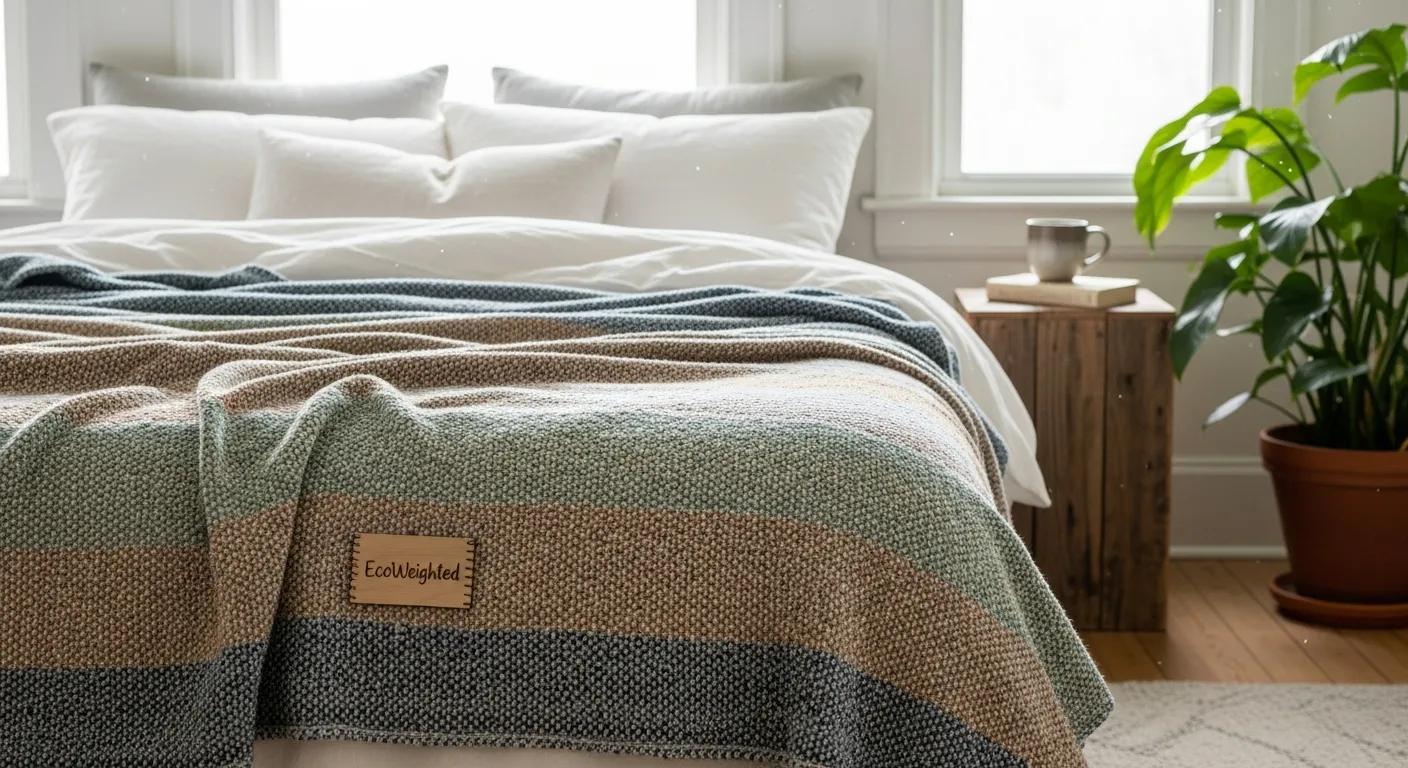
Weighted blankets that are kinder to the planet can also be kinder to your sleep. They pair the calming, therapeutic effects of steady pressure with materials and design choices that cut down on toxins, waste and new plastics. In this guide, we walk you through the materials, construction details and certifications that really matter — and explain how each choice affects breathability, temperature control and Deep Touch Pressure Stimulation (DTPS). You’ll learn which fibres and fills to prioritise, how DTPS works, what keeps a blanket cool and washable, which certifications to trust, and how to pick and care for the right option for your needs. The sections that follow cover material comparisons, DTPS science, breathable design features, certification mapping, buying and care checklists, plus a review-focused synthesis to help you choose a genuinely sustainable weighted blanket.
What materials make a weighted blanket genuinely sustainable?
A truly sustainable weighted blanket pairs low-impact materials with durable construction and limited toxic processing. The outer cover sets how the blanket breathes and feels, while the inner fill delivers weight and the DTPS effect. Choosing organic or recycled fibres and recycled glass beads reduces reliance on virgin plastics and conventional cotton grown with heavy pesticide use. When comparing options, weigh up eco-impact, breathability, durability and washability so you get both comfort and a smaller footprint. Below is a quick list of commonly used eco-friendly materials and the main benefit of each to help guide your choice.
- Organic cotton: less chemical use and breathable for year-round comfort.
- Bamboo or bamboo-derived viscose: soft, fast-growing and moisture-wicking.
- Tencel/Lyocell: closed-loop production and excellent moisture control.
- Recycled glass beads: even weighting, cooler thermal behaviour and low toxicity.
- Natural kapok or wool blends: biodegradable fills with natural temperature regulation.
The table below compares key materials across the attributes most buyers check when evaluating eco-friendly weighted blankets.
This quick comparison highlights trade-offs between comfort and environmental impact before we dig into specifics.
| Material | Eco-impact | Performance |
|---|---|---|
| Organic cotton cover | Lower pesticide use; can be GOTS certified | Breathable, soft and durable; usually machine-washable |
| Bamboo-derived viscose | Fast-regenerating feedstock; processing can vary | Highly moisture-wicking and silky-soft; often feels cooler |
| Tencel (Lyocell) | Closed-loop solvent recovery reduces waste | Excellent moisture regulation and smooth drape |
| Recycled glass beads (fill) | Made from post-consumer glass; lowers plastic use | Quiet, evenly weighted and often cooler to the touch |
| Plastic pellets (virgin) | Higher fossil-fuel footprint | Lightweight but warmer and less eco-friendly |
Combining an organic, natural cover with recycled glass bead fill commonly gives the best balance of low eco-impact and practical performance for sustainable sleep.
The sections below look closer at organic cotton and recycled glass beads so you can prioritise the features that matter to you.
How organic cotton improves sustainable weighted blankets

Organic cotton avoids synthetic pesticides and many harmful fertilisers during fibre growth, which helps protect soil, waterways and farm communities. As a cover material, it gives a soft, breathable surface that moves moisture well and stands up to regular washing. When processed under audited standards — for example, GOTS certification — it also limits toxic chemicals in finishing and supports social criteria in the supply chain. Pay attention to construction details such as weave tightness and stitching channels: these influence durability and how well the blanket keeps its shape over time. For hot sleepers and anyone wanting non-toxic bedding, GOTS-certified organic cotton is a practical, verifiable choice.
Why recycled glass beads are a strong fill option

Recycled glass beads come from post-consumer glass that’s reformed into smooth, consistent beads. Compared with many polymer pellets, they reduce dependence on new plastics and avoid microplastic concerns from degraded materials. Functionally, glass beads weigh evenly, stay quiet under movement and often feel cooler because they conduct heat differently than plastic pellets. They’re chemically inert and low in toxicity, making them a good match for eco-focused, temperature-regulating weighted blankets that still deliver predictable pressure.
How Deep Touch Pressure Stimulation helps sleep and calms anxiety
Deep Touch Pressure Stimulation (DTPS) is the mechanism behind weighted blankets’ calming effect: steady, evenly distributed pressure engages pressure receptors in the skin and fascia, encouraging a parasympathetic response that helps the body relax. A well-made blanket applies consistent pressure across the torso and limbs so the brain receives ongoing sensory input that can reduce cortisol and support sleep-related hormones.
Here are the core benefits people look for when choosing a weighted blanket to help with sleep and anxiety.
- Faster sleep onset: Even pressure can lower pre-sleep arousal and shorten the time it takes to fall asleep.
- Deeper sleep: Calming sensory input may support longer periods of restorative sleep.
- Lower anxiety: DTPS creates a grounding, soothing sensation that many find reduces subjective anxiety.
Many people find consistent subjective improvements in sleep and anxiety with DTPS, though individual results vary. When evaluating products, check construction details — fill distribution, contact surface and total weight — to make sure the blanket can deliver steady therapeutic pressure.
When you’re comparing brands, look for blankets engineered to deliver DTPS via calibrated weight distribution and quality fills — for example, Adore Earth describes the Adorearth™ Weighted Blanket as made from premium organic fibres combined with recycled glass beads to offer steady DTPS alongside eco-conscious materials.
Thinking about DTPS first helps you prioritise construction and materials before weighing brand promises or benefits.
How Deep Touch Pressure Therapy actually works
Deep Touch Pressure Therapy works by applying sustained tactile pressure that activates mechanoreceptors in the skin and connective tissues. That input helps shift the nervous system toward parasympathetic activity — slowing heart rate and promoting relaxation — and can change neurochemical signals linked to calm and sleep. For DTPS to work well, the weight must be steady and distributed evenly: this depends on fill type, channel stitching and how well the blanket contacts the body. Look for even inner compartments and secure stitching to avoid clumping and keep therapeutic pressure consistent over time.
Which sleep and anxiety benefits have scientific support?
Many people commonly report better subjective sleep quality, shorter time to fall asleep and reduced anxiety symptoms when DTPS is used appropriately. These outcomes tend to be strongest when weight selection and blanket contact are correct; blankets that are too heavy or that don’t distribute fill evenly can reduce benefit. Think of weighted blankets as a helpful, non-pharmacological tool — not a replacement for clinical care — and talk to a health professional if you have severe sleep or anxiety conditions.
What features make a weighted blanket breathable and comfortable?
Breathability and comfort come from the combination of cover fibre, weave, inner-fill thermal behaviour and stitch architecture. Natural fibres like organic cotton, bamboo-derived viscose and Tencel encourage airflow and wick moisture; recycled glass beads move heat differently than plastic pellets and can produce a cooler sleeping surface. Design choices — channel width, quilting density and whether the cover is removable — all influence how well the blanket breathes and how evenly it delivers DTPS.
Below is a compact comparison of design features and how they affect breathability, temperature control and therapeutic function.
| Feature | Design attribute | Impact on breathability & DTPS |
|---|---|---|
| Weave & fibre | Open vs tight weave; natural vs synthetic | Open natural weaves increase airflow; tight weaves trap warmth |
| Stitch/channel pattern | Small channels vs wide boxes | Smaller, well-distributed channels improve DTPS; wide boxes can limit airflow. |
| Fill type | Glass beads vs plastic pellets | Glass beads often feel cooler; plastic pellets may retain heat |
| Removable cover | Zipped/removable vs fixed | Removable covers make washing easier and keep the blanket fresher longer |
Use these features to match materials and construction to whether you run hot or cold at night.
Next, we outline how temperature regulation works in eco-friendly blankets so hot sleepers can make informed choices.
How temperature regulation and breathability actually work
Temperature control depends on how fibres manage moisture, the thermal conductivity of the fill and how well the blanket vents air away from your body. Natural fibres wick sweat while glass beads and fabric weave affect heat transfer. Glass beads often feel cooler because they move heat away from the skin more efficiently than many polymers, and breathable covers such as organic cotton or Tencel support evaporative cooling. Construction choices like wider channelling, lower quilting density and removable covers increase airflow and make seasonal layering easier. If you sleep hot, favour lightweight natural covers with recycled glass bead fills and consider using a breathable duvet cover to fine-tune warmth without losing DTPS.
Why hypoallergenic and non-toxic materials matter
Choosing hypoallergenic, low-toxicity materials reduces exposure to chemical residues, allergens and microplastics that can irritate sensitive skin or lungs. Look for organic cotton, OEKO-TEX®-screened dyes and inert recycled glass beads to minimise contact with harmful finishes. For allergy-prone households, pair certified materials with removable, washable covers to control dust mites and keep your sleep environment clean. Checking labels and construction helps you balance health, comfort and sustainability.
How do certifications and sustainable practices affect blanket quality?
Certifications turn production practices into verifiable claims: they show whether fibres were grown and processed to audited environmental and social standards, and whether recycled-content or chemical-safety claims are independently checked.
Validated certifications reduce the risk of greenwashing by giving objective criteria for organic sourcing, chemical safety and social accountability — useful signals when you’re choosing a product.
Beyond certifications, production choices such as working with low-impact dye houses and verified carbon offsetting for shipping can further lower a product’s lifecycle footprint when combined with certified materials.
Below is a straightforward mapping of common certification claims to the things shoppers care about.
| Ceaudits. Whyaudits | Why it matters to you | |
|---|---|---|
| GOTS (organic cotton) | Organic fibre production plus basic social criteria | Confirms organic farming, restricted chemical use and audited processing |
| OEKO-TEX® | Chemical residues in finished textiles | Shows the textile was tested for restricted substances |
| Recycled content | Verification of material sourcing | Indicates the proportion of post-consumer or post-industrial recycled material |
| Carbon offsetting | Emissions mitigation for logistics | Signals efforts to balance shipping emissions when backed by verified programmes |
This mapping helps you know what to look for on labels and why each claim matters for durability, health and environmental impact.
Many brands also document additional sustainability actions in product descriptions to give buyers more context.
Adore Earth follows several of these practices in its product presentation. We highlight GOTS-certified organic cotton and recycled glass beads, work with low-impact dye houses, and offset carbon emissions for shipping. We also back our products with customer-friendly policies, offering peace of mind and convenient delivery — clear signals for buyers who prioritise verified eco-credentials and hassle-free testing when comparing sustainable bedding options.
What GOTS and OEKO-TEX® actually mean for consumers
GOTS verifies that fibres are organically grown and that processing follows environmental and social standards, helping reduce chemical exposure and support responsible supply chains. OEKO-TEX® focuses on the finished fabric and tests for restricted substances so you can be confident the product contains low levels of harmful chemicals. Always check certification numbers, logos and licence details on product pages or labels, and ask for documentation if anything is unclear — doing so reduces the chance of greenwashing. Together, fibre-level (GOTS) and finished-product (OEKO-TEX®) claims give a fuller picture of safety and sustainability.
How Adore Earth supports ethical production and carbon offsetting
Adore Earth combines GOTS-certified organic cotton with recycled glass beads and partners with low-impact dye houses to lower production footprints. We also offset shipping-related carbon and back our products with customer-friendly policies, offering peace of mind and convenient delivery. These practical steps align with the certification mapping above and give buyers tangible trust signals when evaluating our weighted blankets.
How to choose the right eco-friendly weighted blanket for you
Picking the right blanket comes down to matching weight to body size, choosing materials that fit your temperature needs, and confirming laundering and care that fit your lifestyle so the blanket lasts.
Start by choosing an appropriate weight, then pick cover materials and fill types that suit how you sleep, and finally check size and care details for everyday use.
Here’s a short, practical checklist to guide your purchase.
- Choose weight: Aim for roughly 7–12% of your body weight for single-person use.
- Select material: Prioritise organic, GOTS-certified covers and recycled glass bead fills for lower eco-impact and good breathability.
- Pick size: Match blanket dimensions to intended use — personal sleep vs. bed coverage — to ensure proper DTPS contact.
- Verify care: Prefer removable covers or machine-washable construction to support hygiene and longevity.
This simple approach clarifies trade-offs between comfort, therapeutic effect and sustainability; the following sections expand on weight/size guidance and care tips so you can finalise your choice.
Weight and size options — how to decide
Weight selection usually follows a straightforward rule: many guidelines recommend about 7–12% of an adult’s body weight to deliver therapeutic pressure while keeping movement comfortable. For couples, consider a larger blanket that covers both sleepers, but be mindful of shared pressure needs — or opt for two individual blankets tailored to each person. Sizes range from lap/throw to single, double, queen and king; pick based on whether the blanket is for personal use, therapy, or shared bedding. Check the manufacturer’s weight increments and stitching pattern to ensure pressure will be evenly distributed across the intended coverage area.
Care instructions to keep your blanket working and lasting
Good care extends a weighted blanket’s life and preserves materials and DTPS function. Follow the manufacturer’s guidance for wash frequency, temperature limits and whether the inner fill should be spot-cleaned. Removable covers that are machine-washable make cleaning straightforward; for inner layers with recycled glass beads, gentle spot-cleaning and air-drying help prevent bead clumping. Store blankets in a cool, dry place to avoid mould or moisture, inspect seams periodically and repair small issues early. For sustainability, repair rather than replace when possible and stick to recommended laundering to avoid unnecessary waste.
What customers say about eco-friendly weighted blankets
Customer feedback often highlights faster sleep onset, lower anxiety and satisfaction with natural-feeling covers when products match their eco-credentials. Aggregated reviews reveal common strengths and pain points to help set realistic expectations.
- Typical positives include quicker sleep onset, calmer nights and comfort from natural fibres.
- Common complaints centre on weight mismatches, unclear washing guidance, or unexpected warmth from certain material combinations.
- Look for reviews that mention both comfort and verified eco-claims to judge a product’s trustworthiness.
Use review summaries to guide expectations, but remember individual experiences vary — reviews are most useful for confirming material quality, durability and whether the design delivers DTPS as advertised.
What real-life benefits do users report?
People frequently report falling asleep faster, feeling calmer at bedtime and sensing better sleep quality, especially when weight and materials suit their needs. Design features such as breathable covers, even channel stitching and recycled glass bead fills are commonly linked to cooler, quieter nights. However, some users need to trial different weights or layering to find their best setup. Practical advice from reviews often emphasises trying the product during a trial period and following care instructions closely to replicate reported benefits.
How do reviews reflect sustainability and comfort?
Reviews that mention sustainability usually comment on fabric hand-feel, packaging and clarity of certification claims. Positive feedback often highlights breathable organic covers and transparency about recycled fill sources. Comfort comments tend to focus on thermal behaviour and evenness of pressure — consistent reports of cooling performance and quiet fills increase confidence in recycled glass bead options. Use these patterns to validate seller claims about materials and trial policies, and weigh comfort feedback against sustainability notes to prioritise what matters most to you.
Frequently asked questions
What is the ideal weight for a weighted blanket?
The common guideline is 7%–12% of your body weight for single-person use. This range tends to provide comforting pressure without feeling restrictive. For couples, either choose a larger blanket that covers both people (bearing in mind shared pressure) or use two blankets customised to each person’s weight.
How can I keep my weighted blanket clean and in good condition?
Follow the manufacturer’s care label. Most blankets have removable, machine-washable covers, which make cleaning easy. For the inner layer — especially with recycled glass beads — spot-clean gently and air-dry to avoid bead clumping. Store the blanket in a dry, cool place and check seams now and then so small repairs keep it working longer.
Which certifications should I look for when buying a weighted blanket?
Look for GOTS (Global Organic Textile Standard) for organic fibre claims and OEKO-TEX® for finished-product chemical testing. Verified recycled-content claims and transparent carbon-offset programmes are also useful. Always check licence numbers or certification details on the product page if you want to confirm a claim.
Can weighted blankets help with conditions beyond anxiety and sleep problems?
Yes — many people with sensory processing differences, autism spectrum conditions or ADHD find deep pressure calming. Some users also report reduced chronic pain or improved focus. That said, consult a health professional if you have a specific medical condition or severe symptoms before relying on a weighted blanket as treatment.
What materials should I avoid in a weighted blanket?
Avoid fills and covers that trap heat or contain potential irritants. Virgin plastic pellets can retain warmth and raise microplastic concerns over time; non-breathable synthetic covers can worsen overheating. Prefer natural, hypoallergenic covers like organic cotton or bamboo-derived viscose and consider recycled glass beads for fill.
How do I choose the right size for my bed?
Decide how you’ll use the blanket — personal sleep versus full bed coverage — then choose a size accordingly. Sizes range from lap/throw to single, double, queen and king. Ensure the blanket covers the intended area while allowing comfortable movement. Couples may prefer one larger blanket or two individual blankets tailored to each person’s weight.
What environmental benefits come from choosing an eco-friendly weighted blanket?
Eco-friendly blankets use materials and processes with lower environmental impact — for example, organic cotton, recycled glass beads and non-toxic dyes. These choices reduce chemical exposure, keep materials in circulation and divert waste from landfill. Certifications and transparent sourcing help ensure these benefits are real, so choosing verified eco-options supports a healthier planet while delivering comfort and therapeutic effect.
