




As more of us aim to live greener lives, eco‑friendly weighted blankets are rising in popularity. They add calm and comfort to your home while cutting down on environmental harm. In this guide, we'll explore how these blankets work, what they’re made from, and how to bring them into your daily routine — so you can enjoy better sleep and a smaller footprint.
Shoppers today want products that feel good and do good. Below, we cover sustainable materials and responsible production, the sleep and wellness benefits of organic weighted blankets, what makes Adorearth’s offerings different, practical styling tips, and how to pick and care for a blanket that lasts.
More people caring about impact is driving demand for sustainable products — though choosing well can still feel confusing.
What Makes a Weighted Blanket Eco‑Friendly? Materials and Sustainable Production
Eco‑friendly weighted blankets are made from materials and processes that minimise environmental harm. That usually means organic fabrics, non‑toxic fillings and manufacturing that reduces water use and carbon emissions. Choosing these blankets keeps harmful chemicals out of your home and supports brands that work to lower their environmental footprint.
The textile industry faces significant environmental challenges, so sustainable production practices are essential to reduce its impact.
Which sustainable materials are used in eco‑friendly weighted blankets?

Common sustainable choices include organic cotton, bamboo and recycled glass beads. Organic cotton is grown without synthetic pesticides and fertilisers, making it kinder to soil and water and gentler on sensitive skin. Bamboo grows fast and needs fewer resources, so bamboo fabrics are naturally breathable and low‑impact. Recycled glass beads give the weight you need while diverting waste from landfill — a practical, low‑toxicity filling option.
How does ethical production support sustainability in weighted blankets?
Ethical production ties environmental care to fair labour and safe working conditions. Brands that commit to transparent supply chains, responsible material sourcing and lower‑impact manufacturing help reduce the overall carbon footprint of their products. When you choose a brand that values both people and planet, your purchase supports a more sustainable system from farm to finished blanket.
What Are the Benefits of Organic Weighted Blankets for Sleep and Well‑being?
Organic weighted blankets offer both comfort and health benefits. They provide gentle, even pressure that can calm the nervous system and improve sleep quality. Because they’re made from organic, non‑toxic materials, they also reduce exposure to harmful chemicals — a real plus for anyone with allergies, sensitivities or a preference for cleaner indoor air.
How do weighted blankets improve sleep quality and reduce anxiety?
Weighted blankets work through deep touch pressure: a soft, steady weight across the body that feels like a hug. That pressure can increase serotonin and melatonin while lowering cortisol, helping you relax and sleep more soundly. Many people notice longer, deeper sleep and a calmer mind after adding a weighted blanket to their nightly routine.
What health advantages do organic bamboo and non‑toxic fillings provide?
Bamboo fabric is naturally hypoallergenic and wicks moisture, which helps regulate temperature and reduces irritation. Non‑toxic fillings — such as recycled glass beads — avoid off‑gassing and harmful additives, making the blanket safer for daily use. Together, these materials support a healthier sleep environment and better overall well-being.
Why Choose Adorearth’s Bamboo Weighted Blankets for Sustainable Living?
Adorearth’s bamboo weighted blankets combine comfort, thoughtful design and environmental responsibility. We focus on quality materials and careful craftsmanship so your blanket feels luxurious, performs well and lasts — all while keeping sustainability front of mind.
What unique features define Adorearth’s organic bamboo weighted blankets?

Our blankets use soft, breathable bamboo fabric and are filled with recycled glass beads for even, comfortable weight. The result is a stylish, durable blanket that looks at home in any bedroom while keeping environmental impact low. We design with both function and aesthetics in mind so your blanket works hard and looks great.
How does Australian design and craftsmanship enhance eco‑friendly bedding?
Australian design emphasises practical beauty and durability. By sourcing responsibly and working with skilled makers, we keep transport miles lower and support local jobs. That attention to detail means a better‑looking, longer‑lasting blanket — which is one of the simplest ways to make a sustainable purchase.
How to Integrate Eco‑Friendly Weighted Blankets into a Sustainable Lifestyle?
Eco‑friendly weighted blankets are versatile: use them on your bed, drape one over the sofa, or keep one for calm evenings and self‑care. Choosing durable, low‑impact bedding is a small change that adds up — fewer replacements, less waste and more comfort at home.
What are practical tips for using weighted blankets in eco‑conscious home decor?
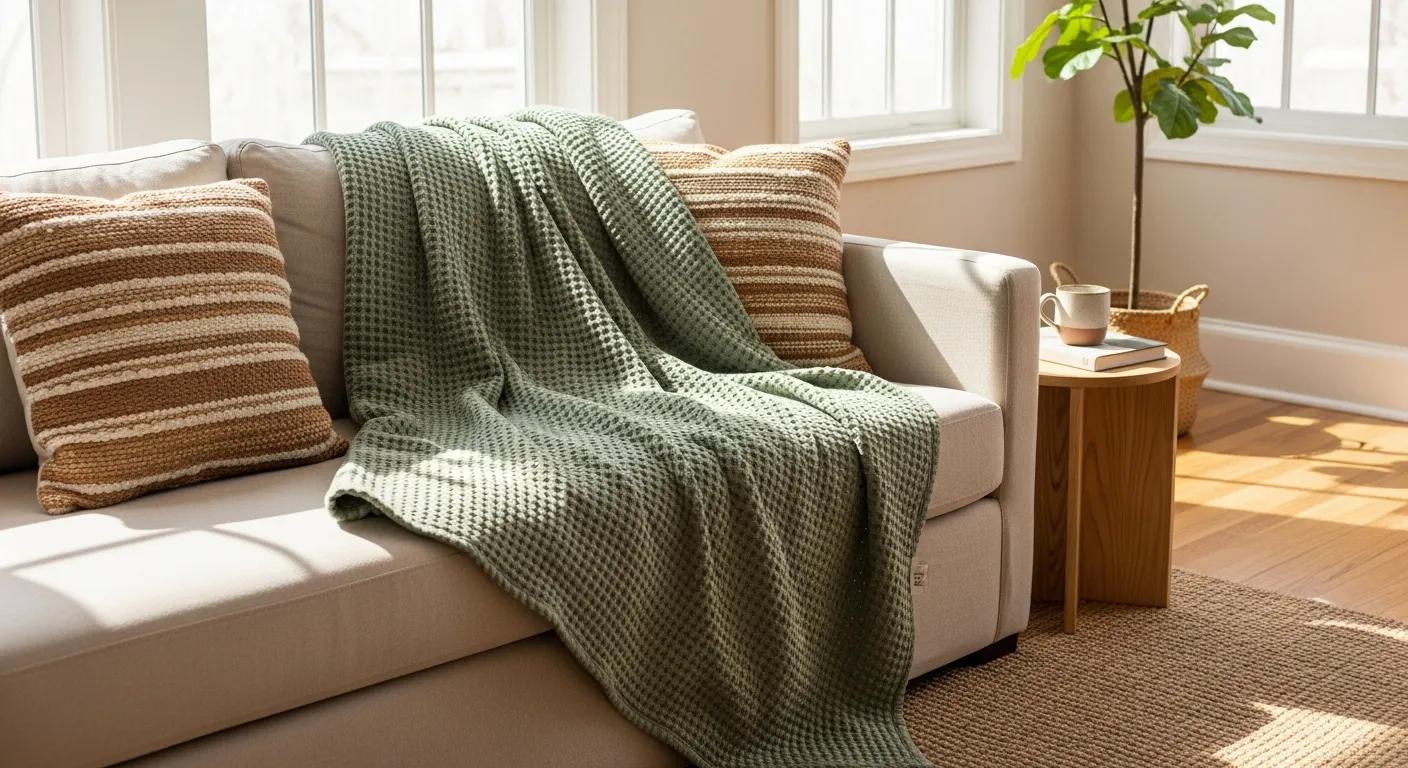
Use your blanket as a decorative throw when you’re not sleeping — pick colours and textures that blend with your decor so it feels part of the room. For everyday use, combine it with breathable sheets and a simple washing routine to keep it fresh without extra wear. Bringing the blanket into your relaxation rituals — reading, meditation or rest — helps you get more value from a single sustainable piece.
How do sustainable bedding choices reduce environmental impact?
Choosing organic and recycled materials lowers demand for petrochemicals, cuts water and chemical use, and diverts waste from landfills. Buying better‑made items that last longer also reduces the frequency of replacements. Together, these choices help shift the market toward products that balance comfort, style and environmental care.
How to Choose and Care for Your Sustainable Weighted Blanket?
Picking the right blanket comes down to weight, size and material. Combine those factors with proper care, and your blanket will perform better and last longer, which is the most sustainable option of all.
What factors determine the perfect weight and size for eco‑friendly blankets?
The general guideline is a blanket about 10% of your body weight for comforting pressure. Size should suit your intended use: a personal blanket for sleep, or a larger throw for sharing on the couch. Consider whether you prefer the snug feel for sleep or a lighter weight for relaxation and choose accordingly.
How can proper care extend the life and sustainability of weighted blankets?
Follow the manufacturer’s care instructions to protect fabrics and fillings. Gentle washing in cold water, air drying where possible and storing the blanket folded or rolled in a dry place will reduce wear. Regular, simple care keeps the blanket performing well and delays replacement — which is better for the planet and your wallet.
| Material | Benefit | Environmental Impact |
|---|---|---|
| Organic Cotton | Grown without synthetic pesticides and fertilisers | Reduces chemical runoff |
| Bamboo | Fast‑growing and renewable | Lower water use compared with conventional cotton |
| Recycled Glass Beads | Provides weight without toxic additives | Diverts waste from landfill |
This table summarises how common sustainable materials in weighted blankets support both health and the environment.
Weighted blankets blend comfort with conscientious design — a simple, effective way to make your home feel better and greener. Understanding materials, benefits and care helps you choose a blanket that fits your life and your values.
Frequently Asked Questions
What are the environmental benefits of using eco‑friendly weighted blankets?
Eco‑friendly weighted blankets use organic and recycled materials, which reduces reliance on harmful chemicals and non‑renewable inputs. Their production often needs less water and emits fewer greenhouse gases, so choosing them supports more sustainable manufacturing and a healthier home environment.
How can I ensure the eco‑friendliness of a weighted blanket before purchasing?
To ensure you're choosing a high-quality, genuinely sustainable weighted blanket, look for trusted certifications like GOTS (Global Organic Textile Standard) or OEKO‑TEX, which confirm organic fibres and low‑toxicity production. We pride ourselves on transparent sourcing and manufacturing, and encourage you to check our product details and customer reviews for real-world feedback. Your peace of mind is important to us, and we stand by the quality and integrity of our offerings.
Are there specific care instructions for maintaining eco‑friendly weighted blankets?
Yes. Most eco‑friendly blankets benefit from gentle washing in cold water and air drying when possible. Avoid harsh bleaches and strong detergents that can damage fibres or fillings. Regularly inspect seams and store the blanket in a dry place to keep it in good condition for years.
Can eco‑friendly weighted blankets help with specific health issues?
Weighted blankets can assist with anxiety and sleep disturbances by providing calming deep touch pressure. Choosing organic, low‑toxicity materials also reduces exposure to irritants, which is helpful for people with allergies or sensitive skin. They’re not a medical treatment, but many people find them a valuable aid for better rest and reduced stress.
What is the investment for eco‑friendly weighted blankets in Australia?
The value of an eco-friendly weighted blanket varies depending on materials, size, and brand. While there's a range of options available, investing in a quality blanket ensures lasting comfort and sustainability. Premium options, especially those with certified organic fabrics and specialised craftsmanship, offer exceptional durability and performance, providing long-term benefits for your well-being and the planet.
How do I choose the right weight for my eco‑friendly weighted blanket?
The usual recommendation is about 10% of your body weight to provide comforting pressure. For example, someone weighing 70 kg might choose a blanket weighing around 7 kg. Personal preference matters too — if you like a heavier or lighter feel, factor that into your decision.
