




Organic Mattress Toppers UK: Sleep Cooler, Cleaner, and More Comfortable
More UK sleepers are swapping chemical-heavy mattress toppers for organic options to tackle overheating, allergies and off-gassing. This guide lays out what an organic mattress topper does, why eco-conscious materials like organic bamboo matter for comfort and indoor air quality, and how the right topper can turn restless nights into genuinely restorative sleep. You’ll get practical comparisons of bamboo viscose, natural latex and wool for temperature control, pressure relief and sensitive skin, plus the certifications to check when buying non-toxic bedding. We map clear buying tips, a materials comparison, certification explanations and practical insights so you can choose a sustainable topper that balances comfort, durability and environmental responsibility. Read on for actionable advice that connects material science to how you actually sleep.
Why eco-friendly mattress toppers make a real difference
Eco-friendly mattress toppers use natural or low-impact materials that cut exposure to volatile organic compounds (VOCs), improve airflow and reduce common allergen triggers—changes that feed directly into better sleep and cleaner indoor air. Natural fibres and fillings avoid the petrochemical finishes sometimes used on conventional toppers, which can cause smells, irritation and disturbed sleep for sensitive sleepers. Breathable materials like bamboo, viscose and wool help move moisture and body heat away from the skin, lowering night sweats and micro-awakenings; naturally hypoallergenic surfaces also reduce dust-mite reactions for many people. Below are the main benefits you can expect from choosing an eco-friendly topper.
Eco-friendly toppers deliver three straightforward sleep benefits:
- Cleaner indoor air: non-toxic materials cut VOCs and off-gassing.
- Better temperature control: breathable fibres wick moisture and let heat escape.
- Fewer allergy triggers: naturally hypoallergenic and anti-bacterial surfaces help keep dust mites at bay.
Those practical wins explain why many people in the UK prioritise sustainable bedding when upgrading their sleep setup. Next, we break down how those material benefits work in practice—starting with bamboo viscose and its cooling performance.
How an organic mattress topper actually improves sleep
An organic mattress topper combines breathability, pressure redistribution and moisture management in one layer, which tends to reduce night-time awakenings and help you stay asleep longer. Open fibre structures in materials like bamboo, viscose or wool encourage airflow while wicking sweat away from the body, aiding temperature regulation during deep sleep. Pressure-relieving fills—soft latex or plush natural fibres—ease pressure on shoulders and hips, cutting micro-awakenings for side and combination sleepers. Many people notice a marked rise in comfort and fewer disturbances after switching to an organic topper, especially when it’s used with breathable sheets.
To choose well, think about loft, firmness and material mix based on your sleep position and whether you prioritise cooling or contouring support. The next section explains why avoiding toxic finishes and choosing sustainable manufacturing matters for health and the planet.
Why pick non-toxic, sustainably made toppers?
Non-toxic, sustainably made toppers limit exposure to chemicals used in some textile finishing and reduce environmental impact across production and disposal. “Non-toxic” usually means low or no VOC emissions and no chemical flame retardants or harsh finishing agents that can irritate sensitive airways. Sustainability also looks at water use, pesticide inputs and fibre biodegradability—factors that lower a product’s overall footprint. To ensure you're getting a quality product, look for independent certifications, clear fibre-origin statements, and brands that share their testing and material details.
Simple verification steps: check for recognised certification marks in product descriptions, ask for fibre composition if it’s not listed, and read care instructions to understand how to keep hypoallergenic performance intact. Those habits make it easier to spot trustworthy, genuinely low-chemical toppers—and to evaluate materials like bamboo, latex and wool on their real merits.
Why bamboo mattress toppers are a great choice for many sleepers
Bamboo viscose toppers pair a silky feel with strong wicking and breathability, which makes them a popular pick for hot sleepers wanting a soft, sustainable surface. Viscose made from bamboo forms long, smooth fibres that glide over skin, reducing friction and creating a velvety top layer many people find instantly comfortable. Bamboo’s fibre structure encourages airflow and pulls moisture away from the body, while its natural anti-bacterial and hypoallergenic qualities help surfaces stay fresher between washes. The Coolweave™ microstructure term describes a fibre layout that boosts airflow and disperses heat—a key reason bamboo performs well for cooling.
Below is a quick comparison of how bamboo viscose, natural latex and organic wool stack up for cooling, allergens, sustainability and expected lifespan.
Different mattress topper materials perform differently for cooling, allergens and longevity.
| Material | Cooling & Breathability | Hypoallergenic Traits | Sustainability Footprint | Typical Lifespan |
|---|---|---|---|---|
| Bamboo viscose | High: strong wicking and airflow | Naturally anti-bacterial; gentle on skin | Lower pesticide needs; biodegradable fibre | 3–5 years |
| Natural latex | Moderate: resilient with good airflow | Resistant to dust mites if processed without harsh chemicals | Made from renewable sap; very durable | 8–12 years |
| Organic wool | Good: excellent moisture buffering | Naturally dust-mite resistant if cared for | Pasture-based, biodegradable | 5–10 years |
This comparison highlights the trade-offs: bamboo for cooling and softness, latex for long-term resilience and support, and wool for natural temperature buffering and fire-resistance without synthetic treatments.
What does bamboo bedding bring to your bed?

Organic bamboo bedding gives you a cooling surface, a silky hand-feel and lower allergen potential—an attractive mix for people prioritising comfort and skin-friendliness. Bamboo viscose quickly wicks moisture and encourages airflow across the surface, helping to dissipate body heat and reduce night sweats. The smooth fibres are gentle on hair and skin, cutting friction that can irritate sensitive skin or damage hair cuticles. Bamboo-derived viscose is naturally anti-bacterial, helping the surface stay fresher between washes, while the material’s softness creates a luxurious sleeping feel.
These benefits make bamboo toppers especially suited to warm sleepers and anyone after hypoallergenic bedding; next, we show how a brand example puts these principles into practice.
How Adore Earth’s bamboo mattress topper stands apart
Adore Earth offers toppers made from 100% Viscose from Bamboo and highlights a Cooling Bamboo Mattress Topper built around a Coolweave™ structure for better temperature regulation. The brand calls attention to sustainably sourced, biodegradable bamboo and points to skin- and hair-friendly features like natural hypoallergenic and anti-bacterial traits. We also ensure a smooth and easy purchasing experience, so you can feel confident and satisfied with your choice. Together, these product and service features show how a bamboo topper can combine cooling, softness and peace of mind when you’re choosing sustainably.
Mentioning Adore Earth here shows how material advantages translate into product features and peace of mind. Next up: the certifications that help verify those claims.
How certifications like GOTS and OEKO-TEX protect quality
Certifications such as GOTS and OEKO-TEX act as independent checks that reduce uncertainty about organic content and chemical residues. GOTS focuses on organic fibre levels plus environmental and social standards in manufacturing, while OEKO-TEX tests for harmful substances in finished textiles. Other schemes—GOLS for latex or FSC for wood-derived fibres—verify specific sourcing practices. For shoppers prioritising low-chemical bedding, these marks signal that a product has passed laboratory tests or audits relevant to chemical safety and responsible sourcing.
The table below maps common certifications to what they actually verify and what that means for you when shopping for certified, low-chemical toppers.
| Certification | What It Certifies | Consumer Implication |
|---|---|---|
| GOTS | Organic fibre content plus processing and social standards | Stronger assurance of organic production and chain-of-custody |
| OEKO-TEX Standard 100 | Testing for harmful substances in finished textiles | Lower risk of irritating chemicals and residues |
| GOLS | Organic content and processing for latex products | Verifies organic handling of plant-based latex |
| FSC | Responsible sourcing for wood-derived fibres | Confirms sustainable supply-chain practices for fibre feedstocks |
Knowing which certification targets chemical safety versus organic content helps you prioritise the marks that matter most for your concerns. Below, we explain GOTS in practical terms.
What GOTS certification actually means for toppers
GOTS (Global Organic Textile Standard) verifies that a textile meets minimum organic fibre content thresholds and that processing follows environmental and social criteria across the supply chain. For shoppers, a GOTS label means the product contains independently verified organic fibres and that dyeing and finishing meet limits on harmful chemicals and wastewater practices. Look for the GOTS logo plus a certifier ID on tags or product pages—those details show independent auditing and a chain-of-custody you can trust. In short, GOTS offers reassurance that an “organic” topper was produced to recognised standards rather than being an unverified claim.
GOTS pairs well with chemical-focused marks like OEKO-TEX, which test finished products for banned substances and residues.
How certifications help guarantee non-toxic and sustainable choices
Certifications support non-toxic and sustainable claims by publishing banned-substance lists, requiring lab testing and documenting supply-chain practices—but they don’t replace sensible buyer due diligence. OEKO-TEX Standard 100 tests finished textiles for a wide range of chemicals, while GOTS sets organic fibre thresholds and processing limits. Certification bodies usually publish test scopes and certifier IDs, which are helpful when confirming product claims. Because no single mark covers every sustainability dimension, combining chemical-safety and organic or sourcing certifications gives broader assurance.
This layered approach helps you weigh trade-offs between chemical safety, organic content and responsible sourcing when choosing a topper.
Benefits of natural latex and other eco-friendly fills
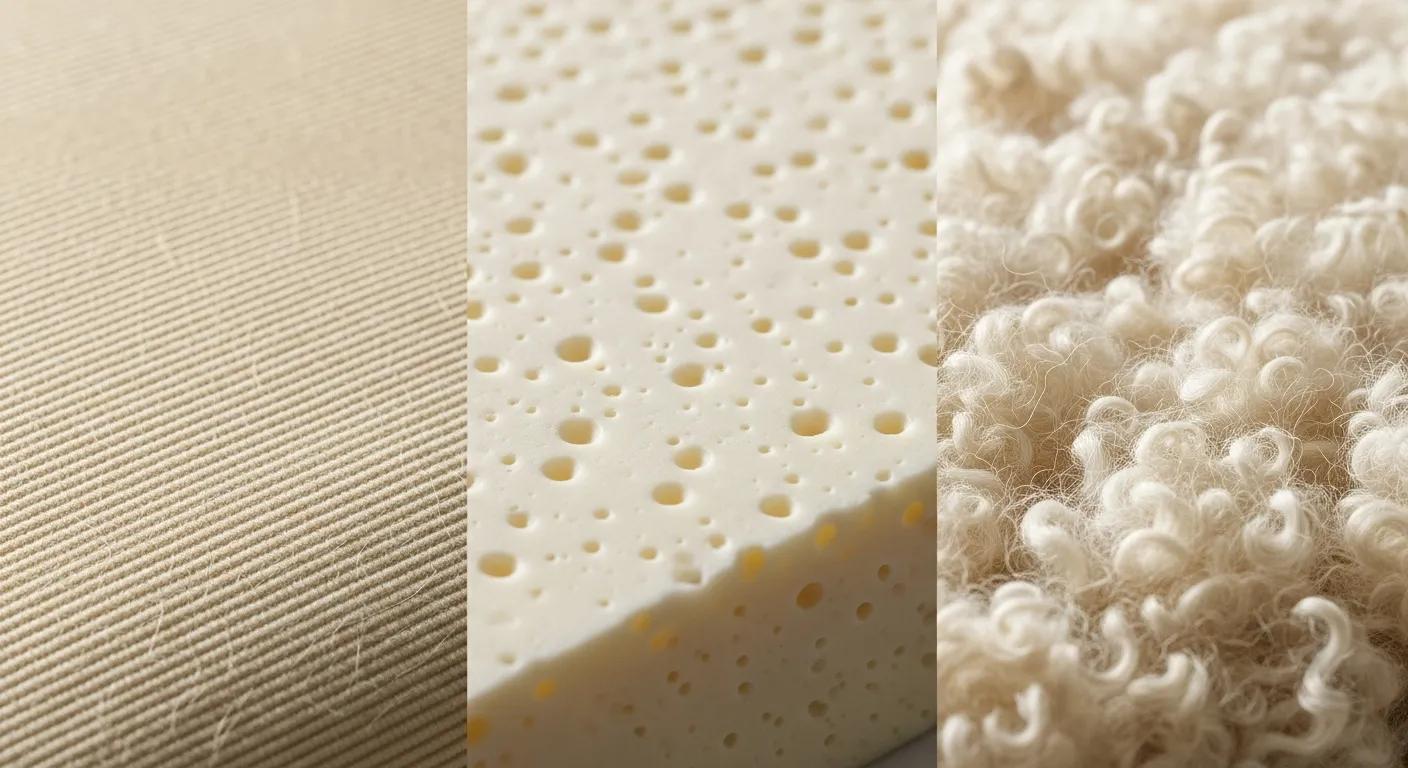
Natural latex, organic wool and other eco-friendly materials each bring different performance and sustainability strengths, so you can pick what matters most—pressure relief, temperature control or hypoallergenic performance. Natural latex gives resilient contouring and long-lasting pressure relief, useful for heavier sleepers or anyone needing spinal support. Organic wool buffers humidity and provides seasonal temperature balance. Bamboo viscose shines for surface cooling and silk-like softness. When assessing sustainability, consider production impacts, renewability and end-of-life biodegradability to match the product to your values.
Here are the core strengths of these materials to help match a topper to your sleep needs:
- Natural latex: durable support and pressure relief for side and back sleepers.
- Organic wool: moisture buffering and natural temperature regulation across seasons.
- Bamboo viscose: cooling surface, silky texture and gentle care for sensitive skin.
These differences lead naturally to the next comparison between latex, bamboo and wool.
Latex vs bamboo vs wool — how to choose
Natural latex stands out for resilience and multi-year support, giving responsive pressure relief that holds shape. Bamboo viscose provides a softer, silkier surface with superior wicking and immediate cooling, but it typically offers less structural support than latex. Organic wool manages warmth naturally and provides fire-resistance without synthetic treatments; it’s especially good at buffering humidity for sleepers whose bedroom temperature changes with the seasons. Choose latex if long-term support is your priority, or choose bamboo or wool if surface cooling and skin-friendly feel matter more.
Those trade-offs make the decision practical: pick latex for support, bamboo for cooling, wool for seasonal balance.
Best materials for sensitive skin
If you have sensitive skin, pick naturally hypoallergenic materials processed without harsh chemicals—bamboo viscose and carefully finished organic wool score highly for surface gentleness and anti-bacterial tendencies. Bamboo viscose’s smooth fibres reduce friction and are naturally anti-bacterial, which helps people prone to irritation. Certified, well-processed wool can also be an excellent option for allergen control, though it requires proper care to avoid dust build-up. For severe sensitivities, prioritise chemical-safety certifications and clear washing guidance to preserve hypoallergenic benefits.
Simple care—regular airing, using washable topper protectors and following manufacturer instructions—keeps a topper performing and extends its life.
How eco-friendly toppers solve common sleep problems
Eco-friendly toppers address common complaints—overheating, pressure points and allergy symptoms—by matching the right material and construction to each issue. Cooling needs are best met with low-loft, breathable surfaces like bamboo viscose with Coolweave™ microstructures that increase airflow. Pressure relief is better served by thicker, contouring latex or blended-fill toppers. Allergy sufferers benefit from naturally resistant surfaces paired with washable protectors and regular cleaning. Deciding between a topper and a full mattress replacement depends on how worn your mattress is and the improvements you want: a topper is a cost-effective way to add cooling or cushioning without replacing the whole mattress.
Here are targeted selection tips to match materials to sleep problems.
- For overheating, choose bamboo viscose or low-loft breathable toppers.
- For pressure relief: pick natural latex or higher-loft, contouring fills.
- For allergies: prioritise hypoallergenic fabrics, anti-bacterial surfaces and washable protectors.
These focused recommendations help you choose the most effective topper for your main sleep concern. Below, we dig into cooling performance in more detail.
Can an organic topper keep hot sleepers cool?
Yes, when you pick the right materials and construction. Bamboo viscose and Coolweave™-style microstructures are excellent at wicking moisture and dispersing surface heat, while lower-loft toppers reduce insulating pockets that trap warmth. Combine a cooling topper with breathable sheets and a lightweight duvet for the best results. If overheating persists, try a low-loft cooling topper under a light quilt rather than a thick, lofty layer—and make sure mattress protectors are breathable so airflow isn’t blocked.
These practical steps translate material science into immediate improvements to thermal comfort.
Do hypoallergenic toppers improve allergies and air quality?
Hypoallergenic toppers can lower allergen loads by using materials that resist dust mites and microbial growth, which often improves perceived indoor air quality. Bamboo viscose and some processed wools are less hospitable to dust mites, and anti-bacterial surfaces reduce odours and surface microbes. That said, maintenance matters: regular airing, washing covers and using washable protectors are essential to keep a topper hypoallergenic. Toppers help, but they’re one part of a broader strategy that includes good ventilation and regular cleaning.
Keeping to a simple maintenance routine with breathable protectors will preserve hypoallergenic benefits and extend the topper’s useful life.
What customers say about sustainable mattress toppers
Across reviews, sustainable toppers are praised for cooling and immediate comfort, while durability varies by material—insights that help you understand what to expect. Bamboo viscose receives consistent praise for its cooling and silky feel, while natural latex is often applauded for long-term support and resilience. Common caveats include an initial adjustment to the loft and the need for regular protector care to avoid dust build-up. The table below summarises common reviewer themes and takeaways for different topper types.
Customer reviews reveal patterns of satisfaction and practical trade-offs across materials.
| Product Type | Common Review Theme | Typical Takeaway |
|---|---|---|
| Bamboo viscose toppers | Cooling and silky surface are widely praised | Great for hot sleepers seeking a soft feel |
| Natural latex toppers | Durability and supportive feel valued | Good long-term investment for pressure relief |
| Organic wool toppers | Seasonal comfort and natural feel noted | Ideal for people who need temperature buffering |
These review trends point to simple decisions: bamboo for cooling, latex for lasting support and wool for seasonal balance. Below, we summarise brand signals found in public product information.
What customers notice about Adore Earth’s bamboo toppers
Adore Earth focuses on product design and customer-friendly approaches. We highlight sustainably sourced, biodegradable bamboo and ensure a smooth purchasing experience. Adore Earth positions its Bamboo Mattress Topper and Cooling Bamboo Mattress Topper as made from 100% Viscose from Bamboo with a Coolweave™ structure for temperature regulation, and it notes skin- and hair-friendly properties like natural hypoallergenic and anti-bacterial traits. Those product claims and our customer focus help buyers feel confident when comparing comfort and value.
How eco-friendly toppers compare for durability and comfort
Durability and comfort depend on material: natural latex usually lasts longest and keeps support, bamboo viscose gives instant softness and cooling but can compress faster, and wool balances durability with natural resilience when well cared for. Comfort is personal—hot sleepers often prefer bamboo viscose, while people needing spinal support tend to choose latex. To get the most life from any topper, use breathable protectors, rotate regularly and follow care instructions. These simple steps extend usable life and preserve comfort.
Our commitment to quality, combined with our customer-focused approach, demonstrates how we pair material performance with your peace of mind. If you want to explore organic bamboo toppers that prioritise cooling, hypoallergenic benefits and a straightforward purchasing experience, check product descriptions and certification details to find the best match for your sleep needs.
Frequently Asked Questions
1. What should I consider when choosing an organic mattress topper?
Think about material, loft, firmness and your main sleep priorities. Bamboo, latex and wool each offer different benefits—cooling, pressure relief or seasonal warmth—so choose what solves your biggest problem. Check the thickness and whether the topper pairs well with your mattress. Look for trusted certifications like GOTS or OEKO-TEX to confirm organic content and chemical safety, and let personal comfort and any health concerns guide your final choice.
2. How do I maintain my organic mattress topper for longevity?
Use a breathable protector, air the topper regularly and follow the manufacturer’s washing guidance. Many toppers have removable, machine-washable covers—avoid harsh chemicals and be sure the topper is completely dry before remaking the bed. Rotating the topper occasionally helps distribute wear evenly and prolongs life.
3. Are organic mattress toppers suitable for all sleep positions?
Yes—if you pick the right material and firmness. Side sleepers often prefer softer toppers for shoulder and hip pressure relief; back and stomach sleepers usually need firmer surfaces for spinal alignment. Natural latex gives responsive support, while bamboo viscose offers a plush, cooling surface. Match topper feels to your preferred position for best results.
4. Can I use an organic mattress topper on any type of mattress?
Generally, yes—on innerspring, foam and hybrid mattresses—but results depend on your mattress’s condition. If the base mattress is very worn, a topper won’t fully restore support. Conversely, a topper can soften a mattress that’s too firm. Make sure the topper fits well to prevent shifting during the night.
5. What are the environmental benefits of choosing an organic mattress topper?
Organic materials like bamboo and natural latex are often grown with fewer pesticides and chemicals, which reduces soil and water pollution. Many are biodegradable, cutting landfill impact. Choosing sustainably sourced products supports eco-friendly farming and lowers your overall footprint—benefits for both health and the planet.
6. How do I know if a mattress topper is truly organic?
Look for certifications such as GOTS or OEKO-TEX, check product labels for material origin and composition, and prefer brands that share manufacturing and testing details. These steps make it easier to spot genuinely organic toppers.
7. Are there any health benefits associated with using organic mattress toppers?
Yes. Organic toppers reduce exposure to potentially harmful chemicals and allergens, which helps people with sensitivities or respiratory issues. Breathable materials like bamboo and wool regulate temperature and moisture for a more comfortable sleep environment. Pressure-relieving organic fills can also support spinal alignment and reduce discomfort, contributing to better sleep quality and wellbeing.
