




Sustainable Sleep: Eco-Friendly Air Mattresses
An eco-friendly air mattress is an inflatable bed made without PVC, topped with natural or low‑VOC fabrics to cut down on chemical odours and environmental harm. We'll chat about why PVC-free, phthalate-free, and low-VOC options are a big deal for your health and the planet, compare TPU and traditional PVC, and give you some handy Aussie tips on looking after, recycling, and getting rid of them. You’ll learn how material choices affect durability and comfort, what certifications to watch for, and simple steps to extend a mattress’s life through repair or upcycling. We also show how a breathable cover—like organic bamboo or cotton—can make an inflatable mattress much more comfortable. There’s a short, clear note on how Adore Earth’s bedding experience connects to eco sleep solutions without suggesting we sell air mattresses. By the end, you’ll feel confident judging eco‑friendly air mattress options and choosing disposal routes that support a circular approach.
What Are Eco-Friendly Air Mattresses and How Do They Differ from Traditional Choices?
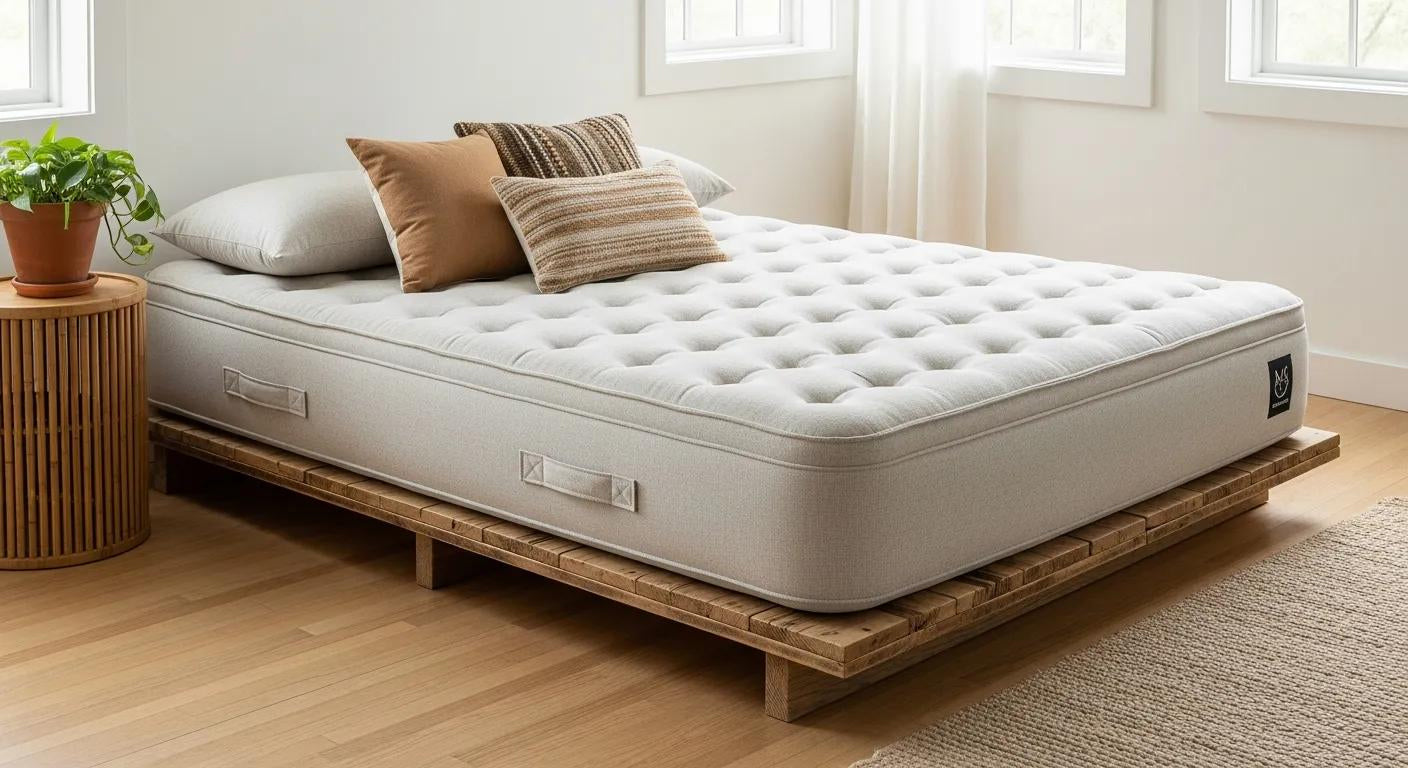
Eco‑friendly air mattresses use lower‑toxicity polymers such as TPU, avoid phthalates and aim for low VOC emissions. They’re usually finished with natural, breathable covers—think bamboo or organic cotton—to improve comfort and indoor air quality. Swapping PVC for TPU reduces the need for plasticisers that can off‑gas, while a natural cover helps regulate temperature and reduces direct skin contact with plastics. The upshot? A much nicer first-time experience (less smell, fewer irritants) and often a smaller environmental footprint, thanks to better durability or special recycling options. Knowing these trade‑offs helps you pick the right inflatable for guest rooms, camping or short‑term use.
Here’s a quick comparison of the main material trade‑offs:
- TPU cores usually mean lower VOCs, more flexibility and better specialist recycling options than standard PVC.
- PVC mattresses often come at a lower price but can smell more, may contain phthalates and are harder to recycle at end‑of‑life.
- Natural fabric covers (bamboo or organic cotton) boost breathability and reduce direct contact with polymer surfaces, improving comfort.
Here's a quick, easy-to-read comparison of materials to help you make up your mind.
| Core Material | Typical Chemical Concerns | VOC / Odour Risk | Recyclability | Expected Lifespan (for guests) |
|---|---|---|---|---|
| TPU (thermoplastic polyurethane) | Often phthalate‑free formulations | Low | Better than PVC; specialist recycling might be an option | Generally longer, depending on how you use it |
| PVC (polyvinyl chloride) | May contain phthalates and chlorine additives | Moderate–High (off‑gassing common) | Limited; often ends up in a landfill or needs special handling | Often shorter, with regular use |
| Natural alternatives (rubber blends, composite cores) | Varies — check certifications | Low if processed responsibly | Varies; depends on what it's made of | Varies, depending on how it's built |
So, TPU cores with natural covers are often your best bet if you're after non-toxic, longer-lasting inflatable bedding. Let's dive into what makes these materials so good, so you can spot the real deal when you're shopping.
Defining Eco‑Friendly Air Mattresses: Materials and Sustainability Attributes
Eco‑friendly air mattresses pair a low‑toxicity core with breathable surface materials and clear manufacturing information. TPU is a popular eco alternative because it gives flexibility and puncture resistance without many of the plasticisers used in PVC. Look for phthalate‑free claims, low‑VOC testing, and third‑party textile certifications like OEKO‑TEX or GOTS for covers. In a nutshell: go for PVC-free cores, look for verified low-VOC testing, and choose a natural, breathable cover for the best balance of health and comfort.
Key Differences Between PVC‑Based and TPU‑Based Air Mattresses
PVC models are often cheaper but may rely on phthalate plasticisers and chlorine processing that increase VOC emissions and complicate recycling. TPU cores are engineered to be elastic, more puncture‑resistant and less prone to off‑gassing, making them a better choice for people prioritising indoor air quality and longevity. You might notice a stronger initial smell and a shorter lifespan with many PVC options. TPU mattresses, on the other hand, usually feel more flexible and are often easier to patch up. When shopping, check for explicit phthalate‑free and low‑VOC statements — they directly reduce indoor air risks and point to more sustainable procurement choices.
Why Choose a PVC‑Free Air Mattress? Benefits for Health and Environment
Choosing PVC-free is a smart move because it means less exposure to phthalates and VOCs, less toxic waste when it's time to say goodbye, and often better durability than traditional PVC. Steering clear of PVC tackles three key worries:
- Health: PVC can contain phthalates that act as endocrine disruptors and increase indoor pollutants; PVC‑free cores reduce those exposures.
- Environment: PVC manufacture and disposal can release chlorine‑based compounds; alternatives like TPU typically have a smaller chemical footprint.
- Durability: TPU and other PVC‑free options often offer better elasticity and repairability, extending useful life and cutting waste.
Basically, going PVC-free is a sensible step for healthier indoor air, less long-term waste, and generally a comfier night's sleep.
- Reduced chemical exposure: Lower phthalates and VOCs support better indoor air quality.
- Lower long‑term waste: Longer life or clearer recycling routes reduce landfill pressure.
- Improved comfort: Less odour and better material performance for sleep quality.
Let's chat about the specific health perks and some easy steps to reduce exposure in your daily life.
Health Advantages of Non‑Toxic, Phthalate‑Free Air Beds
Non‑toxic, phthalate‑free mattresses reduce pathways linked to respiratory irritation, skin sensitivity and possible endocrine effects — especially important around children and sensitive sleepers. Removing phthalates and lowering VOCs means fewer volatile compounds in room air, which can help sleep by reducing irritants that disturb rest. Simple steps — like airing new inflatables for a day or two, picking certified low-VOC products, and using a natural fabric cover — will help reduce any off-gassing even more.
Environmental Impact: Reducing VOC Emissions and Plastic Waste
Switching PVC for TPU or other low‑VOC materials lowers the chemical burden at manufacture and disposal: TPU doesn’t contain chlorine and can be handled by some specialist recycling streams. Australian recycling is still a bit tricky for large flexible plastics, so the best argument for PVC-free options really comes down to a long usable life, being able to repair them, and responsible disposal or take-back options if they're available.
How Do Sustainable Inflatable Mattresses Perform in Durability and Comfort?
Sustainable inflatables usually pair TPU cores with breathable covers like bamboo or organic cotton to give reliable support and a better sleep microclimate. TPU adds puncture resistance and stretch; natural covers improve temperature regulation and skin comfort. Comfort depends on core design (beam vs coil), cover fabric and insulating properties — a TPU core with a bamboo or organic cotton cover makes a very practical guest or occasional bed. Here's a simple table to help you match product features to what you need.
These durability and comfort tips should help you decide when you're buying.
| Construction | Expected Lifespan | Puncture Resistance | Comfort Features | Recommended Use Case |
|---|---|---|---|---|
| TPU core, beam structure | Generally longer | High | Flexible, responsive; works well with bamboo covers | Great for regular guests, careful camping |
| PVC core, standard beam | Often shorter | Moderate | Stiffer, may off‑gas; fewer breathable cover options | Good for occasional use, budget camping |
| TPU core with insulated top | Generally longer | High | Improved temperature stability and surface feel | Perfect for frequent guests, glamping |
TPU-based constructions might be a bit more of an investment initially, but they often offer better longevity and comfort – good to keep in mind when you're thinking about how you'll use your mattress. Let's dig a bit deeper into durability and comfort, and see how Adore Earth's cover know-how fits in.
Durability Ratings: TPU Versus Traditional PVC Mattresses
TPU cores generally beat PVC for puncture resistance and long‑term elasticity, which translates to longer practical lifespans under typical guest or camping use. With light use, TPU can often last longer, while many PVC models might start showing wear a bit sooner. TPU materials also accept repair patches well, improving maintenance outcomes compared with some PVC blends that delaminate. Keep an eye on product assurances and how the seams are put together – they're good signs of quality. Focusing on durability helps cut down on waste and gives you better value in the long run.
Comfort Features: Temperature Regulation and Skin‑Friendliness in Eco Mattresses
Comfort comes from both the core’s pressure distribution and the cover’s breathability. Natural covers like bamboo or organic cotton wick moisture and help prevent overheating on air beds. Adore Earth’s experience with bamboo toppers and protectors shows how a breathable, soft surface can make an inflatable core feel much more like a comfortable guest bed. For allergy‑sensitive users, natural, low‑chemical covers reduce direct contact with synthetic polymers and can improve sleep comfort overall.
What Are the Best Practices for Recycling and Disposing of Air Mattresses Sustainably?
In Australia, sustainable disposal starts with checking your local council's advice – whether they accept flexible plastics can vary quite a bit. If your council won't take an inflatable mattress, have a look for specialist recyclers or take-back schemes that accept TPU or flexible polymers. If recycling isn't an option, deflate, clean, and cut the mattress into manageable pieces, then follow the bulky waste collection routes instead of just chucking a big item in the general bin. Always consider repair first; if that’s not possible, upcycling is a creative way to extend life before final disposal.
Practical Aussie steps:
- Check your local council's recycling advice: See whether flexible plastics or bulky items are accepted and how to prepare them.
- Look for specialist recyclers or take‑back schemes: Search for firms that accept TPU or flexible polymers, including commercial textile recycling companies.
- Prepare for safe disposal or upcycling: Clean and deflate the mattress, then consider repurposing usable pieces before sending anything to the landfill.
This table should help you decide whether to recycle, repair, or upcycle.
| Material Type | Accepted by Local Council Recycling? | Specialist Recyclers / Organisations | Upcycling Suggestions |
|---|---|---|---|
| TPU cores | Rarely accepted curbside; check for specialist options | Industrial plastic recyclers, some textile recycling companies | Cut into outdoor cushions, protective groundsheets or pet mats |
| PVC cores | Often not accepted curbside; tricky to recycle due to components | Specialist hazardous waste or flexible plastics recyclers | Repurpose for outdoor, non‑residential projects (use with caution) |
| Fabric covers (bamboo/organic cotton) | Often accepted as textiles via op shops or textile recycling points | Local textile recyclers, charity reuse programs | Remake into pillow covers, cushion panels or insulation layers |
This table should help you decide whether to recycle, repair, or upcycle. Next up, some Aussie tips and safe repurposing ideas.
Recycling Options for PVC and TPU Air Mattresses in Australia
Most Australian councils don't accept whole inflatable mattresses because they're big and often made from mixed materials. Start by checking the bulky waste and flexible plastics advice from your local council. Specialist recyclers and take‑back schemes sometimes accept TPU and other flexible polymers, but what's available varies by region and might need you to drop them off. If recycling isn't possible, deflate, clean, and separate the fabric cover from the polymer core; donate or recycle textiles via op shops or textile recycling points, and look for specialist collections for the core. Given these challenges, repairing, reusing, and upcycling are super valuable before you even think about disposal.
Creative Upcycling Ideas to Extend Air Mattress Lifespan
Before you throw an inflatable away, consider upcycling durable sections into useful items. Ideas include turning clean fabric panels into pet beds, using foam‑backed areas as outdoor ground sheets, or cutting TPU panels into padded kneeling mats for gardening. Always clean and dry materials thoroughly, avoid parts that hold hazardous residues, and use suitable sewing or bonding methods to finish edges safely. Upcycling keeps material out of landfill and gives affordable, long‑lasting home goods — and when upcycling runs its course, follow the recycling steps above.
How Does Adore Earth's Commitment to Sustainability Relate to Eco‑Friendly Sleep Solutions?
Adore Earth designs organic bamboo bedding with sustainability and comfort in mind. We focus on organic bamboo sheet sets, quilt covers, mattress toppers and protectors that are soft, breathable and temperature‑regulating. While we don’t sell eco‑friendly air mattresses, our experience with bamboo toppers and protectors shows how a natural, certified cover can improve the feel of any sleep surface and reduce direct contact with synthetic cores.
Pairing a PVC‑free core with an organic bamboo topper or protector follows the same principles we use for our bedding: reduce chemical exposure, improve temperature regulation and increase perceived comfort. Adore Earth’s product attributes — softness, breathability and biodegradability — offer a helpful reference for choosing covers that complement a low‑VOC inflatable core. If you’d like guidance on breathable, low‑chemical covers to pair with a non‑toxic inflatable, our team can share practical suggestions based on our bamboo bedding range.
- Adore Earth product focus: Organic bamboo sheet sets, quilt covers, quilts, toppers and protectors designed for sustainability and comfort.
- Key attributes: Soft, temperature‑regulating, biodegradable fabrics that are gentle on skin and resist pet hair.
- Customer care: We aim for convenient delivery across Australia and are committed to your satisfaction, so you can shop with confidence.
These points show how a bedding specialist’s material choices support eco‑friendly inflatable mattress setups — from core selection to the right cover.
| Company Focus | Sustainability Attributes | Customer Commitments |
|---|---|---|
| Organic bamboo bedding | Temperature‑regulating, biodegradable, skin‑ and hair‑friendly | Convenient Australia-wide delivery and a commitment to customer satisfaction |
| Mattress toppers & protectors | Improve comfort and reduce direct polymer contact | Product support that emphasises sustainable materials |
| Bedding ecosystem | Complements low‑VOC cores through natural covers | Customer-focused delivery and support |
- Pair a TPU core with an organic bamboo topper to boost comfort and reduce direct skin contact with polymers.
- Air and inspect new inflatable mattresses for a day or two before use, then add a breathable protector to reduce exposure.
- Repair, upcycle, and recycle in that order — repair to extend life, upcycle to reuse parts, recycle via specialist routes when available.
These action points bring together material choice, comfort and end‑of‑life responsibility into a simple plan for healthier, more sustainable sleep.
Frequently Asked Questions
What should I consider when choosing an eco-friendly air mattress?
Focus first on materials: prefer TPU cores over PVC, and choose natural, breathable covers like organic cotton or bamboo. Look for low‑VOC testing and phthalate‑free claims, plus third‑party textile certifications such as OEKO‑TEX or GOTS for covers. Finally, check the expected lifespan, how easy it is to repair, and any product assurances to make a sustainable, long-term choice.
How can I extend the lifespan of my eco-friendly air mattress?
Look after it like any other bed: regularly check for leaks, patch them up quickly, store it clean and dry, and keep it out of direct sun for too long. Using a removable protective cover will help reduce dirt and wear. Good storage and quick fixes will really boost its durability.
Are there specific brands known for eco-friendly air mattresses?
Some brands really focus on low-VOC, phthalate-free materials and clear manufacturing. When you're doing your research, look for brands that clearly state their materials, testing, and certifications. Always double-check material claims and product assurances before you buy.
What are the environmental benefits of using TPU over PVC in air mattresses?
TPU generally has a lower chemical footprint than PVC, is less likely to off‑gas chlorine compounds, and can be accepted by some specialist recycling streams. TPU mattresses also tend to last longer, which means less waste from having to replace them often – all in all, making TPU a more sustainable choice.
How do I properly recycle or dispose of my old air mattress?
First up, check your local council's recycling rules – many don't accept large flexible plastics in your kerbside bin. If recycling isn't an option, look for specialist recyclers or take-back schemes. Otherwise, deflate and clean the mattress, cut it into manageable pieces, and use bulky waste services. Upcycling covers into cushions or other bits and pieces is another responsible way to go.
Can eco-friendly air mattresses be used for camping?
Absolutely! Many TPU models are lightweight, tough, and puncture-resistant enough for camping adventures. Pick one with good insulation and team it up with a breathable cover for a comfy night's sleep. If you're heading outdoors often, go for reinforced designs and always pack a repair kit.
