




Eco-Friendly Air Mattresses: Your Guide to a Safer, More Sustainable Night’s Sleep
An eco-friendly air mattress is built to reduce environmental harm and indoor chemical exposure by using clearer materials, cleaner manufacturing and a focus on durability and repairs. This guide walks you through what makes an airbed truly sustainable, how to spot non-toxic models, which certifications matter and how sustainable bedding can improve comfort and extend lifespan. Many shoppers worry about off‑gassing, short lifetimes and hidden plastics — here you’ll find straightforward checks, material comparisons and upkeep tips so you can pick an air mattress that performs without compromising your health or the planet. Expect clear PVC vs TPU comparisons, a quick pump checklist, certification highlights and a short section on how organic bamboo toppers, protectors and sheets can make an inflatable bed more comfortable and longer‑lasting.
Worries about mattress off‑gassing are valid — natural fibre options can offer environmental advantages over certain foams.
What Makes an Air Mattress Truly Eco‑Friendly?
Call an air mattress eco‑friendly when its materials, manufacturing and lifecycle lower toxic emissions, waste and resource use — while still being durable and repairable. The main idea is to avoid high‑emission, persistent plastics like PVC (and their phthalate plasticisers) and favour lower‑emission polymers or natural components. That reduces off‑gassing and makes end‑of‑life outcomes simpler. The practical payoff is cleaner indoor air and a smaller carbon and chemical footprint over the product’s life, provided you repair and recycle when possible. Below is a compact comparison of common materials to help you prioritise safer choices.
Materials comparison for common air mattress constructions:
| Material | Environmental / Health Attribute | Practical Value |
|---|---|---|
| PVC (Polyvinyl chloride) | Higher VOCs and phthalate risk; recycling is limited in many systems | Durable and generally more affordable, but carries higher toxicity and disposal impacts |
| TPU (Thermoplastic polyurethane) | Tends to off‑gas less than PVC; recyclable in some facilities | Durable, flexible, usually PVC‑free and typically longer‑lasting |
| Natural latex (where used) | Renewable and biodegradable when genuinely natural; fewer synthetics | Resilient and breathable, but can be heavier and may represent a greater investment |
| Organic textiles (covers) | GOTS / OEKO‑TEX certified fibres carry fewer chemical residues | Better sleep hygiene and less direct skin contact with plastics |
That table highlights TPU and certified organic covers as pragmatic choices for eco‑minded buyers. Use these differences to guide label checks and questions to sellers.
Which harmful materials to avoid depends on label claims and simple sensory checks. The next section outlines the main culprits and signs to watch for.
Which Harmful Materials Should You Avoid in Air Mattresses?
PVC, phthalates and volatile organic compounds (VOCs) are the primary concerns when choosing a non‑toxic air mattress. Flexible PVC often needs plasticisers such as phthalates; these can migrate from the material and have been linked to potential health concerns, so we recommend PVC-free products. VOCs cause that chemical “new‑product” smell and can irritate sensitive airways — a persistent odour is a red flag. Practical checks: look for explicit “PVC‑free” or “phthalate‑free” labels, ask for third‑party test summaries, and air a new mattress outdoors before regular use. Those steps reduce immediate exposure and reveal which brands are transparent about materials.
These risks explain why many people opt for TPU or natural alternatives; the next section looks at those sustainable options and their trade‑offs.
What Sustainable Alternatives Are Used in Eco‑Friendly Air Mattresses?
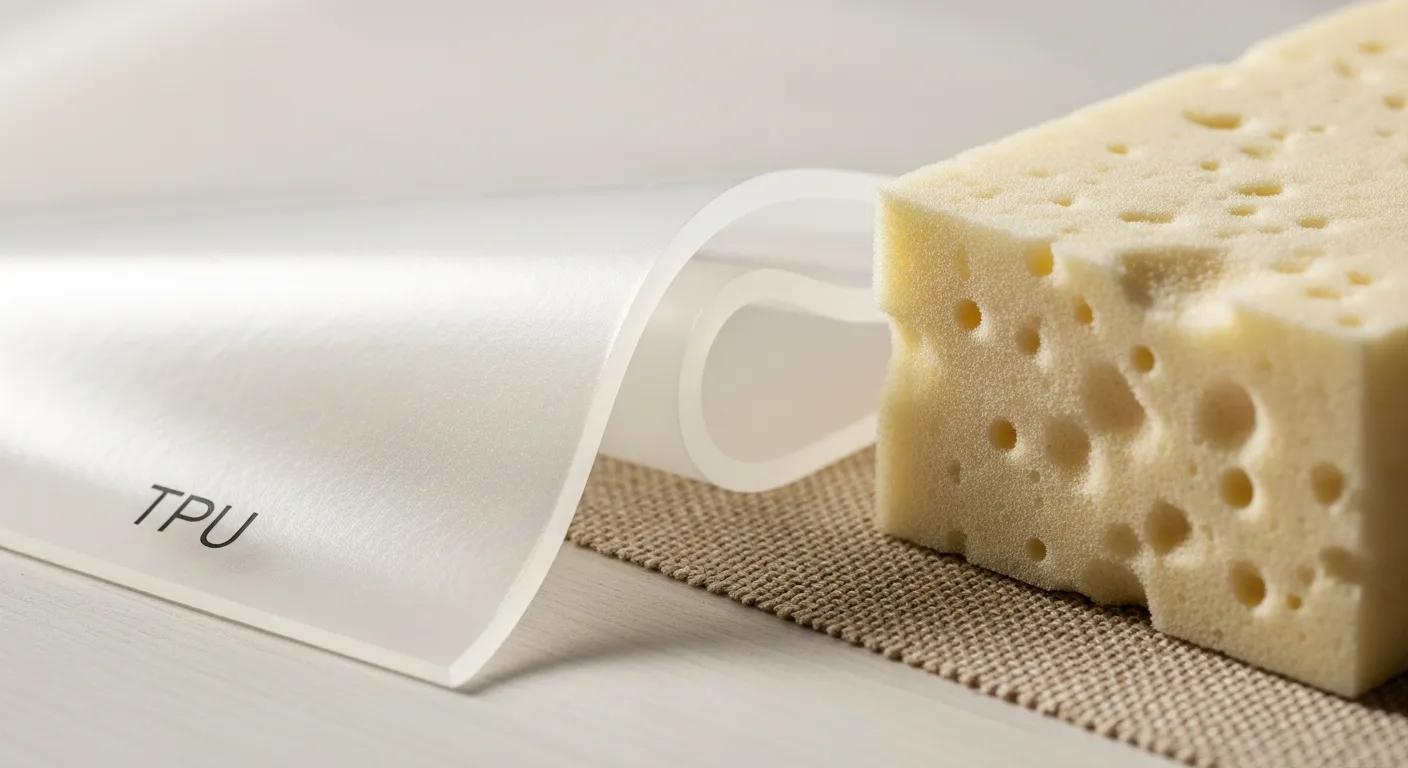
TPU is the most common synthetic alternative to PVC for greener airbeds — it generally emits fewer VOCs, is chemically stable and can be made repairable and durable. Natural latex (or latex blends) in hybrid inflatables gives resilience and better end‑of‑life options when the latex is truly natural, though it can add weight and may represent a greater investment. Organic textiles — organic cotton, certified bamboo viscose and the like — are popular for covers and protectors because they’re breathable, lower chemical burden, and reduce direct skin contact with polymers. Recycled materials and bioplastic blends are emerging, but mixed constructions can complicate recycling. A sensible balance is TPU chambers with detachable, certified organic fabric covers for good performance, indoor air quality and clearer recycling pathways.
Those material choices lead naturally to how to pick a model and what pump and repair features matter for sustainability and convenience.
How to Choose the Best Non‑Toxic and Sustainable Air Mattress?
Picking a non‑toxic, sustainable air mattress means checking materials, build quality, pump options, repairability and third‑party testing. Why these matter: durable, repairable designs reduce replacements; efficient pumps lower running energy; and verified non‑toxic parts reduce health risk. The result is a mattress that lasts, performs and keeps indoor air cleaner — offering excellent long-term value and creating less waste over its life. Use the short checklist below when comparing models.
A buyer's checklist to evaluate air mattresses:
- Material transparency: Make sure the product lists chamber and cover materials — avoid vague “plastic” wording.
- Repairability: Check for patch kits, replacement valves or modular parts to extend life.
- Certifications and tests: Look for third‑party tests that support PVC‑free or low‑VOC claims.
This checklist gives immediate actions you can take. The next section compares pump types and explains durability features that matter for sustainability.
Pump design affects energy use, portability and serviceability. The table below summarises typical trade‑offs.
| Pump Type | Energy / Convenience Attribute | Typical Value |
|---|---|---|
| Built‑in electric pump | Very convenient; runs from mains power during inflation/deflation | Fast and integrated, but less portable, and can add lifetime energy use |
| External electric pump | Moderate energy; replaceable and serviceable | Good balance of speed and repairability; portable if battery models exist |
| Manual pump (hand/foot) | No electricity needed; highly portable and low‑tech | Slow and tiring for large beds, but it has the lowest environmental footprint |
Many sustainability‑minded buyers prefer external pumps that can be serviced, or manual options when portability and minimal energy use matter. Knowing pump trade‑offs helps you choose a product that fits how you’ll use it.
Next: what construction details predict a long‑lasting air mattress and less waste?
What Key Features Ensure Durability and Longevity in Eco‑Friendly Air Mattresses?
Durability comes down to material thickness, seam quality, valve design and available repair options. A thicker TPU chamber with reinforced welds and a good valve usually outlasts thin PVC builds. Accessible seams or modular chambers make targeted repairs easier. Our products are designed for lasting performance and peace of mind, often including patch kits or replacement valves to support their longevity. And simple user habits — correct inflation, avoiding sharp surfaces and storing the deflated mattress dry — make a big difference to service life and prevent early replacement.
Good care connects directly to pump choice and maintenance routines, which together influence convenience and cumulative energy use.
How Do Pump Types Affect Energy Efficiency and User Convenience?
Pump selection shapes energy use, portability and repairability — all of which affect a mattress’s sustainability and everyday ease. Built‑in pumps are fastest and least effort, but draw mains power and are harder to replace without discarding the whole unit if they fail. External pumps are often easier to service or swap between products, improving lifecycle value; manual pumps use no energy but are slow for regular use. Match pump type to how you’ll actually use the mattress — camping, frequent guest use or occasional overnight — and prefer models where pumps can be serviced or replaced.
Recommended pump matches for common scenarios:
- Frequent home use: External electric pump paired with TPU chambers for durability.
- Camping and portability: Manual pump or a compact battery pump that stores easily.
- Occasional guest bed: Built-in pump for convenience — look for brands with clear serviceability and product support policies.
Choosing the pump and materials together determines the product’s real‑world sustainability; next, we look at the certifications that back non‑toxic and PVC‑free claims.
What Certifications and Standards Guarantee a PVC‑Free and Safe Air Mattress?
Certifications give independent checks that materials and processes meet safety or environmental standards. They test for chemical residues, restricted substances and textile processing traces — useful proxies for non‑toxic claims when manufacturers are open about their supply chains. No single certification covers every part of an inflatable system, so use marks as part of a broader verification approach. The table below summarises key certifications and what they cover.
| Certification | What it tests | Relevance to air mattresses |
|---|---|---|
| OEKO‑TEX Standard 100 | Tests textiles for harmful substances and regulated chemicals | Very useful for covers and fabric components to ensure low chemical residue |
| GOTS (Global Organic Textile Standard) | Verifies organic fibre sourcing and ecological processing | Relevant when covers or toppers claim organic fibre content |
| CertiPUR‑US | Tests polyurethane foam for emissions, heavy metals and restricted phthalates | Applicable where toppers or hybrid designs include foam layers |
These profiles show what each mark covers; because no single logo guarantees a totally PVC‑free inflatable, combine certification checks with clear material listings and test reports.
Verifying a “PVC‑free” claim takes a bit more than a label — the next section explains practical steps.
Which Certifications Confirm Non‑Toxic and Sustainable Materials?
OEKO‑TEX, GOTS and CertiPUR‑US are practical, commonly accepted marks because they focus on textiles, organic sourcing and foam emissions, respectively. OEKO‑TEX screens finished textiles for a broad list of restricted and potentially harmful substances, making it highly relevant for covers and protectors. GOTS certifies organic fibre sourcing and processing, which matters if you prioritise organic textiles. CertiPUR‑US checks foam for emissions and restricted chemicals, useful when toppers or hybrid layers include foam. Look for these certifications together when evaluating a full sleep system — air chamber, topper and cover — to build a complete picture of product safety.
How to Identify Truly PVC‑Free and Phthalate‑Free Air Mattresses?
To verify PVC‑free or phthalate‑free claims, ask for explicit material disclosures and third‑party test summaries or certificates that list restricted substances and results. Brands that publish lab reports or test summaries show transparency and lower risk. Practical indicators include a lack of strong chemical odour, clear material labels (for example “TPU chamber”, “organic cotton cover”) and verifiable certification numbers where available. If a seller won’t provide test results, treat the claim cautiously and prefer brands that share independent assessments. Finally, air new products in a ventilated space and recheck for smells — persistent off‑gassing is a clear sign to investigate further.
With verification covered, let’s look at complementary bedding choices that improve comfort and sustainability for airbed owners.
How Can Adore Earth's Organic Bamboo Bedding Complement Your Eco‑Friendly Air Mattress?
Adore Earth designs organic bamboo bedding in Australia with a focus on comfort, durability and lower environmental impact. Our bamboo sheet sets, mattress toppers and protectors add breathable, temperature‑regulating layers that reduce direct contact with synthetic chambers and help distribute pressure more evenly. An organic bamboo protector keeps the airbed cleaner and reduces how often you need deep cleans or premature replacement, while bamboo sheets improve breathability and suit sensitive sleepers. Adore Earth’s bedding complements an eco‑minded inflatable for a sensible pairing, enhancing comfort and longevity.
How Do Bamboo Mattress Toppers Enhance Comfort and Sustainability?
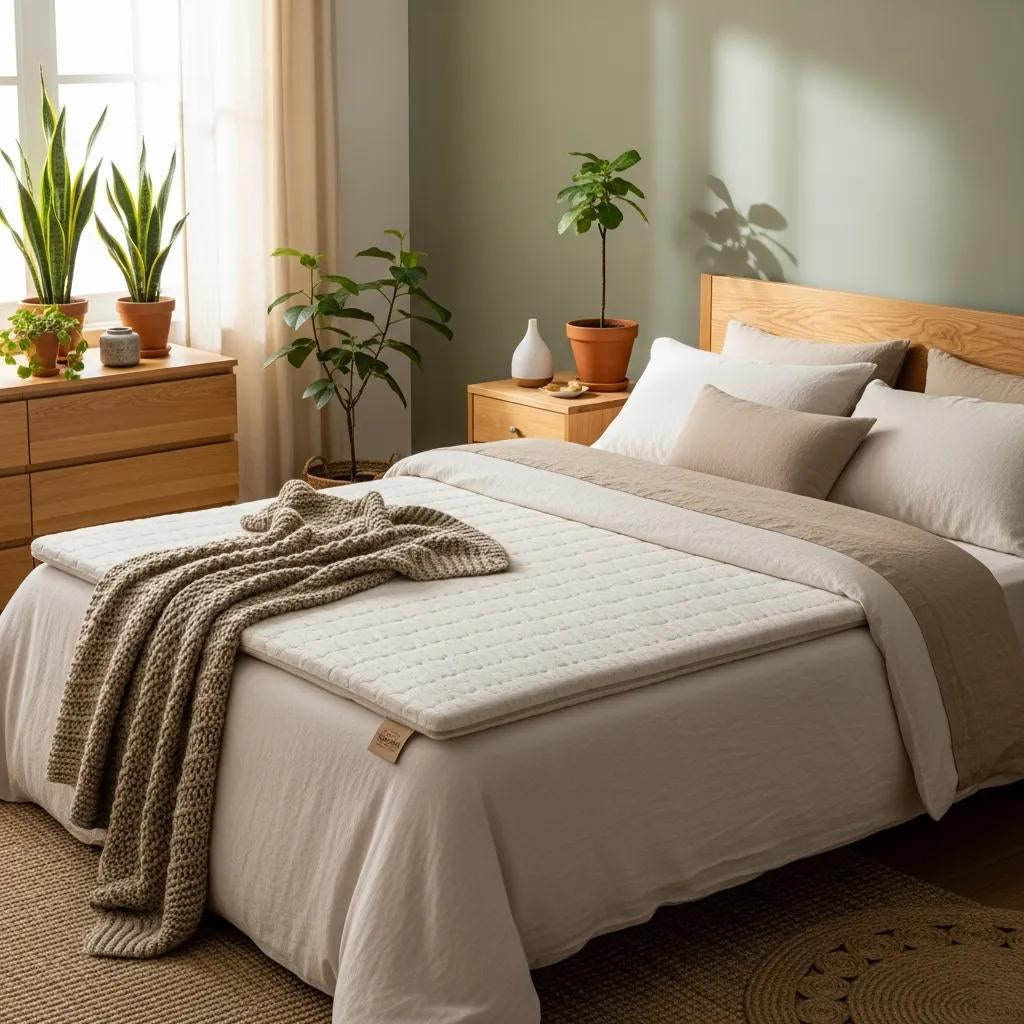
A bamboo mattress topper adds cushioning and evens out pressure points, making an inflatable surface feel more like a regular mattress and lowering the need to swap for a foam alternative. Bamboo‑derived textiles (often viscose from bamboo, sometimes blended with natural fibres) wick moisture and breathe well, helping regulate temperature and reduce condensation against the air chamber. From a sustainability view, responsibly sourced organic bamboo and biodegradable textile choices generally lower lifecycle impacts compared with synthetic overlays. Using a topper also protects the air chamber from abrasion, extending the core mattress’s life. Follow care instructions — air regularly, wash as recommended and store dry — to keep the topper working well for longer.
What Role Do Bamboo Sheets and Protectors Play in a Green Sleep Setup?
Bamboo sheets and protectors create a breathable, hypoallergenic surface that reduces the need for synthetic covers and improves nightly comfort while shielding the air mattress from spills, body oils and surface wear. Bamboo’s moisture‑wicking and cooling qualities help keep the microclimate drier, which can prevent mildew and cut down on deep cleaning. A good organic bamboo protector that’s PVC‑free and free of harmful finishes maintains a non‑toxic sleep system. Layering a topper, protector and sheet set is a practical way to protect the air mattress, extend usable life and lower the overall environmental footprint.
Those pairing tips help you assemble an eco‑friendly sleep kit. Next, we cover market trends shaping sustainable inflatables.
What Are the Emerging Trends and Innovations in Sustainable Air Mattresses?
Innovation in sustainable air mattresses focuses on replacing problematic plastics, improving repairability and rolling out take‑back or recycling programmes to keep products out of landfill. Biodegradable blends and recyclable TPU formulas are under development, though mixed‑material constructions still complicate recycling. Another big trend is modular components and serviceable pumps that let brands repair parts instead of forcing full replacement — a practical way to extend life and cut embodied impacts. Overall, manufacturers who design for durability, transparency and circularity are making the most meaningful improvements for consumers.
How Are Biodegradable Materials and Recycling Initiatives Shaping the Market?
Bioplastics and certain TPU blends show promise for biodegradability, but real‑world breakdown depends on blend chemistry and waste‑stream conditions — many so‑called biodegradable plastics need industrial composting. Recycling and take‑back schemes are emerging where manufacturers accept returns for component reclamation, but these programmes are often regional and limited by infrastructure. The main challenge is mixed materials — zips, foams and laminated textiles make separation hard. For consumers, choose single‑polymer chambers that are repairable and ask brands about take‑back or end‑of‑life plans when they’re available.
What Smart Technologies Are Being Integrated into Eco‑Friendly Mattresses?
Smart features for inflatables and hybrids include adjustable air modules, app‑controlled firmness, sleep sensors and more efficient pump controllers that cut unnecessary power use. These can improve sleep and save energy if designed with low‑power modes and long‑term software and hardware support. But sustainability must consider device lifecycle: short support windows, proprietary hardware and firmware obsolescence can create e‑waste that offsets operational gains. We recommend favouring smart options where electronics are modular and replaceable, and where the maker publishes clear update and support policies.
This completes our overview of materials, buying guidance, certifications, bedding pairing and market trends to help you choose a non‑toxic, sustainable air mattress and sensible complementary bedding while reducing health and environmental risks.
- Choose TPU or clearly specified natural materials, prefer repairable pumps, seek transparent certifications and protect your air mattress with breathable organic bamboo toppers and protectors to improve comfort and extend life.
Frequently Asked Questions
What are the environmental benefits of using eco‑friendly air mattresses?
Eco-friendly air mattresses reduce environmental harm by using lower‑impact materials and clearer manufacturing. They often avoid PVC and phthalates, which lowers toxic emissions and disposal risks. Many greener options use recyclable or biodegradable components and last longer when designed for repair, which cuts landfill waste and the product’s overall carbon footprint.
How can I properly maintain my eco‑friendly air mattress?
Keep your air mattress in good shape by wiping it with a damp cloth, avoiding harsh chemicals, and storing it deflated in a cool, dry place when not in use. Check valves and seams regularly and use a patch kit promptly for small leaks. Proper care prevents mould, reduces replacements and keeps the mattress a sustainable choice.
Are there specific brands known for producing eco‑friendly air mattresses?
Yes — some brands prioritise transparency and use TPU or other lower‑emission materials instead of PVC. Look for companies that publish material lists, third‑party tests and certifications like OEKO‑TEX or GOTS. Customer reviews and sustainability ratings also help identify brands that combine eco‑credentials with reliable performance.
What should I consider when choosing a pump for my air mattress?
Think about energy use, portability and repairability. Built‑in electric pumps are convenient but draw mains power and can be harder to service. External electric pumps strike a balance between speed and replaceability, and manual pumps use no electricity but are slower. Match the pump to how often and where you’ll use the bed.
How do I know if an air mattress is truly non‑toxic?
Check for clear material disclosures and certifications such as OEKO‑TEX or CertiPUR‑US, and ask for third‑party test reports if available. Avoid strong chemical smells and prefer products that list materials explicitly (for example, “TPU chamber” or “organic cotton cover”). If a seller won’t share test results, consider that a warning sign.
What are the advantages of using organic bamboo bedding with an air mattress?
Organic bamboo bedding adds breathability, moisture‑wicking and a soft, hypoallergenic surface that improves comfort and protects the air mattress from spills and wear. A bamboo protector and topper together reduce the need for deep cleans and help extend the mattress’s usable life, keeping your sleep setup both comfier and more sustainable.
