




The Advantages of Eco-Friendly Mattress Toppers: Benefits for Health and Sustainable Living in the UK
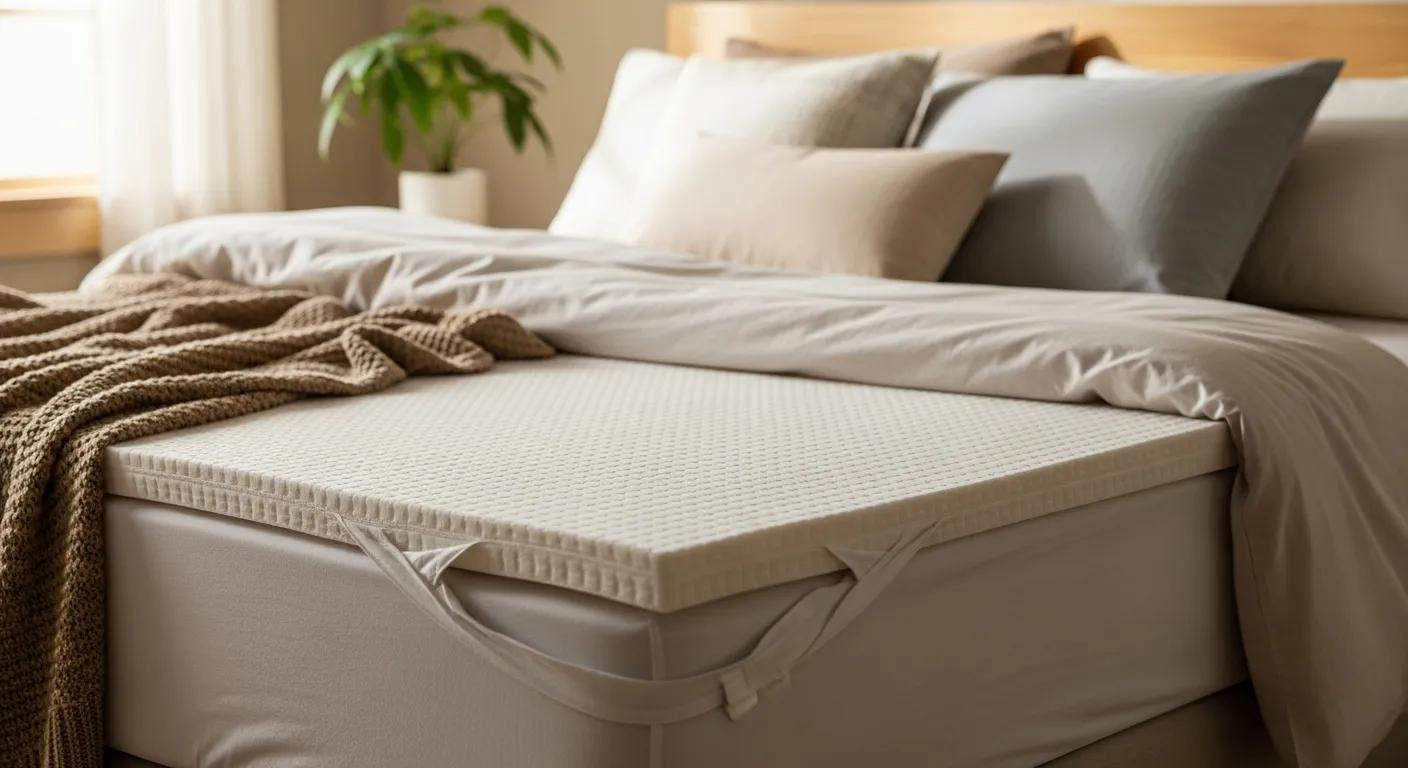
Eco-friendly mattress toppers are removable bedding layers made from sustainably sourced, low‑toxin materials that lift comfort while cutting environmental impact. Here, we explain how these toppers support better sleep—through hypoallergenic surfaces and improved indoor air quality—while also offering sustainability wins like biodegradability and a smaller footprint. If you struggle with night sweats, allergies or worries about chemical off‑gassing, a responsibly made topper can help by using breathable fibres and certified processing. This guide maps the main benefits, shows why bamboo excels at temperature control and resisting pet hair, outlines hypoallergenic advantages, and finishes with a buyer’s checklist for UK shoppers looking for a sustainable topper.
What Are the Key Benefits of Eco-Friendly Mattress Toppers?
Well‑made eco toppers combine health, comfort and environmental benefits. They use natural, low‑VOC textiles and breathable constructions to limit allergens, manage moisture and regulate sleep temperature. They work by reducing off‑gassing from non‑toxic fabrics, using moisture‑wicking fibres that stabilise your sleep environment, and offering compostable end‑of‑life options that ease landfill pressure. Here’s a quick summary of the top benefits people look for when choosing a sustainable topper.
Eco-friendly toppers offer these primary benefits:
- Smoother, more consistent sleep thanks to better temperature control and moisture management.
- Lower exposure to allergens and fewer nighttime breathing or nasal disturbances.
- Environmental gains from biodegradable components and renewable sourcing.
Those advantages translate into real outcomes: fewer wake‑ups, a softer surface for sensitive skin and less contribution to textile waste. Understanding how these benefits work leads us naturally into how toppers support sleep health.
How Do Eco-Friendly Toppers Improve Sleep Health Naturally?
Eco toppers improve sleep by pairing breathable structures with hypoallergenic fibres that limit allergen build‑up and keep temperature steady. Breathable fabrics pull moisture away from skin to reduce night sweats and support deeper sleep stages, while low‑VOC construction cuts the risk of irritating off‑gassing. Natural fibres with open weaves create tiny channels for heat and moisture to escape, helping reduce those little disturbances and protect your deep sleep. Simple care—regular airing and following the manufacturer’s wash instructions—keeps the topper performing and preserves its hypoallergenic properties.
These benefits reduce symptoms such as congestion and nighttime coughing, which in turn improve sleep continuity and daytime energy. Next, we look at why sustainability matters when choosing a topper.
Why Is Sustainability Important in Mattress Toppers?
Sustainability matters because the materials you choose and how they’re disposed of determine the product’s real environmental impact. Fast‑growing fibres like bamboo need less water and can be harvested with lower land pressure than some crops, and biodegradable textiles can break down under the right conditions rather than persist in landfill. Choosing durable, sustainably produced toppers also cuts the number of replacements you’ll need over time, shrinking the energy and resources used in repeated manufacturing. Thinking about a topper’s journey—from where it comes from to how it’s disposed of—helps you pick options that align with a more circular and long‑term approach.
With that in mind, it’s useful to compare materials—especially bamboo—against other fills like latex, wool and synthetics.
How Do Bamboo Mattress Toppers Offer Unique Advantages?

Bamboo toppers marry soft, breathable fibre with construction techniques that improve airflow, manage moisture and feel comfortable against the skin. Bamboo fibre is naturally moisture‑wicking, has antimicrobial tendencies and a silky hand, while micro‑gap weaves and other builds boost how well heat escapes. Because bamboo grows quickly, it’s often positioned as a more eco‑conscious option than water‑hungry crops, and the fabric can be tailored to suit hot sleepers and those with sensitive skin. The table below gives you a quick look at how bamboo stacks up against common alternatives so you can weigh up your options.
Introductory comparison of materials and their distinguishing attributes:
| Material | Key Attribute | Typical Consumer Benefit |
|---|---|---|
| Bamboo fibre | High breathability and moisture‑wicking | Cooler sleep surface and fewer night sweats |
| Natural latex | Resilient support and pressure relief | Better spinal alignment and long‑lasting durability |
| Wool | Thermoregulatory and naturally flame‑resistant | Comfort across seasons and natural insulation |
| Synthetic fill | Great value and consistent loft | Affordable cushioning but lower biodegradability |
The table highlights bamboo’s strengths in breathability and moisture control and explains why many sleepers prefer bamboo‑based toppers. Next, we outline what makes bamboo a great choice.
What Makes Bamboo a Sustainable and Organic Material?
Bamboo stands out because many species reach maturity in three to five years and can be harvested without replanting, cutting down on land pressure compared with some annual crops. Sustainable processing keeps chemical inputs and water use low, while organic processing routes avoid bleaches and harsh finishes that increase off‑gassing. When shopping for a bamboo topper, look for clear information about how it's made so the sustainability claims match real practices.
These production details help explain how bamboo constructions—like micro‑gap weaves—actively regulate temperature and comfort.
How Does Bamboo Provide Temperature Regulation and Comfort?
Bamboo regulates temperature through moisture‑wicking fibres and fabric builds that increase surface airflow so heat can escape. A micro‑gap weave creates tiny channels for warm, humid air to escape while the fibre draws moisture from skin to help you feel cooler. Bamboo’s smooth surface is gentle on skin and hair, reducing friction and irritation. Choosing the right thickness helps hot sleepers balance cooling with enough cushioning for pressure relief.
With those material features covered, we’ll look at hypoallergenic benefits for people with allergies and asthma.
Why Are Hypoallergenic Mattress Toppers Ideal for Allergy Sufferers?

Hypoallergenic toppers cut exposure to common triggers—dust mites, mould spores and other microbes—by using tightly woven covers, breathable fills and naturally resistant fibres. These features reduce nighttime symptom flare‑ups and lower sleep interruptions from congestion or skin irritation. Regular care—washing removable covers and keeping the sleep environment dry—helps maintain hypoallergenic performance. The short list below gives practical steps to keep a natural topper working at its best.
Recognising how common allergens like dust mites affect sleep underscores the value of hypoallergenic bedding for everyday health.
Simple maintenance steps to preserve hypoallergenic performance:
- Wash removable covers regularly—use hot cycles where the care label allows to remove dust and allergens.
- Thoroughly air and dry the topper after any moisture exposure to prevent mould.
- Use a breathable mattress protector beneath the topper to keep it cleaner between washes.
Following these steps supports the material benefits above and ties into how natural fibres like bamboo help reduce common allergens, as we explain next.
How Do Natural Materials Like Bamboo Resist Allergens?
Bamboo fibres have natural properties that, when woven tightly yet still breathable, reduce the habitats preferred by dust mites and mould. The fibre’s moisture‑wicking keeps the surface drier—less hospitable to mould—while snug cover constructions limit mite entry. These materials and construction choices act as a passive defence that works alongside active hygiene—regular washing and keeping indoor humidity low—to lower night‑time symptoms for allergy sufferers.
The following section summarises the health outcomes you can expect from hypoallergenic toppers.
What Health Benefits Do Hypoallergenic Toppers Provide?
Hypoallergenic toppers lower exposure to triggers tied to nasal congestion, sneezing and coughing, which reduces how often your sleep is interrupted and can improve how well you feel you’ve slept, your daytime alertness and general wellbeing. For people with sensitive skin or contact dermatitis, chemical‑free natural fabrics offer a gentler surface with less irritation and friction. In short, hypoallergenic toppers are a practical step to help manage sleep‑related allergy symptoms.
Lower allergen exposure naturally raises wider environmental questions: how do eco toppers affect conservation goals?
How Do Eco-Friendly Mattress Toppers Contribute to Environmental Conservation?
Eco toppers affect conservation through where their materials come from, how they’re made and what happens to them at the end of their life. Material choice shapes resource use and waste: durable, biodegradable toppers cut repeat purchases and reduce textile waste, while responsible sourcing can lower the carbon used in production by favouring efficient processing. The table below compares bamboo with synthetic alternatives so you can understand their environmental impacts when choosing a topper.
This comparison highlights typical differences across materials:
| Material | Lifecycle Attribute | Typical Outcome |
|---|---|---|
| Bamboo | Renewable growth and lower irrigation | Reduced water use per unit of fibre |
| Synthetic polyester | Petroleum‑derived feedstocks | Higher carbon footprint and persistent microplastics |
| Natural latex | Rubber‑tree sourcing and processing | Renewable, but the processing energy varies |
| Wool | Animal‑based with land use | Biodegradable, but higher land impact per kg |
The table shows how material choice affects waste and emissions. Next, we look at biodegradability and its effect on waste reduction.
What Is the Impact of Biodegradability on Waste Reduction?
Biodegradability determines whether a topper can break down into natural organic matter at the end of its life, which helps reduce persistent landfill when composting or industrial processing is available. Natural‑fibre toppers without synthetic coatings or heavy chemical finishes are more likely to decompose under suitable conditions, lowering long‑term landfill mass. Timings depend on local conditions—industrial composting differs from landfill, so check disposal options in your area. Choosing durable products that last longer and can be composted or recycled where facilities exist multiplies waste‑reduction benefits over time.
That brings us to how responsible sourcing helps lower a product’s carbon footprint.
How Does Sustainable Sourcing Lower Carbon Footprint?
Sustainable sourcing cuts down on carbon emissions by prioritising materials that need fewer fossil fuels, less irrigation and lower synthetic fertiliser use during cultivation. Clear supplier reporting on energy, transport distances and processing methods lets you choose products with a lower carbon footprint. Local manufacturing and efficient logistics further reduce transport emissions, so evidence of responsible sourcing plus durable design is a strong indicator of a lower‑carbon product. Looking at suppliers on these factors helps you choose toppers that align with wider climate goals.
What Should You Consider When Choosing an Organic Mattress Topper?
Choosing an organic topper means checking certifications, durability, comfort and care to balance health and value. Key points are validated textile safety labels, resilient fill and cover materials, the right thickness for your sleep position, and easy‑care features that support long life. The checklist below summarises priorities for shoppers looking for an organic, sustainable topper.
Checklist for choosing an organic mattress topper:
- Prioritise recognised textile safety certifications that confirm low chemical content and safe processing.
- Pick a topper thickness and fill density that balance cushioning with breathability for your sleep position.
- Check care instructions and whether the topper has a removable, machine‑washable cover to make hygiene simple.
After using this checklist, look for clear verification—certifications help you understand what you're buying. The table below outlines common labels and what they typically confirm.
| Certification Type | What It Verifies | Buyer Impact |
|---|---|---|
| Textile safety (e.g., OEKO‑TEX) | Limits on harmful substances and chemicals | Lower risk of skin irritation and VOC emissions |
| Organic content chain | Percentage of certified organic fibre and traceability | Confidence in raw material sourcing claims |
| Processing and finishing audits | Controls on dyes and finishing chemistry | Reduced toxic residues and off‑gassing |
These checks help you spot truly eco‑friendly products; next, we cover how durability and comfort affect the overall value of your purchase.
Which Certifications Ensure Authentic Eco-Friendly Products?
Certifications like textile‑safety standards and organic traceability programmes show a product has passed independent checks for chemical content and where its materials come from. Textile safety labels test for restricted substances and give reassurance against problematic dyes, finishes and residues that can affect indoor air quality. Organic chain certifications confirm that raw materials come from certified organic sources and that traceability is maintained through processing. Look for clear labelling and documentation, and don't hesitate to ask suppliers for more information if anything is unclear.
These checks support long‑term value by lowering health risks and ensuring product claims are backed up, which links directly to durability and comfort considerations below.
How Do Durability and Comfort Influence Long-Term Value?
Durability and comfort determine how long a topper stays useful, which affects its environmental impact over time and the overall value you get from your purchase. A resilient topper that keeps its loft and support reduces early replacement and spreads the resources used in its production over more years. Balance comfort factors—pressure relief, thickness and how well it regulates temperature—with durability signs like stitch quality, resilient fill and stable fabric construction. Simple care—rotating the topper and following wash guidance—extends its lifespan and preserves both comfort and sustainability benefits.
Choosing durable designs leads naturally to brand options for buyers who want reliable features and confidence in their purchase.
Choosing a Premium Bamboo Mattress Topper in the UK
When selecting a bamboo mattress topper in the UK, discerning shoppers look for a blend of comfort, environmental responsibility, and proven quality. Premium bamboo toppers are designed to offer exceptional softness, a gentle surface for skin and hair, advanced temperature regulation, and often feature like pet hair resistance and a biodegradable profile. Prioritising brands that offer transparent sourcing, efficient delivery, and a strong commitment to customer satisfaction ensures a worthwhile investment.
Key Features of Premium Bamboo Mattress Toppers
High-quality bamboo toppers often incorporate advanced structures, such as micro-gap weaves, to encourage heat escape and efficiently wick moisture, creating a significantly cooler sleep surface—ideal for hot sleepers. The inherent softness of bamboo fabric is gentle on skin and hair, reducing friction and irritation. Many premium designs also feature enhanced resistance to pet hair, simplifying upkeep in homes with animals. For those prioritising sustainable materials, look for toppers with organic bamboo composition and a clear biodegradable profile, making end-of-life disposal considerations straightforward.
What to Expect from High-Quality Bamboo Toppers: Customer Insights
Customer feedback for premium bamboo mattress toppers consistently highlights improved temperature control, a reduction in night sweats, and a noticeably gentler surface for sensitive skin—all outcomes that align perfectly with bamboo’s natural material strengths. Many users also commend the easy maintenance, often noting features like pet-hair resistance and machine-washable covers. Positive comments frequently extend to responsive customer care and reliable product performance. These shared user experiences can help set realistic expectations for the benefits of a well-chosen bamboo topper.
Frequently Asked Questions
1. How do I maintain my eco-friendly mattress topper?
Maintain your topper by washing removable covers according to the care label—use hot cycles when permitted to remove dust and allergens. Air and dry the topper completely after any moisture exposure to prevent mould. A breathable mattress protector underneath will keep the topper cleaner between washes. These simple steps help preserve hypoallergenic properties and lengthen the topper’s useful life.
2. Are eco-friendly mattress toppers suitable for all sleeping positions?
Yes—eco toppers can work for any sleeping position, but you should pick thickness and firmness to match your needs. Side sleepers often prefer a thicker, softer layer for pressure relief, while back and stomach sleepers may want a firmer, lower profile for better support. Consider your usual position and comfort preferences when choosing.
3. What certifications should I look for in an eco-friendly mattress topper?
Look for labels such as OEKO‑TEX for limits on harmful substances and GOTS (Global Organic Textile Standard) for confirmed organic fibre and responsible production. Certifications related to biodegradability and sustainability can also help confirm eco-claims. Clear certifications make it easier to compare products reliably.
4. Can eco-friendly mattress toppers help with temperature regulation?
Yes—many eco toppers, especially those made from bamboo, improve temperature regulation. Bamboo fibres wick moisture and allow airflow, helping heat escape and reducing night sweats. A micro‑gap weave or similar construction enhances those cooling properties, making such toppers a good choice for hot sleepers.
5. How do hypoallergenic mattress toppers benefit sensitive skin?
Hypoallergenic toppers are made from natural, low‑chemical materials that reduce irritation and friction. Tight, breathable covers and resistant fillings discourage dust mites and mould, which can trigger allergic or skin reactions. Moisture‑wicking materials like bamboo also keep the surface drier, lowering the chance of skin issues. Regular washing of covers supports these benefits.
6. What is the environmental impact of choosing a bamboo mattress topper?
Bamboo has a low environmental impact because it grows quickly, needs minimal water and can often be harvested without replanting. Many bamboo toppers are biodegradable, so they can break down naturally at the end of life, where facilities allow, reducing landfill waste. Choosing bamboo supports more sustainable practices and can help lower the environmental footprint of your bedding.
7. How do I know if my mattress topper is truly eco-friendly?
Check for independent certifications such as OEKO‑TEX or GOTS, verify the materials (natural, organic and low in harmful chemicals) and review the brand’s sourcing and manufacturing transparency. Customer reviews can also give insight into a product’s environmental impact and how long it lasts.
