





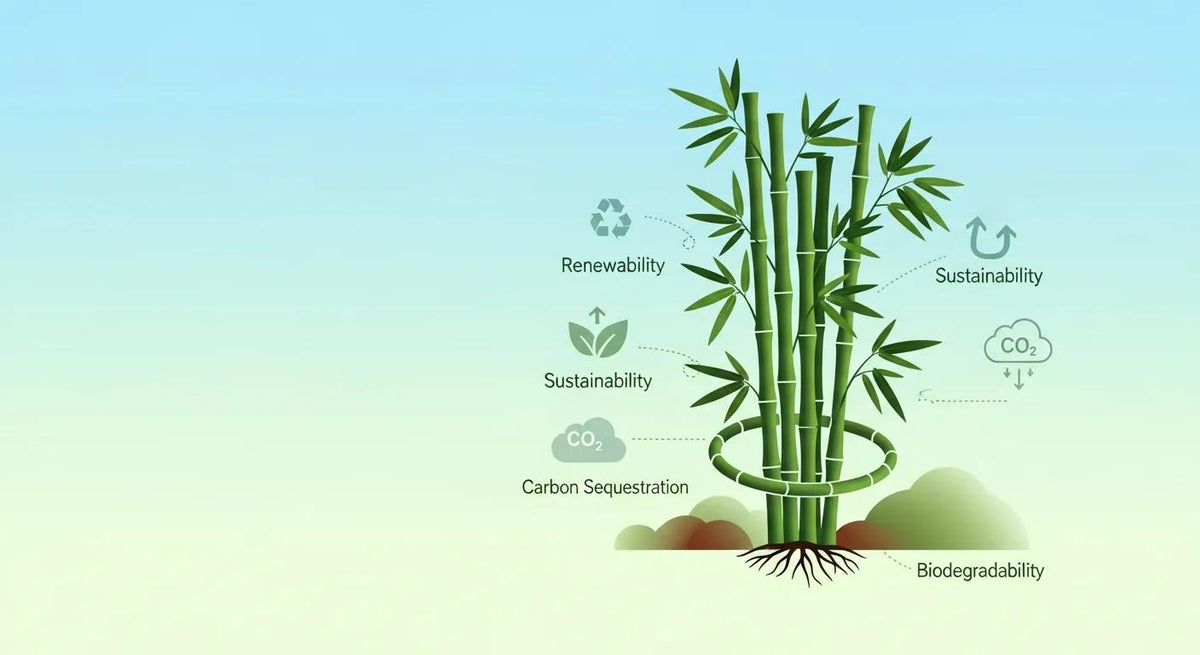
Bamboo sheets are increasingly adopted as a sustainable alternative to conventional bedding. This article examines their environmental advantages, comfort characteristics and suitability for commercial hospitality. With greater awareness of ecological impact, demand for sustainable textiles is rising. Bamboo sheets deliver a luxurious sleeping experience while reducing environmental burden. This guide outlines environmental benefits, appropriate hospitality applications and recommended care and sourcing practices.
What Are the Environmental Benefits of Bamboo Sheets Compared to Traditional Bedding?
Bamboo sheets offer several environmental advantages over cotton and synthetic fabrics. Bamboo grows rapidly and frequently without pesticides or fertilisers, reducing land and water requirements compared with irrigated, chemically treated cotton. Additionally, bamboo sheets are biodegradable and therefore do not contribute long-term to landfill waste.
How Does Bamboo Cultivation Reduce Environmental Impact?
Bamboo's rapid growth—reported at up to three feet in a single day—permits frequent harvesting and supports carbon sequestration, as bamboo absorbs substantial carbon dioxide. Its comparatively low water requirement versus traditional crops enhances its efficiency for sustainable agriculture.
What Sustainability Certifications Validate Bamboo Sheets?
Recognised sustainability certifications help verify the eco credentials of bamboo sheets. Key certifications include:
OEKO-TEX Standard 100: This certification guarantees that the fabric is free from harmful substances and safe for human use.
GOTS Certification: The Global Organic Textile Standard ensures that the bamboo is sourced from organic farms and processed in an environmentally friendly manner.
USDA Organic Certification: This certification confirms that the bamboo is grown without synthetic fertilizers or pesticides, promoting sustainable farming practices.
Why Are Bamboo Sheets Ideal for Commercial Hospitality Settings?
Bamboo sheets suit commercial hospitality due to their soft, breathable comfort and robust durability. They withstand frequent laundering and require less maintenance than many cotton alternatives, making them a practical choice for hotels and similar operations.
How Do Bamboo Sheets Enhance Comfort and Hygiene in Hotels?
Bamboo sheets support comfort and hygiene in hotels through natural hypoallergenic and antibacterial properties. The fibres resist dust mites and common allergens, and their moisture-wicking performance helps regulate body temperature so guests remain cool. Together these attributes enhance the overall guest experience.
What Case Studies Demonstrate Bamboo Sheets in Commercial Fit-Outs?
Several hotels have adopted bamboo sheets and reported tangible benefits. For example, a boutique hotel in London recorded higher guest satisfaction after switching to bamboo, citing improved comfort and a clearer sustainability stance. Client feedback emphasised the luxurious feel and eco-friendly credentials of the bedding. These case studies reflect a growing trend within the hospitality industry towards sustainable practice.
How Do Bamboo Sheets Compare to Cotton and Synthetic Bedding Materials?
Compared with cotton and synthetic materials, bamboo sheets are typically softer and more durable, offering an extended service life when properly cared for. Their moisture-wicking capability helps keep sleepers dry, whereas cotton may retain moisture and cause discomfort.
What Are the Durability and Moisture-Wicking Properties of Bamboo Sheets?
Bamboo sheets are notable for durability and effective moisture management. They tolerate numerous washes without significant loss of softness or structural integrity, which supports cost-effectiveness for both consumers and businesses. The fibres draw moisture away from the body to maintain comfort in warmer conditions.
Are Bamboo Sheets Hypoallergenic and Suitable for Sensitive Users?
Bamboo sheets are hypoallergenic and appropriate for sensitive users. The natural fibres resist allergens such as dust mites and mould, reducing allergy triggers. Their antibacterial characteristics further lower the risk of skin irritation, offering a safe sleeping surface.
What Are the Best Practices for Caring for Bamboo Bedding in Commercial Use?
Proper care is essential to preserve bamboo bedding longevity in commercial settings. Regular maintenance protects fabric quality and extends service life.
How Should Bamboo Sheets Be Washed and Maintained for Longevity?
Wash bamboo sheets on a gentle cycle with cold water and a mild, chemical-free detergent. Tumble dry on low heat and avoid bleach and fabric softeners to preserve the fibres' natural properties.
What Are the Cost and Longevity Benefits of Bamboo Bedding?
Although initial purchase prices can exceed those of standard cotton, the greater durability and reduced replacement frequency of bamboo bedding deliver cost savings over time. Combined with lower maintenance demands, this makes bamboo sheets a cost-effective option for individuals and commercial operators.
How Can Businesses Source and Specify Sustainable Bamboo Sheets?
Businesses sourcing sustainable bamboo sheets should evaluate several factors to ensure environmentally responsible procurement.
What Should Commercial Clients Look for When Selecting Bamboo Bedding?
Commercial clients should prioritise quality, comfort and verified sustainability. Seek certifications such as OEKO-TEX and GOTS, and assess durability and maintenance needs to ensure suitability for commercial use.
How Does Adore Earth Support Sustainable Commercial Fit-Outs with Bamboo Sheets?
Adore Earth is committed to sustainable commercial fit-outs through the inclusion of bamboo sheets in their product range. The company emphasises ethical sourcing from sustainable farms, promotes product biodegradability and employs low-impact manufacturing processes, reflecting its mission to supply eco-friendly solutions for commercial projects.
Frequently Asked Questions
What are the key differences in care between bamboo sheets and cotton sheets?
Bamboo sheets require different care from cotton because of their fibre structure. Use cold water on a gentle cycle and low-heat drying to protect softness and integrity. Avoid bleach and fabric softeners, which can degrade the fibres and shorten product life.
Can bamboo sheets help with temperature regulation during sleep?
Bamboo sheets support temperature regulation via moisture-wicking fibres that draw moisture from the body, keeping sleepers dry and comfortable. The fabric's breathability improves airflow and contributes to a more restful sleep, particularly in warmer climates or for those who overheat.
Are there any environmental concerns associated with bamboo sheet production?
Bamboo sheets are generally eco-friendly, but processing can involve chemical treatments. To reduce environmental risk, choose products certified for organic or low-impact processing. GOTS and OEKO-TEX certifications help verify sustainable sourcing and processing standards.
How do bamboo sheets compare in price to other bedding materials?
Bamboo sheets often cost more upfront than cotton or synthetics, but their durability and reduced replacement frequency improve lifetime value. Lower maintenance requirements further enhance cost-effectiveness for consumers and businesses.
What are the benefits of using bamboo sheets for allergy sufferers?
For allergy sufferers, bamboo sheets offer hypoallergenic benefits. Natural fibres resist dust mites, mould and other allergens, improving the sleep environment. Antibacterial properties further reduce the risk of skin irritation.
How can consumers ensure they are purchasing high-quality bamboo sheets?
To ensure high-quality bamboo sheets, select reputable brands that disclose sourcing and manufacturing practices. Look for OEKO-TEX and GOTS certifications, review customer feedback and check warranties. Choosing 100% bamboo viscose or lyocell can indicate higher product quality.
