





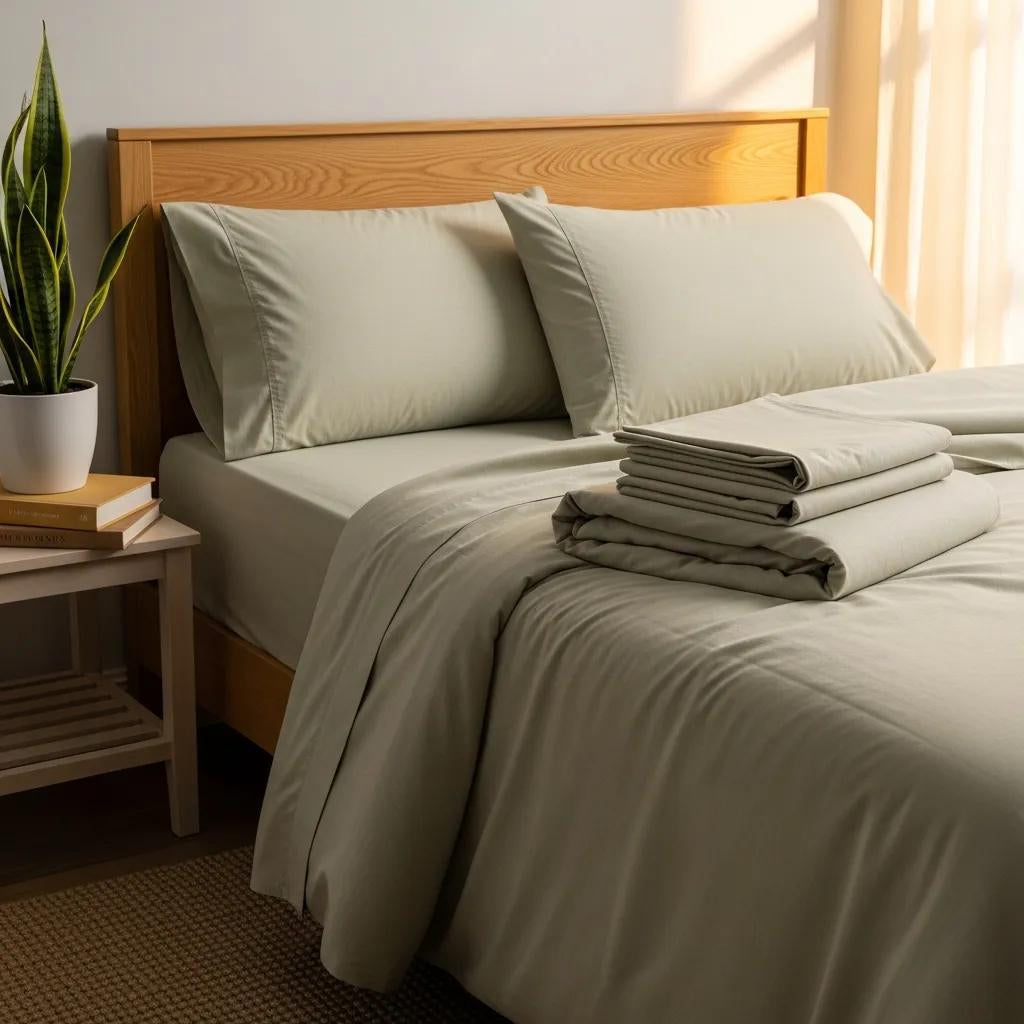
How to Store Bamboo Sheets: Keep Them Soft, Fresh and Free from Yellowing
Bamboo sheets are made from processed bamboo fibre that becomes a soft, breathable fabric — and with the right storage, they keep their strength, colour and silky feel. Store them poorly and trapped moisture, light or contact with acidic or plasticised materials can speed yellowing and weaken the weave. This guide walks you through preparing sheets for storage, the optimal temperature and humidity ranges, storage methods that protect fibres, routine upkeep while stored, common mistakes that cause yellowing, and practical placement ideas so your linens stay fresh and ready. You'll find clear checklists, easy dos and don’ts, and side-by-side comparisons that make trade-offs easy to understand — all focused on practical tips to prevent yellowing and preserve your bamboo bedding.
How Should You Prepare Bamboo Sheets for Storage?
Start by making sure sheets are clean and fully dry — leftover oils, sweat and moisture are the main culprits behind yellowing and mildew. Removing organic residue stops slow chemical reactions, and drying prevents trapped humidity that can warp the weave. Gentle folding, protective layers and breathable covers reduce abrasion and let any remaining vapours escape. Below is a short prep checklist and step-by-step guidance to make storing your bamboo sheets predictable and low-risk.
Bamboo sheet storage preparation checklist:
- Wash sheets and remove any stains before storing.
- Dry completely — shade air-dry or a low-heat tumble if needed.
- Fold loosely; avoid tight compression. For very long storage, add acid-free interleaving.
- Store in breathable cotton or linen sacks rather than sealed plastic.
- Keep sheets in a cool, dark, low-humidity spot to minimise yellowing.
Cleaning and thorough drying are the foundation — they stop residue-driven discolouration and reduce mildew risk. The next section explains the washing choices that protect the fibres while removing oils and stains.
What Cleaning Steps Ensure Bamboo Bedding Is Ready for Storage?
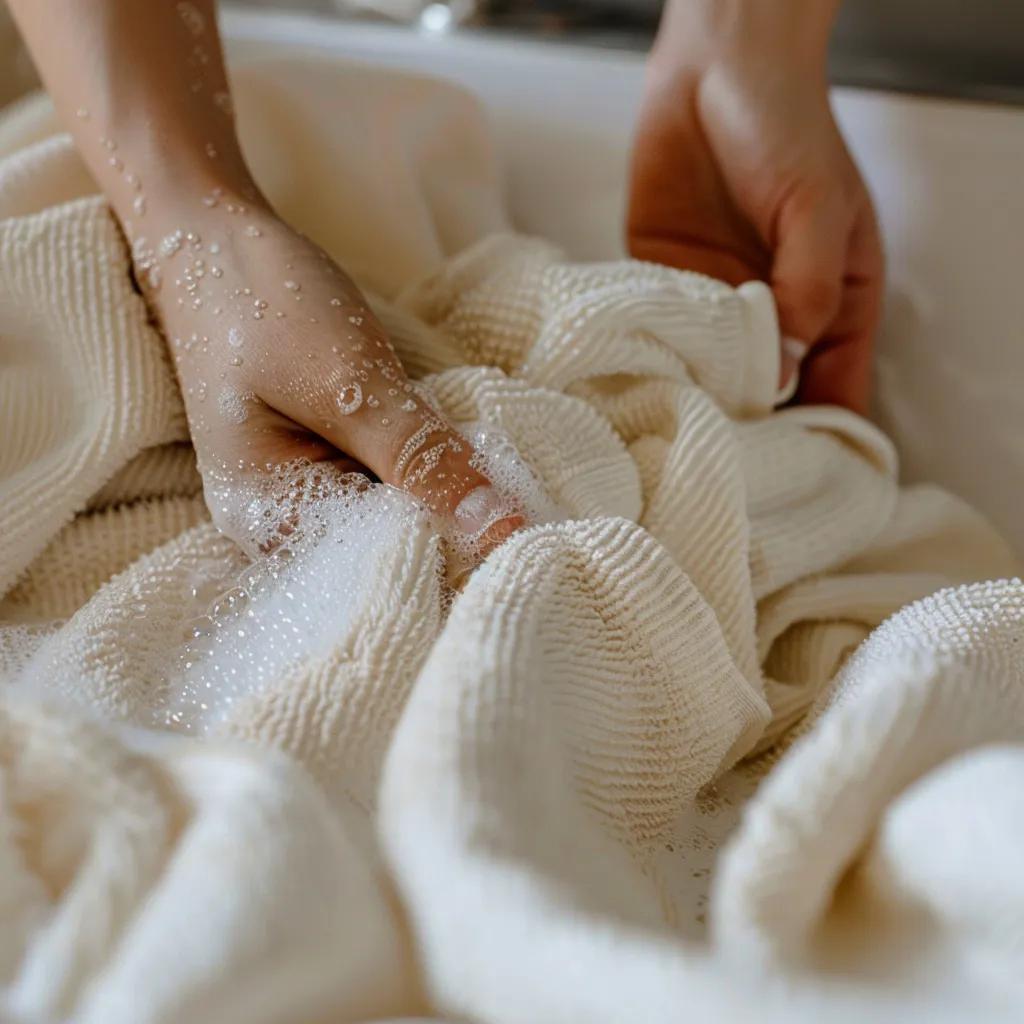
To prepare bamboo bedding, remove body oils, lotions and sweat with gentle methods that protect the fabric's weave. Use a mild, eco-friendly detergent and a delicate cycle with cool-to-warm water to avoid shrinkage or fibre stress. Avoid harsh bleaches and strong detergents — they can weaken fibres and increase the risk of discolouration down the line. Treat spots quickly with a mild enzyme-free solution and blot rather than rub to protect the weave. Rinse thoroughly — in hard-water areas, a second rinse helps remove any residual detergent that could oxidise during storage. Proper cleaning reduces the chemical residues that contribute to yellowing and gives your sheets the best start for long-term storage.
How to Dry Bamboo Linen Properly Before Storing?
Drying correctly prevents trapped moisture (the main driver of mildew and yellowing) and preserves the soft drape of bamboo linens. Aim to air-dry in the shade on a flat surface or draped to avoid sharp creases; if you use a dryer, choose a low-heat, gentle setting and take sheets out while slightly damp to finish by air. Keep sheets out of direct sunlight, which can photobleach pigments and encourage yellowing. Be sure seams and fitted corners are completely dry before folding — check inner layers and feel folds for any coolness or moisture. Fully dry, carefully handled sheets are far less likely to develop mildew or structural issues in storage.
Once sheets are cleaned and dry, consider breathable storage products that match bamboo’s natural airflow needs. Many sustainable home brands offer cotton or linen storage sacks that protect textiles while still allowing air exchange. Choosing reusable, acid-free interleaving and natural storage bags reduces exposure to plastic off-gassing and supports long-term fabric health — small product choices that keep your linens fresh without trapping humidity or volatile compounds.
What Are the Ideal Conditions for Term Bamboo Sheet Storage?
The best long-term conditions combine cool temperatures, steady low-to-moderate humidity and limited light exposure. Those factors slow chemical reactions, block mould growth and reduce photochemical yellowing. Controlling the microclimate where linens live protects colour and fibre strength; a simple hygrometer and occasional checks are all it takes to spot problems early. The table below sums recommended ranges and why each control matters, so you can quickly judge if a closet, drawer or box is suitable for long-term storage.
| Environmental Factor | Ideal Range / Action | Rationale |
|---|---|---|
| Temperature | 10–20°C; avoid extremes | Cooler temperatures slow oxidation and chemical yellowing reactions |
| Relative Humidity (RH) | 40–60% RH; use desiccant in humid climates | Low-to-moderate RH prevents mould, mildew and hydrolytic fibre damage |
| Light Exposure | Dark or opaque storage; avoid sunlight | Light, especially UV, accelerates photochemical yellowing and fading |
| Airflow | Gentle airflow; breathable packaging | Air exchange prevents trapped VOCs and condensation that lead to stains |
| Pollutants | Avoid storage near chemicals | Acids, solvents and off-gassing plastics can discolour fibres over time |
Keeping a cool, moderately dry and dark spot is the simplest and most effective protection against yellowing and fibre breakdown. A basic hygrometer and quick periodic checks help you intervene before small issues become permanent.
Which Storage Environments Prevent Yellowing of Bamboo Sheets?
Pick storage spots that stay cool, dark and stable — those conditions greatly reduce yellowing because heat and light speed oxidation and photochemical reactions. Good options are interior closets away from exterior walls, under-bed spaces that are raised off the floor and dry, and cabinet drawers that aren’t in basements or hot attics. Avoid garages, attics or sunlit rooms where temperature swings and UV exposure accelerate yellowing and stress the fibres. Preparing the space with breathable covers and stabilising humidity helps maintain a consistent microclimate that protects fabric, hand and colour.
How Does Breathable Storage Benefit Bamboo Bedding Longevity?
Breathable storage lets moisture and volatile compounds escape instead of trapping them against the fabric, which prevents condensation, mildew and yellowing. Natural materials like cotton and linen used for storage sacks provide dust protection while allowing a slow exchange of air that keeps humidity balanced. They also reduce the chance of chemical off-gassing contact and are machine-washable and reusable, aligning with eco-friendly care. Choosing breathable storage supports longevity by reducing both humidity-related and chemical-related risks to bamboo fibre.
Which Storage Methods Best Protect Bamboo Sheets from Damage?

Different methods balance space, protection and fabric health. Vacuum bags save space but compress fibres and can trap moisture — making them better for short-term use. Breathable cotton or linen bags give the best balance for long-term preservation. Wooden chests (like cedar) can help with pests but must be dry and have a non-staining interior; sealed plastic boxes block pests and dust, but risk trapping humidity and off-gassing chemicals. The table below outlines common options and when each makes sense, so you can choose based on your priorities.
| Storage Method | Key Attribute | Best Use Case |
|---|---|---|
| Vacuum storage bags for bedding | Space-saving, high compression | Short-term storage when space is limited, and sheets are fully dried |
| Cotton storage bags | Breathable, natural fibre | Long-term storage prioritising moisture regulation and sustainability |
| Linen storage sacks | Durable, breathable, lightweight | Seasonal rotation and frequent access with minimal condensation risk |
| Sealed plastic boxes | Dust- and pest-resistant | Short-term, low-humidity environments with frequent inspection |
| Cedar chests (natural) | Natural moth resistance | Long-term storage in a chest with an interior that is dry and unvarnished to avoid stains |
Overall, breathable cotton or linen sacks usually offer the best protection for long-term storage. If space is tight and you must use vacuum options, limit their use to a few months and ensure sheets are 100% dry with frequent inspections.
Are Vacuum-Sealed Bags Suitable for Bamboo Bedding Storage?
Vacuum-sealed bags work for short-term compression and protection from dust, but they have downsides for long-term care. Extended compression can flatten the weave, reduce loft and affect elasticity, and any trapped moisture inside a sealed bag can encourage mould and yellowing. If you use vacuum bags, make sure sheets are completely dry, consider layering a breathable fabric inside, and limit vacuum storage to brief periods such as moves or seasonal changes. For anything beyond a few months, transfer linens into breathable storage to protect the fibre structure and colour.
What Are the Advantages of Using Cotton or Linen Storage Bags?
Cotton and linen sacks match bamboo’s breathable nature: they prevent condensation while shielding sheets from dust and light. These natural-fibre bags allow slow air exchange that keeps humidity balanced, and they're washable, reusable and better for the planet than single-use plastic. Using natural storage reduces off-gassing risks and chemical-induced yellowing; periodic airing of the sacks keeps them smelling fresh. Choosing natural materials helps extend the life and look of your bamboo sheets while supporting sustainable home care.
How Can You Maintain Bamboo Sheets During Storage Periods?
Maintenance while stored means regular checks, gentle airing and subtle freshness measures to keep yellowing and fabric fatigue at bay. A simple routine of inspecting, rotating and refreshing with natural sachets lets you catch moisture, pests or stains early. Avoid chemical mothballs and plastic wraps; instead, re-fold periodically to prevent permanent creases and compression. The checklist below gives a practical rhythm you can follow to keep stored sheets in top condition.
Maintenance schedule and actions for stored bamboo sheets:
- Every 1–3 months: Air stored sheets for a few hours in a shaded, ventilated spot and check for dampness or unusual odours.
- Every 3–6 months: Rotate and re-fold stacks to avoid permanent compression and inspect seams and corners for wear or pests.
- Annually: Fully launder and replace acid-free interleaving for long-stored linens; check storage sacks for cleanliness.
- As needed: Use natural scented sachets (like dried lavender) in breathable sacks; avoid chemical mothballs or plastic sachets.
Keeping a simple maintenance routine cuts the key risks that lead to yellowing — for example, oxidising oils in warm conditions or hidden humidity that leads to mildew. The next section lists hands-on steps you can take right away to minimise yellowing in storage.
What Are the Best Practices to Prevent Yellowing While Stored?
Prevent yellowing by removing the main risk factors: oils and sweat, high humidity, light and contact with acidic or plasticised materials. Always launder sheets to remove body oils before storing, and consider acid-free interleaving for very long-term storage to prevent surface contact stains. Use breathable sacks and natural sachets, keep linens in cool, dark spots with stable humidity, and inspect regularly so small spots or odours are dealt with quickly. Together, these steps greatly reduce the chance of yellowing and help keep sheets looking fresh.
How Often Should Bamboo Sheets Be Aired Out or Refreshed?
Frequency depends on your climate, but aim for a practical schedule that balances care with convenience. In moderate climates, airing stored sheets every 3–6 months and a full check annually is usually enough. In humid areas, monthly inspections and more frequent airing help prevent mildew. When you air sheets, choose a shaded, well-ventilated place for several hours rather than direct sun, check folded layers for any coolness or dampness, and refold using different crease patterns to avoid permanent lines. Only rewash if you find residues or lasting odours — otherwise, gentle airing and rotation protect the fabric while limiting wear from repeated laundering.
Consider complementing your routine with breathable storage accessories and gentle care products from sustainable home brands. Well-made cotton or linen sacks and acid-free interleaving from eco-conscious suppliers keep the breathable environment bamboo needs and support longer product lifecycles. These are useful additions to good laundering and airing habits, not replacements for them.
What Are Common Mistakes to Avoid When Storing Bamboo Bedding?
A few common mistakes cause the most harm: storing damp or dirty sheets, keeping linens in plastic or chemical-packed containers, exposing them to heat and light, and leaving them compressed for long periods. Unwashed or damp sheets develop mildew and yellowing; sealed plastics can trap humidity and off-gas; and attics or garages expose linens to extreme temperature swings and pests. The table below links common errors to their impacts and offers clear steps to prevent damage.
| Mistake | Impact on Bamboo Sheets | Preventative Step |
|---|---|---|
| Storing damp or unwashed sheets | Mould, mildew, yellowing | Launder and ensure complete dryness before storage |
| Using sealed plastic containers | Trapped moisture, off-gassing | Use breathable cotton/linen sacks or ventilated boxes |
| Exposure to sunlight | Photochemical yellowing and fading | Store in dark, opaque locations away from windows |
| Contact with acidic or chemical sachets | Chemical discoloration | Use acid-free tissue and natural sachets only |
| Long-term compression (vacuum) | Flattened weave, loss of loft | Avoid prolonged vacuum storage; re-fluff and rotate |
Why Should You Avoid Plastic Containers for Bamboo Sheet Storage?
Plastic containers can look convenient, but they often trap moisture and may emit volatile compounds that discolour natural fibres over time. In a sealed box, even small amounts of residual humidity can concentrate and promote mildew, and some plastics off-gas chemicals that react with dyes and fibres. If you do use rigid boxes, keep them in a low-humidity area, open them periodically to air the contents, or place sheets inside cotton sacks within the box to create a breathable buffer. Natural alternatives and breathable covers protect linens without the moisture and chemical risks of many plastics.
How Can Improper Storage Affect Bamboo Linen Quality?
Poor storage shortens the life of bamboo linen by weakening fibres, causing permanent creases, changing colour and inviting pests or mould — all of which reduce comfort and usefulness. Long-term compression reduces loft and elasticity, making fitted corners less effective and the fabric feel less luxurious. Chemical exposure and sunlight cause irreversible yellowing and fading, while pest or mildew damage can mean costly restoration or disposal. Proper cleaning, drying, storage material choice and environmental monitoring preserve both the fit and the premium look and feel of bamboo sheets.
Where Should You Store Bamboo Sheets for Easy Access and Preservation?
Choose a spot that balances convenience with preservation: steady temperature and humidity, minimal light and decent airflow. Interior closets away from exterior walls and heat sources are often ideal, while deep drawers protect from light but benefit from occasional airing. Under-bed storage can work if items are raised off the floor, in breathable sacks and checked for pests or moisture. Avoid attics, garages, basements or sun-exposed cupboards where conditions swing widely. Prepare the space with breathable coverings, small desiccant packs in humid climates, and regular checks for the best mix of accessibility and preservation.
Is Closet Storage or Drawer Storage Better for Bamboo Bedding?
Closets usually allow better airflow and are often preferable when not overfilled: hanging or shelving sheets in breathable sacks reduces compression and helps ventilation. Drawers block light and dust, but can trap humidity — so use cotton storage bags and check humidity from time to time. For both options, don’t overstuff the space, use natural sachets to deter pests, and rotate or re-fold linens regularly to prevent permanent creases. The best choice depends on your home's microclimate and how often you need access, with breathable materials and periodic checks as the common denominator.
How Does Temperature and Humidity Control Impact Storage Location?
Temperature and humidity drive chemical reaction rates and microbial growth that lead to yellowing and fabric damage, so stabilising these variables is essential. High heat speeds oxidative yellowing and weakens dyes, while high humidity encourages mould and mildew that stain and break down fibres; keeping to roughly 10–20°C and 40–60% RH limits these risks. Simple fixes include silica or desiccant packs in breathable sachets, small closet dehumidifiers, and keeping linens away from heat sources. Monitor conditions seasonally and adjust storage — for example, move linens away from radiators in winter — to maintain the environment, bamboo sheets need to stay at their best.
- Regular checks: Inspect stored linens for dampness, odour or spots every 3–6 months.
- Humidity control: Use passive desiccants and improve airflow if RH consistently exceeds recommended ranges.
- Rotate and re-fold: Change fold patterns to avoid permanent creases and redistribute compression points.
These simple steps keep most home storage conditions healthy and help your bamboo sheets stay fresh and colour-stable.
Frequently Asked Questions
What is the best way to clean bamboo sheets before storage?
Wash bamboo sheets with a mild, eco-friendly detergent on a gentle cycle using cool-to-warm water. This removes body oils, sweat and stains while protecting fibre integrity. Skip harsh chemicals and bleach, which can weaken fabric and cause discolouration. Rinse thoroughly to remove any detergent residue that might oxidise during storage and encourage yellowing.
How can I tell if my bamboo sheets are still in good condition while stored?
Check stored sheets every 1–3 months for signs of dampness, musty odours or visible stains. If you feel coolness or moisture in folds, air them in a shaded, ventilated area for a few hours. Also,o look for pest activity and inspect seams and corners. Gentle airing and timely action help keep sheets in good condition and prevent yellowing.
Can I use scented sachets in the storage of bamboo sheets?
Yes — natural sachets like dried lavender or cedar chips are fine and add a gentle scent while deterring pests. Avoid chemical mothballs and strong synthetic fragrances that can off-gas and risk discolouration. Place sachets in breathable storage bags so the scent is subtle, and the fabric remains protected.
What should I do if my bamboo sheets develop a musty smell while stored?
If sheets smell musty, remove them from storage and air them in a shaded, well-ventilated space for several hours. If the odour persists, wash with a mild detergent and make sure they are completely dry before returning to storage. Check the storage area for high humidity and improve airflow to prevent recurrence.
How can I prevent pests from damaging my stored bamboo sheets?
Store sheets in a clean, dry location away from likely pest entry points. Use breathable cotton or linen bags and consider natural deterrents like cedar blocks or lavender sachets. Regularly inspect both the storage area and the linens for early signs of pest activity so you can address problems quickly.
Is it safe to store bamboo sheets in a vacuum-sealed bag for long periods?
Vacuum-sealed bags are okay for short-term use, but not ideal long-term. Compression can flatten the weave and reduce loft and elasticity, and any trapped moisture can promote mould and yellowing. If you use vacuum bags, ensure sheets are bone-dry and move them to breathable storage after a few months to protect their quality.
