





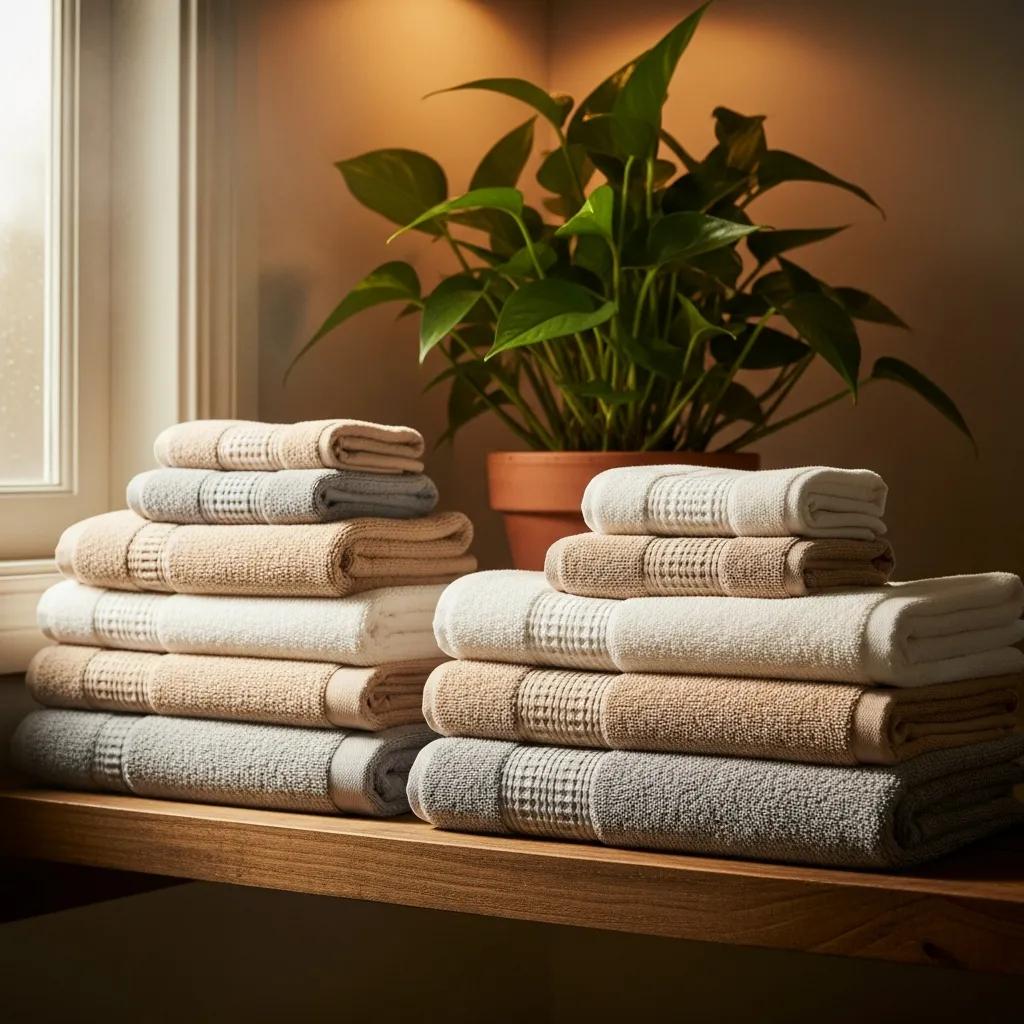
Benefits of Organic Cotton Towels and Sustainable Bathroom Textiles: Comprehensive Guide to Eco Friendly Bath Linens

Organic cotton towels and sustainable bathroom textiles are becoming increasingly popular as consumers seek eco-friendly alternatives to traditional products. These textiles not only provide comfort and luxury but also contribute positively to the environment. In this comprehensive guide, we will explore the numerous benefits of organic cotton towels and sustainable bathroom textiles, including their environmental advantages, health benefits, and overall impact on sustainability. Many individuals are unaware of the harmful effects of conventional textiles, which often involve toxic chemicals and unsustainable practices. By choosing organic options, consumers can make a significant difference in their ecological footprint. This article will cover various aspects, including how organic cotton towels enhance bathroom sustainability, their durability and comfort, and the best practices for caring for these eco-friendly products.
Environmental Advantages

Organic cotton towels and sustainable bathroom textiles offer significant environmental benefits compared to their conventional counterparts. These products are cultivated without harmful pesticides and synthetic fertilizers, which helps to preserve soil health and biodiversity. Additionally, organic cotton farming typically uses less water, reducing the strain on local water resources. The lower carbon footprint associated with organic cotton production further contributes to a more sustainable future. By choosing organic options, consumers can support farming practices that prioritize environmental health and sustainability.
Research further supports that organic farming practices are fundamentally designed to protect the environment.
Eco-Friendly Organic Cotton: Banning Pesticides & Boosting Soil Health
Organic agriculture bans use of pesticides, hormones, and chemical fertilizers. Especially, organic agriculture gained a commercial dimension with the increasing of consumer demands in 1980s. In organic cotton agriculture, genetically modified cotton seeds are not used. The fundamental of organic cotton agriculture is that cotton seeds are not treated microwave energy and radiation. Organic cotton agriculture consists of all agriculture systems that encourage eco-friendly fiber production. Furthermore, it causes to remove use of chemical fertilizers, pesticides and pharmaceuticals. For this reason, organic agriculture causes to increase the fertility of soil.
Organic cotton and environmental impacts, S Eyupoglu, 2018
Studies consistently highlight how organic cotton production actively works to mitigate the severe environmental consequences associated with traditional cotton farming, particularly concerning water use.
Organic Cotton: Reducing Environmental Impact & Conserving Water
Conventional cotton production has been associated with the extensive use of agricultural chemicals, leading to environmental and health problems, decreased effectiveness of pesticides and higher costs of production. Organic bans the use of most pesticides while providing premiums for growers, and therefore may be a beneficial alternative for growers. We discuss the environmental impacts of organic management techniques and methods for conserving water and reducing dependence on irrigation.
Organic cotton production may alleviate the environmental impacts of intensive conventional cotton production, K Delate, 2021
Indeed, comprehensive analyses confirm the substantial positive environmental impact of choosing organic cotton over conventional alternatives.
Organic Cotton's Environmental Impact Reduction in Textiles
The current study thoroughly investigates the benefits of using organic cotton fiber instead of conventional cotton fiber. Because of the extensive use of natural resources in the production of cotton, the primary raw material for textiles, which accounts for the environmental effects of a pair of jeans, a life cycle assessment methodology was used to examine these effects in four different scenarios. The life cycle assessment results revealed that the lowest environmental impacts were obtained for scenario 4 with 100% organic cotton fiber with an improvement of 87% in terrestrial ecotoxicity potential and 59% in freshwater ecotoxicity potential. All of the selected environmental impacts of a pair of jeans are reduced in all scenarios when organic cotton is used.
The impact of organic cotton use and consumer habits in the sustainability of jean production using the LCA approach, F Şener Fidan, 2023
Health Benefits
Using organic cotton towels provides numerous health benefits, making them a superior choice for personal care. Organic cotton is naturally hypoallergenic, which means it is less likely to cause allergic reactions or skin irritations. Furthermore, these towels possess natural antimicrobial properties, helping to keep bacteria and fungi at bay. The breathability and softness of organic cotton also enhance comfort, making these towels a pleasure to use. By opting for organic cotton, consumers can enjoy a healthier bathing experience without the risk of exposure to harmful chemicals.
Overall Impact on Sustainability
The overall impact of choosing sustainable bathroom textiles extends beyond individual health benefits. By supporting ethical practices in the textile industry, consumers contribute to a more sustainable economy. Sustainable textiles are designed to last longer, reducing the frequency of replacements and minimizing waste. Additionally, increased consumer awareness about the importance of sustainability encourages manufacturers to adopt more eco-friendly practices. This shift in consumer behavior can lead to a significant reduction in the environmental impact of the textile industry as a whole.
How Do Organic Cotton Towels Enhance Bathroom Sustainability?
Organic cotton towels enhance bathroom sustainability through their eco-friendly production processes and materials. The cultivation of organic cotton requires fewer resources and generates less pollution compared to conventional cotton farming. Furthermore, these towels are biodegradable, meaning they will break down naturally at the end of their life cycle, reducing landfill waste. By choosing organic cotton towels, consumers can contribute to a more sustainable bathroom environment and promote responsible consumption.
What Makes Organic Cotton Towels Durable and Comfortable?
Organic cotton towels are known for their durability and comfort, making them an excellent investment for any bathroom. The natural fibers used in organic cotton are often considered stronger and more resilient than those found in conventional towels, resulting in products that can withstand frequent use and washing. Additionally, organic cotton towels are softer and more absorbent, providing a luxurious feel against the skin. This combination of durability and comfort ensures that consumers can enjoy their towels for years to come.
How Do Sustainable Bathroom Textiles Reduce Environmental Impact?
Sustainable bathroom textiles reduce environmental impact through responsible production practices and material sourcing. These textiles are often made from renewable resources and are produced using methods that minimize waste and pollution. For example, many sustainable textiles are dyed using natural, non-toxic dyes, which further reduces their environmental footprint. By choosing sustainable options, consumers can support a textile industry that prioritizes ecological health and social responsibility.
What Are the Key Benefits of Organic Cotton Towels?
Organic cotton towels offer several key benefits that make them a preferred choice for eco-conscious consumers:
- Environmental Impact: Organic cotton farming practices reduce pollution and conserve water, contributing to a healthier planet.
- Health Advantages: The hypoallergenic and antimicrobial properties of organic cotton promote better skin health and hygiene.
- Durability: Organic cotton towels are designed to last longer, reducing the need for frequent replacements and minimizing waste.
Adore Earth specializes in providing high-quality organic cotton towels that align with these benefits, ensuring that consumers can make sustainable choices without compromising on quality.
What Are the Differences Between Bamboo and Organic Cotton Towels?
When comparing bamboo and organic cotton towels, several key differences emerge. While both materials are considered sustainable, they have distinct characteristics:
- Environmental Impact: Bamboo grows rapidly and requires less water, but its processing can involve harsh chemicals. Organic cotton, on the other hand, is grown without synthetic pesticides and fertilizers, making it a more environmentally friendly option.
- Absorbency: Organic cotton towels tend to be more absorbent than bamboo towels, making them ideal for drying off after a bath or shower.
- Durability: Organic cotton towels are generally more durable than bamboo towels, which can wear out more quickly with frequent use.
Understanding these differences can help consumers make informed choices based on their specific needs and preferences.
How Should You Care for Eco Friendly Towels to Maximize Longevity?
To maximize the longevity of eco-friendly towels, proper care is essential. Here are some tips for maintaining organic cotton towels:
- Washing Instructions: Wash towels in cold water with a gentle detergent to preserve their fibers and colors.
- Drying Techniques: Air drying is preferable, but if using a dryer, opt for a low heat setting to prevent damage.
- Maintenance Tips: Avoid using fabric softeners, as they can coat the fibers and reduce absorbency.
By following these care instructions, consumers can ensure their organic cotton towels remain in excellent condition for years to come.
What Are Best Practices for Washing and Maintaining Organic Towels?
Maintaining organic towels involves several best practices to ensure their longevity and performance:
- Washing Techniques: Use a gentle cycle and cold water to prevent wear and tear on the fabric.
- Drying Practices: Tumble dry on low heat or line dry to avoid damaging the fibers.
- Frequency of Washing: Wash towels after every three to four uses to maintain hygiene without excessive washing.
Implementing these best practices will help keep organic towels fresh and functional.
How Does Proper Care Support Biodegradability and Durability?
Proper care of organic cotton towels directly supports their biodegradability and durability. By washing and drying them correctly, consumers can extend the life of their towels, reducing waste. Additionally, avoiding harsh chemicals and excessive washing helps maintain the integrity of the fibers, ensuring that the towels remain functional and comfortable for longer periods. This commitment to care not only benefits the consumer but also contributes to a more sustainable environment.
Why Choose Natural Fiber Bath Linens Over Synthetic Alternatives?

Choosing natural fiber bath linens, such as organic cotton, over synthetic alternatives offers several advantages:
- Health Benefits: Natural fibers are less likely to cause skin irritations and allergies compared to synthetic materials.
- Environmental Impact: Natural fibers are biodegradable and produced with fewer harmful chemicals, making them a more sustainable choice.
- Comfort and Breathability: Natural fibers provide better breathability and moisture-wicking properties, enhancing comfort during use.
These benefits highlight the importance of selecting natural fibers for a healthier and more sustainable bathroom experience.
What Health and Environmental Benefits Do Natural Fibers Offer?
Natural fibers, including organic cotton, provide numerous health and environmental benefits:
- Hypoallergenic Properties: Natural fibers are less likely to cause allergic reactions, making them suitable for sensitive skin.
- Lower Water Usage: The cultivation of natural fibers typically requires less water than synthetic alternatives, contributing to water conservation.
- Biodegradability: Natural fibers break down more easily in the environment, reducing landfill waste and pollution.
These advantages make natural fibers a compelling choice for consumers seeking eco-friendly options.
How Do Natural Bath Products Complement Sustainable Textiles?
Natural bath products work synergistically with sustainable textiles to enhance the overall eco-friendliness of bathroom routines. By using natural soaps and shampoos alongside organic cotton towels, consumers can minimize their exposure to harmful chemicals and support sustainable practices. This holistic approach to personal care not only benefits individual health but also promotes a healthier planet. Adore Earth offers a range of natural bath products designed to complement their sustainable textiles, ensuring a comprehensive eco-friendly experience.
| Product Type | Material | Environmental Impact |
|---|---|---|
| Organic Cotton Towels | Organic Cotton | Reduced pesticide use, biodegradable |
| Bamboo Towels | Bamboo | Fast-growing, but processing can involve chemicals |
| Natural Bath Products | Plant-based ingredients | Non-toxic, eco-friendly |
