




Bamboo vs Memory Foam Mattress Topper: Which Is Better for Australian Sleepers?
By Zac Adore, Adorearth
Choosing the right mattress topper is essential for improving sleep quality, particularly for Australian sleepers who contend with unique climate conditions. Among the popular options available, bamboo and "memory foam mattress toppers" stand out due to their distinctive properties. In this article, we will explore the key differences between bamboo and memory foam mattress toppers, their respective benefits, and how they cater to the needs of Australian consumers. Readers will gain insights into comfort, support, temperature regulation, durability, and price considerations, helping them to make an informed choice for a better night's sleep.
Comparison of Bamboo and Memory Foam Mattress Toppers for Australian Sleepers
When it comes to selecting the ideal mattress topper, understanding how bamboo and memory foam compare can guide Australian consumers in their decision-making. Each material exhibits unique features that affect the overall sleep experience.
Scientific research highlights how these materials interact with the body to influence sleep quality.
Bamboo-Infused Foam: Improving Comfort and Moisture-Wicking for Sleep powder as filler can improve the foam’s moisture-wicking properties in humid conditions and demonstrated the reasons for utilizing bamboo filler in the foam mattress industry to enhance comfort and hygiene. Enhancing wicking properties of flexible polyurethane foam with bamboo and gelatin fillers for improved comfort and hygiene, 2025
Comfort:
Bamboo mattress toppers provide a plush surface that conforms gently to the body, ensuring a comfortable sleep experience. This adaptability is particularly beneficial for sleepers who prefer a soft feel. In comparison, memory foam contours to the body's shape, relieving pressure points and enhancing comfort while maintaining spinal alignment. Both options cater to varying preferences for softness and support, making comfort a subjective choice.
Support:
Support is crucial for maintaining good sleep posture throughout the night. Bamboo mattress toppers often offer moderate support, suited for lighter individuals, while heavier individuals might find better support with memory foam, which excels in providing targeted pressure relief. The ability of memory foam to contour to the body aids in spinal alignment, making it a preferred option for those who suffer from back pain.
Understanding the underlying structural mechanics of memory foam helps explain why it provides such distinct support.
Understanding Memory Foam: Viscosity, Density, and Sleep Comfort foam — also called slow foam or memory foam — is made from PU with additional chemicals that increase the foam’s viscosity and density to match the body temperature. Ergonomic Analysis of Integrated Bed Measurements: Towards Smart Sleep Systems (Ergonomische analyse van geïntegreerde bedmetingen: op weg naar …, 2011
Temperature Regulation:
In Australia’s warm climate, temperature regulation becomes an essential factor. "Bamboo mattress toppers" excel in breathability, allowing air to circulate and preventing heat retention. They are often moisture-wicking as well, which helps keep the sleeper cool. In contrast, memory foam can retain heat due to its density, which may lead to an uncomfortable sleeping temperature for some individuals. Therefore, for hot sleepers, bamboo may be the better choice.
Durability:
The longevity of mattress toppers varies between materials. Bamboo toppers typically have a lifespan of 3-5 years depending on usage and care. They are resistant to mold and dust mites, which adds to their longevity. Memory foam toppers, on the other hand, may last longer, approximately 5-10 years, but they can become less supportive over time, particularly if subjected to significant wear and tear. Proper maintenance of both types can extend their usability.
Price:
Price significantly influences purchasing decisions. On average, bamboo mattress toppers range from $100 to $300, depending on their quality and thickness. Memory foam toppers generally cost between $150 and $500, with higher-density options commanding premium prices. Consumers may find bamboo toppers to be a more cost-effective solution while still delivering quality comfort.
What Are the Key Benefits of Bamboo Mattress Toppers?
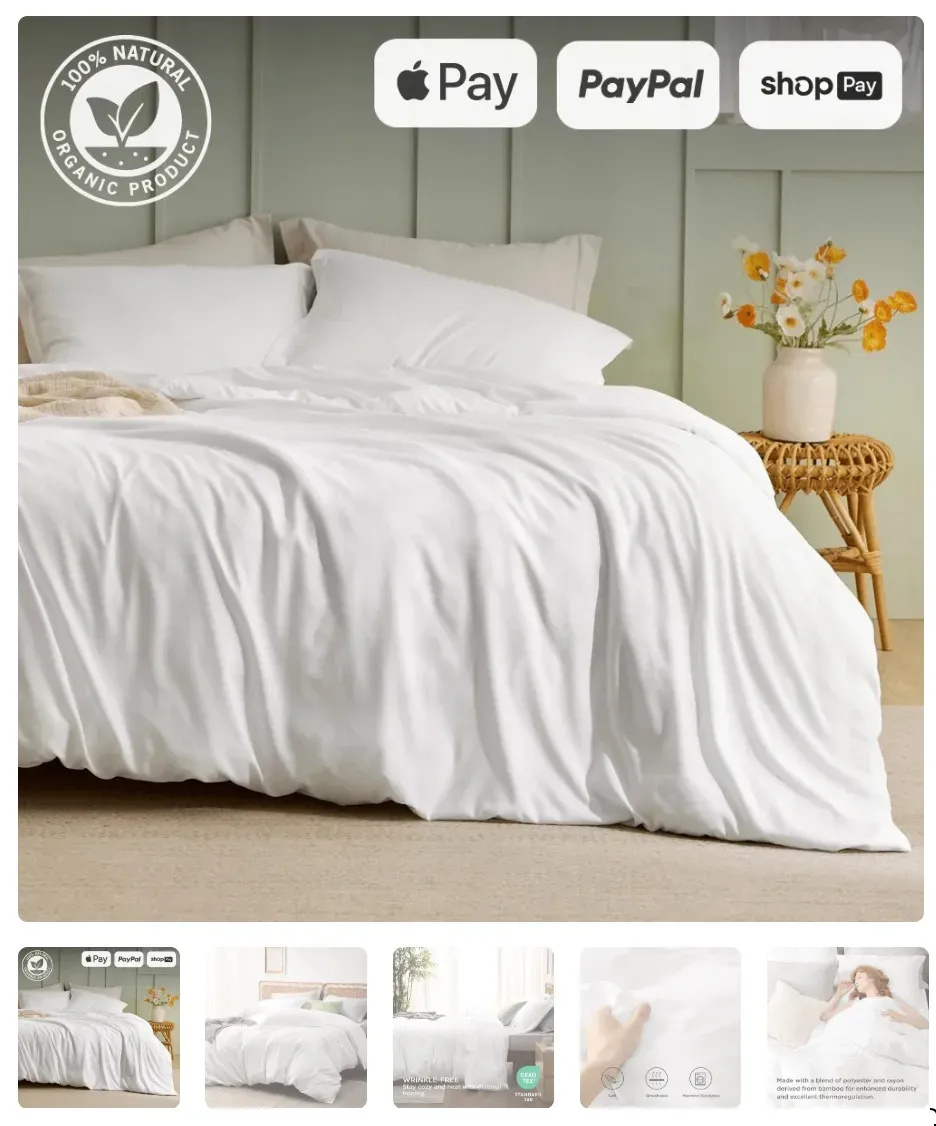
Bamboo mattress toppers are favoured for several reasons, especially among health-conscious consumers.
Hypoallergenic Properties: Bamboo is naturally resistant to allergens, making it an ideal choice for allergy sufferers.
Sustainability: Bamboo is an "eco-friendly material", as it grows rapidly and requires fewer resources than traditional materials.
Moisture Management: Bamboo excels in moisture-wicking, helping to keep the sleeper dry and comfortable throughout the night.
These benefits make bamboo mattress toppers a popular choice for those seeking an eco-friendly bedding solution in Australia.
How Does Bamboo Enhance Breathability and Comfort for Australian Sleepers?
Bamboo enhances breathability through its unique fibre structure, which promotes air circulation. The naturally occurring properties of bamboo make it moisture-wicking, allowing the topper to absorb sweat and humidity. This regulation of moisture leads to a dryer sleep environment, which is particularly beneficial in Australia's humid climates. The softness of bamboo fibres also contributes to an overall comfortable sleeping experience, providing a serene surface for rest.
Studies comparing various textiles confirm that bamboo's absorption capacity is particularly effective in warm, humid regions.
Bamboo Fibres in Tropical Climates: Moisture Management for Better Sleep After several weeks of acclimatization in a tropical climate, it can reach 3.5 percent regain, suggesting that bamboo fibre has better moisture absorption than cotton. Thermal Comforts Properties of Knitted Fabrics Produced from Bamboo Blended Yarns, 2020
Why Is Bamboo Mattress Toppers’ Sustainability Important for Eco Friendly Bedding Australia?
The growing awareness of environmental issues has heightened the demand for sustainable products. Bamboo mattress toppers represent an eco-friendly option due to their renewable sources and reduced environmental impact during production. By choosing bamboo bedding, consumers contribute to sustainable living practices. Additionally, bamboo can be produced without harmful pesticides, highlighting its natural origin and positive influence on the environment.
What Are the Pros and Cons of Memory Foam Mattress Toppers?
Memory foam mattress toppers come with their own set of advantages and disadvantages:
Material |
Benefit |
Drawback |
|---|---|---|
Memory Foam |
Excellent support and pressure relief |
Can retain heat and feel warm |
High Density Foam |
Long-lasting durability |
Heavier and can be difficult to move |
Gel-Infused Memory Foam |
Enhanced temperature regulation |
Often more expensive than standard foam |
Understanding these pros and cons helps sleepers assess which option aligns best with their individual needs.
How Should Australian Sleepers Choose the Best Mattress Topper Material?
Selecting the best mattress topper involves several factors. Australian sleepers should consider their individual needs, including comfort preferences, sleeping position, and any specific health concerns such as allergies or back pain. Additionally, one’s sensitivity to temperature is crucial in deciding between bamboo and memory foam. Testing different materials in-store, if possible, can significantly influence the final decision.
Which Mattress Topper Material Best Handles Australia’s Climate?
Given Australia’s hot climate, bamboo mattress toppers often come out on top due to their breathability and cooling properties. The ability to wick moisture away ensures that the sleeper remains comfortable throughout the night, even in humid conditions. Memory foam, while known for its comfort, may lead to overheating and discomfort for some sleepers. Thus, for warmer climates, bamboo mattress toppers clearly provide a better sleeping experience.
What Thickness and Features Are Ideal in Mattress Toppers for Australian Conditions?
The ideal thickness for mattress toppers typically ranges from 2 to 4 inches, depending on individual preferences and mattress support. Thicker toppers provide more cushioning, which can be beneficial for side sleepers. Features to look for include hypoallergenic materials, moisture-wicking capabilities, and cooling technologies, particularly for those living in warmer regions. Ensuring the topper is compatible with the current mattress type also maximises comfort.
What Maintenance Tips Extend the Life of Bamboo and Memory Foam Mattress Toppers?
Maintaining a clean and well-cared-for mattress topper is essential for longevity. Here are some tips:
Regular Cleaning: Follow manufacturer's instructions, typically involving spot cleaning and using a mattress protector to guard against spills and stains.
Air Out: Regularly air out your topper to prevent moisture buildup and maintain freshness.
Flip Periodically: If possible, flip or rotate the topper to ensure even wear and promote its lifespan.
These maintenance practices can help extend the life of both bamboo and memory foam mattress toppers while keeping them hygienic.
How to Clean and Maintain Bamboo Mattress Toppers for Longevity?
Bamboo mattress toppers should be cared for gently to maintain their integrity. Most can be spot-cleaned with mild detergents and warm water. It's important to avoid harsh chemicals that can damage the fibres. Additionally, placing the topper in a well-ventilated area to dry can help prevent mold growth while preserving its quality and comfort.
What Are Best Practices for Memory Foam Mattress Topper Care?
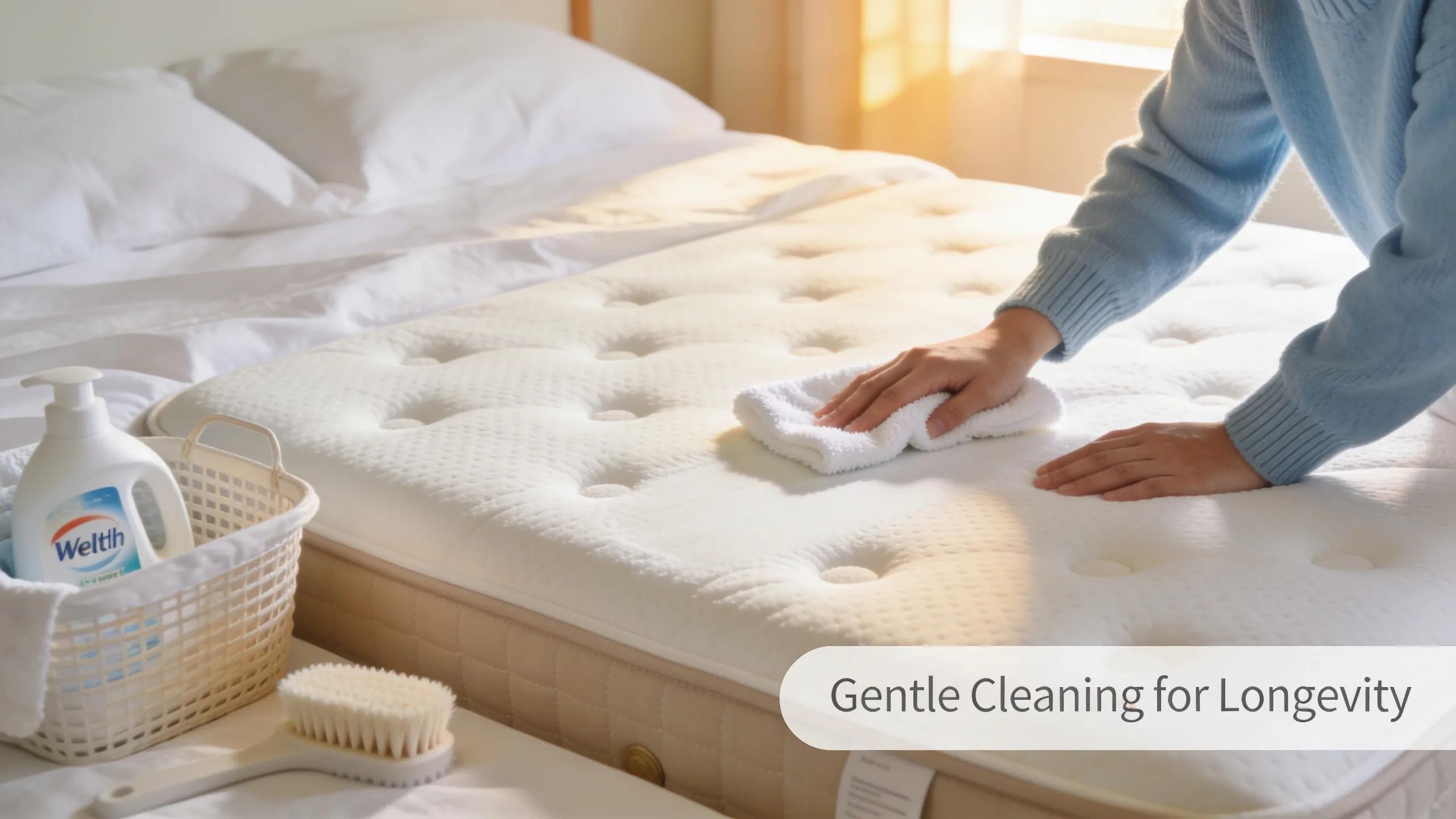
To extend the life of memory foam toppers, it's essential to avoid soaking them during cleaning, as excessive moisture can lead to mildew issues. Use a vacuum cleaner with an upholstery attachment to remove dust and allergens. Incorporate a mattress cover to protect against spills and stains, enabling easier maintenance and longevity.
