






Bamboo Vs Cotton Bedding: Sustainable Choices for Australian Homes
By Zac Adore, Adorearth
In recent years, the importance of sustainability in home textiles has surged, highlighting the impact of our choices on the environment. This guide examines bamboo and cotton as bedding materials, focusing on their environmental footprints, production processes, and the benefits they offer to Australian households. Many consumers are now looking for sustainable bedding options that align with their values, particularly in regions like Australia where ecological stewardship is vital. By analysing both materials, we aim to provide insights into how these choices affect not just comfort and style, but also the planet. This article explores the environmental impacts, production processes, and household benefits of bamboo and cotton bedding, while also discussing important purchasing factors for eco-conscious consumers in Australia.
Environmental Impact
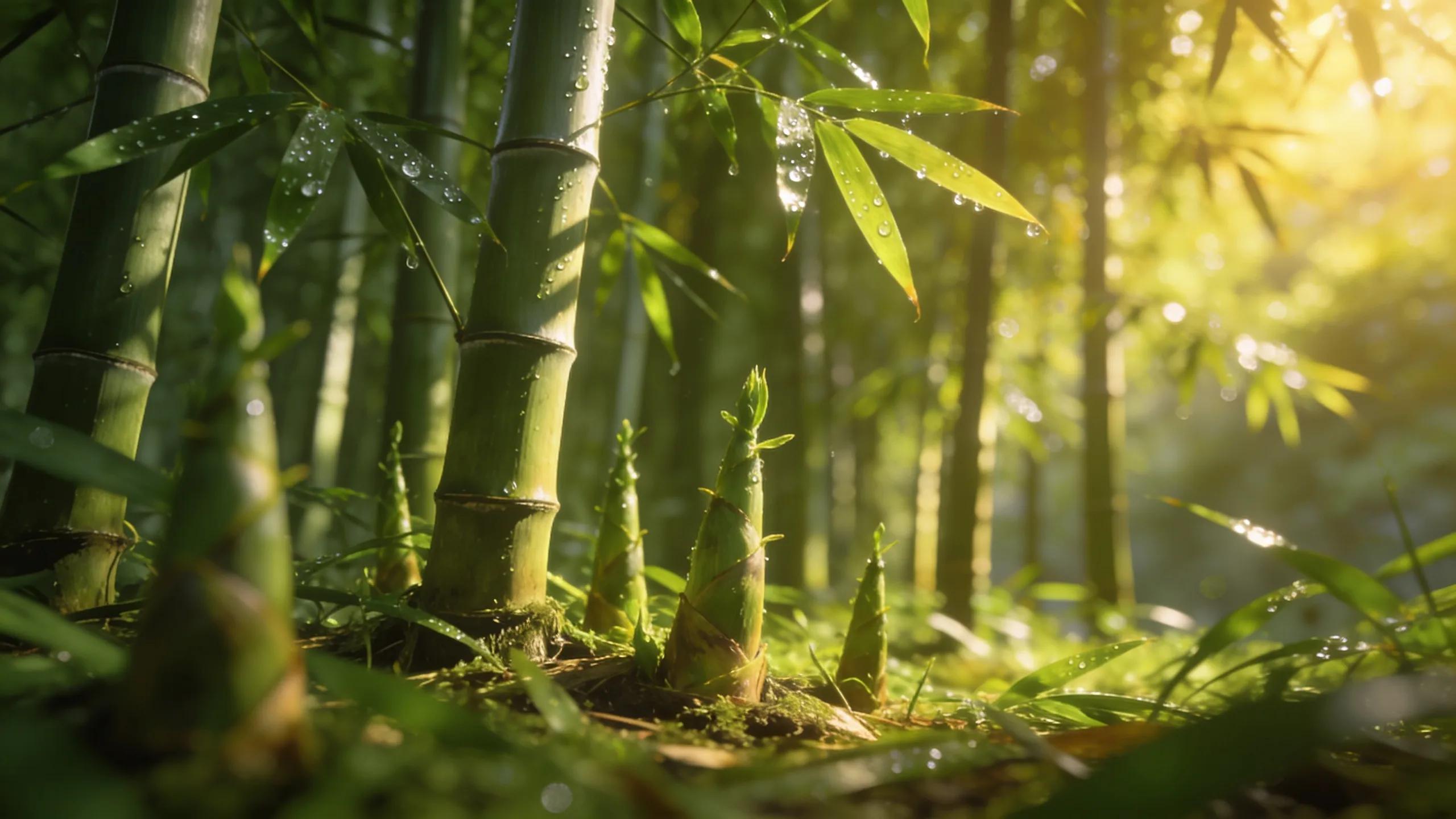
The environmental impact of choosing bedding materials is a crucial consideration for anyone concerned with sustainability. Bamboo and cotton have different implications on water usage, pesticide application, and overall ecological footprints.
Bamboo:
Bamboo is one of the most sustainable bedding options available. It is a rapidly renewable resource that can grow to maturity in just a few months, which greatly reduces the need for long-term agricultural practices that harm the environment. The cultivation of bamboo typically requires significantly less water than conventional crops and is naturally resistant to pests, resulting in minimal pesticide use. Additionally, bamboo bedding is biodegradable, ensuring that it leaves a smaller environmental footprint when discarded.
Recent academic research provides a deeper look into the lifecycle considerations involved in processing these renewable materials.
Bamboo vs Cotton: Comparing Environmental Impacts of Viscose Fibres
the environmental impact of the viscose fibre production process. To achieve this, cotton, wood, and bamboo A comparative life cycle assessment of viscose fibres derived from cotton, wood, and bamboo pulp, R Li, 2025
Cotton:
Conversely, traditional cotton farming often involves substantial environmental challenges. It is known for having high water consumption, with extensive irrigation required in many regions. Cotton production also frequently relies on harmful pesticides and chemicals, which can lead to soil degradation and water contamination. While organic cotton options exist, they still cannot fully negate the environmental concerns tied to conventional cotton farming. Thus, when comparing the ecological impacts of bamboo and cotton, bamboo clearly presents a more sustainable choice.
Scientific reviews emphasise the significant global footprint associated with traditional cotton textile manufacturing.
Understanding the Environmental Footprint of Cotton Textiles
Cotton — supplying approximately a quarter of global textile fibres — has various environmental impacts, including water use, toxicity, eutrophication and greenhouse gas emissions. In this Review, we identify these impacts across multiple life cycle stages. Environmental impacts at the cultivation stage depend on levels of irrigation, pesticide and fertilizer applications.
Environmental impacts of cotton and opportunities for improvement, Z Zhang, 2023
Production Processes
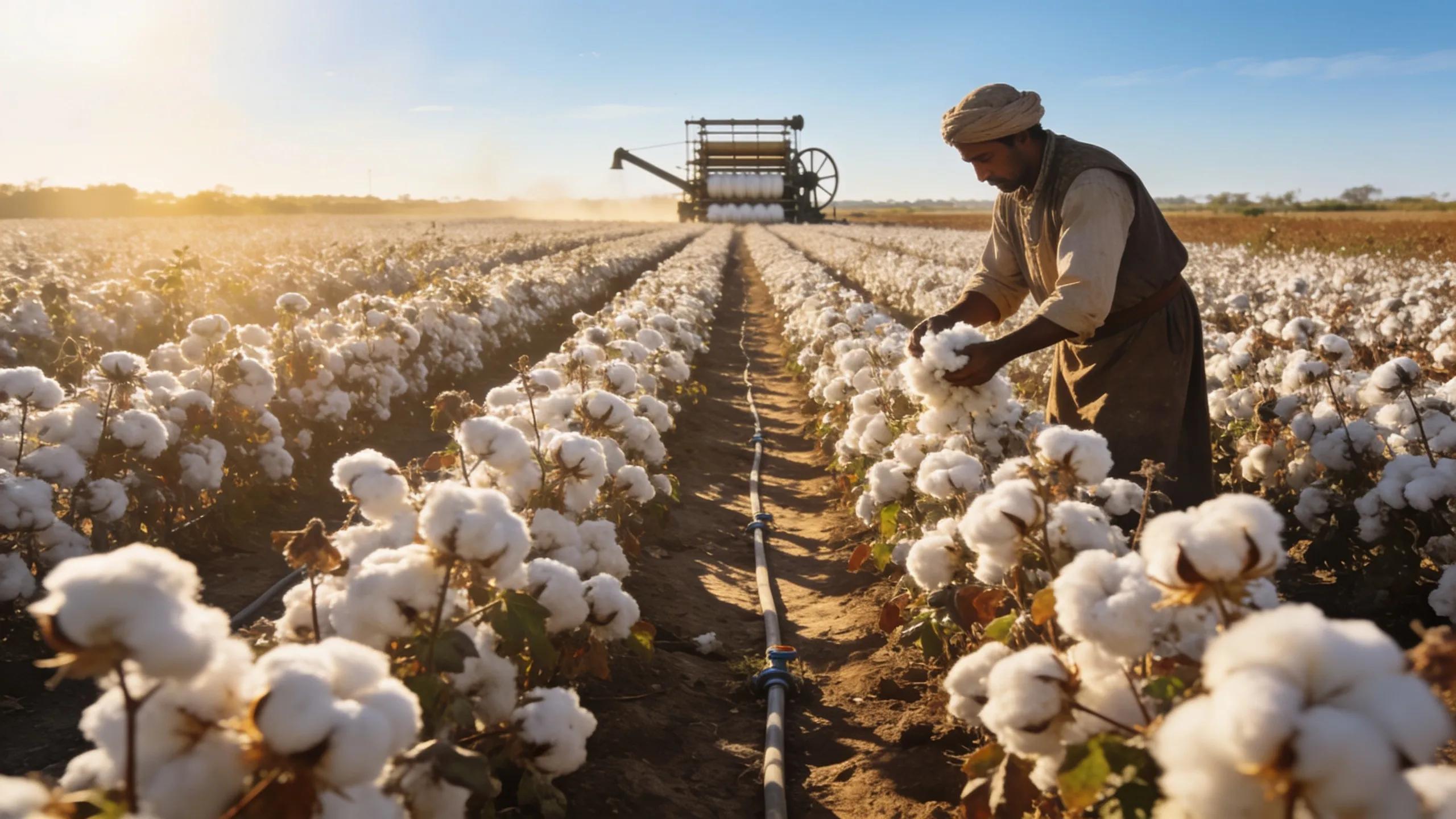
Understanding the production processes of both bamboo and cotton bedding can clarify the implications of their environmental footprints. Different processing methods contribute to their overall sustainability.
Bamboo:
The production of bamboo bedding is increasingly embracing eco-friendly practices. The harvesting of bamboo involves cutting the stalks while allowing the roots to remain intact, promoting regrowth. The processing techniques utilize fewer resources, often using mechanical processes rather than chemical treatments to transform bamboo into fabric. This sustainable approach, combined with bamboo's innate properties, positions it as a market leader in eco-conscious textiles.
Cotton:
In contrast, cotton production is often marked by intensive chemical processing. Conventional cotton typically undergoes treatments with various pesticides and fertilizers, leading to significant chemical runoff that can pollute waterways and disrupt local ecosystems. Moreover, the process of converting raw cotton into fabric is resource-intensive. Even organic cotton, while reduced in chemicals, must still contend with water usage and land development issues. Thus, consumers must consider these factors when evaluating their bedding choices.
Benefits for Households
When selecting bedding, comfort and health benefits are equally important as sustainability. Both bamboo and cotton offer unique advantages for Australian households.
Bamboo:
Bamboo bedding excels in comfort with its breathable and moisture-wicking properties, promoting a comfortable sleep experience. It is also hypoallergenic, making it an excellent choice for those with sensitive skin or allergies. The exceptional durability of bamboo fabrics ensures they withstand the test of time, providing long-term value to households.
Cotton:
On the other hand, cotton bedding is known for its luxurious feel, especially when high-thread-count options are chosen. Its natural fabric is soft and breathable, making it a popular choice for bedding across various climates. However, consumers must weigh this comfort against the environmental implications of cotton production, recognising that their comfort can come at a significant ecological cost.
How to Buy Eco Friendly Bed Linen for Australian Homes?
Navigating the market for eco-friendly bedding can be challenging, but understanding certifications and factors that influence durability and pricing can ease this process.
Which Certifications Ensure Sustainable Bedding Quality?
When purchasing bedding, look for certifications that guarantee eco-friendly practices. The Global Organic Textile Standard (GOTS) certifies that the fabric is made from organic fibres, ensuring no harmful chemicals are involved in the production process. Similarly, the OEKO-TEX certification assures customers that the bedding is free from harmful substances. These certifications provide a layer of reassurance for consumers committed to sustainability.
What Should Australian Buyers Consider Regarding Durability and Pricing?
Durability is a critical factor when selecting bedding materials. While bamboo bedding often provides superior resilience against wear and tear, it can be priced higher than conventional cotton options. However, the longevity of bamboo may justify the initial investment. Conversely, cotton sheets, particularly high-thread-count varieties, can be more affordable but may not last as long, especially if they undergo high levels of washing and wear. Thus, understanding where durability intersects with price is vital for making informed purchases that adhere to sustainable standards.
Material |
Environmental Impact |
Durability |
Price Range |
|---|---|---|---|
Bamboo |
Low water use, biodegradable |
Highly durable |
Moderate to High |
Cotton |
High water use, pesticide impact |
Variable based on quality |
Low to Moderate |
Understanding the differences between bamboo and cotton bedding materials allows consumers to make informed decisions that not only contribute to personal comfort but also positively impact the environment. The choice between bamboo and cotton hinges on the balance of sustainability, comfort, and overall value, with bamboo emerging as a notably eco-conscious alternative to its cotton counterpart.
