




Bamboo Sheets vs Cotton Sheets: What Australian Buyers Should Know About Benefits, Care, and Eco Friendly Bedding
By Zac Adore, Adorearth
As Australian consumers increasingly prioritise sustainability and comfort in their bedding choices, the debate between bamboo sheets and cotton sheets intensifies. This article dives deep into the characteristics, benefits, and care instructions for both material types to inform buyers about their options. Readers will learn about bamboo sheets' softness and hypoallergenic properties while comparing them to cotton sheets commonly found in Australian homes. This guide aims to resolve questions about which bedding choice aligns best with individual needs and the environment. We will explore material benefits, compare their environmental impacts, and provide essential care tips to enhance their longevity. Ultimately, this comprehensive overview will assist Australian buyers in making an informed decision that balances comfort, care, and eco-friendliness.
Benefits of Bamboo Sheets for Australian Buyers:
Bamboo sheets offer several advantages, particularly appealing to the environmentally conscious Australian consumer. First and foremost, they are known for remarkable softness and comfort due to bamboo's natural fibres. This softness provides an inviting sleeping experience that cotton sometimes struggles to match. Furthermore, bamboo sheets excel in temperature regulation, keeping users cooler in hot climates, a significant benefit in Australia’s warmer months. Additionally, bamboo has hypoallergenic properties, making it an excellent choice for individuals with allergies or sensitive skin.
Other notable benefits include enhanced durability over cotton, which tends to wear out faster under similar conditions. Bamboo fibres also have natural moisture-wicking abilities, ensuring a drier sleep environment. These qualities make bamboo sheets not only comfortable but also more resilient to wear and tear, thus offering a longer lifespan compared to traditional cotton sheets. The combination of comfort, durability, and hypoallergenic attributes positions bamboo sheets as a top contender for Australian buyers seeking quality bedding.
What Are the Key Benefits of Bamboo Sheets Compared to Cotton Sheets?
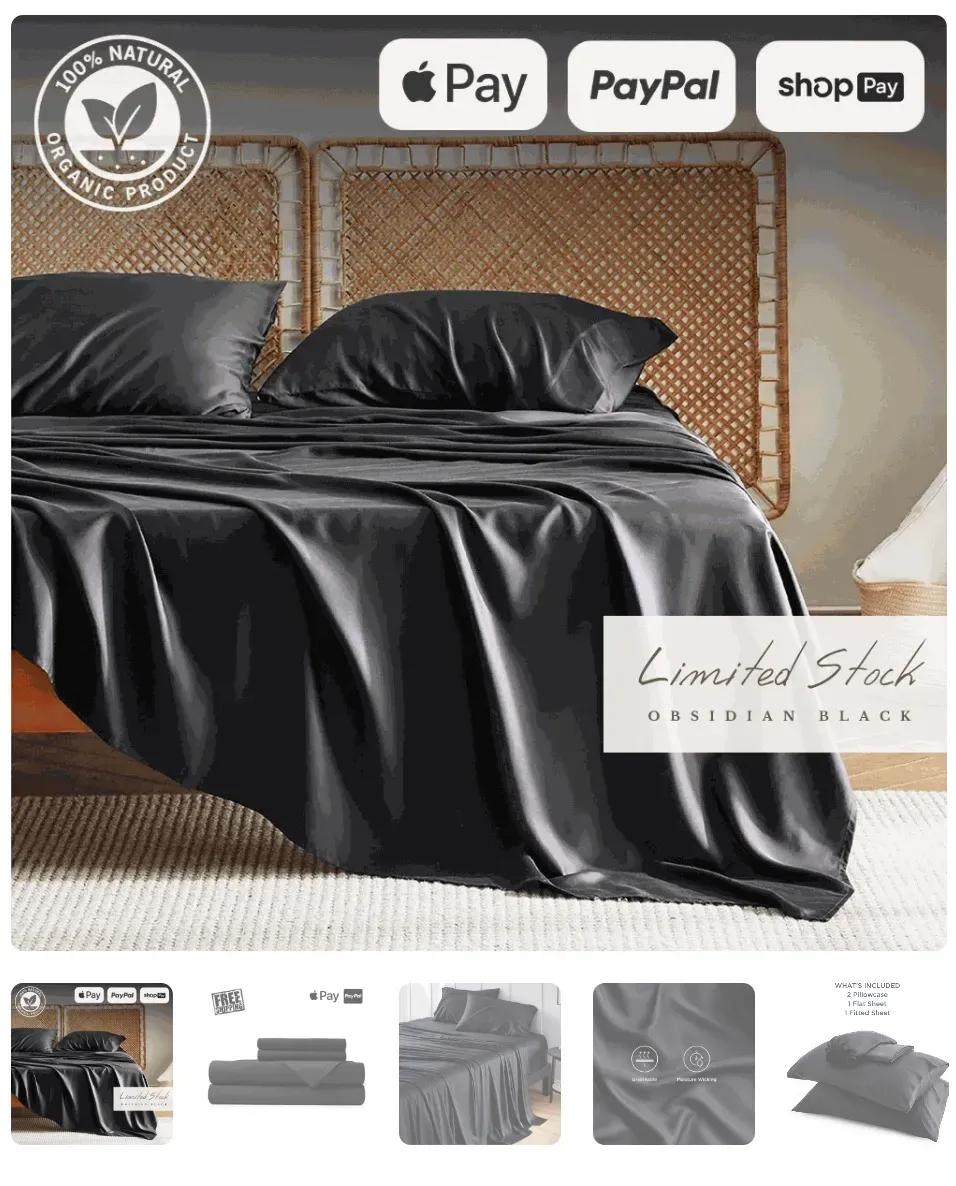
When comparing bamboo sheets to cotton sheets, several benefits are evident, particularly in comfort and environmental sustainability. Bamboo sheets are generally more breathable than cotton, allowing for better airflow, which helps regulate body temperature during the night. This feature is especially crucial for those living in hot climates like Australia, where temperature regulation can significantly affect sleep quality.
Moreover, bamboo fabric is known to retain less moisture, supporting a drier bed, which is vital for staying comfortable. From an ecological perspective, bamboo is a highly renewable resource that requires less water for cultivation compared to traditional cotton, which often involves extensive pesticide use. This comparative sustainability aspect makes bamboo a more attractive option for environmentally-conscious consumers. The focus on sustainable bedding options is growing.
In terms of lifespan, bamboo sheets tend to have a longer durability than cotton, thus providing better value over time. Overall, those looking for a breathable, sustainable, and durable bedding option may find bamboo sheets to be superior.
How Do Bamboo Sheets Provide Softness and Breathability?
Bamboo sheets achieve their unparalleled softness primarily due to the properties of bamboo fibres, which are longer, finer, and smoother compared to cotton. This unique structure results in a fabric that feels silky soft against the skin, enhanced by a natural sheen. The breathability of bamboo sheets stems from their fibre structure, allowing air to flow freely and moisture to dissipate, which contributes to a more comfortable sleep environment.
Additionally, the manufacturing process for bamboo sheets often involves less harsh chemical treatment than what is typically used for cotton. This results in a softer feel with fewer irritants, making bamboo sheets a preferred choice for those with sensitive skin. The natural breathability of bamboo fibres helps in regulating body temperature, ensuring a comfortable night's sleep regardless of the season.
What Are the Pros and Cons of Cotton Sheets in Australian Climates?
Cotton sheets have been a staple in many Australian households due to their familiarity and general accessibility, but they come with both advantages and disadvantages. One of the primary pros of cotton is its high breathability, which allows for good air circulation, making it suitable for warmer weather. Cotton also tends to absorb moisture, which can be helpful for absorbing perspiration during the night.
However, there are also significant cons to consider. Cotton's durability is generally lower than that of bamboo, often leading to quicker wear and tear over time. Additionally, cotton requires substantial water and agricultural chemicals for cultivation, raising concerns about its environmental impact.
Moreover, cotton sheets can retain a considerable amount of heat and moisture, which may not be ideal for the hot and humid conditions experienced in various parts of Australia. Thus, while cotton sheets have their place, they may not be the best option for everyone, especially when considering comfort and eco-friendliness.
How Do Bamboo and Cotton Sheets Compare in Eco Friendly Bedding Australia?
When it comes to eco-friendliness, bamboo sheets stand out significantly compared to cotton sheets, primarily due to their cultivation practices. Bamboo grows rapidly, with some species reaching maturity in just a few months without the need for pesticides or chemical fertilizers. This resilience in farming conditions allows for a sustainable and eco-friendly choice for consumers. The eco-friendly bedding choices available are increasingly important.
In contrast, traditional cotton farming often involves significant pesticide use and requires vast amounts of water, leading to concerns about its sustainability. In regions where water scarcity is becoming a pressing issue, the high water requirements for cotton crops are significant.
Furthermore, the processing of bamboo into fabric typically employs fewer chemicals than cotton processing, resulting in a lower environmental footprint. Considering these factors, many Australian consumers are turning toward bamboo sheets as a more sustainable option in their quest for eco-friendly bedding.
What Is the Environmental Impact of Bamboo vs Cotton Fabric?
The environmental impact of bamboo fabric is considerably more favourable when compared to cotton. Bamboo naturally grows in a sustainable manner, requiring minimal resources and virtually no pesticides for cultivation. This characteristic contributes to healthier soil and ecosystems, aligning with the increasing demand for environmentally responsible products among consumers.
Conversely, cotton's environmental impact is often significant. Cotton cultivation can lead to soil depletion, excessive water use, and pollution from chemical fertilizers and pesticides. The process of converting cotton to fabric can also be resource-intensive, affecting water supplies adversely in cotton-growing regions.
Understanding the full ecological scope of textile production helps clarify why many experts advocate for a shift away from conventional cotton farming methods.
The Environmental Cost of Cotton Production: What Buyers Should Know
chemicalization of cotton through fertilizers and pesticides to Cotton, whiteness, and other poisons, 2022
In summary, bamboo fabric presents a sustainable alternative to cotton. Given the escalating concerns regarding environmental sustainability, purchasing bamboo over cotton contributes positively to ecological health, making it an attractive choice for Australian consumers.
Why Are Bamboo Sheets Considered More Sustainable for Australian Consumers?
Bamboo sheets are increasingly seen as a sustainable bedding option for Australian consumers for several key reasons. First, their production process has a lower ecological impact than that of cotton. As mentioned earlier, bamboo requires far less water and does not necessitate the use of harmful pesticides.
Additionally, bamboo is a naturally renewable resource; it grows quickly and can be harvested without damaging the plant itself. This regenerative property makes bamboo sheets a preferable choice for buyers looking to support sustainable practices in their purchasing decisions.
Moreover, bamboo's manufacturing process typically uses fewer chemicals compared to cotton, resulting in a cleaner product that is better for both the environment and the consumer. As many Australians seek out sustainable and health-conscious options, natural and organic bamboo bedding aligns perfectly with these values.
How Should Australian Buyers Care for Bamboo Sheets and Cotton Sheets?
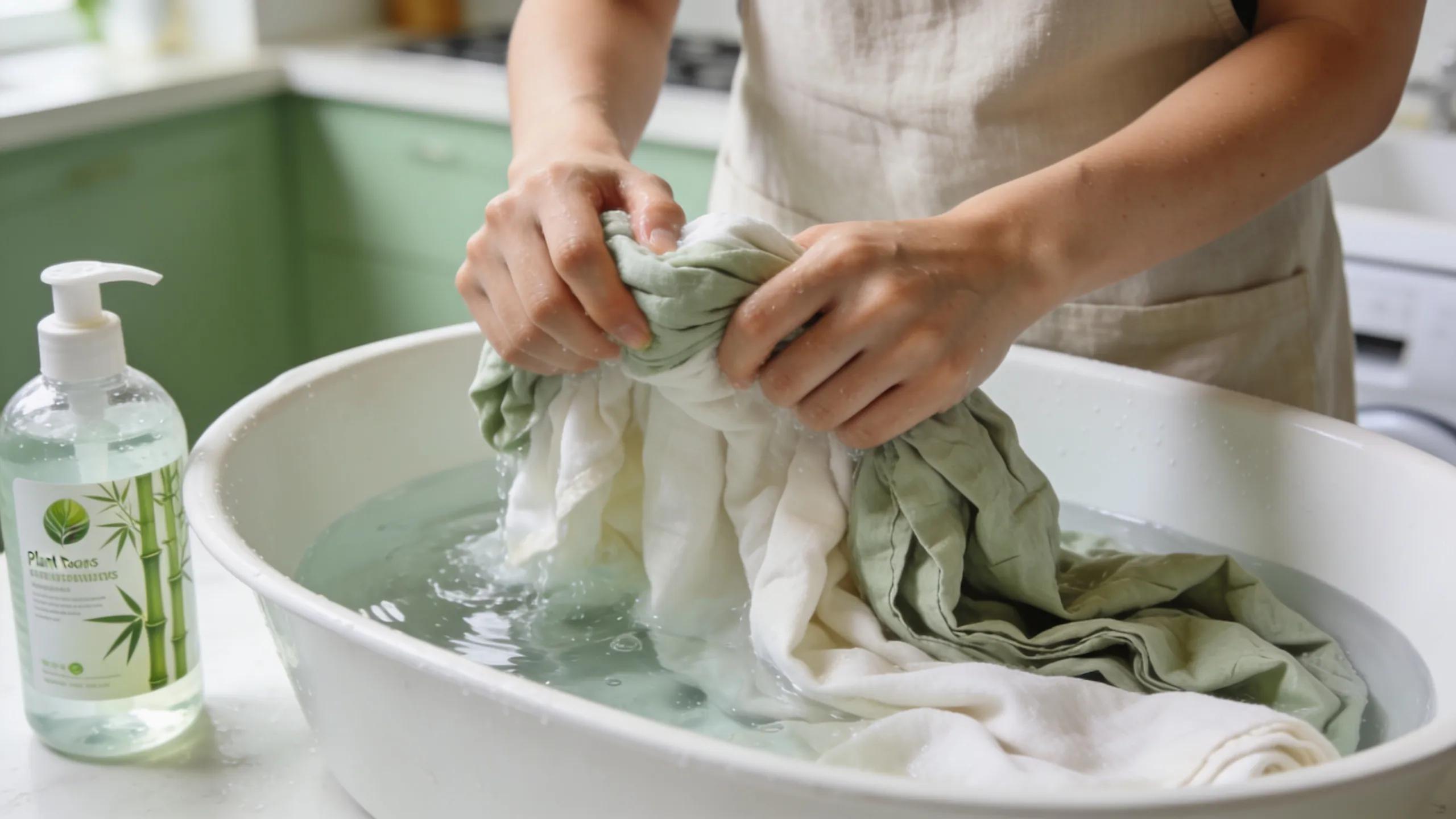
Caring for bamboo and cotton sheets is essential to preserve their quality and extend their lifespan. For bamboo sheets, it is recommended to wash them in cold water using gentle detergents. Avoiding bleach or strong detergents helps maintain the integrity of the fibres. Additionally, air drying is preferred over machine drying to prevent shrinkage and maintain softness.
Cotton sheets, on the other hand, should also be washed in cold or lukewarm water but can typically handle a wider variety of detergents. To reduce pilling and wear, it is advisable to wash cotton sheets separately from rough items like towels or blankets. Depending on the fabric blend, cotton sheets can be tumble dried, but low heat settings are generally kinder to the fibres.
Overall, proper care techniques will enhance the durability of both bamboo and cotton sheets while ensuring a comfortable sleep experience.
What Are the Best Washing and Maintenance Tips for Bamboo Sheets?
To maximise the lifespan and comfort of bamboo sheets, adhere to these best washing and maintenance tips:
Cold Water Wash: Always wash bamboo sheets in cold water to limit shrinkage and colour fading.
Gentle Detergents: Use mild, eco-friendly detergents to prevent damage to the fibres.
Air Drying: If possible, air dry bamboo sheets, as high heat from dryers can wear out the fabric over time.
By following these guidelines, consumers can keep their bamboo sheets in excellent condition, ensuring they remain a luxurious addition to their bedding for years to come.
How Does Proper Care Affect Durability and Lifespan of Bamboo and Cotton Sheets?
Proper care is crucial in determining the durability and lifespan of both bamboo and cotton sheets. Bamboo sheets, when cared for correctly, can last longer than cotton sheets due to their inherent strength and resilience. Protective washing methods (cold water, gentle cycles) help maintain the fibres' integrity, which is essential for keeping them soft and effective for temperature regulation.
Similarly, cotton sheets require appropriate maintenance for longevity. Regular washing, avoiding high heat, and keeping them separate from abrasive items leads to a longer effective lifespan. Pilling and wear can be significantly reduced by following proper washing instructions.
In conclusion, diligent care for both types of sheets enhances performance and maximises their lifespan, ultimately leading to better value for consumers.
What Should Australian Buyers Consider When Choosing Between Bamboo and Cotton Sheets?
When deciding between bamboo and cotton sheets, Australian buyers should take into account several factors. One significant consideration is individual comfort preferences; bamboo sheets tend to be softer, while some may prefer the familiarity of cotton. Buyers should also consider the environmental implications of their choice, weighing the sustainability benefits of bamboo against the more traditional but resource-intensive nature of cotton.
Additionally, cost and the long-term value should be factored into the decision. Bamboo sheets may have a higher upfront cost but generally offer greater durability, translating to value over time. Finally, certifications and sourcing transparency are essential in making an informed decision about the bedding materials. Choosing products from reputable companies committed to sustainability can significantly enhance the purchasing experience.
How Do Cost and Value Compare Between Bamboo and Cotton Bedding?
In terms of cost, bamboo sheets are often priced higher than traditional cotton sheets. This price difference reflects their sustainable manufacturing process and added durability. While bamboo sheets may seem like a more significant investment initially, their longer lifespan and eco-friendly attributes often make them a more valuable option over time. The quality and value of high-quality and durable bamboo bedding are worth considering.
Conversely, cotton sheets are usually more affordable and widely available, but their shorter lifespan can result in more frequent replacements, which may lead to higher costs over time. Buyers should assess their budget and consider long-term benefits when choosing between these options. The initial investment in bamboo bedding can yield long-term savings and environmental benefits, making it an appealing choice for mindful consumers.
What Buyer Tips and Certifications Are Important for Bamboo and Cotton Sheets?
When purchasing bamboo or cotton sheets, consumers should look for specific certifications that indicate quality and sustainability. Here are key tips to consider:
Certifications: Look for bedding that is OEKO-TEX certified, which ensures that products are free from harmful substances.
Material Quality: Check if the bamboo sheets are made from 100% organic bamboo viscose to ensure the best quality.
Thread Count: A higher thread count in bamboo sheets often indicates better quality and comfort.
By paying attention to these buying tips and verifying certifications, consumers can make informed decisions that prioritise their health, comfort, and eco-friendliness. This conscientious approach not only ensures satisfaction but also supports sustainable practices within the bedding industry.
