





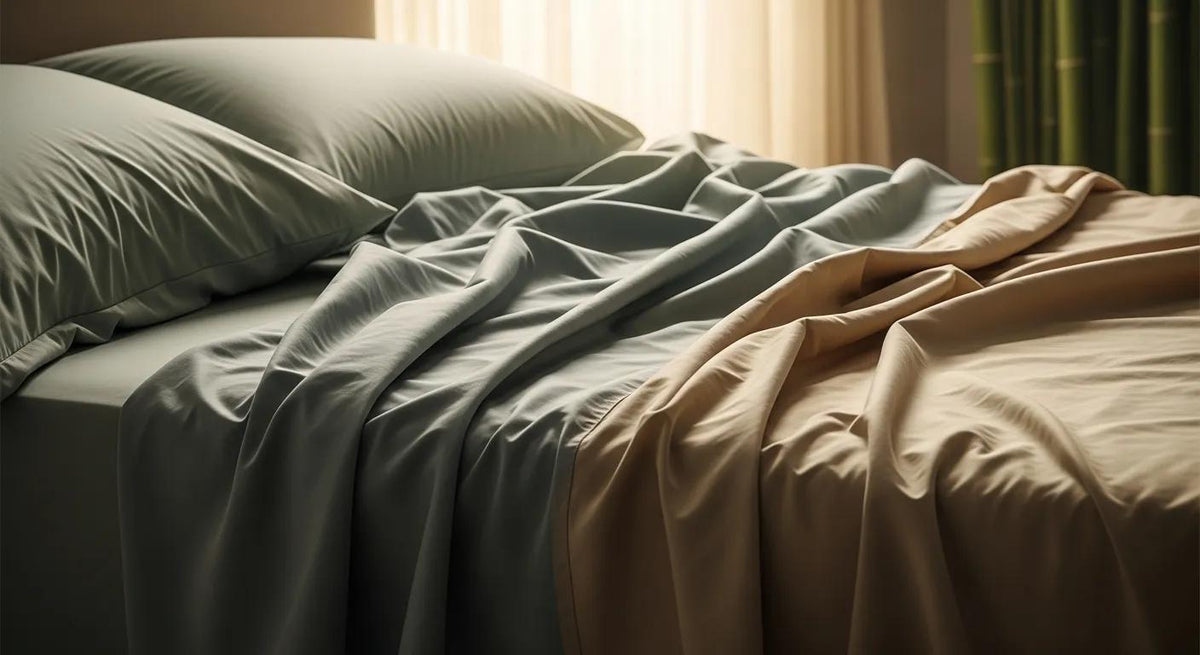
Bamboo sheets have become increasingly popular for their soft hand and reported health advantages. This article examines how bamboo bedding can affect sleep quality. Many people experience sleep disruption from temperature swings, allergies, or discomfort with conventional bedding. Bamboo sheets offer a comfortable, hypoallergenic, and environmentally preferable alternative. We outline key benefits, compare bamboo to cotton, review environmental considerations, provide care guidance to preserve quality, and note applications in sustainable commercial fit-outs.
What Are the Key Benefits of Bamboo Bedding for Sleep Quality?
Bamboo bedding provides several features that support improved sleep. A principal benefit is temperature regulation, which helps maintain a stable sleeping environment. Bamboo fibers are naturally breathable and wick moisture, improving airflow and reducing the risk of overheating overnight. This is especially valuable for people who sleep hot or live in warmer climates.
How Do Bamboo Sheets Enhance Temperature Regulation and Comfort?
Bamboo sheets regulate temperature through their fiber structure. The fabric's breathability increases airflow to disperse heat and moisture. Its moisture-wicking action moves sweat away from the body, keeping sleepers dry and comfortable throughout the night. These thermoregulating properties help maintain uninterrupted rest by minimizing heat or dampness.
In What Ways Are Bamboo Sheets Hypoallergenic and Beneficial for Allergy Reduction?
Bamboo sheets are naturally hypoallergenic. Bamboo fibers resist dust mites, mold, and bacteria, making them an appropriate option for allergy sufferers. The material's antibacterial qualities support a cleaner sleep surface and reduce the likelihood of respiratory irritation. Selecting bamboo bedding can therefore contribute to a healthier sleep environment with fewer allergens.
Research supports bamboo fibers' hypoallergenic profile, noting their suitability for sensitive skin and their broader sustainable attributes.
Bamboo Fiber: Hypoallergenic & Sustainable Properties
The paper examines bamboo fiber extraction methods and material properties, indicating a low tendency to cause skin allergies. It also addresses pricing considerations and possible impacts on biodiversity and soil properties.
Advances in Bamboo Science
How Do Bamboo Sheets Compare to Traditional Cotton Bedding?
Compared with conventional cotton bedding, bamboo sheets display several notable differences. They often feel softer and silkier against the skin. Bamboo's superior breathability and moisture-wicking improve temperature control relative to cotton.
What Are the Differences in Breathability and Durability Between Bamboo and Cotton Sheets?
Bamboo sheets generally provide greater breathability, enhancing airflow and moisture management. When cared for correctly, they are also durable and often outlast cotton. This longevity can make bamboo a more cost-effective choice for quality bedding.
Which Bedding Material Offers Better Sleep Quality: Bamboo or Cotton?
Overall, bamboo sheets commonly support better sleep quality through improved temperature regulation, hypoallergenic characteristics, and a silky feel. For individuals seeking a comfortable and health-conscious bedding option, bamboo sheets are a suitable choice that can enhance overall sleep.
Why Are Bamboo Sheets Considered an Eco-Friendly Bedding Option?
Bamboo sheets are regarded as environmentally preferable because bamboo cultivation is fast-growing and resource-efficient. Bamboo requires comparatively few inputs and renews quickly, resulting in a smaller environmental footprint than many conventional fibers.
What Is the Environmental Impact of Bamboo Bedding Compared to Conventional Materials?
The environmental footprint of bamboo bedding is typically lower than that of traditional cotton or many synthetic materials. Bamboo often needs less water and fewer pesticides, reducing ecological impact. Its capacity to sequester carbon during growth also contributes to a healthier environment. These factors make bamboo sheets a responsible option for environmentally conscious consumers.
Studies underline bamboo's role as a sustainable textile, particularly when contrasted with the environmental challenges associated with conventional materials like cotton.
Bamboo: Sustainable Textile Alternative to Cotton
This paper examines engineering approaches to sustainable textiles using bamboo and compares bamboo with cotton and polyester, both of which present significant environmental impacts across their life cycles.
Sustainable textiles: the role of bamboo and a comparison of bamboo textile properties-Part 1, 2009
How Does Bamboo’s Renewability and Biodegradability Support Sustainable Sleep Solutions?
Bamboo's renewability and biodegradability further its appeal as a sustainable bedding option. Unlike many synthetic materials that persist for decades, bamboo fibers decompose naturally and return organic matter to the soil. This characteristic supports circular economy principles and aligns with growing demand for sustainable products.
How Should Bamboo Sheets Be Cared for to Maintain Their Quality and Longevity?
Proper care is essential to preserve the softness and lifespan of bamboo sheets. Washing and drying methods are key to maintaining fabric quality over time.
What Are the Recommended Washing and Drying Practices for Bamboo Bedding?
Wash bamboo sheets in cold water on a gentle cycle to protect the fibers. Use a mild detergent and avoid bleach and fabric softeners, which can degrade the material. Air drying is preferred; if a dryer is used, select a low-heat setting to minimize shrinkage.
How Does Proper Maintenance Affect the Durability of Bamboo Sheets?
Consistent maintenance directly affects durability. Following the recommended washing and drying procedures will extend the sheets' usable life. Failure to observe care instructions may result in pilling, fading, or loss of softness, reducing their long-term benefits.
What Are the Commercial Applications and Case Studies of Bamboo Bedding in Sustainable Fit-Outs?
Bamboo bedding is increasingly adopted in sustainable commercial fit-outs, demonstrating its versatility and appeal across multiple settings.
How Have Bamboo Sheets Been Integrated into Eco-Friendly Commercial Hospitality Projects?
In eco-conscious commercial hospitality projects, bamboo sheets have been used to enhance guest comfort while supporting sustainability goals. Hotels and resorts that prioritise environmental responsibility often select bamboo bedding for its luxurious feel and health benefits. This integration improves guest comfort and aligns with trends in sustainable tourism.
What Client Testimonials and Project Outcomes Highlight Bamboo Bedding Benefits?
Client feedback from hospitality projects highlights measurable improvements in guest satisfaction. Many guests report better sleep and increased comfort, which contributes to higher overall satisfaction ratings. The use of bamboo sheets in commercial settings demonstrates their effectiveness in enhancing guest experience and sustainability performance.
Frequently Asked Questions
Are bamboo sheets suitable for sensitive skin?
Yes. Bamboo sheets are well suited to sensitive skin due to their natural hypoallergenic properties. They reduce exposure to dust mites, mold, and bacteria that can trigger allergic responses. The smooth surface also lowers friction and irritation, making them appropriate for individuals with skin sensitivities or conditions such as eczema. Overall, bamboo sheets offer a comfortable and safe sleep surface for sensitive skin types.
How do bamboo sheets contribute to a sustainable lifestyle?
Bamboo sheets support a sustainable lifestyle in several ways. Bamboo grows rapidly with low water requirements and typically without pesticides, which reduces environmental strain. Its cultivation aids carbon sequestration. Bamboo sheets are biodegradable and return nutrients to the soil, unlike many synthetic alternatives. Choosing bamboo bedding helps consumers reduce their ecological footprint.
Can bamboo sheets help with temperature regulation during sleep?
Yes. Bamboo sheets are recognised for effective temperature regulation. Their fiber structure improves breathability and moisture-wicking, helping sleepers remain cool and dry through the night. This is beneficial for people who tend to overheat while sleeping or live in warmer climates, and it can improve overall sleep quality.
What is the lifespan of bamboo sheets compared to cotton sheets?
Bamboo sheets typically have a longer lifespan than traditional cotton when cared for properly. Bamboo fibers are durable and retain softness over time. While cotton may lose texture after repeated washes, bamboo can withstand regular use with less noticeable degradation, making it a cost-effective investment for quality bedding.
Are there any specific care instructions for bamboo sheets?
Yes. To preserve quality and longevity, wash bamboo sheets in cold water on a gentle cycle with a mild detergent, and avoid bleach and fabric softeners. Air drying is preferred; if using a dryer, choose a low-heat setting to prevent shrinkage. Following these guidelines will help maintain softness and durability.
What are the environmental benefits of choosing bamboo over cotton?
Choosing bamboo over cotton offers several environmental benefits. Bamboo is a fast-renewing resource that typically requires far less water than cotton and often fewer pesticides, reducing chemical runoff into ecosystems. Bamboo's carbon-absorbing growth cycle further enhances its eco-friendly profile. By opting for bamboo sheets, consumers can make a measurable positive impact on the environment and support sustainable practices.
