




Bamboo sheets are a fast-growing favourite for people who want bedding that feels luxurious and treads lightly on the planet. This guide walks through what makes bamboo a smart, bamboo-based choice — from its natural breathability and soft and breathable qualities to practical tips on finding and caring for options in Australia. Whether you want cooler nights, gentler fabric for sensitive skin, or bedding with clear eco credentials, we’ll cover everything you need to know in plain, useful terms.
Why Choose Bamboo Sheets for bamboo-based Bedding?
Bamboo stands out as a bamboo-based raw material because it grows quickly, uses little water and generally needs no pesticides. How the fibre is turned into fabric matters: mechanically processed bamboo linen keeps the environmental footprint lower than chemically processed viscose or rayon, which use harsher treatments. On top of sustainability, bamboo fabric is naturally breathable and moisture-wicking, so it helps regulate temperature night after night.
What Makes Bamboo Sheets bamboo-based and bamboo-based?
There are a few simple reasons bamboo sheets are considered bamboo-based. Bamboo reaches maturity fast—often in three to five years—so plantations can be harvested without long rotations. The fibres are biodegradable, which reduces long-term landfill impact. Look for certifications like OEKO-TEX and GOTS to confirm the fabric was produced without harmful chemicals and meets recognised environmental standards. Together, these factors make bamboo an attractive option for conscious shoppers.
How Do Bamboo Sheets Enhance Bedding Comfort?
Bamboo sheets earn their comfort reputation through a few practical traits: they feel very soft against the skin (often likened to silk or cashmere), wick moisture effectively, and allow good airflow. That combination keeps you dry and comfortable, and helps prevent overheating. For many people, those qualities translate into more restful sleep and a noticeably nicer feel to their bedding.
Which Are the Best Bamboo Sheets for Hot Sleepers?
If you regularly wake up too warm, switching to bamboo can be a big improvement. The fabric’s breathability and moisture-wicking action help keep the surface of the sheets cooler and drier than many other materials.
How Do Bamboo Sheets Regulate Temperature for a Cool Sleep?
Bamboo fibres naturally encourage airflow and pull moisture away from the skin, so sweat evaporates faster and heat disperses more easily. That makes bamboo particularly useful during warm months or for anyone who sleeps hot — many people notice fewer night sweats and a more comfortable sleep overall.
What Features Make Bamboo Sheets Ideal for Hot Sleepers?
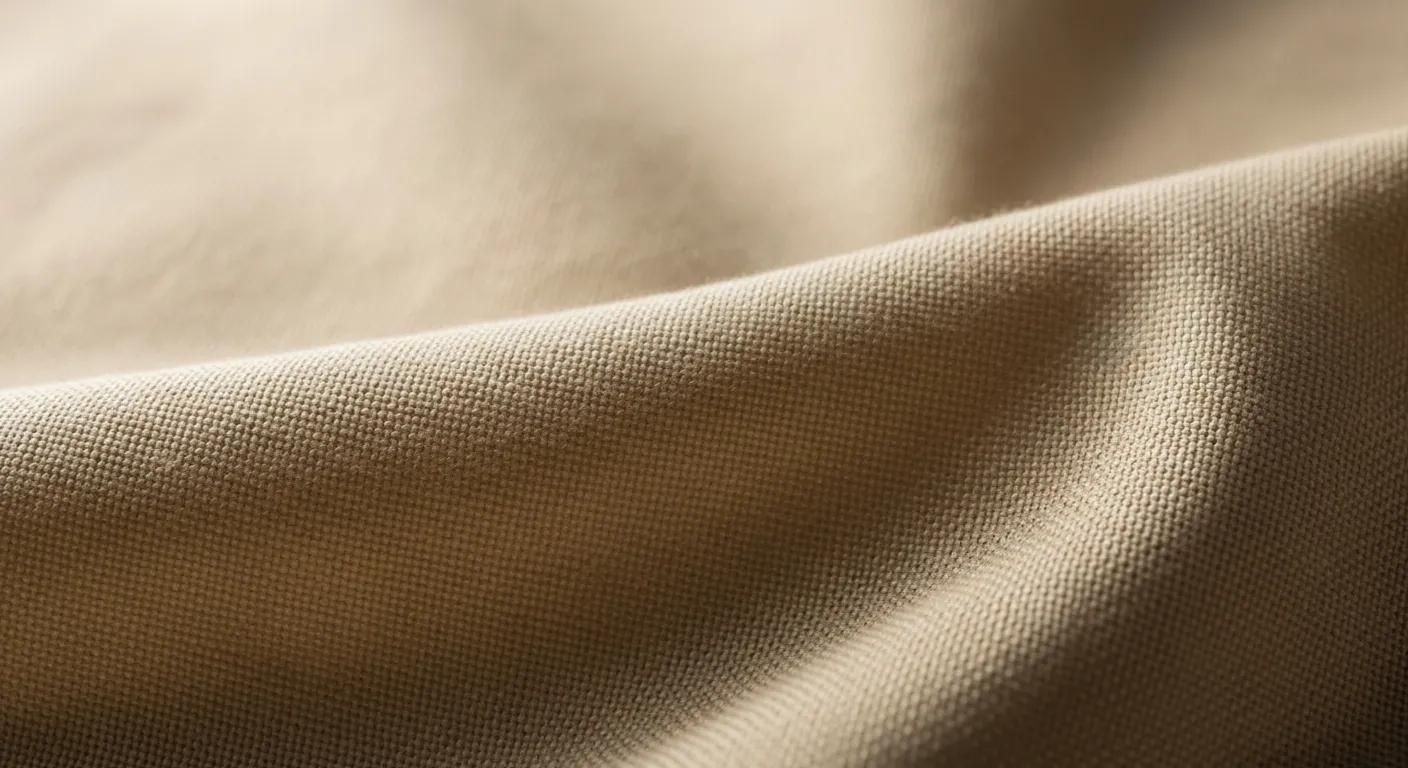
For the coolest feel, choose a lightweight weave and a thread count in the 250–350 range, which balances softness with airflow. A sateen weave gives extra drape and a silky hand, but remember a higher thread count doesn’t always mean better breathability with bamboo. Also note that bamboo’s soft and breathable nature makes it a gentle option for sensitive skin.
Where to Find Bamboo Sheets in Australia?
High-quality bamboo sheets are increasingly available in Australia from brands that prioritise eco credentials and ethical production. Buying locally can also cut shipping emissions and support homegrown makers.
What Certifications Ensure Bamboo Sheets Are ?
When shopping for bamboo bedding, the most helpful certifications are GOTS (Global Textile Standard) and OEKO-TEX Standard 100. GOTS covers textile production and processing when bamboo is handled mechanically, while OEKO-TEX confirms finished products are free from harmful residues. These certifications give you confidence the sheets meet recognised environmental and safety standards.
Which Australian Brands Offer bamboo-based Bamboo Bedding?

Several Australian labels now offer responsibly made bamboo bedding. Adorearth, for example, is known for stylish, premium home goods and a curated range of bamboo sheets. Choosing trusted local brands helps ensure transparent supply chains and often reduces the product’s carbon footprint.
How Do soft and breathable Bamboo Sheets Benefit Sensitive Sleepers?
Bamboo sheets are a reliable choice for people with sensitive skin or allergies, thanks to the fibre’s natural resistance to common irritants and its smooth, non-abrasive surface.
What Allergens Do Bamboo Sheets Naturally Resist?
Bamboo fibres are less hospitable to dust mites, mould and bacteria than many other fabrics, which lowers allergen build-up in bedding. That natural resistance can make a measurable difference for allergy-prone sleepers.
Are Bamboo Sheets Suitable for Allergy and Asthma Sufferers?
Yes. Bamboo’s soft and breathable qualities, combined with its breathability, mean it’s a good option for people with asthma or allergies. Many users report reduced symptoms and better sleep after switching to bamboo bedding.
How to Care for Bamboo Sheets to Maintain Sustainability and Comfort?
Simple care keeps bamboo sheets soft, clean and long-lasting — which is both kinder to your bedding budget and better for the environment.
What Are the Best Washing Practices for Bamboo Bedding?
Wash bamboo sheets in cold or warm water on a gentle cycle and avoid bleach or fabric softeners, which can harm the fibres. Use a mild detergent and, if possible, wash with like colours. Regular, gentle washing keeps sheets fresh without accelerating wear.
How Does Proper Care Extend the Life of Bamboo Sheets?
Avoiding harsh chemicals and high-heat drying prevents fibre damage and shrinkage, so your sheets keep their softness and fit longer. Store sheets in a cool, dry place to protect them from moisture and pests and you’ll get the most life from your bedding.
Care Practice |
Recommendation |
Impact |
|---|---|---|
Washing Temperature |
Cold or warm water |
Preserves fibers |
Detergent Type |
Mild detergent |
Maintains softness |
Drying Method |
Air dry or low heat |
Prevents shrinkage |
Frequently Asked Questions
Are bamboo sheets suitable for all types of mattresses?
Yes. Bamboo sheets stretch and drape well over memory foam, innerspring and latex mattresses. Choose the correct size and depth to ensure a snug fit; the fabric’s breathability also helps improve overall sleeping comfort on any mattress type.
How do bamboo sheets compare to cotton sheets in terms of durability?
When cared for correctly, bamboo sheets can be more durable than standard cotton. Bamboo fibres are resilient and tend to keep their softness and structure through regular washing, so they can offer good long-term value compared with many cotton options.
Can bamboo sheets be used in all seasons?
Yes. Bamboo’s breathability and moisture-wicking properties make it comfortable year-round — cooling in summer and helping regulate temperature in cooler months, which makes it a versatile bedding choice.
What is the environmental impact of bamboo sheet production?
Bamboo production generally has a lower environmental impact than many conventional textiles: it grows fast, needs little water and often avoids pesticides. That said, processing methods vary, so choose certified products (GOTS, OEKO-TEX) and transparent brands to ensure responsible manufacturing.
How do I know if my bamboo sheets are of high quality?
Look for GOTS or OEKO-TEX certification, check the construction and weave, and aim for a thread count in the 250–350 range for a good balance of softness and breathability. Customer reviews and clear product information on fibre type and processing also help verify quality.
What are the benefits of choosing bamboo sheets over regular bamboo sheets?
bamboo sheets are grown and processed with stricter controls on pesticides and chemicals, so they’re better for the environment and gentler on your skin. certification also signals more transparent and regulated manufacturing practices.
