





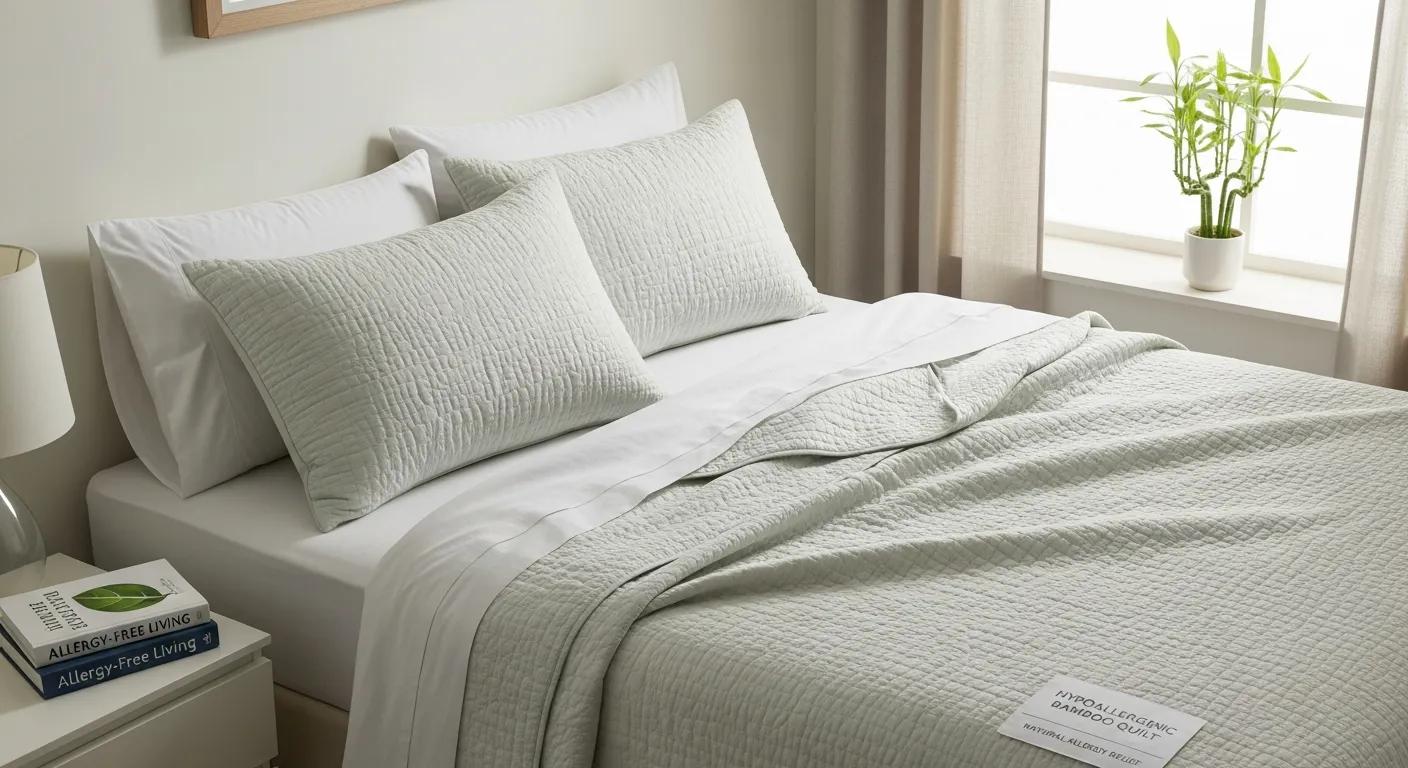
If allergies keep you from sleeping well, bamboo quilts are a natural, low-effort choice to try. This guide walks through the allergy-fighting and antibacterial qualities of bamboo quilts, shows how they support more restful sleep, compares them to other bedding, and explains what makes Adorearth’s quilts stand out. You’ll also find easy care tips and real customer experiences that show how bamboo bedding can reduce symptoms and improve nightly comfort.
What Are the Hypoallergenic Properties of Bamboo Quilts?

Bamboo quilts are prized for being naturally hypoallergenic. The plant’s fine, smooth fibres trap less dust, which helps limit common household allergens. Bamboo also contains a natural substance often called bamboo kun that offers antibacterial properties — together, these traits make bamboo quilts a sensible option for sensitive skin and allergy-prone sleepers.
How Does Bamboo Naturally Resist Dust Mites and Allergens?
Bamboo resists dust mites and other irritants mainly because of its fibre structure. Smooth, tightly formed fibres give allergens fewer places to settle, helping to lower dust mite counts. For people with asthma or breathing sensitivities, that means a cleaner sleep surface and fewer overnight triggers.
What Role Does Bamboo Kun Play in Antibacterial Protection?
Bamboo kun is a natural component in bamboo that helps limit bacterial and fungal growth. It’s not a substitute for regular washing, but it adds an extra layer of protection that’s gentler on sensitive skin, helping to reduce certain microbes and supporting the overall hygiene benefits of bamboo quilts.
How Do Bamboo Quilts Regulate Temperature and Moisture for Allergy Sufferers?

Temperature and moisture control matter when allergies are a concern. Bamboo fibres wick moisture away from the body and breathe well, so you stay drier and more comfortable through the night. That helps prevent the damp conditions that promote mould and dust mites — two common allergy culprits.
Why Is Moisture-Wicking Important for Allergy Relief?
Keeping bedding dry reduces the chance that mould or dust mites will thrive. Bamboo’s moisture-wicking action moves sweat and humidity away from the skin, lowering the risk of allergen buildup. The result is a sleep surface that feels fresher and is less likely to harbour irritants.
How Does Temperature Regulation Improve Sleep Quality?
Bamboo’s natural breathability promotes airflow and steadier sleep temperatures, which helps reduce tossing and waking. For allergy sufferers, fewer temperature swings can mean fewer symptoms overnight and more restorative sleep.
How Do Bamboo Quilts Compare to Other Quilt Materials for Allergy Relief?
Compared with cotton, feather, and synthetic fillings, bamboo often offers clear advantages for allergy-conscious sleepers. Each material behaves differently, but bamboo’s combo of hypoallergenic and moisture-managing properties gives it a real edge.
What Are the Allergy Benefits of Bamboo vs Cotton, Feather, and Synthetic Quilts?
Bamboo provides a hypoallergenic alternative that resists allergen build-up. Cotton is breathable but can still trap dust mites; feather quilts tend to hold allergens and are usually not recommended for allergy-prone people; synthetic fillings vary — some are fine, others can irritate sensitive skin. Bamboo stands out for combining softness with effective allergen resistance.
| Quilt Material | Hypoallergenic | Moisture-Wicking | Temperature Regulation |
|---|---|---|---|
| Bamboo | Yes | Excellent | Superior |
| Cotton | Moderate | Good | Moderate |
| Feather | No | Poor | Poor |
| Synthetic | Variable | Variable | Variable |
This side-by-side view shows why many allergy sufferers choose bamboo quilts for a healthier, more comfortable bed.
Which Quilt Material Best Prevents Allergen Trapping?
Bamboo’s smooth fibres and breathability make it less likely to trap allergens than some cottons and many synthetics. Better airflow and moisture control also reduce the conditions that allow allergens to multiply, so bamboo often helps keep the sleep space cleaner and more comfortable.
What Makes Adorearth Bamboo Quilts Ideal for Allergy Sufferers?
Adorearth designs its bamboo quilts with allergy relief and sustainability in mind. Thoughtful material choices and responsible production practices mean our quilts suit sensitive sleepers while keeping environmental impact low.
Which Features of Adorearth Bamboo Quilts Enhance Allergy Protection?
Our quilts use high-quality bamboo fibres that are naturally hypoallergenic and offer antibacterial benefits. They’re engineered to be breathable and moisture-wicking for a consistently drier sleep surface. Paired with eco-conscious manufacturing, these features make Adorearth quilts a reliable pick for allergy-aware shoppers.
How Does Adorearth’s Sustainability Commitment Support Sensitive Skin?
Adorearth sources organic bamboo and reduces harsh chemical use during production. That lowers exposure to irritants sometimes found in conventional bedding and makes our quilts a gentler option for sensitive skin — better for people and better for the planet.
How Should You Care for Bamboo Quilts to Maintain Allergy Protection?
Regular, gentle care keeps bamboo quilts performing their best. The right washing and drying habits protect the fibres and their natural properties, so the quilt stays comfortable and hygienic longer.
What Are the Best Washing and Drying Practices for Bamboo Quilts?
Wash bamboo quilts in cold water on a gentle cycle and avoid bleach or strong detergents that can damage the fibres. Tumble dry on low or air-dry to prevent shrinkage and preserve loft. These simple steps help keep the quilt’s texture and allergen-resistant performance intact.
How Often Should Bamboo Quilts Be Cleaned to Reduce Allergens?
Clean your bamboo quilt about every 1–2 months, depending on use and personal needs. Regular washing removes dust mites and other allergens, so the bed stays fresher and more comfortable for sensitive sleepers.
What Do Allergy Sufferers Say About Their Experience with Bamboo Quilts?
Many customers report noticeable improvements after switching to bamboo quilts — fewer nighttime flare-ups, easier breathing, and better sleep overall. These firsthand accounts reinforce the practical benefits that bamboo bedding can bring to allergy-prone homes.
Are There Real Stories of Improved Sleep and Allergy Relief?
Yes — many sleepers describe reduced sneezing, less congestion, and more restful nights after switching to bamboo bedding. Individual results vary, but these stories consistently point to clearer, more comfortable sleep for lots of people.
How Do Customer Reviews Reflect Bamboo Quilt Benefits?
Customer reviews often praise the softness, breathability, and hypoallergenic qualities of bamboo quilts. Reviewers commonly note fewer allergy flare-ups and more comfortable sleep compared with older bedding — practical feedback that backs up the product’s benefits.
Frequently Asked Questions
What are the benefits of using bamboo quilts for sensitive skin?
Because of their smooth, natural fibres and hypoallergenic profile, bamboo quilts are a great choice for sensitive skin. They’re less likely to irritate, and their antibacterial properties can reduce the bacterial or fungal triggers that sometimes cause skin issues. Together, these features create a gentler sleeping environment.
How do bamboo quilts compare to other bedding materials?
Bamboo quilts can represent a greater initial investment than basic cotton or synthetic options, but many people find the value pays off over time. Bamboo’s durability, comfort, and hypoallergenic benefits often mean fewer replacements and better sleep, which many customers view as a worthwhile investment.
Can bamboo quilts be machine-washed?
Yes — most bamboo quilts are machine washable if you follow the care instructions. Use cold water on a gentle cycle, avoid bleach and harsh detergents, and tumble dry low or air-dry to prevent shrinkage. Proper care helps the quilt stay soft and hypoallergenic for years.
Do bamboo quilts have a distinct smell?
New bamboo quilts may have a mild, natural scent from the fibres, but it usually fades after a wash or two. Unlike some synthetics, bamboo typically smells fresh and breathable; washing according to the care guide will remove any lingering odours.
Are bamboo quilts suitable for hot sleepers?
Absolutely. Bamboo quilts are especially good for hot sleepers because of their breathability and moisture-wicking properties. They help regulate body temperature through the night, keeping you cooler and more comfortable.
What should I consider when choosing a bamboo quilt?
Look at the quality of the bamboo fibres, the quilt’s weight, and any hypoallergenic or eco certifications. Certifications like OEKO-TEX or GOTS are useful indicators of safe and sustainable production. Also read customer reviews to learn about softness, durability, and real-world performance.
Can bamboo quilts help with asthma symptoms?
They can. Bamboo quilts reduce dust-mite presence and help keep bedding drier, which lowers common asthma triggers. Better airflow and temperature control also create a more comfortable sleep environment that may ease nighttime asthma issues for some people.
Are bamboo quilts suitable for children with allergies?
Yes. Bamboo quilts are soft, breathable, and less likely to hold allergens, making them a good option for children with sensitive skin or mild allergies. As always, check labels and certifications if you have specific concerns about sensitivities.
How do bamboo quilts contribute to eco-friendly living?
Bamboo is a fast-growing, renewable resource that often needs less water and fewer pesticides than conventional crops. Brands like Adorearth prioritise responsible sourcing and cleaner production, so choosing bamboo bedding supports healthier sleep and a smaller environmental footprint.
What is the lifespan of a bamboo quilt?
With proper care, a bamboo quilt can last several years. Gentle washing, avoiding harsh chemicals, and following the care instructions will help preserve the fibres’ softness and hypoallergenic properties over time.
Can bamboo quilts be used in all seasons?
Yes. Bamboo’s breathability and moisture-wicking make these quilts comfortable year-round — cozy in cooler months and cooling in warmer weather — so many people don’t need separate seasonal bedding.
Are there any specific certifications to look for when buying bamboo quilts?
Look for trusted labels like OEKO-TEX Standard 100 or GOTS (Global Organic Textile Standard). These certifications indicate the textiles have been tested for harmful substances and that sustainable practices were considered during production, helping you choose a safer, more eco-conscious quilt.
