





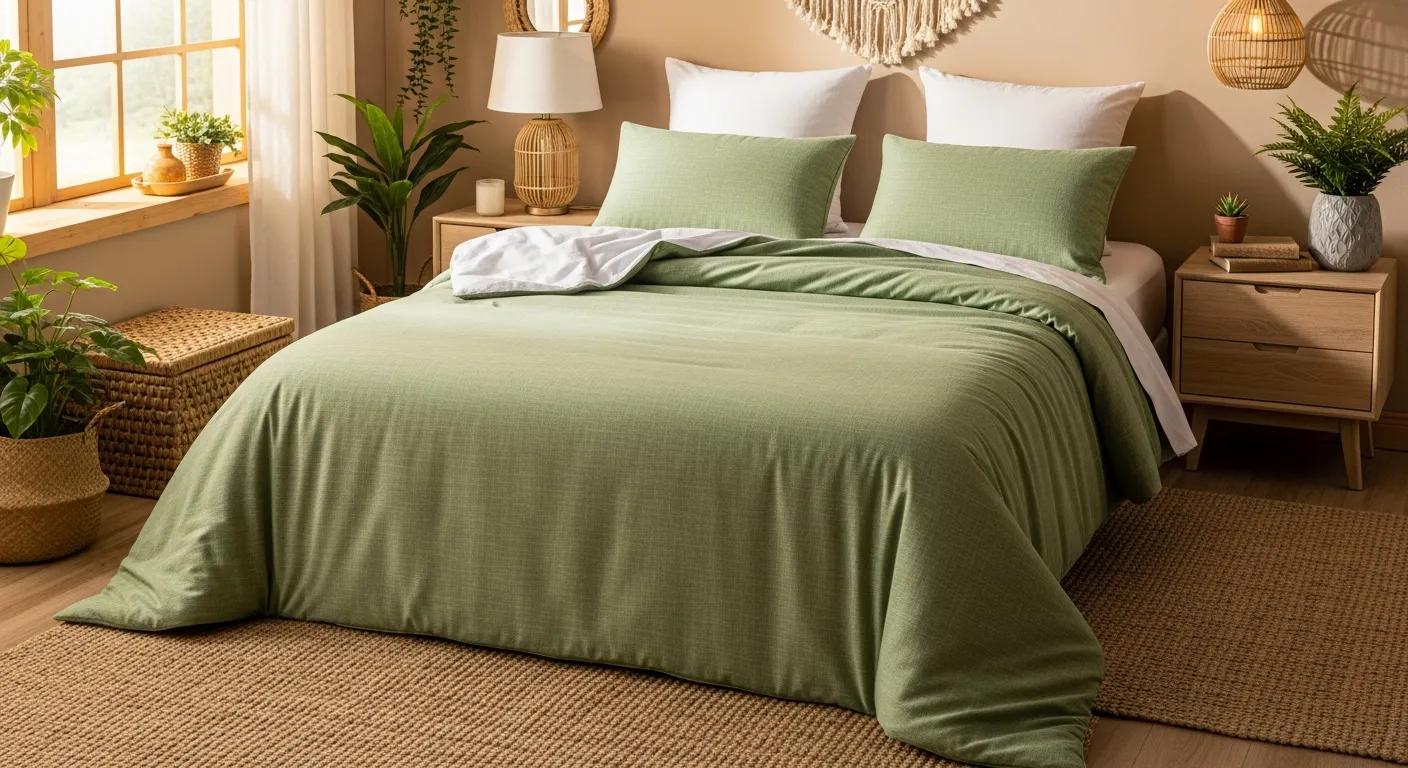
Bamboo quilt covers are rising in popularity because they blend soft, breathable comfort with a smaller environmental footprint. This guide walks through the real benefits—temperature regulation, hypoallergenic and antibacterial qualities, long-term durability, and sustainable sourcing—so you can decide if bamboo bedding fits your home and sleep needs. If you’ve been hunting for bedding that feels luxurious and aligns with eco values, bamboo covers offer a practical, stylish answer. Below, we explain how bamboo works, how it compares to traditional fabrics, and how to keep your cover feeling fresh for years.
What Makes Bamboo Quilt Covers Superior for Temperature Regulation?

Bamboo performs well at regulating temperature because of the way its fibres are structured. The fabric promotes airflow, which helps heat escape and keeps your sleep surface from trapping warmth. That airflow, combined with bamboo’s natural moisture-wicking abilities, makes these covers a reliable choice for people who sweat at night or whose body temperature changes while they sleep. In short, bamboo helps you stay comfortably balanced through the seasons.
How Does Bamboo's Structure Keep You Comfortable Year-Round?
The microscopic gaps in bamboo fibres let air circulate and move heat away from the body in warm weather, while still providing insulating comfort when it’s cool. That balance means a single bamboo cover can work across seasons without the overheating that some heavier fabrics cause.
What Role Does Moisture-Wicking Play in Bamboo Quilt Covers?
Moisture-wicking is one of bamboo’s standout features. Bamboo can absorb a lot of moisture—up to three times its weight—which helps pull sweat away from your skin and spread it across the fabric so it dries faster. For hot sleepers, this means a drier, fresher night and less nighttime wakefulness due to discomfort or clamminess.
Why Are Bamboo Quilt Covers Ideal for Sensitive and Allergy-Prone Skin?

Bamboo quilt covers are a smart pick for sensitive or allergy-prone skin. The fibres are naturally gentler than many synthetics and less likely to irritate, and bamboo has inherent antibacterial properties that help keep bedding cleaner between washes. That can reduce common triggers like dust mites and some bacterial growth, creating a calmer, healthier sleep surface.
How Do Hypoallergenic and Antibacterial Properties Benefit Sleepers?
Hypoallergenic bamboo reduces the chances of skin irritation and reactions for many people. Because bamboo also limits the growth of certain bacteria and dust-mite populations, it helps keep your bedding fresher and more comfortable—especially useful for those with asthma, eczema, or seasonal allergies.
What Is Bamboo Kun and Its Effect on Quilt Cover Hygiene?
Bamboo Kun is a natural compound present in raw bamboo that helps resist microbes. When some of these qualities carry through processing, the result is bedding that stays fresher longer and can need washing less often—saving time and preserving the fabric’s life when cared for correctly.
How Do Bamboo Quilt Covers Contribute to Sustainable and Eco-Friendly Bedding?
Bamboo is one of the more renewable textile sources: it grows fast, typically needs less water than many crops, and often requires fewer pesticides. Because it reaches maturity in a matter of years (often 3–5, depending on species), it supports more sustainable harvesting and a lower overall environmental impact than many conventional fibres.
What Makes Bamboo a Rapidly Renewable and Low-Impact Material?
Bamboo’s growth rate and low resource needs make it a low-impact option. Unlike cotton—which can demand large amounts of irrigation and chemical inputs—bamboo thrives in varied climates and can be harvested on a sustainable cycle that supports soil health and local biodiversity.
How Does Adorearth Ensure Eco-Conscious Production and Biodegradability?
At Adorearth, we prioritise responsible sourcing and transparency. Our bamboo is selected from managed forests where harvesting practices aim to protect ecosystems. Because bamboo fibres are biodegradable, end-of-life disposal has less impact than many synthetic options—another reason to choose thoughtful, sustainably made bedding.
What Comfort and Durability Advantages Do Bamboo Quilt Covers Offer?
Bamboo quilt covers deliver a soft, luxe feel that’s often compared to silk or cashmere—without the same care constraints. They’re also surprisingly durable: the fibres stand up well to regular use and washing, so your cover keeps its feel and performance over time.
How Does Bamboo Provide Luxurious Softness Compared to Silk or Cashmere?
Bamboo’s smooth, fine fibres create a naturally soft hand that many find as comfortable as higher-end fabrics. A common experience is that bamboo bedding becomes even softer after a few washes, enhancing everyday comfort without extra fuss.
Why Are Bamboo Fibres More Durable and Colourfast After Washing?
Bamboo fibre’s strength and resilience help it retain colour and structure better than some conventional fabrics when laundered properly. With gentle care—cold wash, mild detergent, and low-heat drying or air-drying—your cover should stay vibrant and comfortable for years.
How Do Bamboo Quilt Covers Compare to Cotton and Other Bedding Fabrics?
Compared with cotton and other common materials, bamboo often wins on sustainability and sleep performance. It typically uses fewer resources to grow, and its natural properties—better moisture management and breathability—translate to a more comfortable night for many sleepers.
What Are the Key Differences in Sustainability and Performance?
Bamboo stands out because it usually needs less water and fewer chemicals to cultivate, and it renews quickly. Performance-wise, bamboo’s moisture-wicking and temperature-regulating traits often make it more comfortable than standard cotton in varied climates.
How Does Bamboo Outperform Cotton in Moisture Absorption and Temperature Control?
Bamboo can absorb more moisture than cotton and moves that moisture away from the skin faster. Combined with its breathable structure, bamboo helps prevent overheating and keeps the sleep surface feeling drier—especially helpful for people who run warm at night.
What Care Practices Ensure Longevity of Your Adorearth Bamboo Quilt Cover?
With the right care, a bamboo quilt cover will stay soft and durable for years. Follow gentle washing and drying habits to preserve the fabric’s natural properties and colour.
How Should You Wash and Maintain Bamboo Quilt Covers?
Wash bamboo quilt covers in cold water on a delicate cycle with a mild, eco-friendly detergent. Avoid bleach and fabric softeners (they can coat fibres and reduce absorbency). Air-dry when possible or use a low-heat dryer setting to keep the fabric soft and intact.
What Are the Best Tips for Preserving Softness and Colour?
To keep your bamboo cover looking and feeling its best:
- Avoid harsh detergents: Choose mild, plant-based detergents that protect fibre integrity.
- Wash with similar colours: This prevents dye transfer and keeps colours bright.
- Store properly: Fold clean, fully dry covers in a cool, dry place—use breathable cotton storage bags rather than plastic to avoid trapped moisture.
| Feature | Bamboo Quilt Covers | Cotton Quilt Covers |
|---|---|---|
| Sustainability | Rapidly renewable, low water use | High water use, often pesticide-intensive |
| Moisture Absorption | Can absorb up to three times its weight | Moderate absorption |
| Temperature Control | Excellent airflow — cool in summer, insulating in winter | Limited natural temperature regulation |
| Durability | Strong, retains colour and structure with proper care | Can weaken and fade faster over time |
Frequently Asked Questions
Are bamboo quilt covers suitable for all seasons?
Yes. Bamboo’s breathable weave and moisture-wicking abilities help it feel cool in summer and comfortably insulating in cooler months, making it a versatile all-season option.
How do bamboo quilt covers compare in value to traditional bedding?
While the initial investment might be more than basic cotton options, bamboo often delivers better long-term value through durability, comfort, and reduced need for frequent replacement—so many people find it a worthwhile choice for their home.
Can bamboo quilt covers help with skin conditions?
They can. Bamboo’s gentle fibres and natural antibacterial tendencies reduce irritants and allergens in bedding, which may ease discomfort for people with sensitive skin, eczema, or allergies.
What is the environmental impact of bamboo farming?
Bamboo generally has a lower environmental impact than many conventional crops: it grows quickly, usually requires less water, and can be grown with fewer pesticides. Its fast renewability and soil benefits also make it a strong, sustainable choice when responsibly managed.
How do I know if my bamboo quilt cover is ethically sourced?
Look for transparent sourcing information and certifications from trusted organisations. Brands that share details about their supply chain, manufacturing practices, and environmental commitments are more likely to meet ethical standards.
What are the best ways to store bamboo quilt covers when not in use?
Store covers clean and fully dry in a cool, dry spot. Use breathable storage bags or cotton cases rather than plastic to prevent trapped moisture and mould. Proper storage keeps the fabric fresh and ready to use.
