




Why Choose Organic Bamboo Quilt Covers for Sustainable Living: Benefits and Eco-Friendly Bedding Solutions
Choosing bedding affects your environmental footprint. Organic bamboo quilt covers offer a sustainable alternative with ecological and comfort advantages over many conventional textiles. This article summarises the key benefits, health implications and practical comparisons to help consumers make informed, eco-conscious decisions.
What Are the Environmental Benefits of Bamboo Quilt Covers?
Bamboo grows quickly and typically needs far less water than cotton, helping conserve scarce resources. It is biodegradable and—because it regrows without replanting—can capture carbon during growth, reducing long-term land pressure. These traits make bamboo a practical choice for people pursuing sustainable living.
How Does Bamboo Fibre Contribute to Sustainable Living?
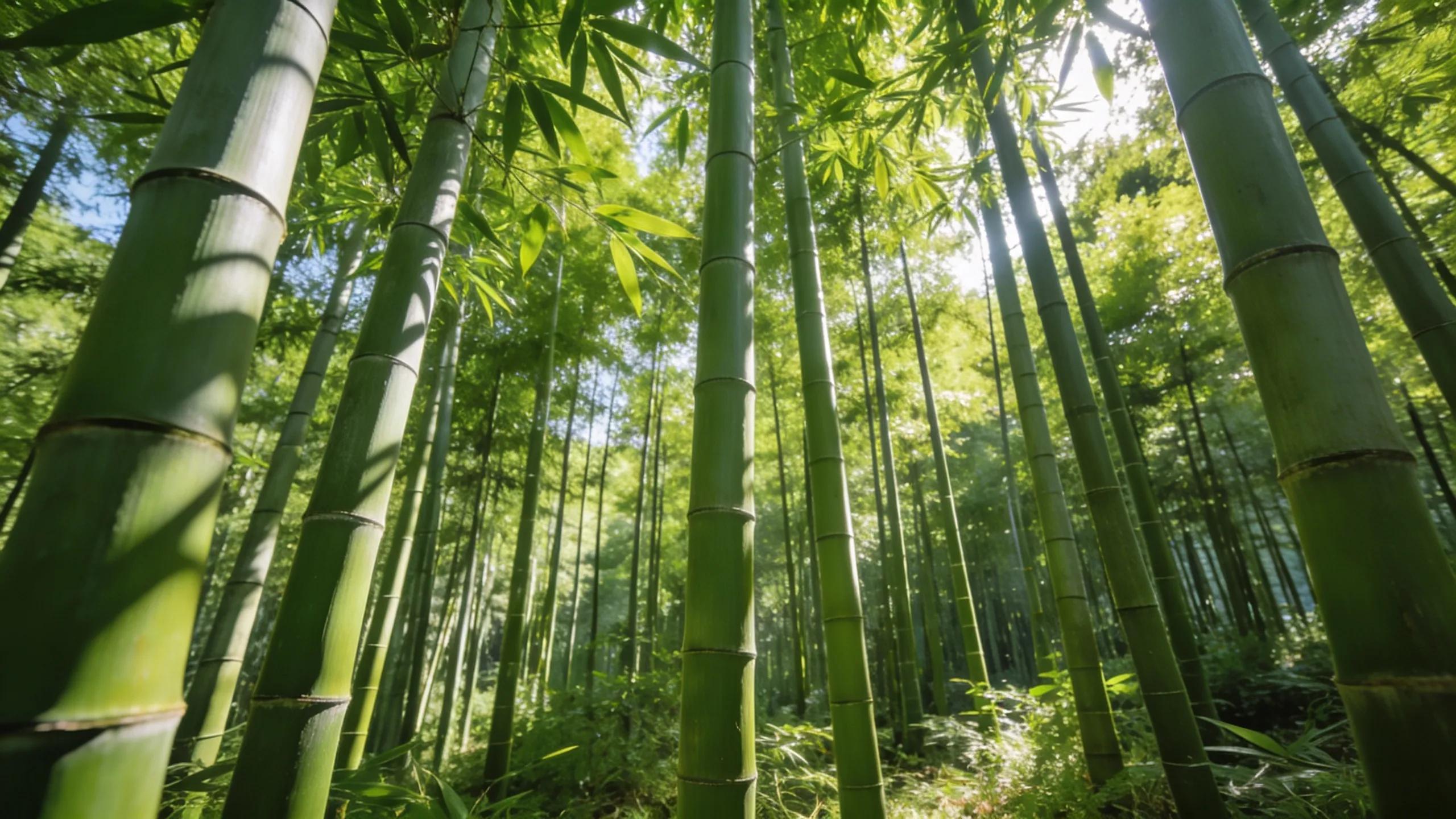
Bamboo fibre is produced from the plant’s pulp and is renewable in many regions. It often requires fewer pesticides and can be processed in low-waste, closed-loop systems; its durability also reduces textile turnover and waste over a product’s lifetime.
What Makes Bamboo Quilt Covers Water Efficient and Biodegradable?
Bamboo typically needs substantially less irrigation than conventional cotton, which lowers water use. At the end of life, natural bamboo fibres break down more readily than synthetic textiles and do not leave the same persistent toxins in soil or water, making them a better choice for eco-conscious households.
Which Health Advantages Do Bamboo Bedding Materials Offer?
Bamboo quilt covers are often hypoallergenic and less likely to irritate sensitive skin; they are also less hospitable to dust mites and mould. Their moisture-wicking and natural antibacterial qualities support temperature regulation and a cleaner sleep surface.
Why Are Bamboo Quilt Covers Naturally Hypoallergenic and Antibacterial?
The fibre structure promotes airflow and, combined with moisture control, discourages dust mites and other allergens. Bamboo also contains a natural antimicrobial compound (sometimes called "bamboo kun") that helps limit bacterial and fungal growth and control odours.
How Do These Features Enhance Sleep Quality and Safety?
Moisture management and temperature regulation support a more comfortable, restorative sleep environment, while hypoallergenic fibres reduce irritation that can disrupt rest. Because bamboo covers are less likely to hold residues from aggressive chemical processing, they can be a safer option for children and sensitive sleepers.
How Should You Care for Sustainable Bamboo Quilt Covers to Ensure Longevity?
Gentle care extends the service life of bamboo quilt covers and preserves their performance and appearance.
- Washing: Use cold or lukewarm water with a gentle detergent; avoid bleach and fabric softeners to protect fibre integrity.
- Drying: Air dry when possible; if using a dryer, choose a low-heat setting to limit shrinkage and maintain softness.
- Storage: Store covers in breathable bags to guard against dust and moisture when not in use.
Following these simple practices keeps your bamboo quilt covers functional and comfortable for longer.
Why Are Bamboo Quilt Covers Preferable Over Cotton and Synthetic Alternatives?
Bamboo cultivation generally uses fewer resources and fewer chemical inputs than many conventional cotton operations, easing pressure on soil and water. For consumers, bamboo combines a soft, luxurious feel with strong fibre performance, natural biodegradability and hypoallergenic properties that together offer a more sustainable and health‑oriented bedding choice.
How Do Bamboo Quilt Covers Compare in Durability and Comfort?
Bamboo fibres are durable and retain softness through repeated laundering, reducing the need for early replacement. The fabric is often described as silky and breathable, providing a comfortable sleep surface with good moisture management.
What Are the Sustainability Differences Between Bamboo and Other Bedding Materials?
Bamboo compares favourably to many alternatives because it grows quickly, performs well in varied climates and typically needs less water. Production can involve fewer chemical inputs than synthetics, and bamboo’s biodegradability generally reduces lifecycle impact compared with persistent synthetic materials.
These lifecycle advantages help consumers choose bedding that aligns with broader sustainability goals and responsible consumption.
Frequently Asked Questions
1. How can I tell if my bamboo quilt cover is made from organic bamboo?
Look for recognised certifications such as GOTS or OEKO-TEX Standard 100 and review the manufacturer’s sourcing and production information for transparent organic claims.
2. Can bamboo quilt covers help with allergies?
Yes. Bamboo’s hypoallergenic fibres and natural resistance to microbes make it less likely to host dust mites and mould, which can reduce allergic triggers.
3. What is the best way to wash and maintain bamboo quilt covers?
Wash in cold or lukewarm water with a gentle, eco-friendly detergent, avoid bleach and fabric softeners, air dry when possible, and store in breathable bags.
4. Why should I consider bamboo bedding over synthetic materials?
Bamboo offers better breathability and moisture management than many synthetics, and it is biodegradable and often produced with fewer chemical inputs.
5. How does bamboo's growth contribute to its sustainability?
Bamboo grows rapidly (reaching maturity much faster than many hardwoods), usually requires less water, can be cultivated without pesticides, and absorbs carbon dioxide during growth.
6. Are there any downsides to using bamboo quilt covers?
Potential downsides include a higher initial cost and quality variation across manufacturers; choose reputable brands that disclose materials and production methods.
7. What other eco-friendly bedding options are available besides bamboo?
Alternatives include organic cotton, linen (from flax), hemp and Tencel, each offering different balances of comfort, durability and environmental performance.
