





Sustainable Sleep Solutions
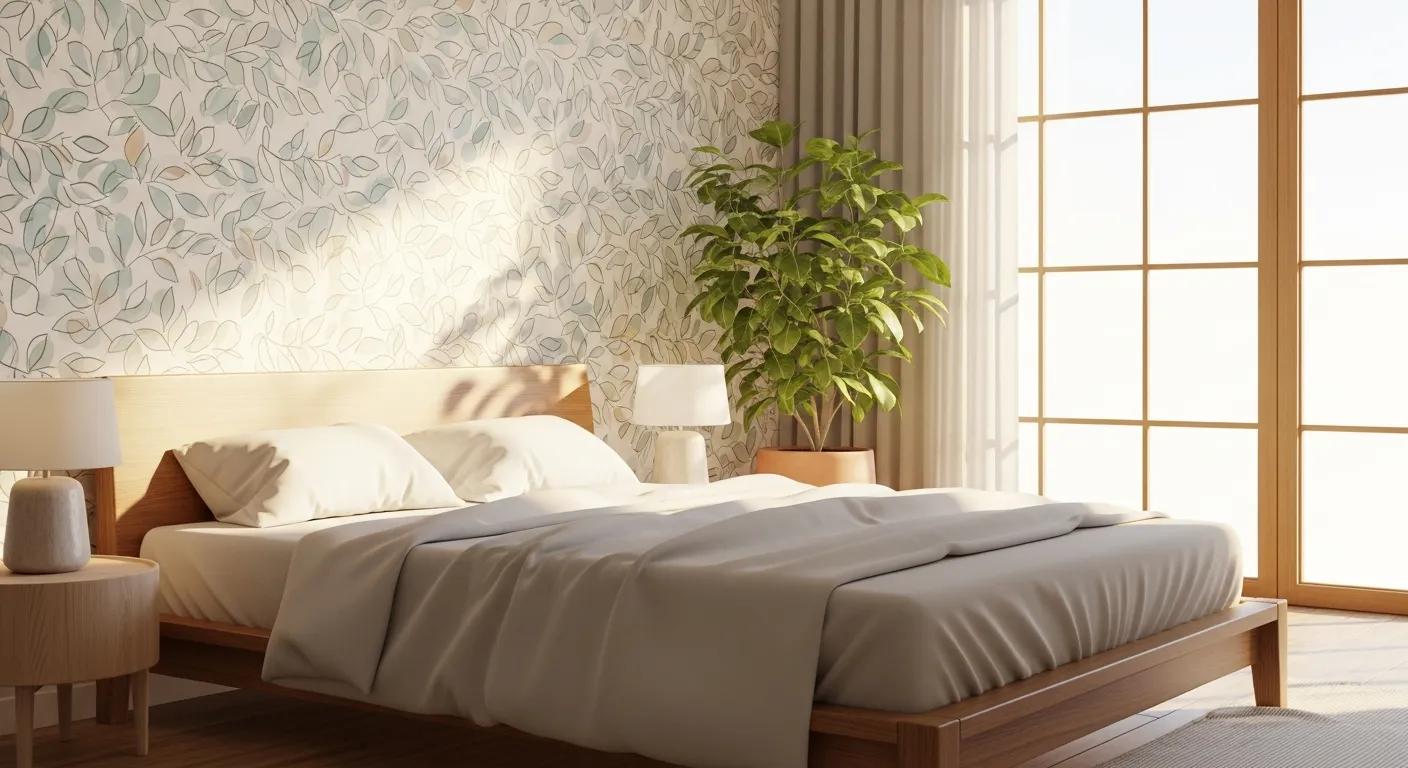
Eco-friendly mattress protectors are engineered to improve sleep quality while supporting sustainability. Often composed partly of recycled materials, they form a reliable barrier against allergens and bacteria to help maintain a healthier sleeping environment. Growing consumer awareness of product environmental impact has increased demand for sustainable bedding. This article examines the benefits of recycled-fabric mattress protectors, the certifications that verify their quality, their durability, and case-study findings from commercial settings. Understanding these factors enables consumers to make informed choices that improve sleep and support environmentally responsible practices.
What Are the Key Benefits of Recycled Fabric Mattress Protectors?
Recycled-fabric mattress protectors deliver advantages for both personal health and environmental sustainability. Key benefits include protection of health, support for sustainable living, and improved durability.
- Health Protection: Recycled fabric mattress protectors create a barrier against allergens and bacteria, reducing exposure to irritants that can disrupt sleep. This is particularly beneficial for individuals with allergies or respiratory issues.
- Sustainable Living: By utilizing eco-friendly materials, these protectors support sustainable practices, helping to reduce waste and minimise environmental impact. The use of recycled fabrics contributes to a circular economy, where materials are repurposed rather than discarded.
- Durability: Designed to withstand wear and tear, these protectors help extend the life of your mattress by preventing stains, spills, and other damage. Their robust construction ensures that they remain effective over time.
| Benefit | Description | Value |
|---|---|---|
| Health Protection | Barrier against allergens and bacteria | Improved sleep quality |
| Sustainable Living | Use of eco-friendly materials | Reduced environmental impact |
| Durability | Long-lasting protection | Cost-effective investment |
How Do Eco Mattress Covers Improve Sleep Quality and Comfort?
Eco mattress covers reduce exposure to volatile organic compounds (VOCs) and common allergens. Constructed from breathable natural materials, they aid temperature regulation to maintain a comfortable sleep environment. Together, these properties support more restful sleep and improved morning refreshment.
Research into sustainable design further supports the focus on natural materials and their effects on health and the environment.
Material Choices: Allergies, Sustainability & Eco-Friendly Design
An investigation into contemporary upholstery materials emphasizes the significance of traditional and natural products in relation to allergies and sustainability. It critiques the reliance on synthetic alternatives, advocates for environmentally sustainable choices, and explores the implications of material selection in furniture design.
An Investigation into the Use of Traditional Upholstery Materials and Non-Animal Products in Relation to Allergies and Sustainability
What Environmental Advantages Do Sustainable Sleep Products Offer?
Sustainable sleep products, such as those offered by Adore Earth, use organically grown bamboo and organic cotton. These materials provide comfort while reducing ecological impact. Bamboo and organic fibers are biodegradable, which helps to minimize the product's ecological footprint and aligns with the priorities of environmentally conscious consumers.
Which Certifications Ensure the Quality and Sustainability of Organic Mattress Protectors?
Certifications are essential for verifying the quality and sustainability of organic mattress protectors. Prominent examples include the Global Organic Textile Standard (GOTS) and the Global Organic Latex Standard (GOLS).
- Global Organic Textile Standard (GOTS): This certification ensures that the cotton and wool used in products are genuinely organic, adhering to strict environmental and social criteria throughout the supply chain.
- Global Organic Latex Standard (GOLS): GOLS guarantees that latex is sourced from organic rubber plantations, ensuring that the materials are produced sustainably and ethically.
What Are the Standards Behind GRS and OEKO-TEX Certifications?
The Global Recycled Standard (GRS) oversees the entire supply chain for recycled materials to confirm adherence to rigorous environmental and social criteria. The OEKO-TEX Standard 100 tests finished textiles for harmful substances and offers assurance that products are safe for consumers.
These verified standards collectively ensure the environmental integrity and social responsibility of textile production.
Sustainable Textile Certifications for Eco-Friendly Bedding
Sustainable fashion refers to textile materials and processes that are environmentally friendly. Sustainable fashion certification plays a crucial role by codifying criteria for efficient resource use, waste reduction, and the adoption of eco-friendly materials. Prominent certifications covered include GOTS (Global Organic Textile Standard), Fair Trade Certification, OEKO-TEX Standard 100, Bluesign® Certification, Cradle to Cradle (C2C) Certification, Forest Stewardship Council (FSC) Certification, and GRS (Global Recycled Standard).
Certification and Standardization in Sustainable Fashion Materials Production, VK Gupta, 2026
How Do Certifications Guarantee Commercial Suitability and Durability?
Certifications confirm that materials and manufacturing processes meet strict environmental and social requirements. This validation supports the suitability of products for commercial applications, including hospitality and healthcare, by ensuring safety, sustainability, and consistent performance.
How Durable and Practical Are Commercial Mattress Protectors Made from Recycled Fabrics?
Commercial mattress protectors made from recycled fabrics are engineered for durability and practical use. They provide a waterproof barrier against spills and allergens, making them appropriate for high-traffic environments.
- Robust Construction: These protectors are built to last, reducing the need for frequent replacements and ensuring long-term cost savings for businesses.
- Waterproof Barrier: They effectively protect mattresses from spills, dust mites, and other allergens, contributing to a healthier sleep environment.
What Maintenance Practices Extend the Lifespan of Eco-Friendly Mattress Protectors?
Follow the manufacturer's care instructions to preserve longevity. Machine wash the protector in cold water on a gentle cycle, then tumble dry on low heat or air dry. Regular maintenance extends product life and ensures continued performance.
Are Recycled Fabric Bedding Products Waterproof and Hypoallergenic?
Recycled-fabric bedding products are designed to be both waterproof and hypoallergenic. They resist dust mites, pet dander, and other common allergens, making them suitable for individuals with sensitivities.
What Do Case Studies Reveal About Eco Mattress Protector Performance in Commercial Fit-Outs?
Case studies demonstrate that eco mattress protectors effectively enhance sleep environments, particularly within the hospitality sector. These products improve guest experience while supporting organisational sustainability goals.
- Hypoallergenic Benefits: Eco mattress protectors help reduce exposure to irritants that can disrupt sleep, leading to improved guest satisfaction.
- Cost-Effectiveness: Their durability extends the lifespan of mattresses, making them a cost-effective choice for businesses looking to maintain high standards of hygiene and comfort.
How Have Sustainable Mattress Protectors Enhanced Sleep Environments in Hospitality?
In hospitality settings, sustainable mattress protectors have been shown to enhance sleep environments by providing a barrier against allergens and supporting sustainable practices. Hotels that implement these products often report higher guest satisfaction and positive feedback regarding comfort and cleanliness.
What Lessons Can Be Learned from Recent Commercial Project Implementations?
Recent commercial projects underline the value of a customer-centric approach when selecting eco-friendly products. Positive reviews and word-of-mouth referrals are important for growth, emphasizing that businesses should prioritise customer satisfaction in their offerings.
What Are the Most Common Questions About Eco-Friendly Mattress Protectors?
As interest in eco-friendly mattress protectors grows, common questions arise about effectiveness and availability.
- How Do Recycled Fabric Mattress Protectors Compare to Traditional Options?: Recycled fabric mattress protectors are made from materials that have been repurposed, offering a more sustainable alternative to traditional options that often use new materials without recycled content.
- Where Can Customers Find Reliable Eco Mattress Cover Products and Support?: Customers can find reliable eco-friendly mattress cover products on adorearth.com, where they can also access support for any inquiries.
Understanding the benefits, certifications, and practical uses of eco-friendly mattress protectors enables consumers to make informed decisions that improve sleep quality while supporting sustainable practices.
Frequently Asked Questions
What materials are commonly used in eco-friendly mattress protectors?
Eco-friendly mattress protectors are typically constructed from organic cotton, bamboo, and recycled polyester. These materials reduce chemical use and lower carbon footprints. Organic cotton is grown without synthetic pesticides; bamboo is fast-growing and requires limited resources; recycled polyester is produced from post-consumer plastics, helping to divert waste from landfills. Together, these fibers contribute to a healthier sleeping environment and a more sustainable product lifecycle.
How do eco-friendly mattress protectors contribute to a circular economy?
Eco-friendly mattress protectors support a circular economy by using recycled materials and reducing waste. Using recycled fabrics lowers demand for virgin resources, conserving energy and reducing pollution. Many protectors are designed for recycling at end of life, further extending material use. This approach benefits the environment and encourages more sustainable purchasing decisions.
Can eco-friendly mattress protectors help with temperature regulation during sleep?
Many eco-friendly mattress protectors assist temperature regulation. Breathable materials such as organic cotton and bamboo improve airflow, wick moisture, and help maintain a cooler sleep surface. This benefits individuals who overheat at night and contributes to improved sleep quality.
Are there any specific care instructions for maintaining eco-friendly mattress protectors?
To ensure longevity, follow the care guidelines provided by the manufacturer. Most protectors should be machine washed in cold water on a gentle cycle. Avoid bleach and harsh detergents, which can degrade materials. Tumble dry on low heat or air dry. Regular cleaning preserves the protector's performance and hygiene.
What impact do eco-friendly mattress protectors have on indoor air quality?
Eco-friendly mattress protectors can improve indoor air quality by reducing harmful chemicals and allergens. Traditional protectors may contain volatile organic compounds (VOCs) that off-gas into indoor air. Eco options are often made from natural or recycled materials with lower levels of such substances. Using these protectors helps create a healthier sleeping environment, particularly for those with allergies or respiratory conditions.
How do eco-friendly mattress protectors compare in price to traditional options?
Eco-friendly mattress protectors may have a higher upfront cost than traditional options, but they can offer superior long-term value. Greater durability and effective mattress protection can reduce replacement costs. Health advantages associated with non-toxic materials may justify the investment. As demand increases, prices are becoming more competitive and accessibility is improving.
