





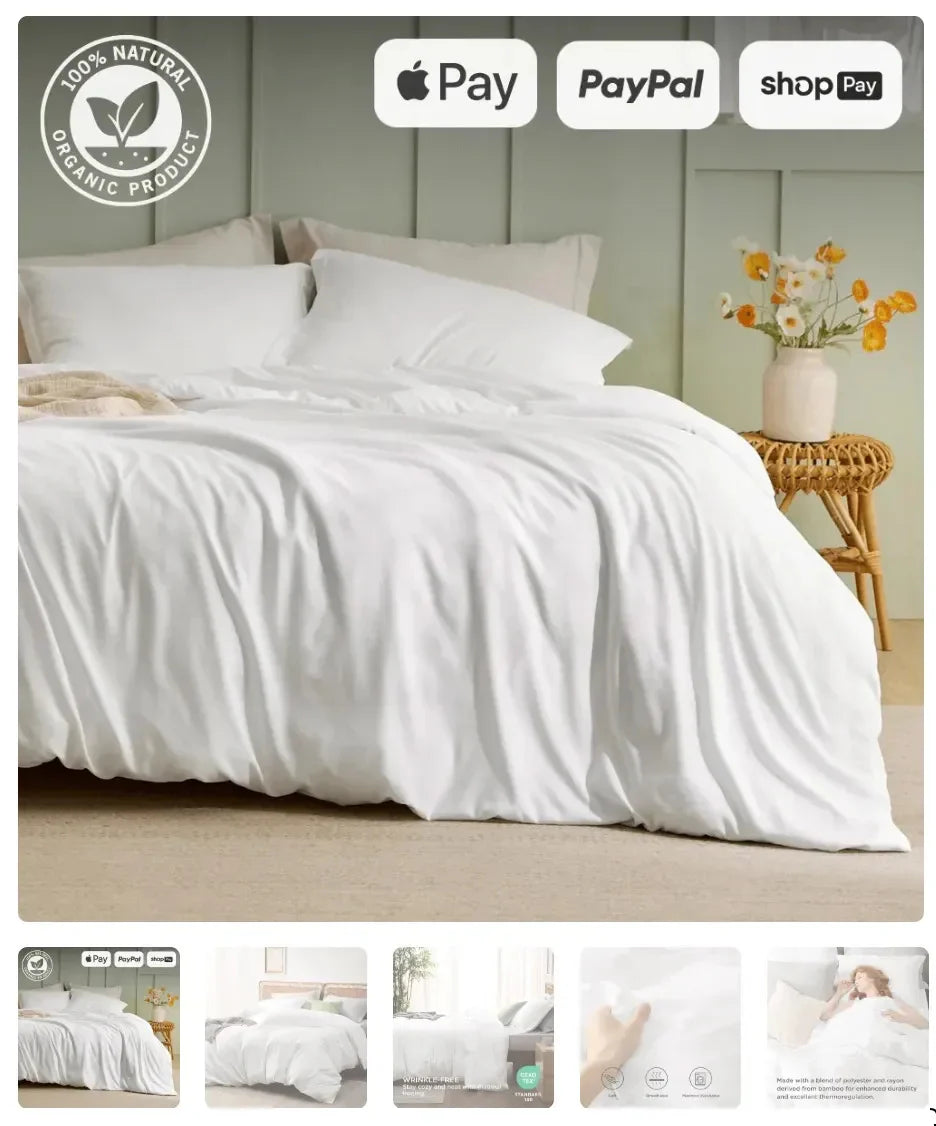
Benefits of Bamboo Quilt Covers vs Traditional Fabrics: A Professional Guide to Eco-Friendly Bedding Choices
Bamboo quilt covers have become a popular choice for those wanting to upgrade their bedding with an eye on the environment. Compared with traditional fabrics, bamboo offers benefits that fit well with a sustainable lifestyle, including better durability, comfort and health advantages. Many people aren't aware of how these covers can reduce environmental impact while improving sleep quality. By explaining how bamboo differs from conventional materials, this guide helps you make informed decisions that support personal wellbeing and eco responsibility. The following sections explore the environmental perks, durability, comfort, health aspects and care tips to keep your bamboo quilt cover in great shape.
Eco-Friendly Advantages
Bamboo quilt covers bring environmental benefits that many other fabrics can’t match. Bamboo grows quickly and uses less water than cotton, often without the need for harmful pesticides. The fibres are biodegradable, so when you’re ready to replace your bedding, it won’t linger in landfill. Choosing bamboo is a simple way to support eco-friendly living without compromising on quality.
Durability
Bamboo quilt covers are well known for their strength compared to popular options like cotton or polyester. The natural resilience of bamboo fibres helps these covers stand up to everyday use, lasting longer without losing their look or feel. With proper care, your bamboo quilt cover can keep performing well through many washes — outlasting a lot of cotton alternatives.
How Do Bamboo Quilt Covers Offer Superior Comfort and Hypoallergenic Benefits?
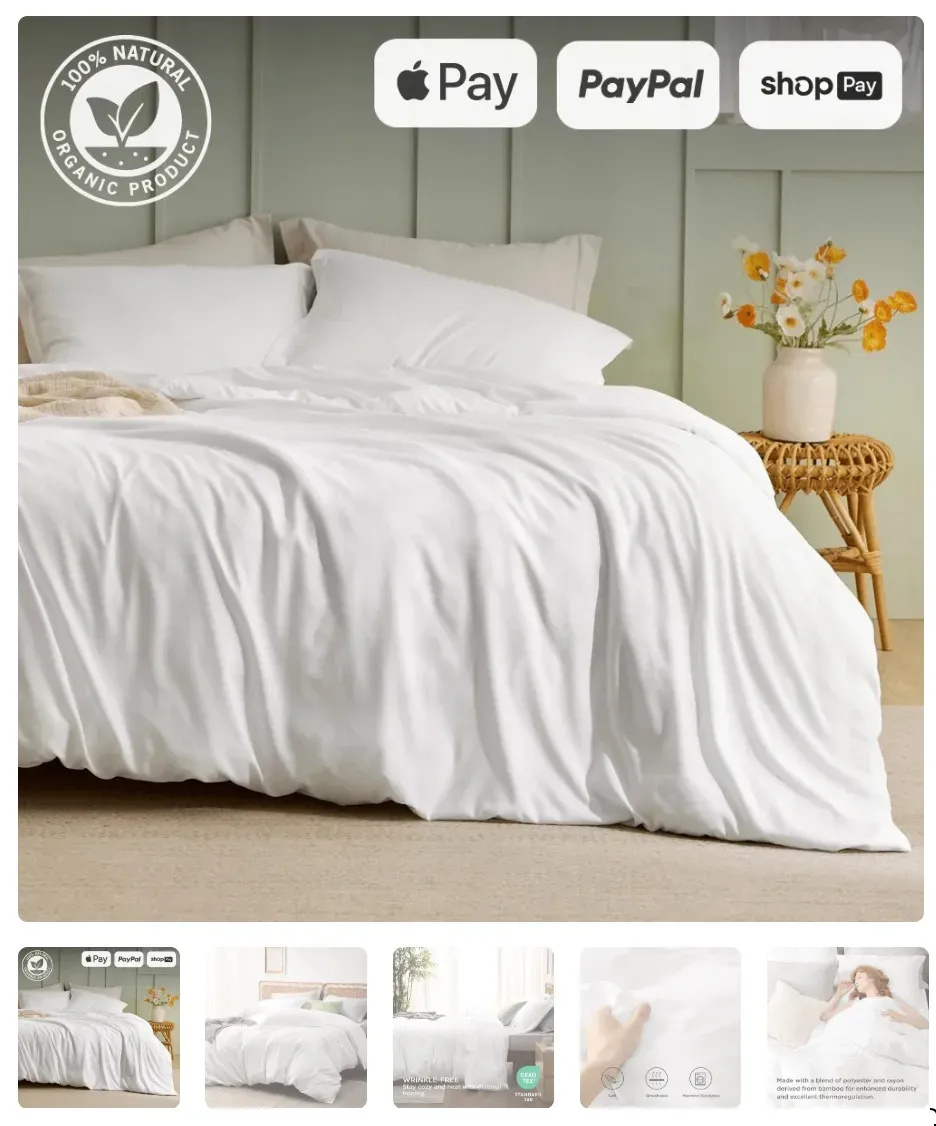
Bamboo quilt covers are praised for their incredible softness and comfort — often feeling nicer than cotton. They naturally wick away moisture, helping you stay cool when it’s warm and cosy when it’s cooler. Bamboo’s hypoallergenic nature means it’s less likely to irritate sensitive skin, creating a more restful, cleaner sleep area.
In What Ways Does Bamboo Fabric Provide Enhanced Durability and Longevity?
The strength of bamboo fabric comes from the tough fibres it’s made from. These fibres resist damage and keep their colour well, even with washing and exposure to sunlight. To make the most of your bamboo quilt cover, gentle washing and avoiding bleach will help maintain its longevity and appearance.
Comfort
Comfort is a big reason many people choose bamboo quilt covers. They do a great job of managing temperature, keeping you warm without overheating, making them suitable for all seasons. Bamboo absorbs moisture effectively, so you wake up feeling dry and refreshed. Its combination of softness and breathability helps ensure a good night’s sleep.
Health Implications
Bamboo quilt covers support better health by creating a cleaner sleeping environment. Their hypoallergenic qualities mean they’re gentle for those with allergies or sensitive skin. Plus, bamboo naturally resists some bacteria and fungi, and its moisture management helps reduce fungal growth, keeping your bedding fresh and hygienic.
How Do Bamboo Quilt Covers Contribute to Sustainable Living and Environmental Protection?
Bamboo quilt covers promote sustainability through smart resource use. Bamboo requires far less water and fewer chemicals compared to traditional crops like cotton. It also captures more carbon dioxide and produces more oxygen than many trees, bringing wider environmental benefits. Choosing bamboo bedding is an easy way to support these positive impacts.
What Is the Environmental Impact of Bamboo Versus Traditional Fabric Materials?
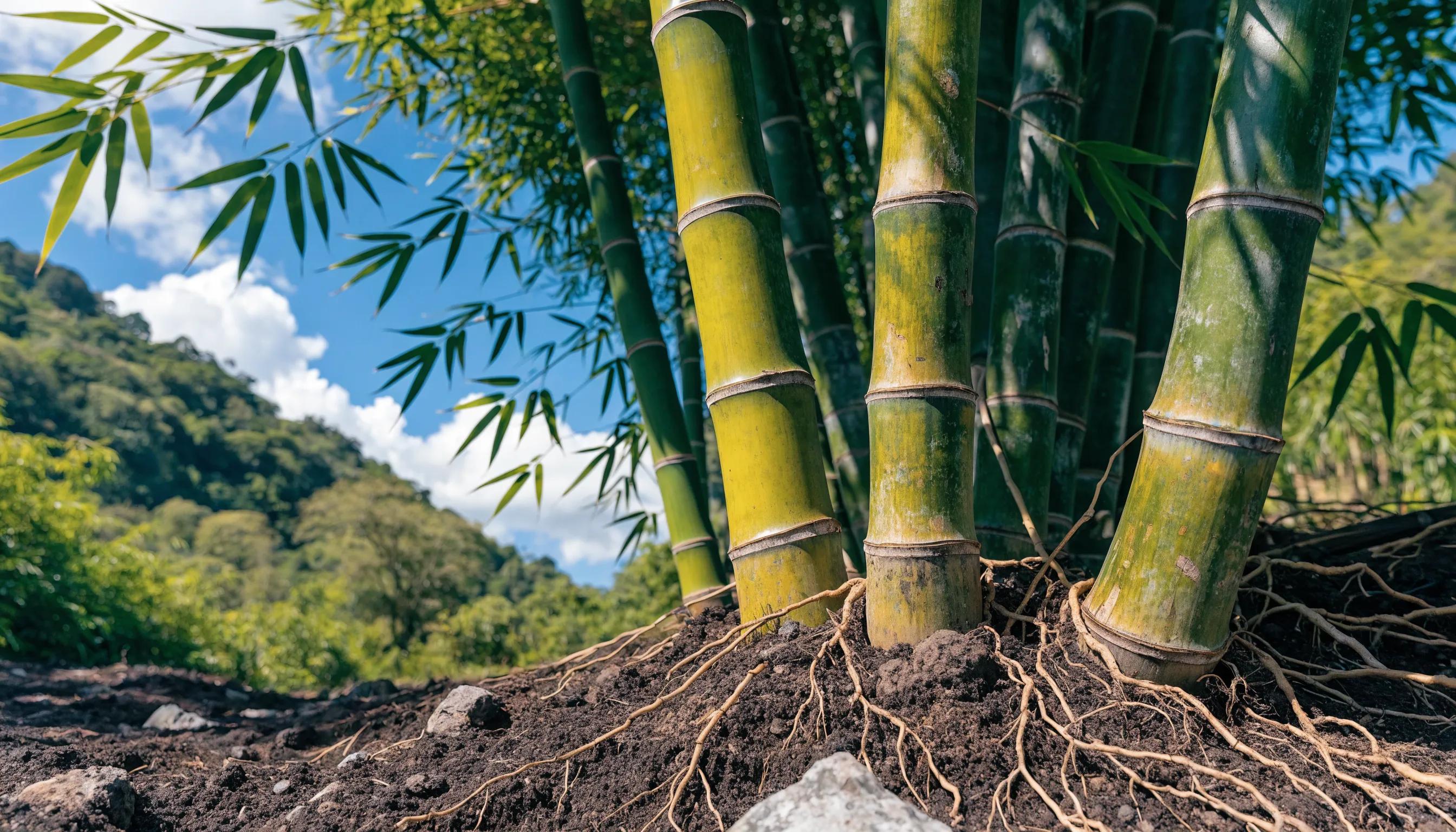
Looking at the environmental footprint, bamboo clearly edges out many common fabrics. Cotton usually needs lots of water and pesticides that can affect soil health and waterways. Bamboo grows with less water and fewer chemicals, so producing bamboo bedding tends to have a smaller carbon footprint, making it a kinder choice for the planet.
Which Sustainability Certifications and Standards Validate Bamboo Quilt Covers?
To help you make confident eco-friendly choices, some bamboo quilt covers come with recognised certifications. These assure the product was made responsibly and is free from harmful substances. Checking for such certifications can guide you towards products that align with your values.
What Are the Recommended Care Instructions to Maintain Bamboo Quilt Covers’ Quality and Longevity?
Taking proper care of your bamboo quilt cover will keep it looking and feeling great for years. Here are some simple tips:
- Washing: Use a gentle cycle with cold water to protect the fibres.
- Drying: Air dry when possible or use a low-heat tumble setting to avoid shrinkage.
- Storage: Keep it in a cool, dry place out of direct sunlight to prevent fading.
What Washing and Drying Practices Preserve Bamboo Fabric’s Integrity?
To keep your bamboo quilt cover in top condition, stick to these easy practices:
- Preferred Washing Cycle: Always opt for a gentle wash to reduce wear.
- Drying Recommendations: Avoid high heat; air dry or low heat tumble dry is best.
- Stain Removal Advice: Treat stains quickly using natural cleaners to avoid damaging fibres.
Why Should Customers Consider Bamboo Quilt Covers as Superior Eco-Friendly Bedding Options?
Bamboo quilt covers offer excellent value with their mix of durability, comfort and environmental benefits. They look and feel wonderful while helping reduce your impact on the planet. Choosing bamboo bedding is a simple way to support sustainability without giving up on quality. Many suppliers offer a range of bamboo bedding designed to meet these features.
Frequently Asked Questions
1. Can bamboo quilt covers help with temperature regulation?
Definitely. Bamboo fibres allow air to circulate while insulating, helping keep your body at a comfortable temperature. Their moisture-wicking ability also keeps you dry, which is great for those who tend to feel hot or cold during the night.
2. How do bamboo quilt covers compare to synthetic materials in terms of comfort?
Bamboo covers usually feel softer and more breathable than synthetic options like polyester. Natural bamboo fibres have a silky texture and better moisture management, making for a cooler, more comfortable sleep.
3. Are bamboo quilt covers environmentally sustainable?
Yes. Bamboo grows quickly and needs less water and chemicals than cotton. It’s biodegradable too, so it won’t contribute to long-term waste like many synthetics do.
4. What certifications should I look for when purchasing bamboo quilt covers?
Look out for recognised eco and health certifications that indicate responsible sourcing and safe materials, giving extra peace of mind when choosing your bedding.
5. Can people with sensitive skin safely use bamboo quilt covers?
Absolutely. Bamboo is naturally hypoallergenic and helps prevent irritation, making it a comfortable choice for sensitive skin and allergy sufferers.
6. What is the lifespan of bamboo quilt covers compared to cotton?
Bamboo quilts tend to last longer thanks to stronger fibres. With good care, they’ll hold up well over time, often outlasting cotton covers that can fade and wear out sooner.
7. How can I effectively remove stains from bamboo quilt covers?
Use gentle, natural cleaning agents and address stains promptly. Avoid harsh chemicals to protect the fibres and keep your quilt cover in great condition.
